
Nineteenth Century Art Canvas
Nineteenth century art canvas selections encompass oil paintings and framed wall art from Victorian and Barbizon periods.
Nineteenth Century Art Canvas
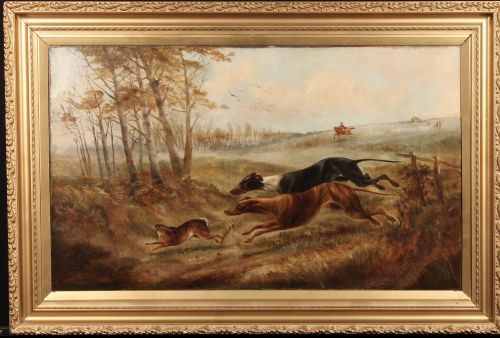
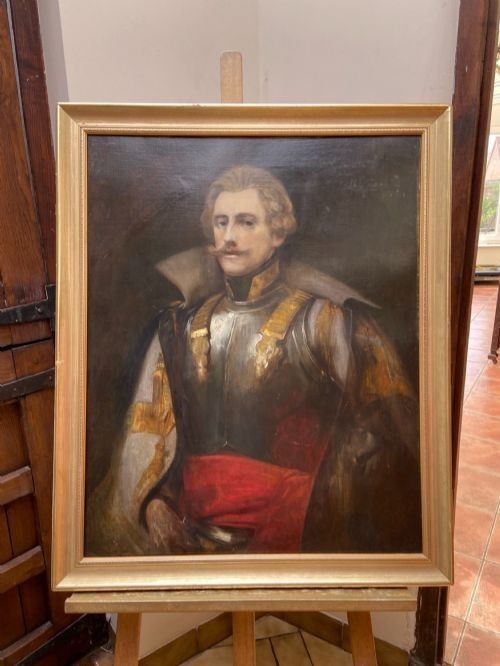
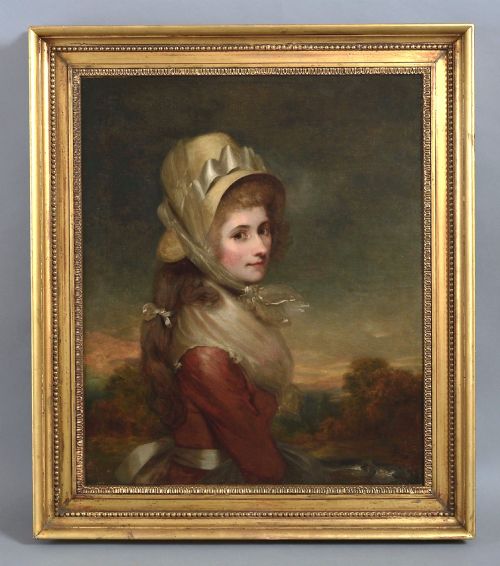
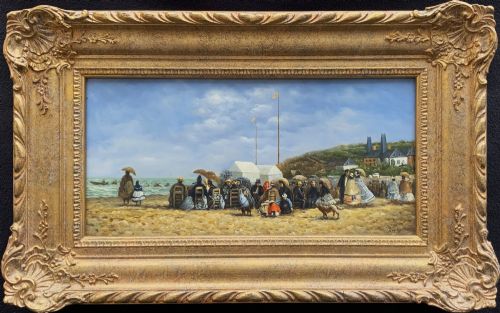
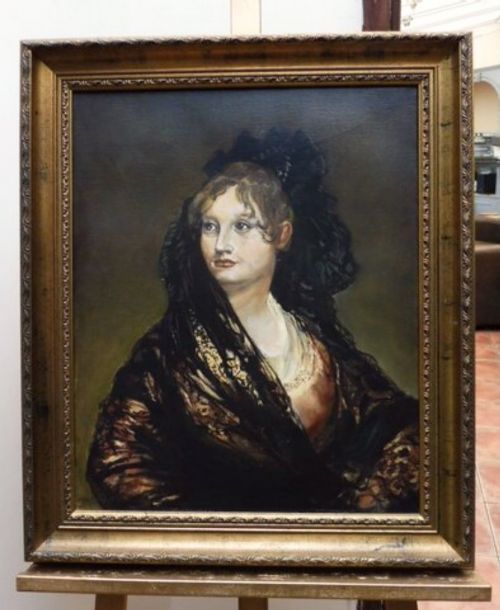
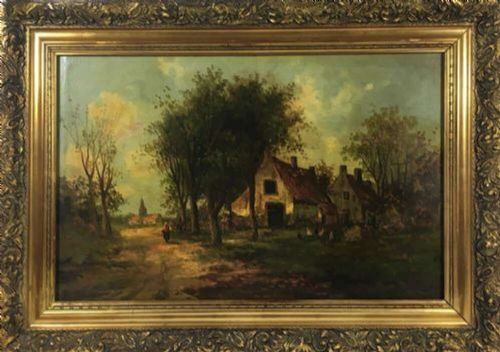
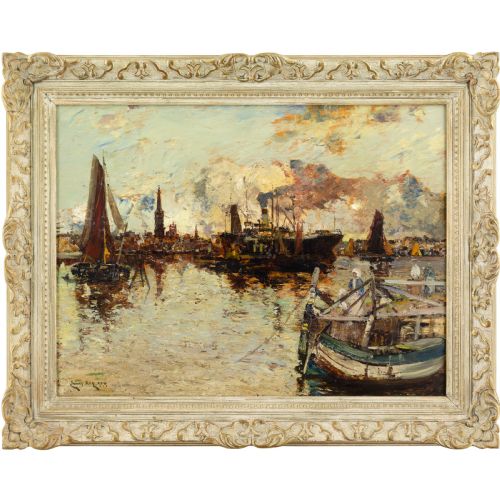
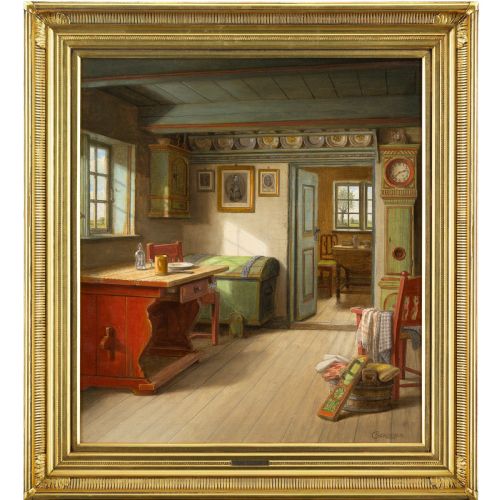
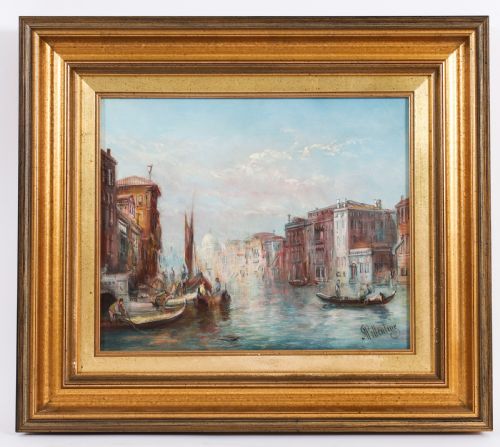
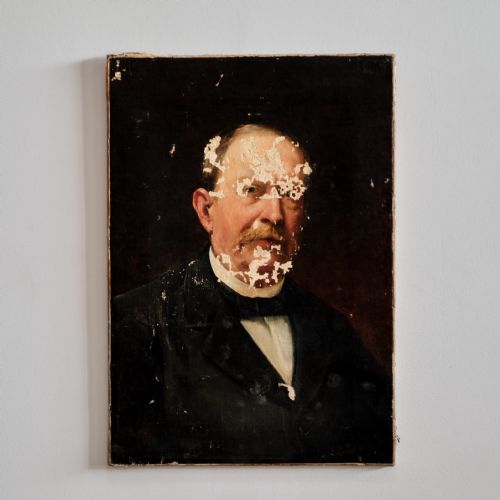
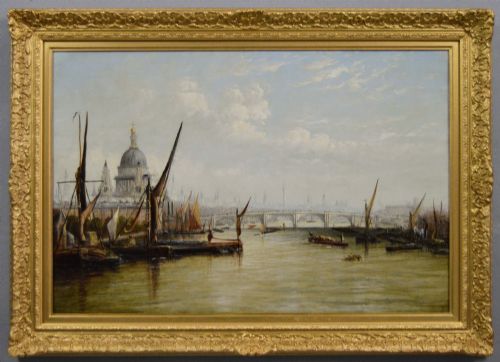
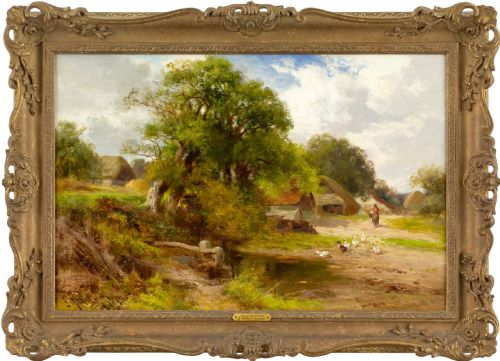
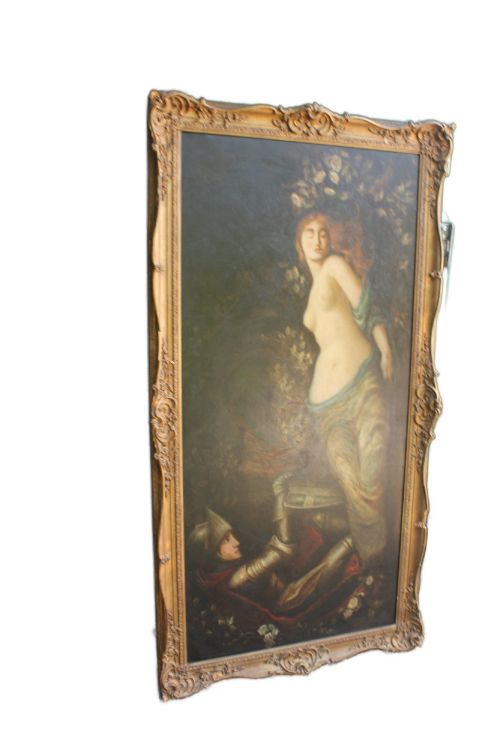
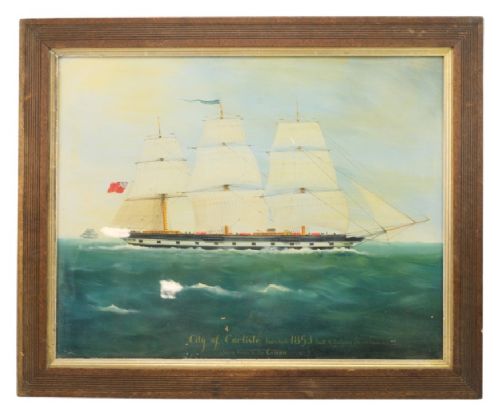
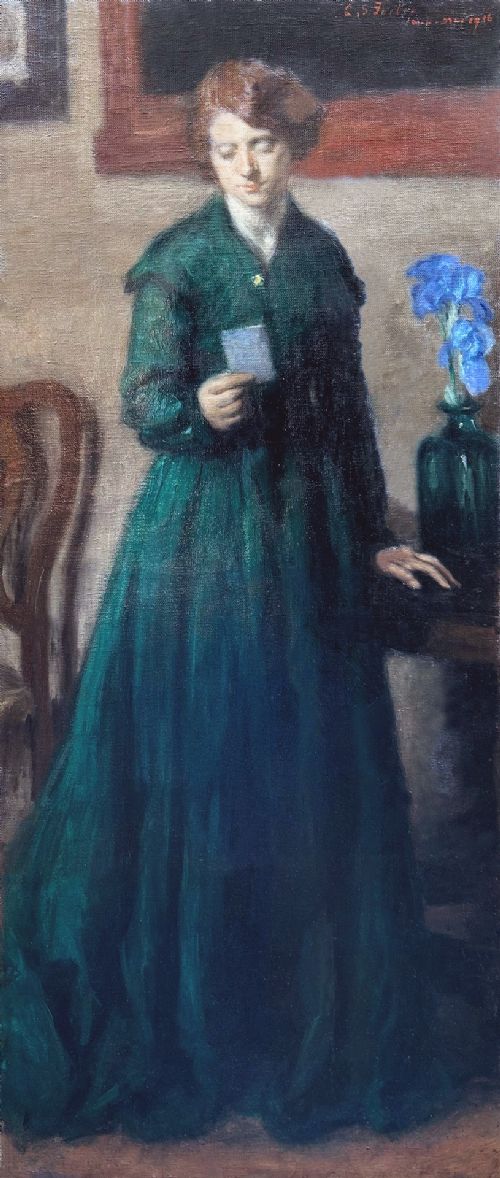
A nineteenth century art canvas is typically an oil painting on canvas housed within a gilded wooden frame, capturing subjects ranging from pastoral landscapes and maritime scenes to detailed human portraits.
Buyers browsing this category most frequently encounter Victorian oil paintings and French works from the nineteenth century, often displaying schools like the Barbizon School or Post-Impressionism.
The physical forms include wall art and framed artwork depicting historical genres, sporting art, and townscapes rendered in oil paint or pastel on canvas.
Materials and Technique
The core material is woven canvas stretched over a wooden frame, serving as the foundation for layers of oil paint applied by brush.
Frames are constructed from wood, utilising carved gesso and applied gold leaf or giltwood to achieve ornamental gilded finishes.
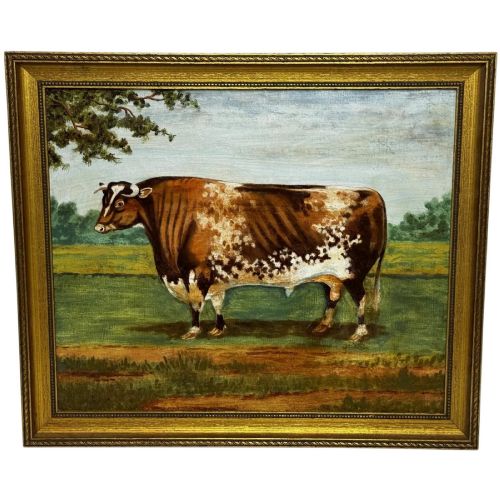
Several canvases record the likenesses of beloved nineteenth-century animals, including prize bulls and a major-general's favourite dogs.
Evaluating Quality
The skill of the brushwork and the precision of anatomical or architectural detail distinguish finer canvases from simpler decorative pieces.
The integrity of the original canvas and the preservation of the underlying oil paint or pastel layers dictate the overall standard of survival.
George Armfield·Sir Martin Archer Shee·James Kay·C Sørensen·Alfred Pollentine·Francis Moltino·John Horace Hooper·Charles Stuart Forbes·William Oliver·Abraham Cooper·Edgar Hunt·Paul Désiré Trouillebert·Johann Friedrich Voltz·Johann Hamza·Alexander Rosell·André Charles Voillemot·Jean-Baptiste Olive·John Arthur Lomax·George Bernard O'Neill·Thomas Edward Roberts·Henry Hillier Parker·William Barraud·Henry John Yeend King
The Nineteenth Century Art Canvas Glossary
- Barbizon School
- A nineteenth-century French art movement dedicated to naturalistic landscape painting. Artists painted directly from nature, focusing on tonal qualities and rural scenes.
- Gesso
- A plaster-like mixture applied to wooden frames as a smooth base before gilding with gold leaf. This technique creates the decorative borders seen on period artwork.
- Chiaroscuro
- An artistic technique using strong contrasts between light and dark to give subjects volume and dramatic depth. It appears frequently in nineteenth-century tavern and historical scenes.
- Genre painting
- The pictorial representation of scenes from everyday life, including figures working, playing cards, or gathering indoors. These works document social history through art.
Nineteenth Century Art Canvas: Frequently Asked Questions
What is a nineteenth century art canvas?
These items are painted artworks executed in oil or pastel upon woven canvas surfaces during the 1800s and early 1900s.
They encompass diverse subjects such as portraits, landscapes, and historical genre scenes housed within original frames.
How were these canvases framed?
Period frames are typically constructed from wood finished with moulded gesso layers and gold leaf or giltwood.
This ornamentation provided structural support while enhancing the visual presentation of the painting.
How do I identify a Barbizon School painting?
Barbizon works focus on rural landscapes and farmyard settings painted with an emphasis on natural light and atmosphere.
They reflect mid-nineteenth-century French artistic approaches that prioritized direct observation of nature.
Where should I hang a framed oil painting?
Display these works away from direct sunlight and moisture to protect the sensitive oil paint and gilded wooden frame.
Ensure the wall can support the weight of the heavy wooden and gesso construction.