
Nineteenth Century Accent Chairs
Nineteenth century accent chairs bring character to a room through varied Victorian, Regency, and French forms.
Nineteenth Century Accent Chairs
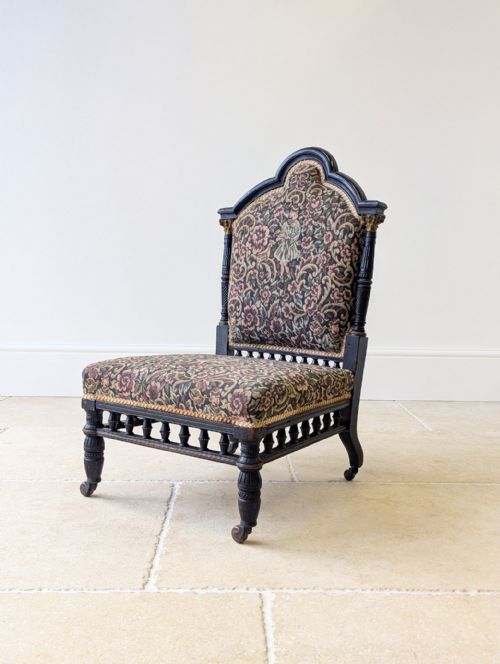
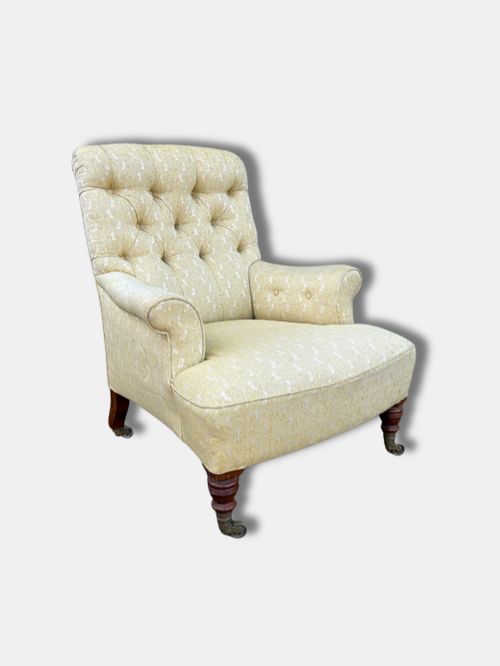
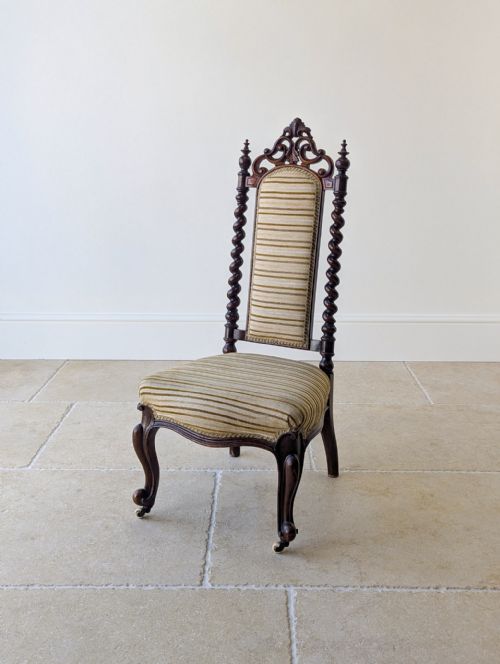
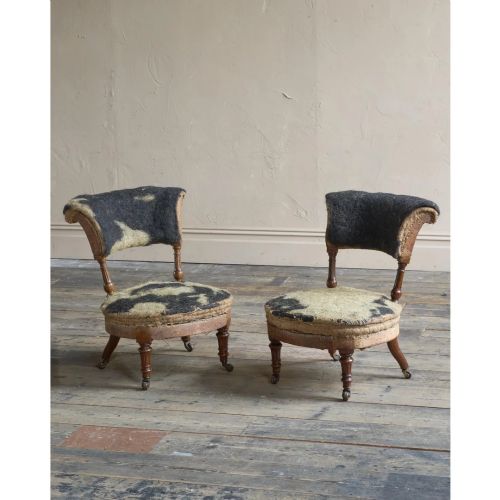
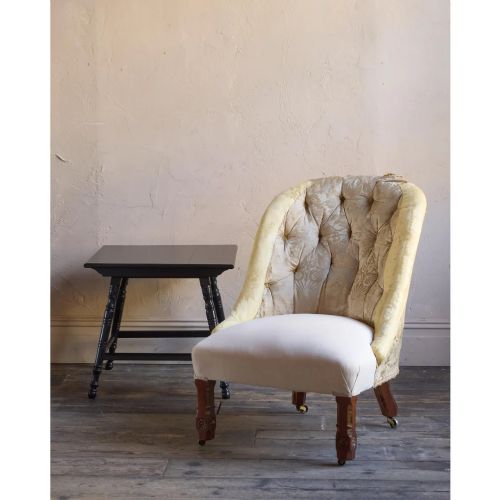
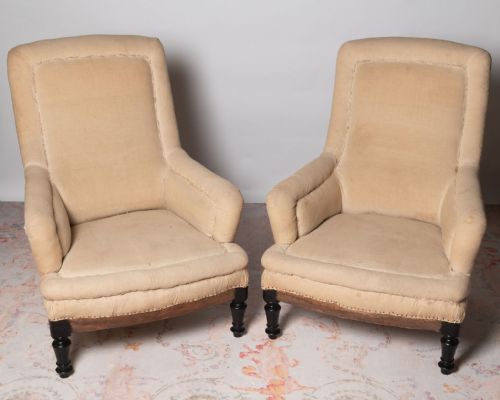
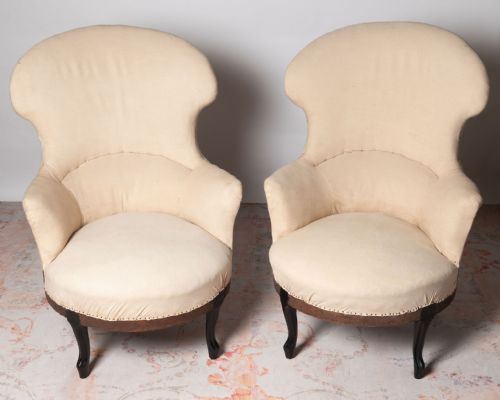
Nineteenth century accent chairs encompass a diverse group of seating furniture designed to stand out in domestic interiors. Buyers encounter numerous forms in this selection, ranging from low salon chairs and nursing chairs to library armchairs and hall chairs.
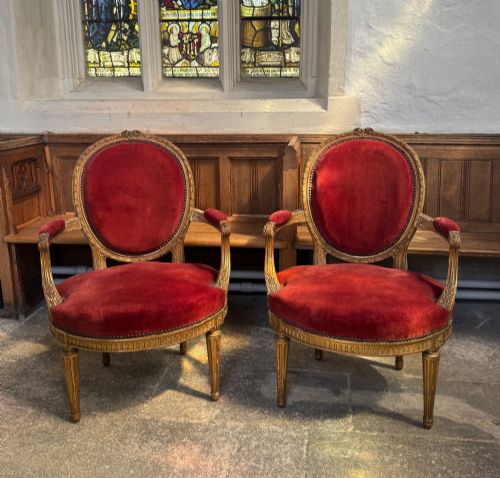
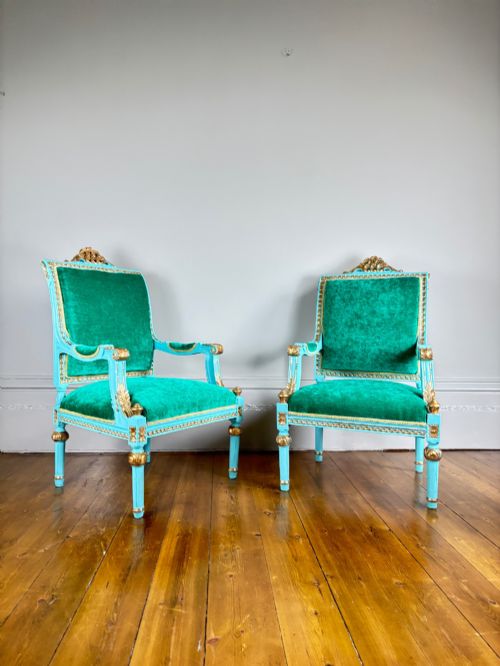
The pieces on this page span several distinct aesthetic movements and national traditions. English Victorian designs, Regency mahogany pieces, and French giltwood or salon chairs frequently appear alongside Gothic Revival and Arts and Crafts examples.
How they were made
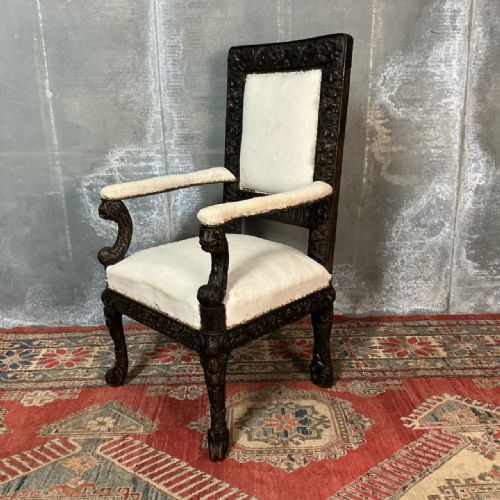
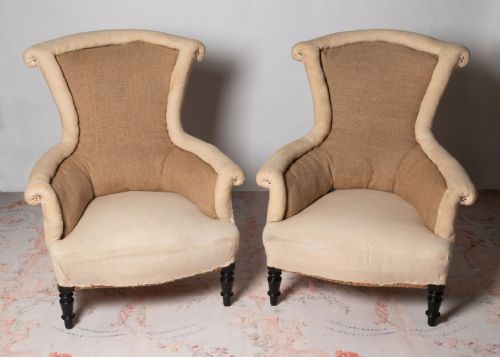
Cabinetmakers and joiners constructed the frames of these chairs using traditional timbers such as mahogany, oak, walnut, and ebonised wood. Brass inlay, hand-carved detailing, and giltwood finishes often enhanced the structural woodwork.
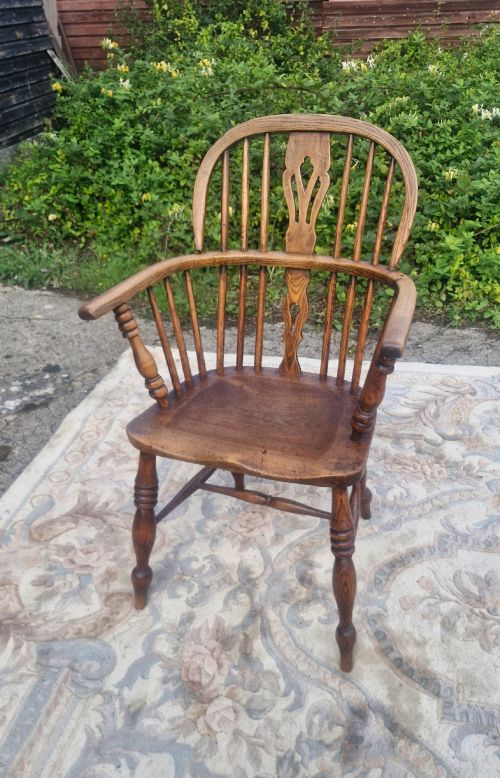
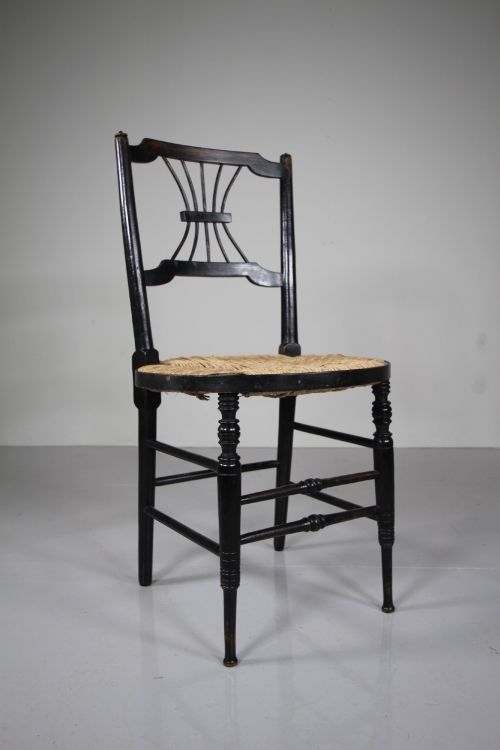
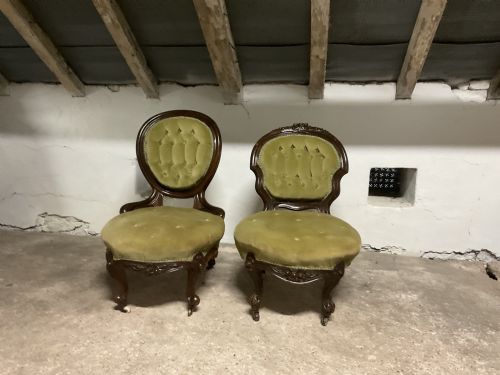
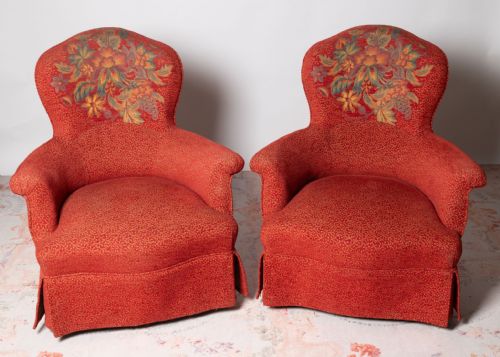
Upholstered variants relied on traditional stuffing techniques finished in materials like velvet, silk, or plain fabric. Rush seating also appeared on vernacular designs such as the Sussex chair.
Some nineteenth-century chairs required large proportions for voluminous Victorian skirts, creating exceptionally wide seats.
What varies in quality
The standard of execution in the carving and joinery distinguishes finer pieces from ordinary production. Maker attribution, such as work associated with Howard and Sons, elevates the standing of an armchair within the market.
The integrity of the original timber surfaces and the survival of period upholstery materials influence the overall character of a chair. Pieces retaining their original paint or giltwood demonstrate superior preservation.
Howard and Sons·E W Godwin·Rossetti·Henry Thomas Peters
The Nineteenth Century Accent Chairs Glossary
- Ebonised wood
- Timber treated to resemble ebony. This dark finish gained popularity during the Victorian and Aesthetic Movement periods.
- Giltwood
- Wood coated with gold leaf or gold paint. French salon chairs and Regency occasional chairs frequently employ this decorative treatment.
- Nursing chair
- A low-seated Victorian chair originally designed for nursery use. These chairs often feature spoon backs or padded upholstery.
- Hall chair
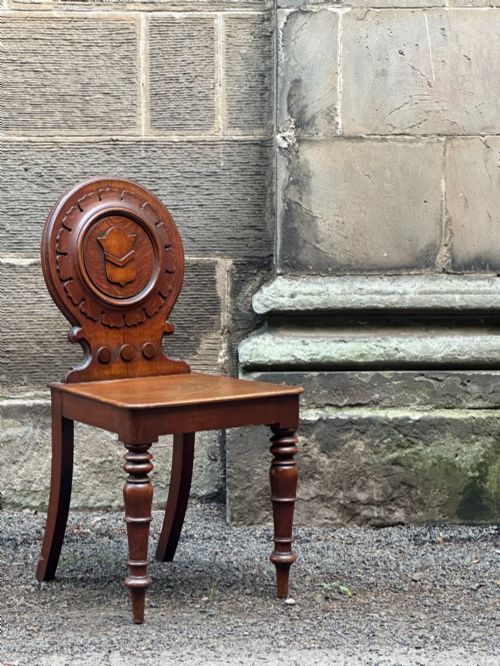
- A rigid wooden seat placed in an entrance hall. They typically lack upholstery and display carved family crests or decorative panelling.
- Bergere
- An enclosed upholstered French armchair with exposed wooden framing. These seats usually feature cane work on the sides and back.
Nineteenth Century Accent Chairs: Frequently Asked Questions
What is a nursing chair?
A nursing chair is a low-seated Victorian chair designed to allow comfortable feeding or holding of infants. Their compact proportions made them suitable for bedrooms and private parlours.
These pieces typically feature low seats and supportive backs, often upholstered in velvet or patterned fabric. Today they serve as decorative accent seating in living spaces and bedrooms.
How do I identify Regency chairs?
Regency chairs date from the early nineteenth century and often feature classical influences such as sabre legs and brass inlay. Mahogany and faux rosewood are common timbers used in these designs.
They frequently appear as hall chairs or open armchairs with precise geometric carving. Their restrained elegance separates them from heavily ornamented Victorian pieces.
Where should I place an accent chair?
An accent chair works well in corners, bedrooms, or sitting rooms where an extra seat is needed without crowding the floor plan. Low salon chairs and slipper chairs fit easily into smaller spaces.
Pairing a distinctive nineteenth-century chair with modern furniture creates a layered interior. Their varied woods and textiles provide a focal point in a neutral room.
What is an Aesthetic Movement chair?
Aesthetic Movement chairs emerged in the late nineteenth century, focusing on artistic design rather than historical revivalism. Ebonised wood and simple, elegant lines characterise these pieces.
They often include rush seating or subtle Japanese-inspired motifs. Makers like E W Godwin produced notable examples during this period.