
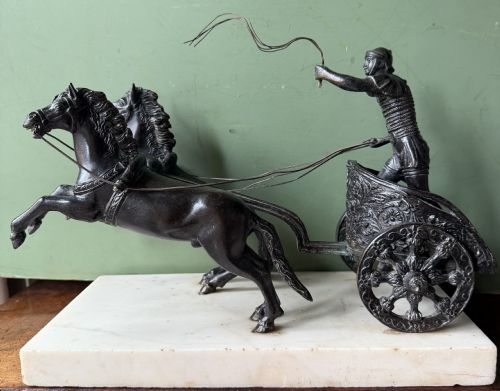
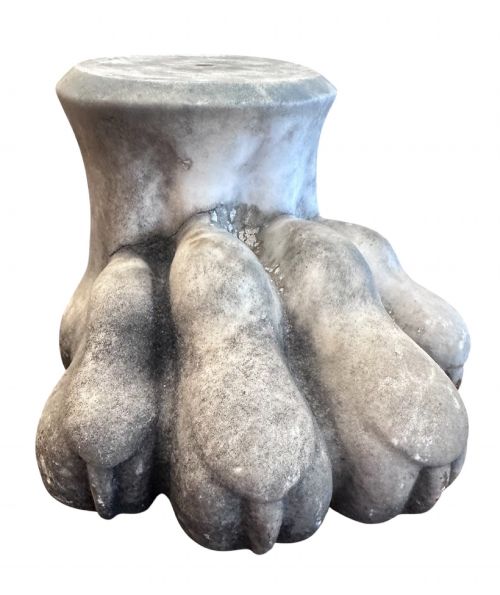


Neoclassical White Marble Plinth
These neoclassical white marble plinth pieces bring classical proportion and refined stone surfaces to interiors seeking architectural dignity.
Neoclassical White Marble Plinth
A neoclassical white marble plinth serves as a monumental support or sculptural base, drawing directly upon ancient Greek and Roman architectural forms. These pieces frequently appear in forms such as pedestals, columns, and sculptural bases designed to elevate statues, busts, and decorative objects.
The selection on this page spans the eighteenth, nineteenth, and early twentieth centuries, encompassing Italian Grand Tour souvenirs and architectural elements. Buyers encounter works rendered in bright white Carrara marble, alongside complementary examples incorporating bronze mounts, alabaster, and contrasting black marble socle bases.
How they were made
Carvers shaped these objects from solid blocks of natural stone, utilising marbles such as Carrara and Arabescato, alongside alabaster and scagliola. Artisans employed hand-carving techniques to achieve crisp architectural mouldings, fluted column shafts, and detailed lion paw feet.
Many items integrate mixed media construction, combining carved white marble with cast bronze figures, gilded metal elements, or contrasting wooden and stone supports. Stonemasons smoothed and polished the marble surfaces to highlight the natural veining and crystalline structure inherent in the material.
What varies in quality
Quality rests in the crispness of the stone carving and the precision of the classical proportions, where sharp architectural lines distinguish superior works from softer, more rounded alternatives. The selection of the marble block itself matters greatly, with uniform white ground or balanced veining elevating the visual impact of a column or pedestal.
The integrity of the construction and the quality of associated materials, such as finely chased bronze mounts or integrated socle bases, separate standard decorative items from exceptional period examples. Original surface patination and honest signs of age across the stone indicate a well-preserved antiquity.
The Neoclassical White Marble Plinth Glossary
- Carrara marble
- A type of white or blue-grey marble quarried in the city of Carrara in Tuscany, prized by sculptors for its fine grain and luminous quality. It forms the primary material for many classical statues and architectural supports.
- Grand Tour
- A traditional trip through Europe undertaken by upper-class young European men of the eighteenth and nineteenth centuries to absorb classical art and culture. Souvenirs from these journeys frequently included small bronzes mounted on marble plinths and carved stone statues.
- Scagliola
- A composite technique made from pigmented plasters, glue, and selenite, applied to imitate natural marbles and stones. Artisans polished the finished surface to resemble genuine stone architectural elements.
- Socle
- A short plain plinth or pedestal supporting a statue, column, or bust. It provides a stable transitional base between the floor and the main sculptural element.
- Tazza
- A wide, shallow saucer-like vessel resting on a stem and foot, frequently carved from marble as a decorative centrepiece. These items demonstrate classical turning and stone-carving skills.
Neoclassical White Marble Plinth: Frequently Asked Questions
What is a neoclassical white marble plinth?
A neoclassical white marble plinth is a stone architectural support or sculptural base created in the classical revival taste, utilising white marble such as Carrara.
These pieces function as pedestals for busts and figures or stand independently as columns and torcheres within classical interiors.
How do I date a marble plinth?
Dating relies on examining the tool marks, stone-cutting precision, and the stylistic conventions of the specific nineteenth or eighteenth-century period.
Comparing the edge profiles, marble selection, and associated materials like bronze mounts against documented examples helps establish the era of manufacture.
Where were these marble pieces made?
Many period examples originate from Italian workshops catering to collectors travelling through Europe on the Grand Tour during the eighteenth and nineteenth centuries.
Italian artisans utilised local stone quarries to produce architectural salvage, columns, and carved stands for international buyers.
How should I care for white marble?
White marble requires gentle cleaning with a soft, dry cloth or pH-neutral stone cleaner to preserve the polished surface and natural grain.
Avoiding acidic substances and abrasive materials protects the historic stone from etching and surface wear.