


Neoclassical Statue
A neoclassical statue brings classical antiquity into private rooms, offering sculpted figures and busts that echo ancient Greek and Roman forms.
Neoclassical Statue
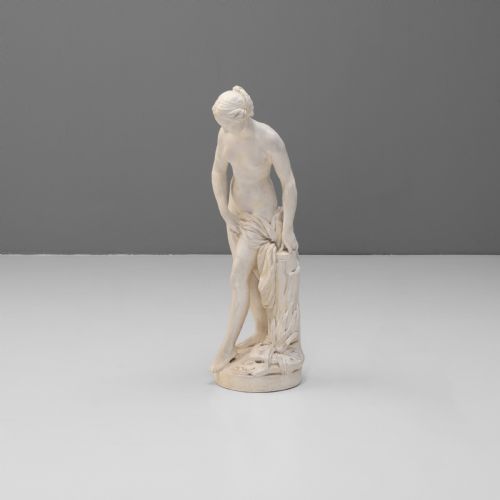
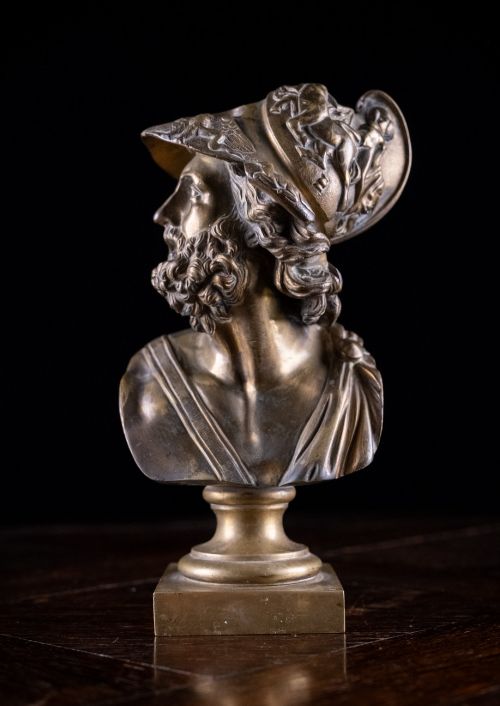
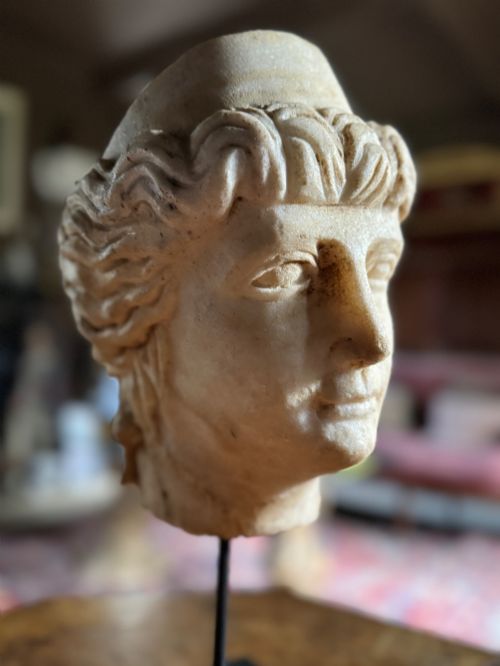
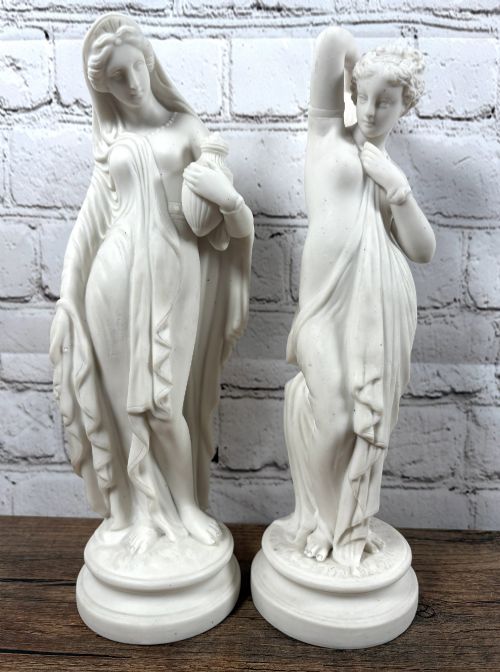
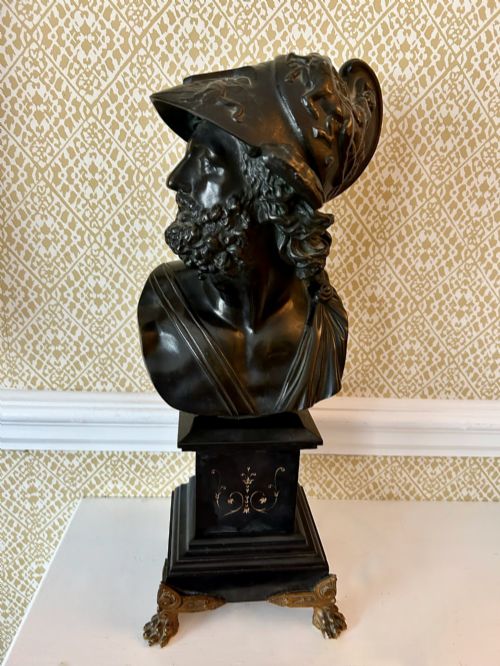
A neoclassical statue captures the enduring appeal of classical antiquity through sculptural interpretations of mythological figures, ancient rulers, and literary heroes. These works frequently draw inspiration from celebrated archetypes, translating monumental temple sculptures into cabinet-sized bronzes and carved marbles suitable for domestic interiors.
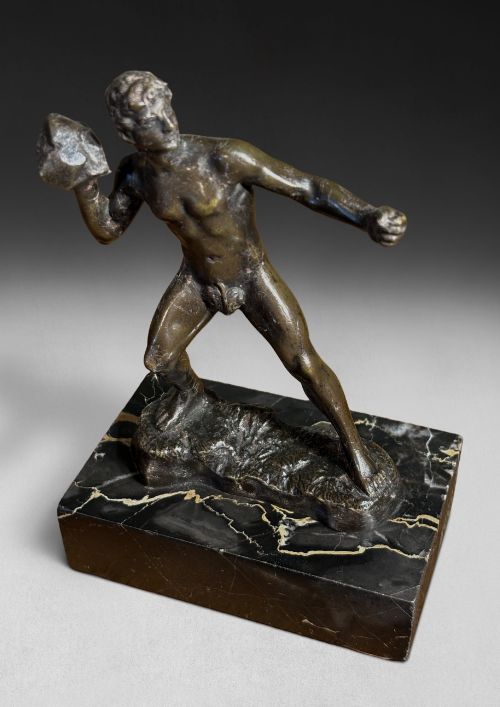
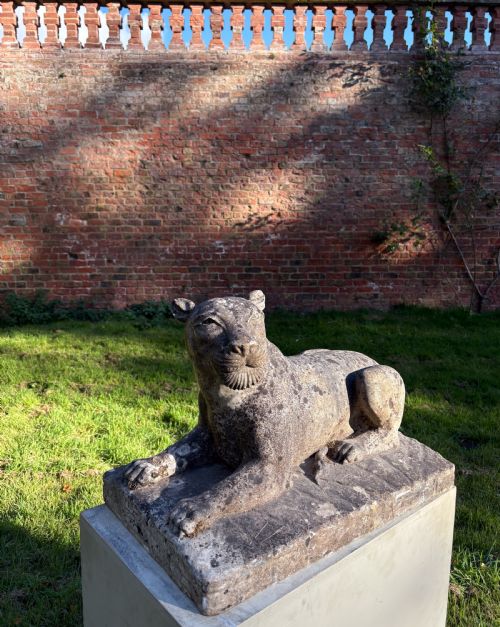
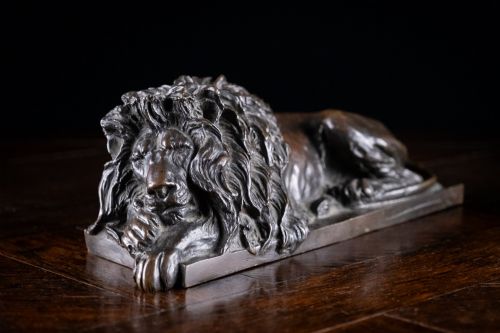
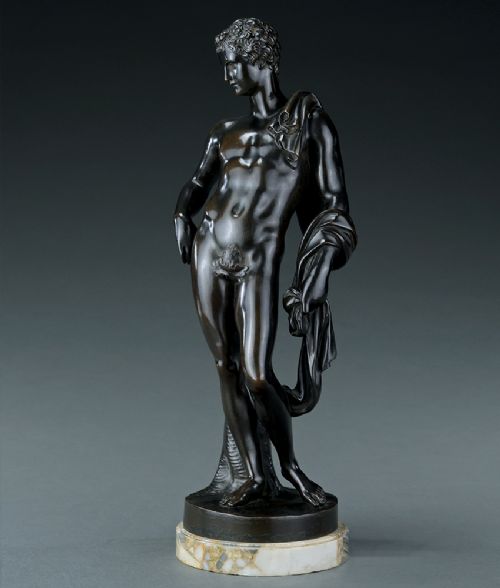
Buyers encountering this selection regularly find pieces originating from nineteenth-century European workshops, often created as souvenirs for travellers undertaking the Grand Tour. These portable artworks replicate famous antiquities found in Italian galleries and excavations, rendering subjects such as dancing fauns, reclining lions, and classical deities in miniature.
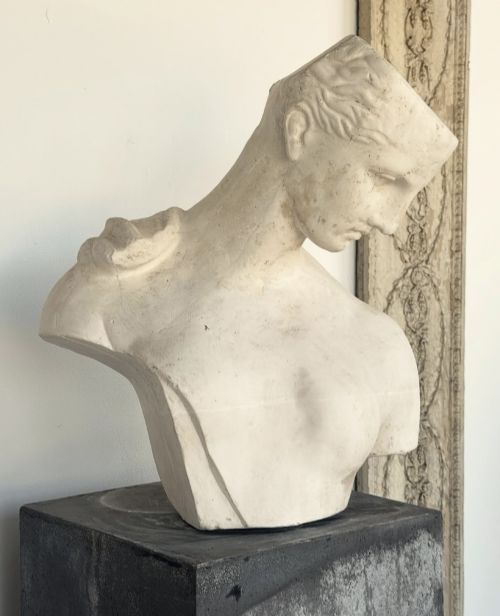
Beyond small bronzes, the selection encompasses substantial carved marble busts and figural groups produced by Italian and French ateliers during the Victorian era. Subjects range from mythological muses and Roman soldiers to civic portraits, reflecting a period deeply engaged with classical ideals and academic sculpture.
Materials and Technique
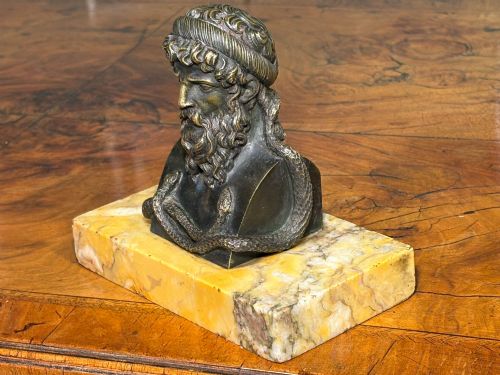
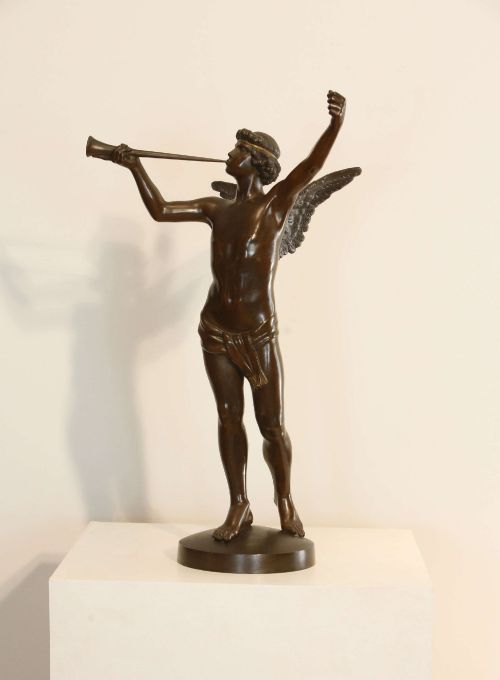
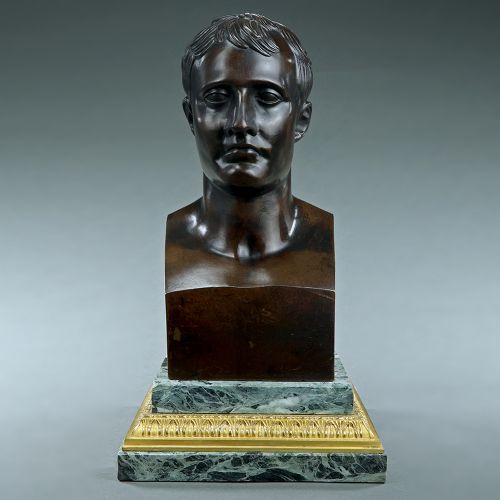
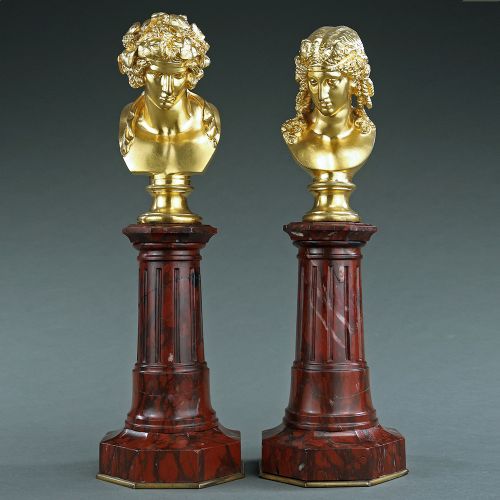
Makers utilised traditional casting methods to produce patinated and gilt bronze figures, frequently mounting finished metalwork onto heavy stone plinths made of marble or serpentine. Ormolu highlights and detailed chiselling were often applied to enhance the texture of drapery and hair on French cabinet bronzes.
Carved marble works rely on fine-grained stones such as Carrara marble, shaped through meticulous hand-chafing and polishing to capture the softness of skin and fabric. Workshops also incorporated multi-coloured marbles, including Siena and verdo prato, for bases and architectural elements.
Neoclassical Statue Retail Price Guide 2026
Typical asking prices for neoclassical statue among the pieces listed under this phrase on Sellingantiques today, from the lower quarter to the upper quarter. They describe what is for sale here now, not the wider market.
Represented subjects include ancient deities, mythological muses, and Roman historical figures.
Craftsmanship and Execution
The choice of supporting materials significantly influences the character of a piece, with select works utilising custom-turned coloured marble bases rather than plain supports. Signature marks from established founders or named sculptors further distinguish workshop production.
Antonio Canova·Etienne-Henri Dumaige·Ferdinand Barbedienne·Carlo Albacini·Émile Louis Picault
The Neoclassical Statue Glossary
- Grand Tour
- A traditional trip through Europe undertaken by upper-class young men to absorb classical art and culture. Pieces acquired during these travels typically include miniature bronzes and marble carvings.
- Carrara Marble
- A type of white or blue-grey marble quarried in the city of Carrara in Tuscany, widely used for classical sculpture and architectural monuments.
- Patinated Bronze
- Metalwork treated with chemical solutions to produce a specific surface colouration, ranging from deep brown to greenish tones. This finish protects the metal and highlights sculptural contours.
- Ormolu
- Gilded bronze ornamentation applied to furniture, clocks, and sculptures. The technique involves fusing a mixture of gold and mercury onto a copper or bronze base.
- Serpentine
- A group of green silicate minerals often used as a decorative stone for sculpture bases and ornaments. It takes a smooth polish that resembles snakeskin markings.
Neoclassical Statue: Frequently Asked Questions
What is a Grand Tour bronze?
A Grand Tour bronze is a nineteenth-century miniature reproduction of a famous classical sculpture, purchased by travellers visiting Italy.
These pieces served as educated mummified souvenirs of classical antiquity for home display.
How do you clean marble sculptures?
Marble sculptures require gentle dusting with a soft, dry brush to prevent dirt accumulation in carved crevices.
Water and chemical cleaners should generally be avoided to protect the porous stone surface.
Where were these statues displayed?
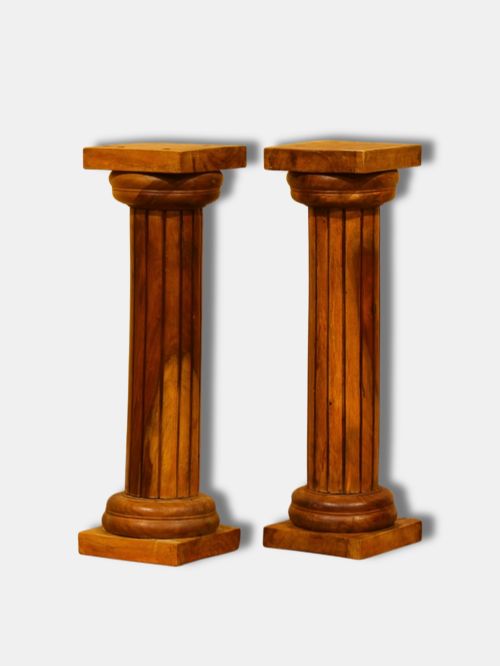
Nineteenth-century collectors typically placed these sculptures on library tables, desks, and dedicated display columns.
They formed part of an intellectual interior scheme celebrating classical history and literature.
How can you tell marble types apart?
Carrara marble presents a consistent white or pale grey crystalline structure, whereas stones like Siena or verdo prato display distinct yellow and green colour variations.
Inspectors look at the veining and mineral inclusions within the base material.