
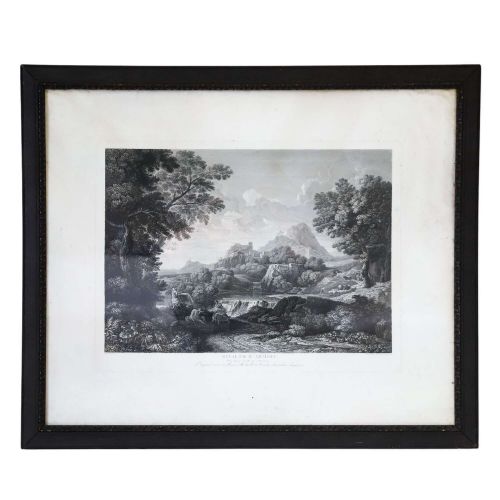


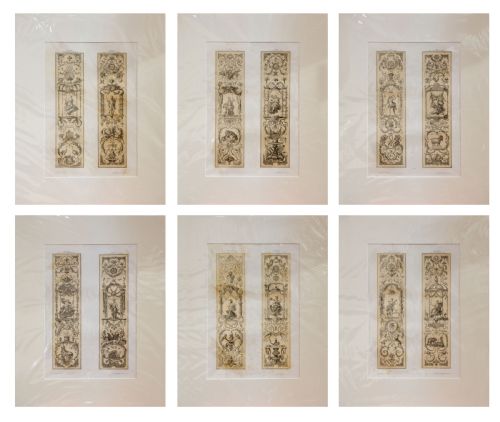


Neoclassical Paper Engraving
A neoclassical paper engraving brings classical antiquity and architectural majesty directly to the wall through fine ink lines on aged paper.
Neoclassical Paper Engraving
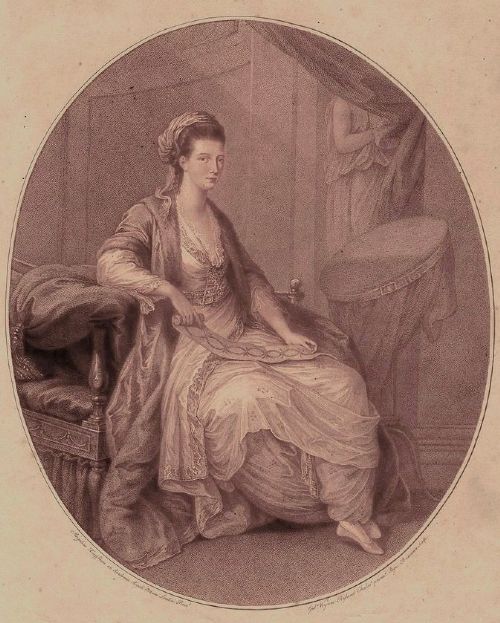
A neoclassical paper engraving captures the classical ideals of antiquity, drawing heavily on Greek and Roman mythology, sculpture, and architecture. These works range from intimate portraits and allegorical scenes to large architectural plates documenting ancient monuments like the temples of Athens and the Vatican loggie.
Buyers will most frequently encounter eighteenth-century plates produced during the height of the Grand Tour era. These architectural prints and fine art pieces often survive in their original frames, preserving the historical context of their creation.
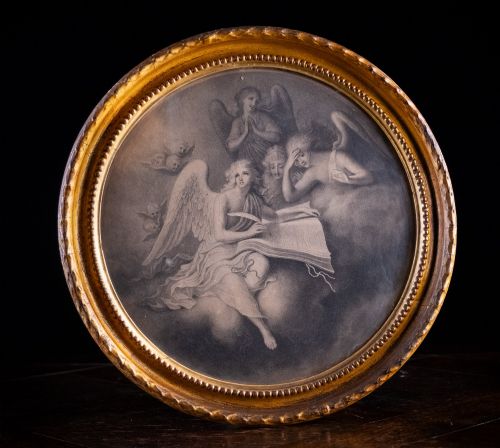
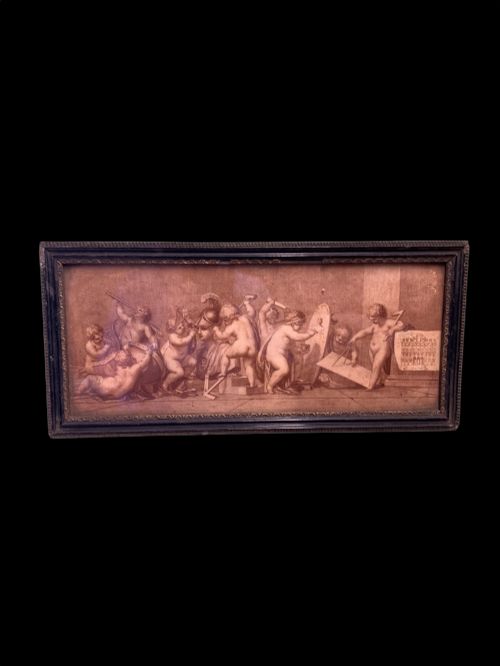
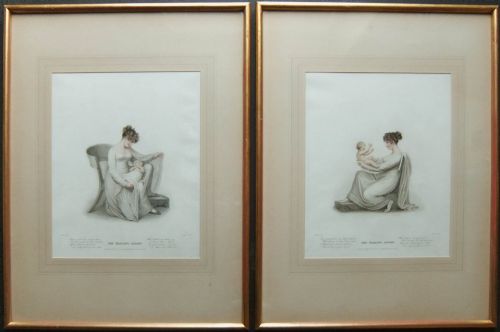
The selections span structured sets depicting classical months, architectural elevations, and dramatic mythological narratives such as cupids and weeping angels. Each piece reflects the eighteenth and early nineteenth-century obsession with classical revival design.
Materials and execution
These works rely fundamentally on paper and dark ink, occasionally enhanced with watercolour washes applied by hand. The printing process transfers detailed etched or engraved lines from a prepared metal plate onto the paper sheet.
Framing materials play a significant part in the presentation of these prints, with period pieces frequently housed behind glass within wood, gold leaf, or giltwood frames that complement the classical subject matter.
Several plates capture the wind gods of the Athenian Tower of the Winds, blowing steady classical gales across the centuries.
Distinctions in quality
Quality rests heavily on the sharpness of the plate impression and the precision of the engraver's line work. Early strikes from a copper or metal plate yield crisp architectural details and subtle tonal gradations, whereas later impressions can appear muddy or tired.
The pedigree of the publisher, designer, and engraver elevates a piece significantly. Plates executed by accomplished printmakers after master architects and painters command greater attention than anonymous reproductions.
Simon François Ravenet·Pierre Buillon·Henri Chatillon·Francesco Piranesi·James Basire·Edward Rooker·Giovanni Ottaviani·Adam Buck
The Neoclassical Paper Engraving Glossary
- Engraving
- A printmaking technique where an artist carves lines directly into a metal plate using a sharp tool called a burin. The resulting incisions hold the ink for transfer onto paper under pressure.
- Grand Tour
- A traditional educational trip through Europe undertaken by upper-class young men during the eighteenth and nineteenth centuries. Travellers frequently collected architectural prints and antiquities as souvenirs.
- Giltwood
- Wood that has been treated with a thin layer of gold leaf or gold paint. This finish is typical of traditional frames housing classical prints.
- Lithograph
- A planographic printmaking method based on the repulsion of oil and water. It produces smooth tonal areas distinct from the linear precision of engraved copper plates.
Neoclassical Paper Engraving: Frequently Asked Questions
How should I hang neoclassical paper engravings?
Protect these works from direct sunlight to prevent the ink and paper from fading over time. Maintain stable indoor humidity levels to preserve the integrity of both the paper and any original giltwood framing.
Group architectural prints together in symmetrical arrangements to mimic the scholarly display methods of the eighteenth century. Ensure each piece hangs securely behind glass using appropriate picture wire and wall fixings.
What subjects appear on these plates?
The imagery draws heavily from classical mythology, featuring deities, satyrs, cupids, and allegorical figures. Architectural elevations of ancient temples and Roman ruins also form a major part of the subject matter.
Many plates record specific archaeological excavations and Renaissance frescoes, such as those found in the Vatican loggie. Portraiture of historical figures and classical literary scenes complete the typical repertoire.
Are these prints original eighteenth century works?
The majority originate from the eighteenth century, aligned with the surge in classical archaeology and Grand Tour travel. Datings rely on publisher inscriptions, paper analysis, and historical plate records.
Later nineteenth-century and early twentieth-century printings also exist, capturing revivals of classical taste. Checking the sharpness of the ink lines helps determine the era of the actual printing strike.
Why do some prints feature architectural details?
Artists accompanied archaeological expeditions to document newly rediscovered Greek and Roman ruins across Europe. These detailed plates served to educate scholars and decorate neoclassical interiors with accurate classical forms.
Publishers compiled these architectural drawings into large folios, which were later separated into individual sheets for framing. This creates the architectural prints commonly found on the market today.