
Neoclassical Marble Pedestals
Neoclassical marble pedestals bring classical architectural dignity to interior spaces, serving as robust structural supports for sculptural displays.
Neoclassical Marble Pedestals
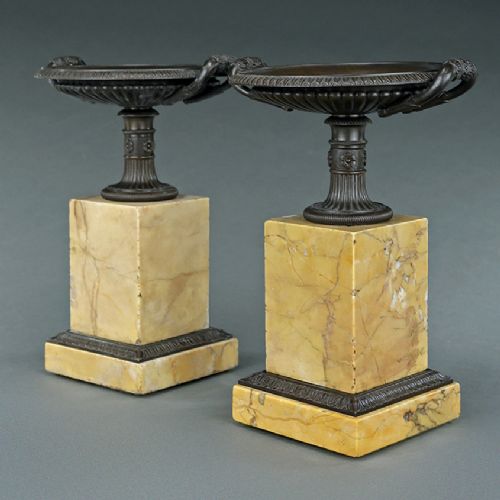
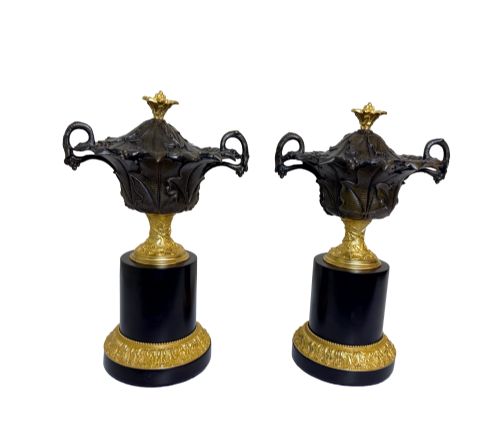
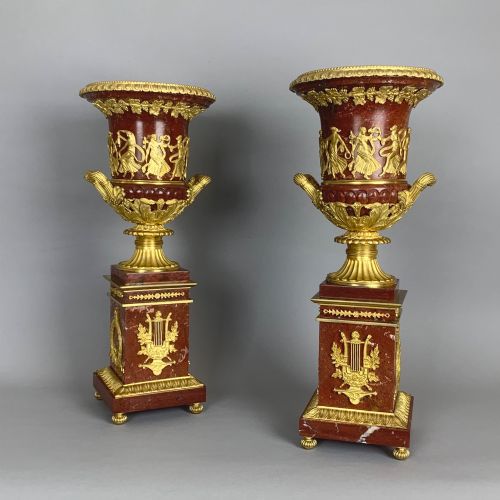
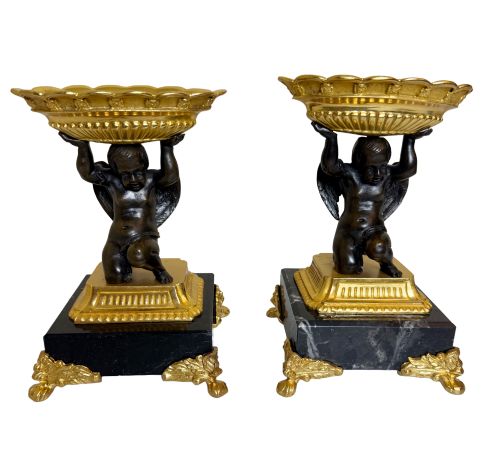
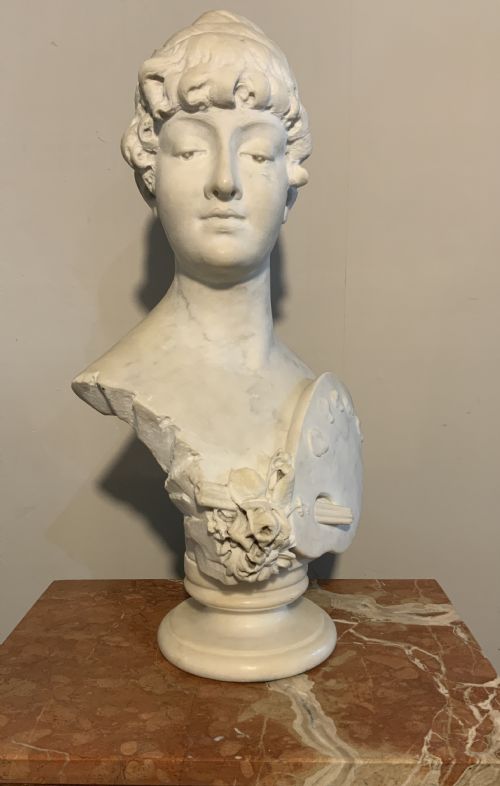
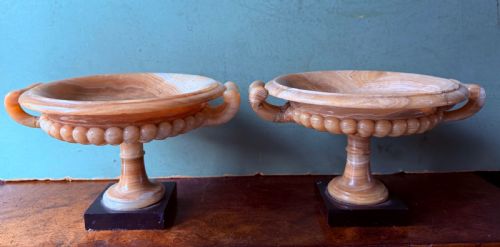
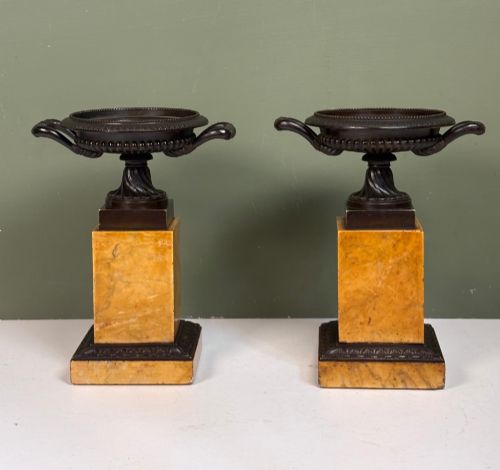
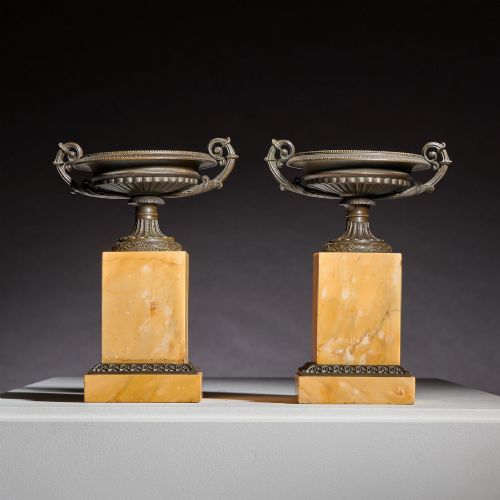
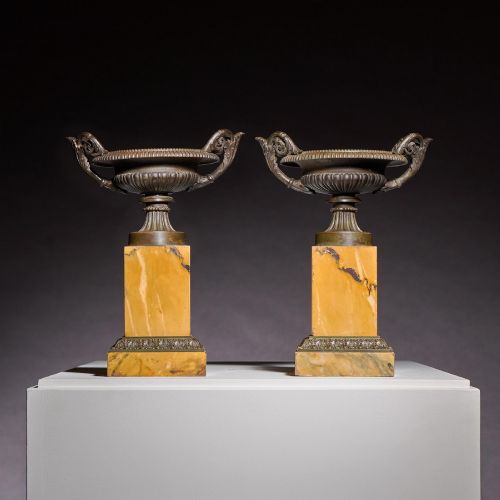
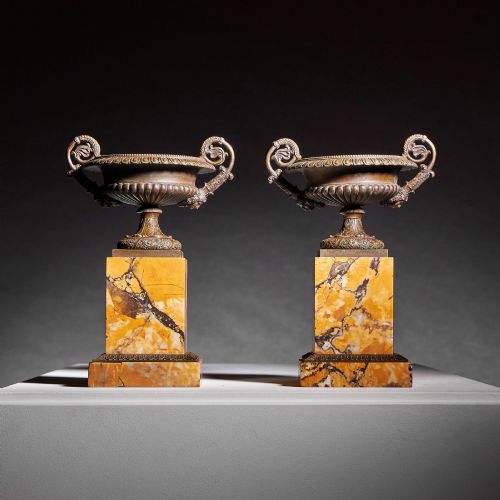
Neoclassical marble pedestals comprise monumental stone columns and display stands rooted in classical antiquity, often appearing alongside related forms such as tazzas, urns, and busts. The examples encountered on this page span the nineteenth and early twentieth centuries, reflecting enduring revivalist tastes.
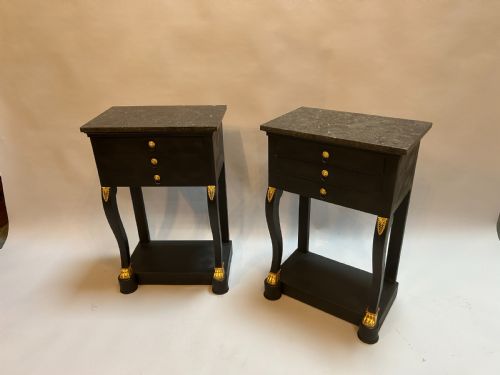
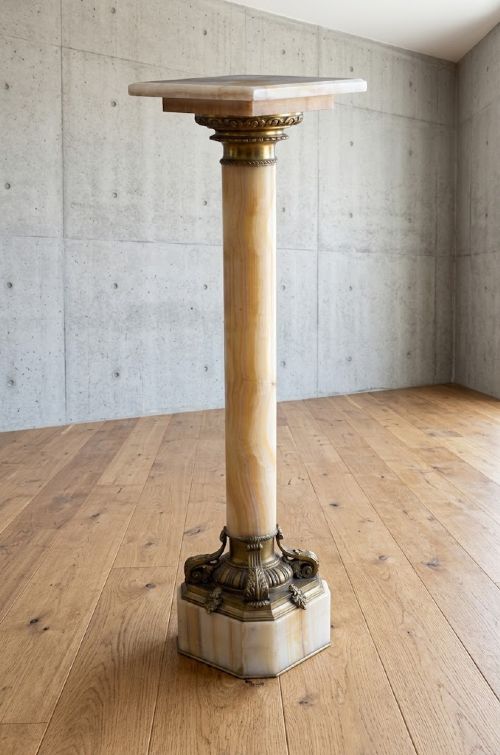
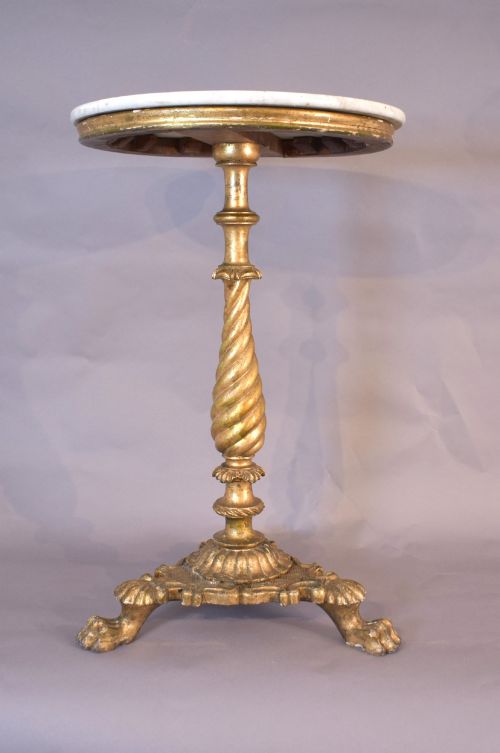
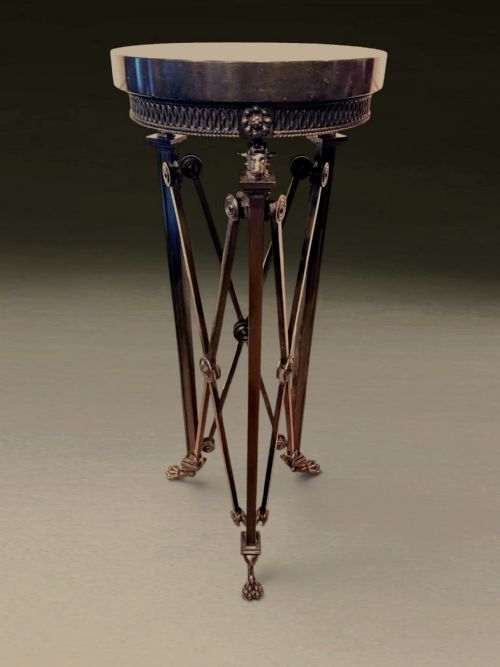
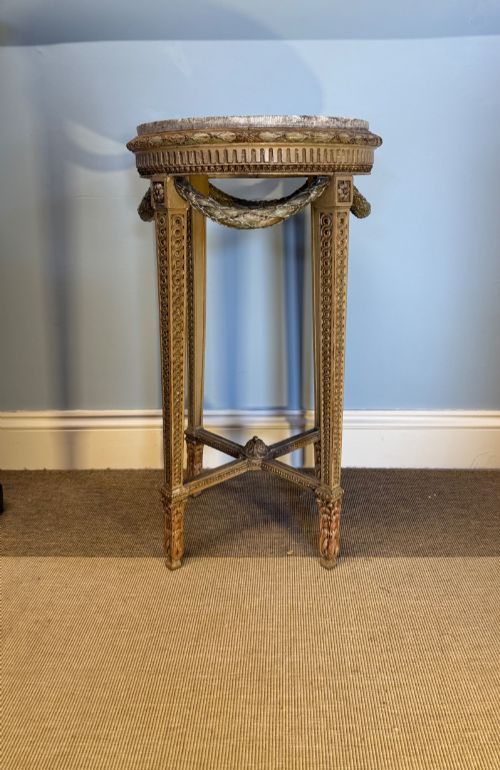
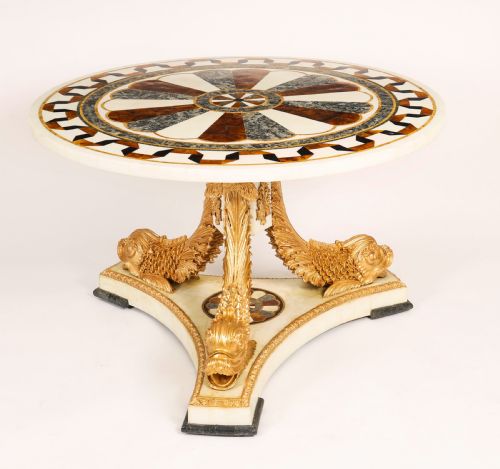
While many pieces adopt formal column shapes with bronze or ormolu collars, others manifest as side tables, gueridons, and dedicated statuary pedestals. These items demonstrate the period fascination with classical architecture adapted for domestic interiors.
Materials and construction techniques
The construction relies on the pairing of dense natural stones, principally varied marbles and onyx, with cast metal mounts in bronze, ormolu, and brass. Masons turned and carved the stone columns and bases, sometimes incorporating scagliola or faux marble painted surfaces for decorative effect.
Metal components such as gilt bronze collars, mounts, and figural torcheres were cast and chased separately before being fitted to the stone structures. Mahogany, giltwood, and satinwood occasionally appear in supporting framework and related furniture forms on the page.
Several columns proudly stand at seven feet tall, ensuring your indoor houseplants can finally look down on the rest of the room.
Distinguishing quality in stone and metalwork
Quality rests in the selection and figuration of the marble, with deeply figured stones like Rosso Antico or Siena demanding greater skill in selection and turning than standard uniform varieties. The crispness of the carving on capitals, paw feet, and applied mounts separates standard production from exceptional examples.
The integration between the stone column and its metal mounts indicates the standard of workshop execution, where tight fits and substantial bronze or ormolu weight signal superior craft. Proportion and balance in the turning dictate whether a pedestal holds its architectural presence effectively.
Benedetto Boschetti·Jean Antoine Houdon·F. De Luca·Thomas Hope
The Neoclassical Marble Pedestals Glossary
- Ormolu
- Gilded bronze mounts applied to furniture and decorative objects. This technique was widely utilised by French makers during the nineteenth century to highlight architectural details.
- Carrara marble
- A type of white or blue-grey marble quarried in the city of Carrara in Tuscany. It is prized for its fine grain and consistent use in classical sculpture and architectural columns.
- Grand Tour
- A traditional trip of Europe undertaken by upper-class European young men of sufficient means. Souvenirs from these travels included miniature bronzes, alabaster lamps, and marble tazzas.
- Vert De Patricia
- A rich green marble variety seen in nineteenth-century decorative columns. Its distinct coloration mimics ancient ornamental stones favoured in classical architecture.
Neoclassical Marble Pedestals: Frequently Asked Questions
What periods do these pedestals date from?
The listings span the nineteenth and early twentieth centuries, capturing periods like the French Empire, Victorian era, and the Italian Grand Tour. Makers during these times revived ancient architectural vocabulary for contemporary homes.
Most items reflect revivals of classical design rather than original antiquity, though they often incorporate genuine stones like Carrara and Siena marble.
How were marble pedestals originally used?
These pieces functioned primarily as sturdy display columns for sculptures, bronzes, clocks, and decorative urns within grand domestic interiors. Their solid stone construction provided stable elevation for heavy works of art.
Beyond simple display, they served as distinct architectural statements, echoing the colonnades of classical antiquity in private drawing rooms and libraries.
What is the difference between marble and scagliola?
Marble is a natural metamorphic rock formed from limestone, prized for its genuine crystalline structure and natural veining patterns. Examples include Carrara, Bardiglio, and Rosso Antico.
Scagliola is a composite material made from pigmented gypsum, glue, and splinters of stone, painted and polished to imitate true marble surfaces with high precision.
How do I care for antique marble and bronze?
Antique stone surfaces require dusting with a soft, dry cloth and immediate blotting of any liquid spills to prevent staining. Avoid acidic cleaners that etch marble and damage the polished finish.
Metal mounts in bronze and ormolu should be left unpolished to preserve their historic patination, gently cleaned only with a dry brush to remove accumulated dust.