




Neoclassical Mahogany Cabinet
A neoclassical mahogany cabinet brings architectural restraint and rich timber into a room, uniting classical proportion with fine cabinet-making.
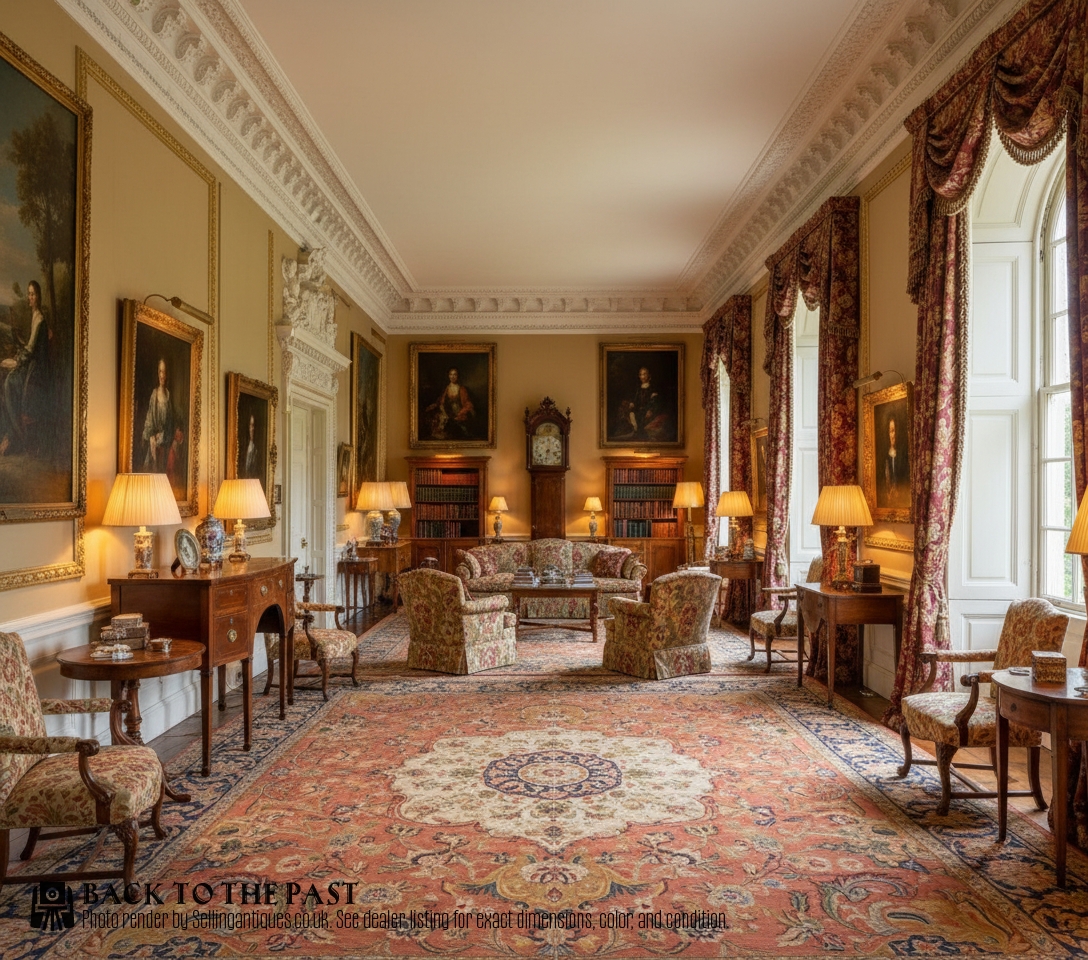
Neoclassical Mahogany Cabinet
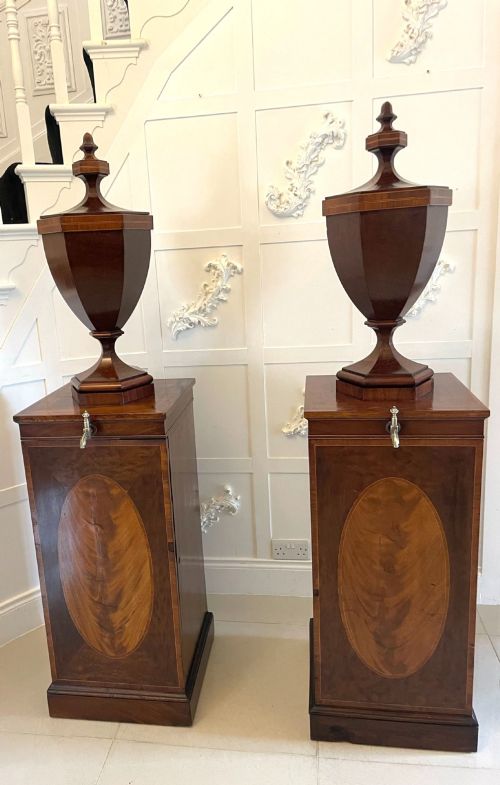
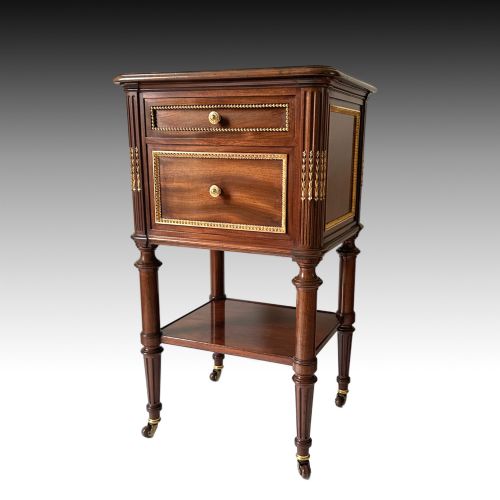
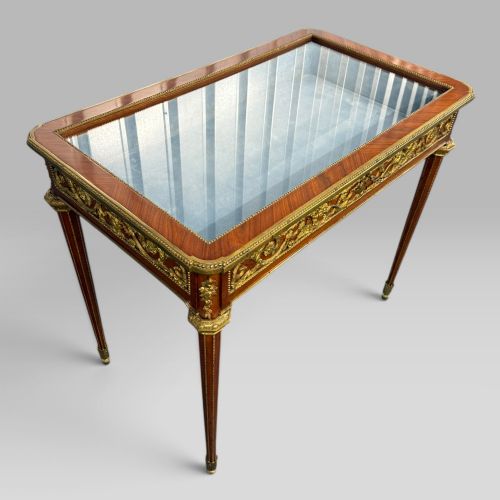
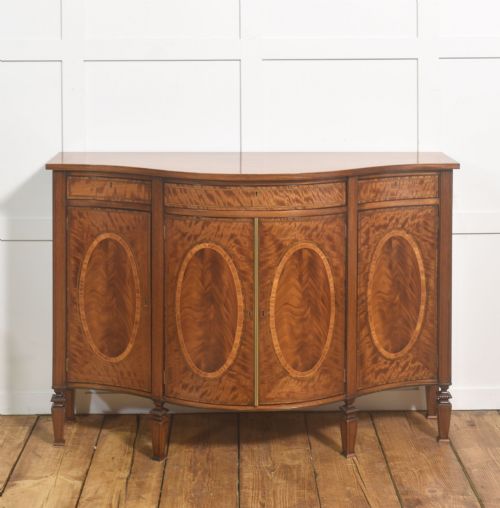
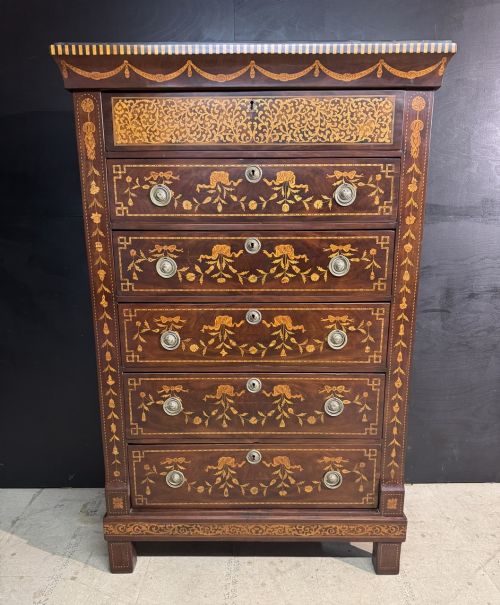
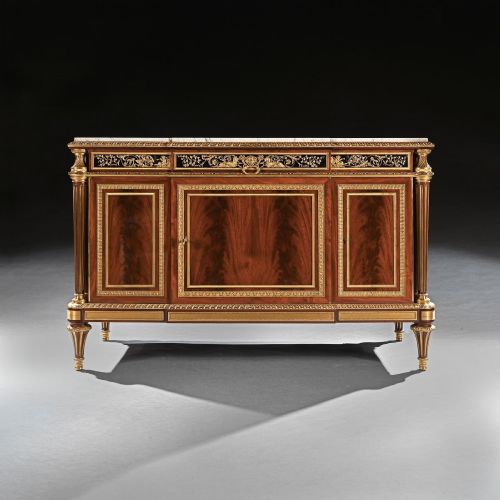
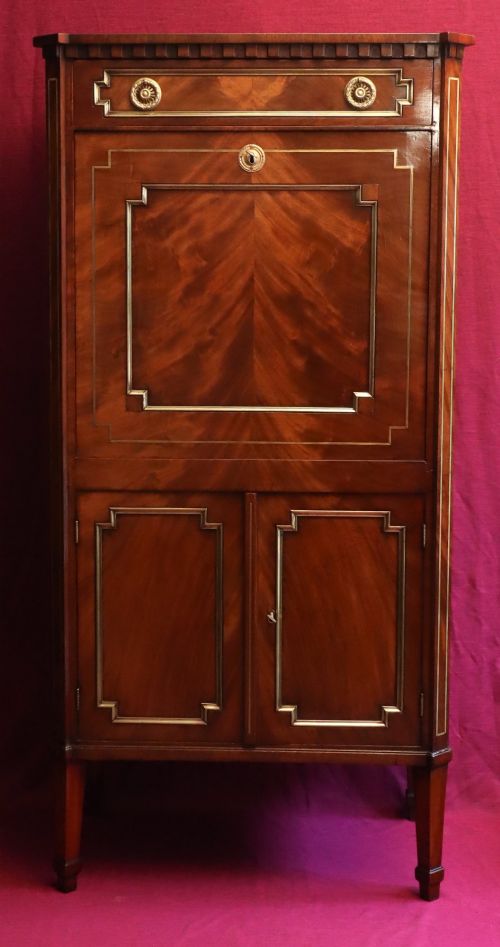
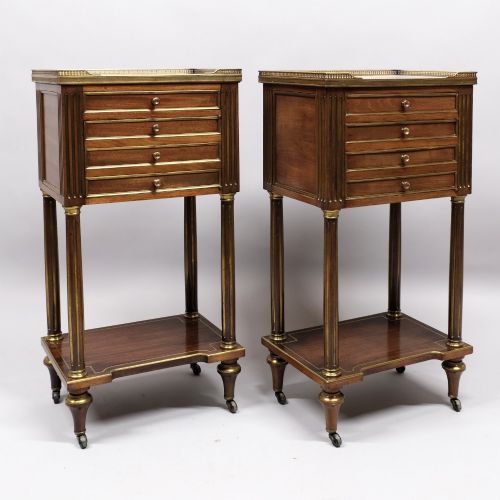
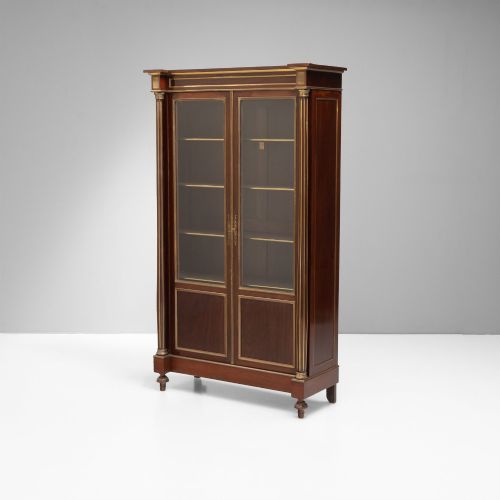
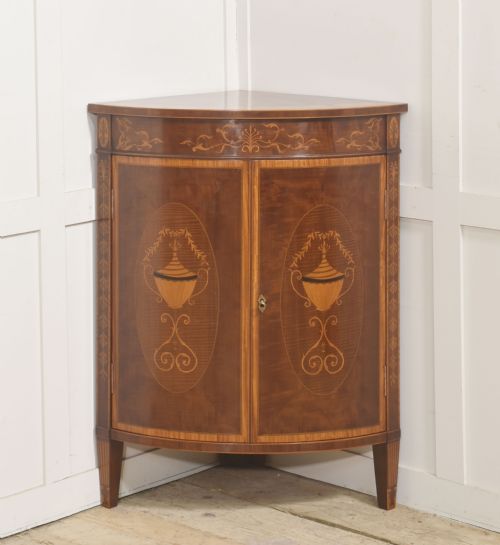
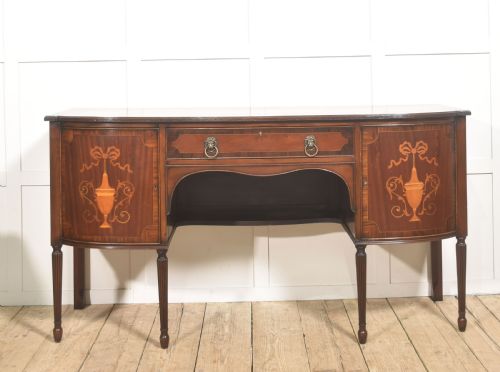
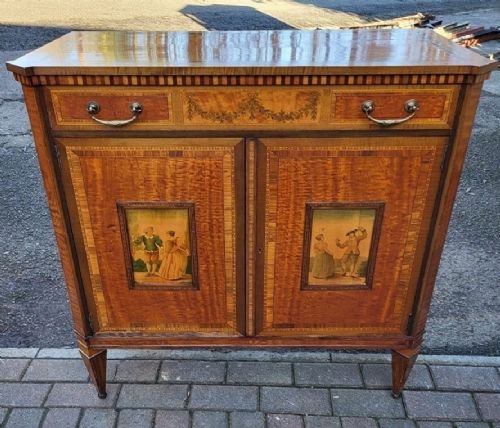
When you search for a neoclassical mahogany cabinet, you enter a field defined by structural symmetry, restrained ornamentation, and the deep, warm tones of solid mahogany. The pieces appearing in this selection range from compact bedside cabinets and corner cupboards to expansive display vitrines and sideboards.
Most examples hail from the nineteenth and early twentieth centuries, drawing heavily upon George III, Sheraton Revival, Louis XVI, and French Empire idioms. You will frequently encounter display cabinets with glazed doors, inlaid satinwood details, and refined brass or ormolu mounts that echo ancient architectural forms.
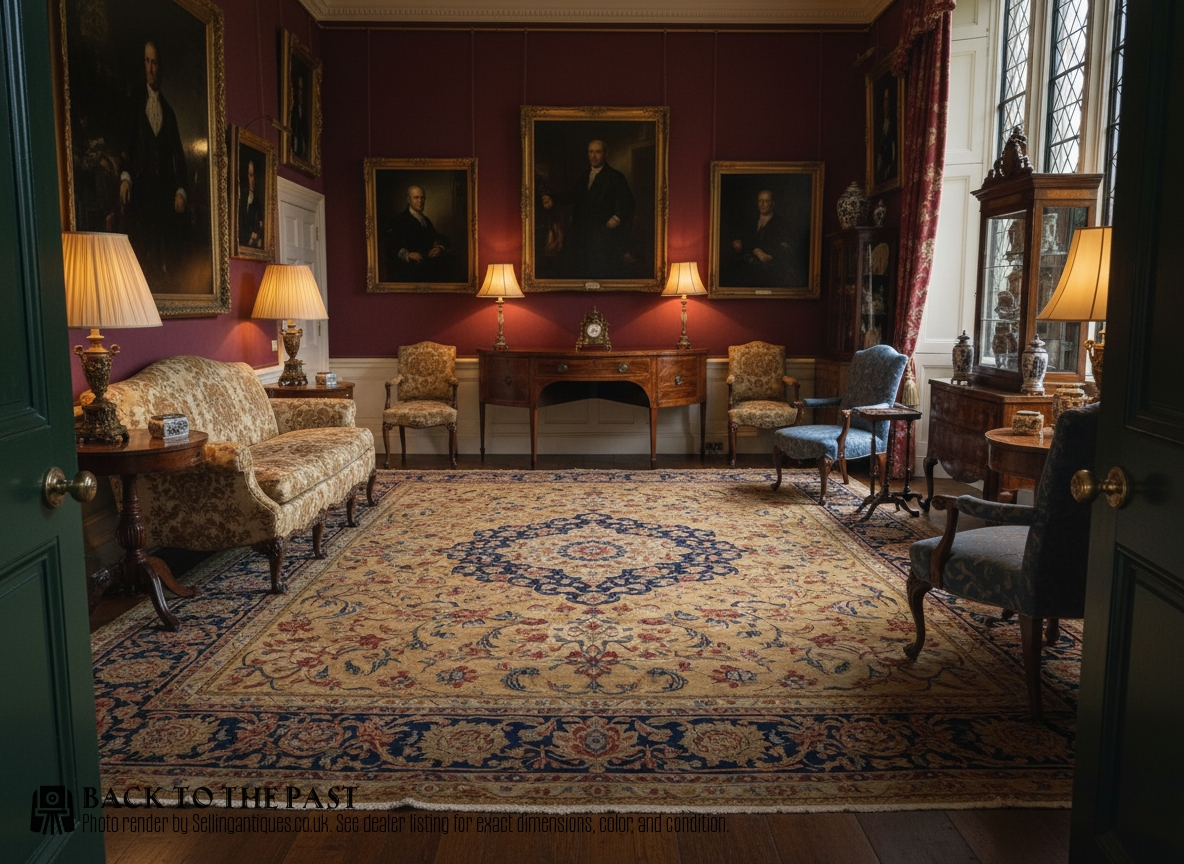
How They Were Made
Cabinet-makers relied upon solid mahogany and choice veneers, often enhanced by contrasting boxwood and satinwood inlay to create delicate geometric or floral patterns. Structural integrity was achieved through precise joinery, while decorative impact frequently depended on fire-gilded ormolu mounts and brass gallery details.
Surface finishing involved meticulous hand-polishing to bring out the natural grain of the timber, sometimes paired with marble tops or painted panels. Ormolu mounts were cast and chased by hand, then secured meticulously to the mahogany carcase to frame doors and corners.
Neoclassical Mahogany Cabinet Retail Price Guide 2026
Typical asking prices for neoclassical mahogany cabinet among the pieces listed under this phrase on Sellingantiques today, from the lower quarter to the upper quarter. They describe what is for sale here now, not the wider market.
Materials recur across multiple forms, combining solid mahogany with marble tops, glass panels, and intricate satinwood inlay.
What Varies in Quality
The distinction between ordinary and exceptional pieces rests upon the precision of the cabinet-work and the fidelity of the classical detailing. Superior examples exhibit seamless marquetry inlay, perfectly fitted doors, and crisp, heavy ormolu mounts rather than light, stamped metal.
Timber selection also dictates value, with well-figured mahogany grain and carefully chosen contrasting satinwood creating depth across the facade. Furthermore, attribution to known makers or workshops elevates the standing of a piece within this tradition.
François Linke·Henry Dasson·Jewell of Holborn·Maple and Co·Paul Sormani·Waring and Gillow·Edwards and Roberts
The Neoclassical Mahogany Cabinet Glossary
- Ormolu
- Gilded bronze used for decorative mounts and feet on neoclassical furniture. It provides a bright golden contrast against dark mahogany surfaces.
- Marquetry
- The art of applying decorative pieces of veneer to a structure to form intricate patterns and pictures. It often incorporates satinwood and boxwood on these cabinets.
- Vitrine
- A glass-fronted display cabinet designed for the showcase of porcelain and curiosities. These pieces often feature glazed side panels to maximise light.
- Satinwood
- A durable, lustrous timber with a golden-yellow sheen used extensively for contrasting inlay work. It highlights borders and central medallions on cabinet doors.
Neoclassical Mahogany Cabinet: Frequently Asked Questions
How do I style a neoclassical mahogany cabinet?
Position the piece against a neutral wall to let the architectural lines and rich mahogany grain command attention without visual competition. Keep the surface styling restrained with a single bronze object or a pair of candlesticks.
Inside a glass-fronted vitrine, curate your collection with generous spacing between items to maintain the airy, classical balance intended by the maker.
Where were these cabinets placed historically?
These cabinets served multiple domestic functions depending on their specific form, moving easily between drawing rooms, dining spaces, and private bedchambers. Sideboards and serving tables anchored dining rooms, while glazed vitrines and corner cabinets displayed porcelain in formal reception spaces.
Smaller bedside cabinets and commodes added refined utility to private apartments, holding personal items and books close at hand.
How do I tell Sheraton Revival from George III?
George III pieces date from the eighteenth century and display authentic period construction techniques, heavier proportions, and hand-cut joinery. They represent the original neoclassical movement as it unfolded in British furniture design.
Sheraton Revival pieces emerge later, largely during the late nineteenth and early twentieth centuries, reinterpreting those earlier designs with lighter framing and often more elaborate satinwood marquetry.
How should I care for antique mahogany wood?
Protect the timber by keeping the cabinet away from direct sunlight and strong heat sources, which can dry out the French polish and warp the structure. Dust regularly with a soft, dry cloth rather than using silicone sprays.
Apply a microcrystalline wax sparingly once or twice a year to nourish the finish and maintain the natural lustre of the mahogany surface.