


Neoclassical Framed Art
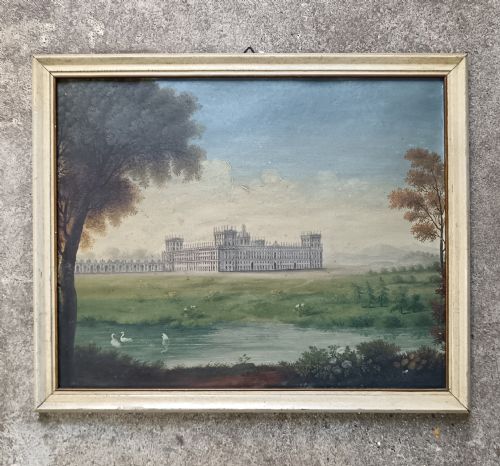
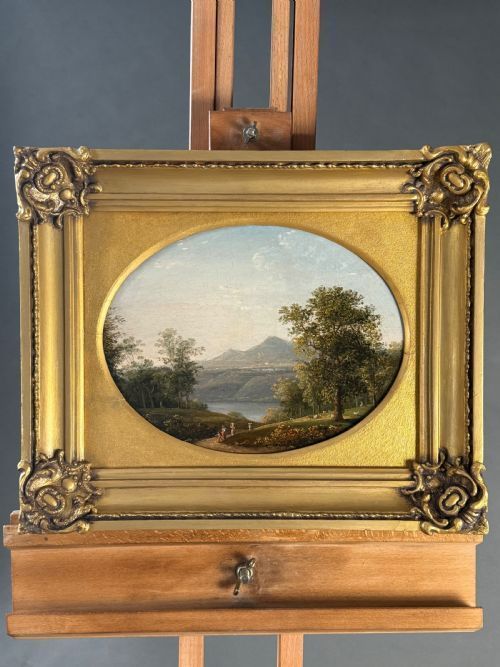
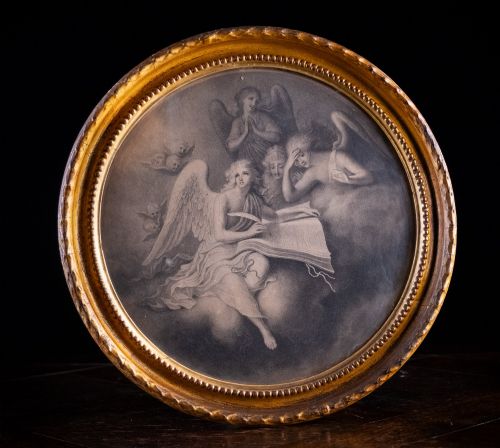
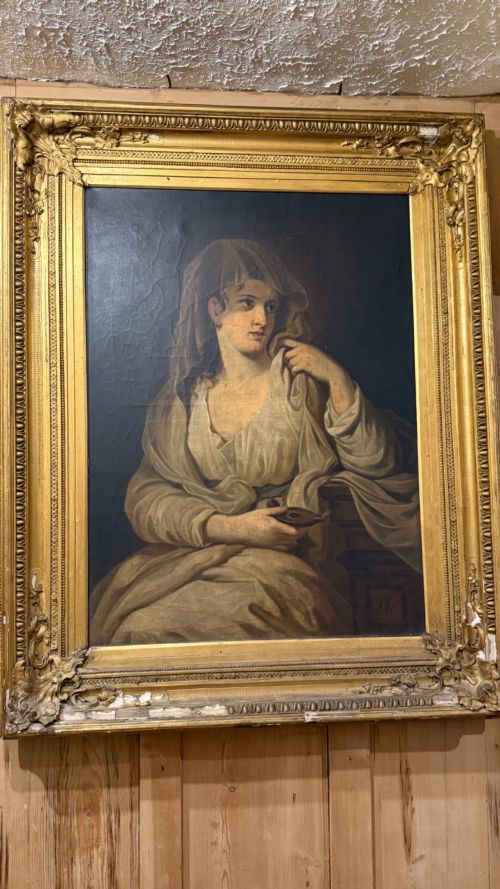
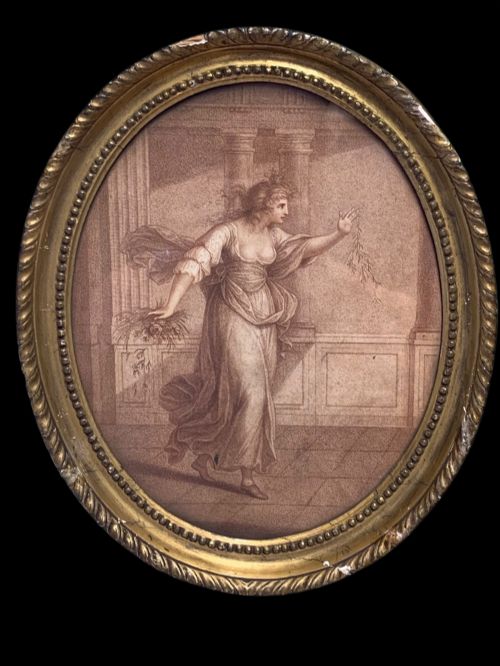
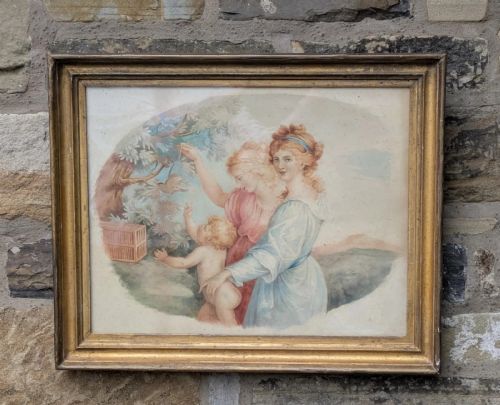
These pieces of neoclassical framed art capture classical antiquity through oils, watercolours, and plaster intaglios preserved behind glass in period wood and giltwood frames.
Neoclassical Framed Art
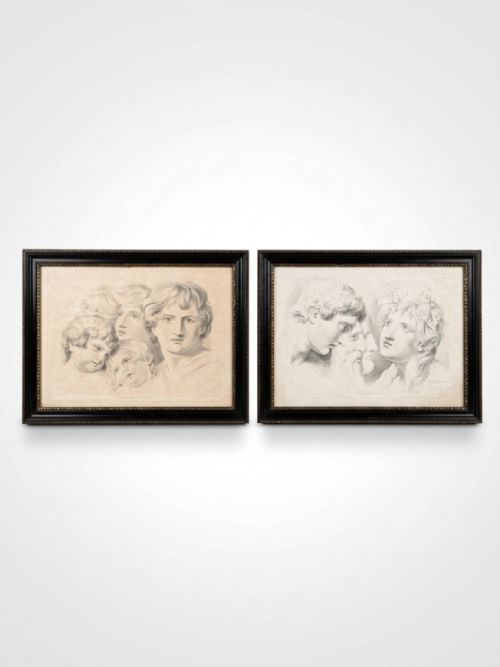
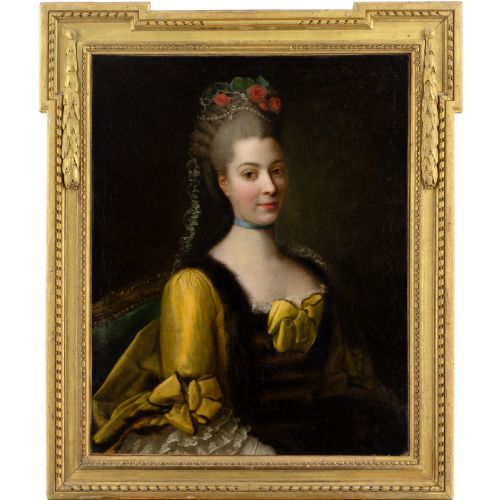
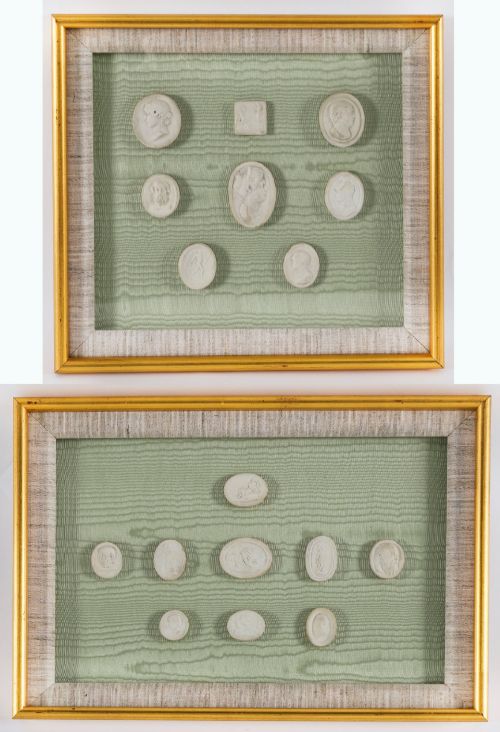
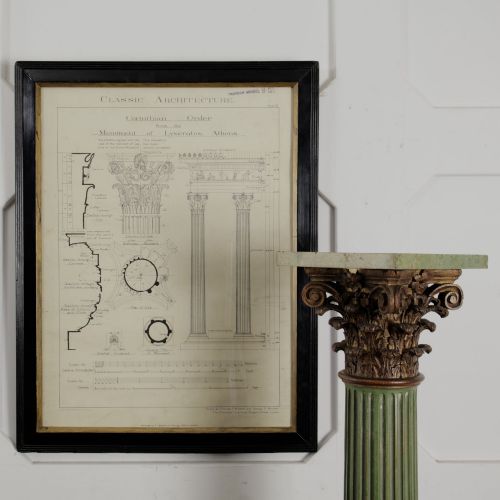
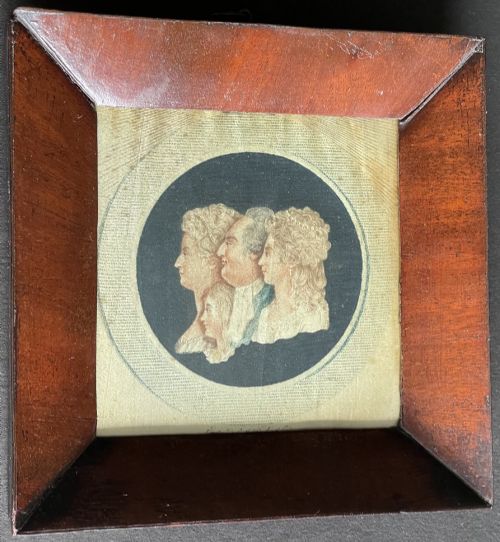
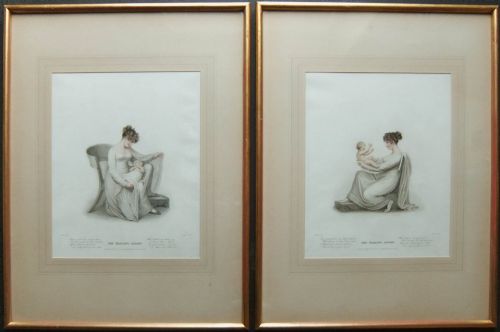
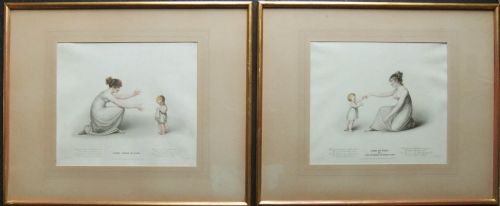
Neoclassical framed art encompasses wall art, framed prints, oil paintings, and watercolour paintings originating primarily from the eighteenth and nineteenth centuries. Buyers encounter French School portraits, architectural plates, and Grand Tour collections featuring plaster and gypsum intaglios.
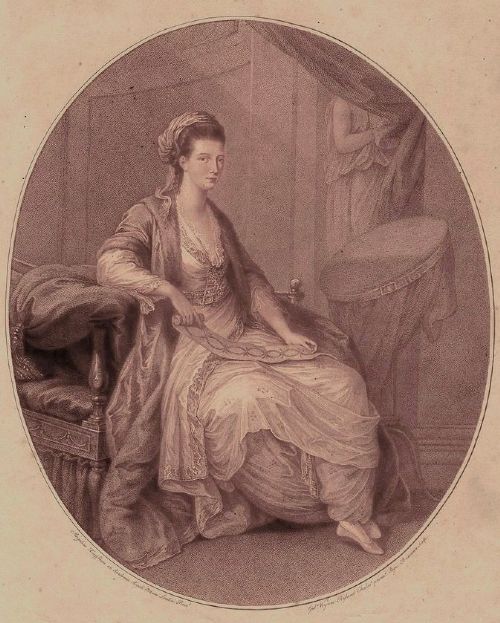
The selections range from individual portrait engravings and gouache flower still lifes to sets of classical cameo intaglios and decorative painted panels. These works span periods from the Georgian era through the Edwardian years and into the mid-twentieth century.
Materials and Techniques
Makers utilised paper, ink, and glass alongside wood and giltwood to house oil paintings, watercolours, and stipple engravings. Plaster and gypsum were cast to form classical intaglio collections, while gold leaf embellished the surrounding frames.
Artists applied oil and gouache onto canvas and paper to produce portraits and mythological scenes, whilst printmakers created detailed architectural plates and silk prints recording historical figures.
Neoclassical Framed Art Retail Price Guide 2026
Typical asking prices for neoclassical framed art among the pieces listed under this phrase on Sellingantiques today, from the lower quarter to the upper quarter. They describe what is for sale here now, not the wider market.
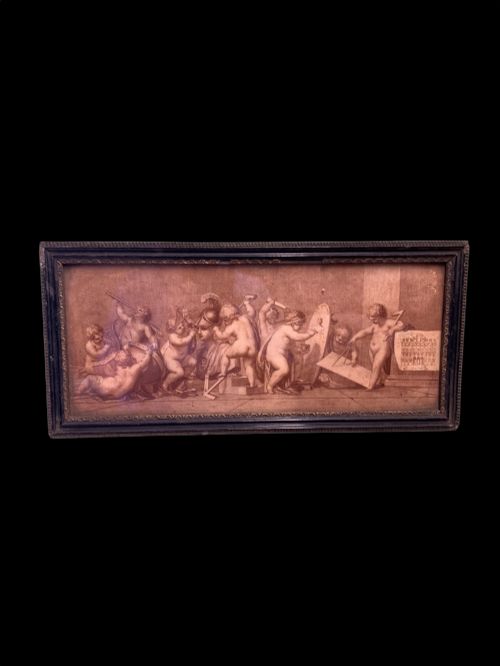
Cupids, weeping angels, and dancing fauns make frequent appearances, keeping classical romance alive on the wall.
Quality and Execution
The distinction lies in the precision of the hand-carved or gilded frames and the finesse of the brushwork in oil paintings and watercolours. Finely modelled plaster intaglios mounted in structured sets demonstrate greater artistry than standard production pieces.
Original frames matching the period of the artwork and the depth of detail in engravings and architectural prints separate standard examples from finer collector items.
Jacob Philipp Hackert·Adam Buck·Le Brun·Giovanni Liberotti·Pierre-Paul Prud'hon·John Flaxman·Simon François Ravenet
The Neoclassical Framed Art Glossary
- Intaglio
- A gem or gemstone carved in incasso so that the design impresses into the material. These appear frequently in Grand Tour framed collections.
- Gouache
- An opaque watercolour paint consisting of pigment mixed with a water-binding agent. It yields solid, matte colour fields on paper.
- Stipple engraving
- A printmaking method where artists build images using dots rather than continuous lines. This technique renders soft tonal gradations in portraits.
- Giltwood
- Wood that has been coated with a thin layer of gold leaf or gold paint. It forms the decorative borders of many period frames.
- Grand Tour
- A cultural journey undertaken by wealthy young Europeans to study classical antiquities. It resulted in the acquisition of souvenirs like plaster casts and architectural watercolours.
Neoclassical Framed Art: Frequently Asked Questions
What is a Grand Tour intaglio collection?
These assemblies comprise plaster, gypsum, or cameo casts of classical sculptures and gems gathered during European travels in the eighteenth and nineteenth centuries.
Mounted behind glass in wooden frames, they served as educational displays and scholarly souvenirs for private homes.
How do I identify an eighteenth-century engraving?
Examine the paper quality, ink saturation, and plate marks left by the printing press against the margins. Eighteenth-century examples often utilise laid paper and hand-applied stipple or line engraving techniques.
The framing and inscription style further indicate the period of production.
Are these paintings original or reproductions?
The listings include original period oil paintings, watercolours, and gouaches alongside authenticated engravings and prints from the eighteenth and nineteenth centuries.
Each piece reflects the materials and artistic standards of its specific decade of creation.
How should I hang and care for paper artworks?
Position framed paper works, watercolours, and silk prints away from direct sunlight to prevent fading of the inks and watercolours. Maintain stable room humidity to protect the paper substrate and the integrity of the antique wooden frames.
Ensure the glass remains sealed to guard against dust and atmospheric moisture.