



Framed Historical Etchings
Framed historical etchings bring centuries of portraiture and narrative into a room through ink on paper held within timber and glass.
Framed Historical Etchings
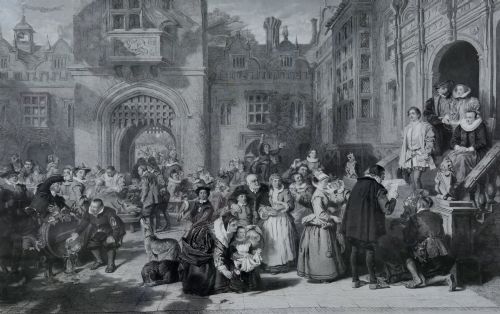
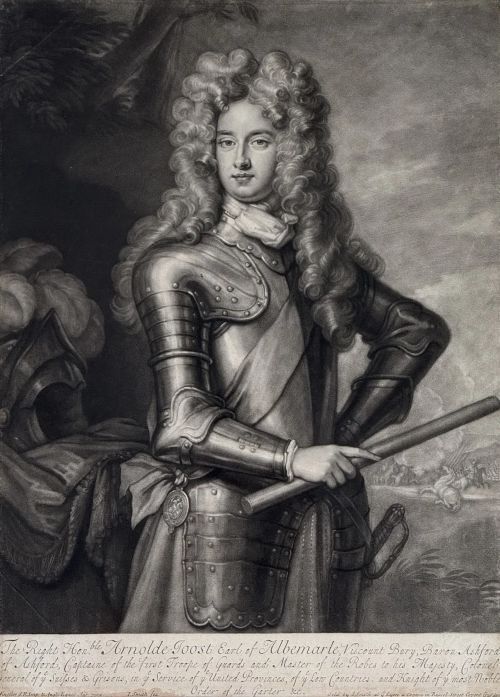
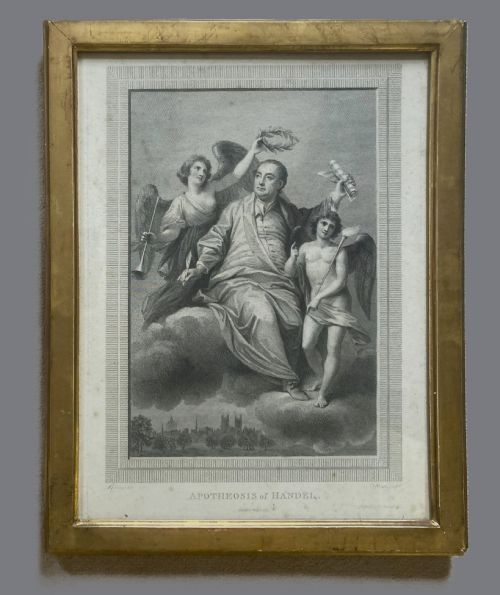
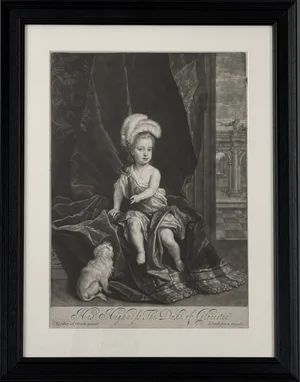
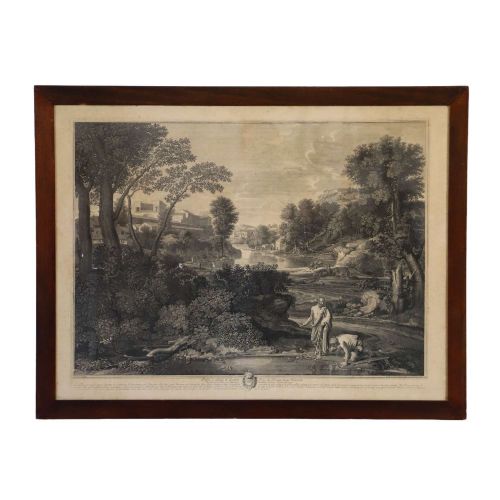
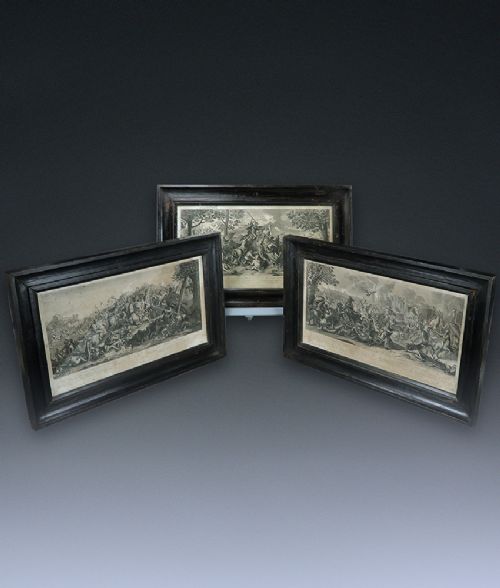
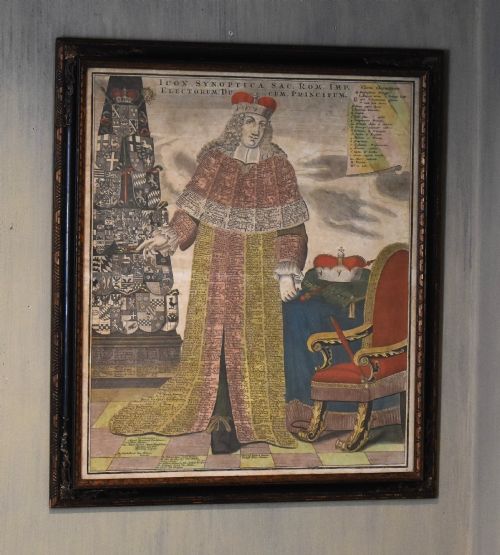
When you search for framed historical etchings, you encounter prints created across the seventeenth, eighteenth, and nineteenth centuries, often set within period surrounds like original Hogarth frames. These works capture classical mythology, royal portraits, architectural antiquities, and notable events from British and European history.
The selection ranges from large architectural plates and busy interior courtyard scenes to detailed portrait engravings and depictions of landscapes with literary or philosophical themes. Many pieces preserve the collaborative effort of an artist who drew the original composition and an engraver or etcher who transferred the design onto paper.
You most frequently meet eighteenth-century and nineteenth-century examples on this page, reflecting the periods when printmaking flourished as a primary medium for circulating historical and artistic imagery. Each piece offers a tangible link to past print culture, documented through distinct stylistic movements from Georgian neoclassical to Victorian and Baroque.
How they were made
Makers applied ink to paper using traditional printmaking techniques such as stipple engraving, mezzotint, and etching, creating fine lines and tonal gradations that define the subjects. These printed sheets were then protected under glass and housed within wooden surrounds, frequently utilising timber, giltwood, or gold leaf.
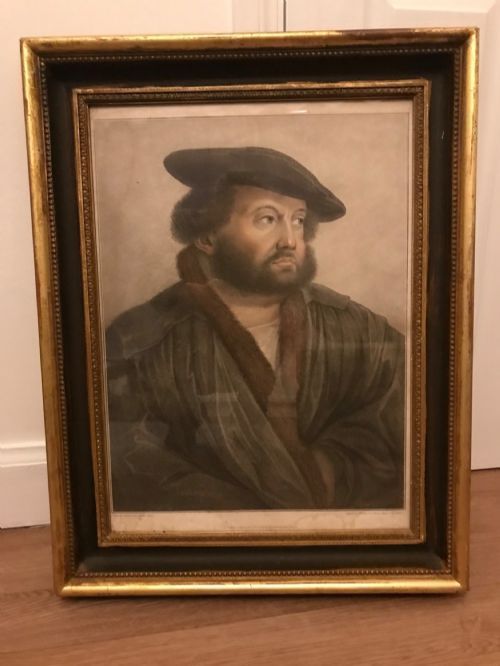
The physical presentation often relies on original frames constructed from timber, capturing the framing standards of the seventeenth through to the early twentieth centuries. Artisans combined meticulous plate work with durable mounting materials to ensure the preservation of paper works over hundreds of years.
Framed Historical Etchings Retail Price Guide 2026
Typical asking prices for framed historical etchings among the pieces listed under this phrase on Sellingantiques today, from the lower quarter to the upper quarter. They describe what is for sale here now, not the wider market.
Listings span periods from the 17th century through the Edwardian era, incorporating materials like gold leaf, ink, and timber.
What varies in quality
Quality in these works rests upon the precision of the plate technique and the clarity of the printed impression on the paper surface. Skilled execution by renowned engravers yields sharp detail in complex scenes, whereas worn plates produce softer, less distinct imagery.
The distinction between ordinary examples and superior pieces also depends on the survival of the original frame, such as authentic Hogarth or giltwood mouldings. A cohesive pairing of a well-preserved period print with its contemporary frame elevates the historical integrity of the object.
Francesco Bartolozzi·James Heath·Étienne Baudet·John Smith·Sir Godfrey Kneller·James Basire·David Wilkie·Claes Jansz Visscher
The Framed Historical Etchings Glossary
- Etching
- A printmaking process where acid bites lines into a metal plate to hold ink. This technique allows for fluid, expressive lines drawn by hand.
- Engraving
- A method of cutting a design directly into a metal plate with a sharp tool called a burin. The resulting lines are clean and precise.
- Mezzotint
- A tonal printmaking method that works from dark to light by roughening the metal plate to achieve rich shadows and subtle gradients. This process was often utilised for portraits.
- Stipple engraving
- A technique using dots of varying density to create tonal effects and flesh tones in printed portraits. It gained popularity for reproducing painterly textures.
- Hogarth frame
- A narrow, stepped wooden frame style popular in the eighteenth century, often finished with dark lacquer or gilding. These frames complement the scale of period prints.
Framed Historical Etchings: Frequently Asked Questions
How do I care for framed historical etchings?
Keep these works away from direct sunlight to prevent the ink and paper from fading over time. Stable room temperatures protect both the paper support and the original wooden frame from warping.
Ensure the glass remains clean using gentle methods that do not introduce moisture beneath the glazing. Professional framing techniques help maintain a secure environment for long-term preservation.
Are these frames original to the prints?
Many listings specify whether a piece retains its original frame, such as Hogarth mouldings or period giltwood. Original surrounds provide contextual integrity from the era of production.
Some works have been reframed later to ensure structural stability or to match specific interior aesthetics. Checking the description confirms the relationship between the print and its current housing.
What subjects are common in historical etchings?
Subjects span classical mythology, royal and political portraits, architectural antiquities, and significant military or historical events. Works after masters like Le Brun or Copley record grand artistic compositions.
Other prints document topography, such as views of the River Thames, or domestic animal portraits. Each subject reflects the cultural and historical interests of the period in which it was published.
How can I tell the period of an engraving?
The paper stock, printing technique, and stylistic markers provide clues to the era of production. Seventeenth-century mezzotints differ in ink density and plate work from nineteenth-century steel-plate engravings.
Inscribed publication lines, artist signatures, and framing styles also assist in dating the work. Comparing the typography and subject matter to established historical records confirms the timeframe.