



Neoclassical Desk Ornament
These neoclassical desk ornament pieces bring the architecture and sculpture of antiquity to the study.
Neoclassical Desk Ornament
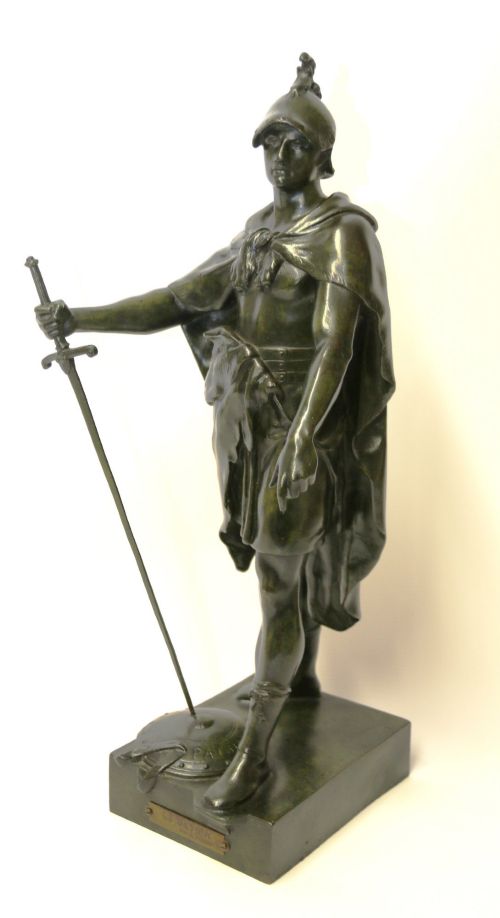
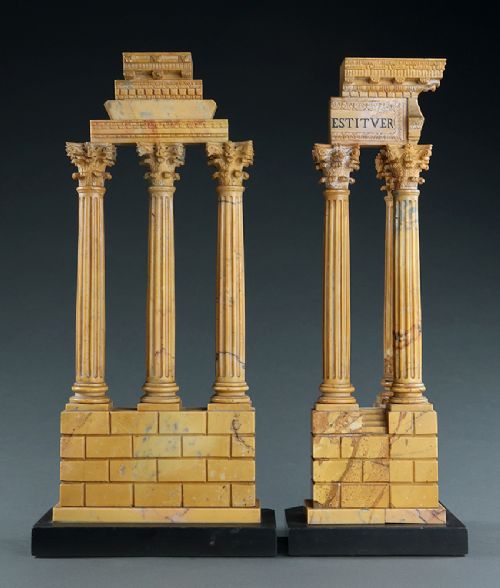
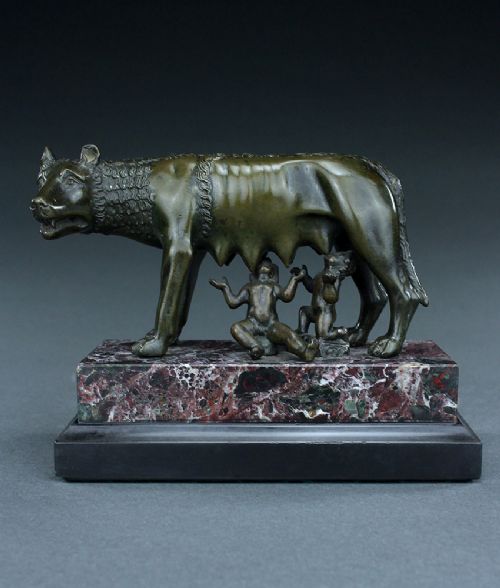
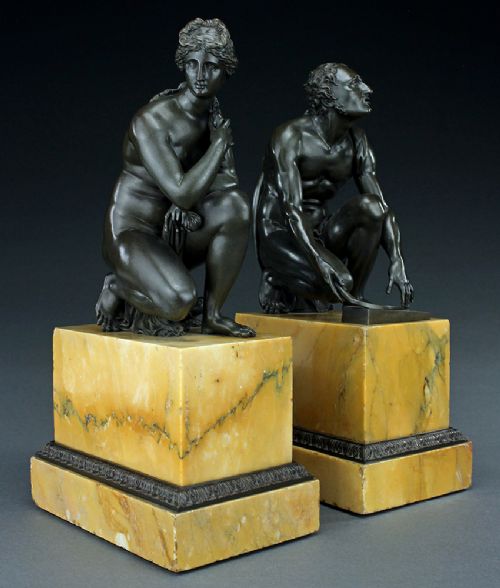
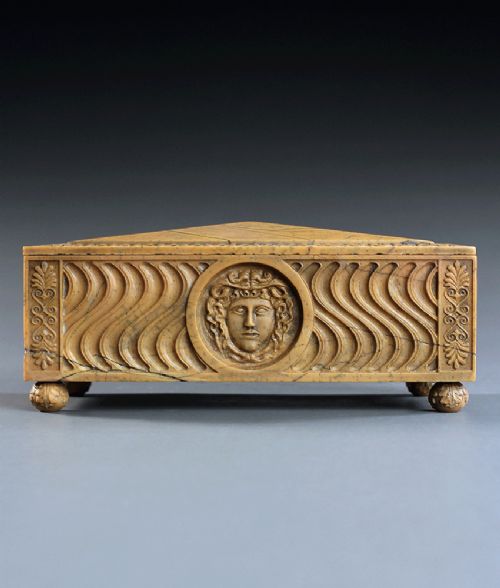
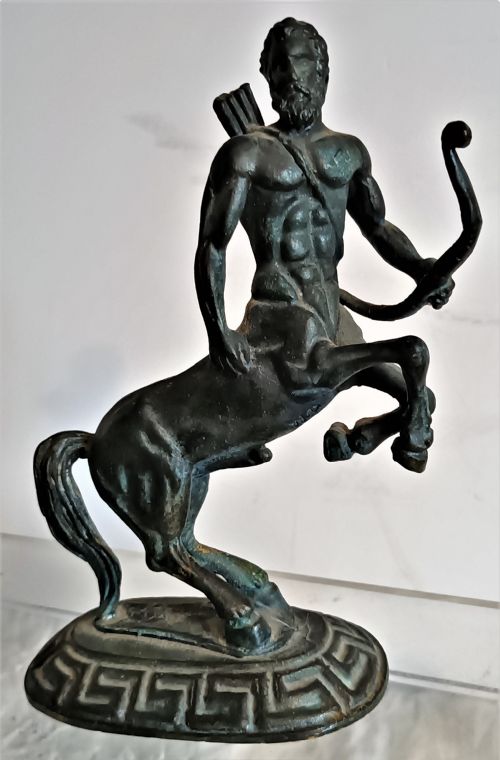
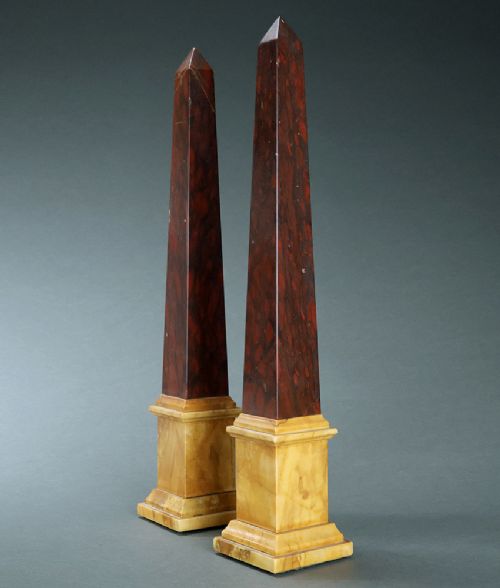
A neoclassical desk ornament takes the form of miniature bronzes, marble obelisks, and architectural models derived from classical antiquities. Buyers seek these items to add academic gravity and classical proportion to a working surface. The selection relies heavily upon Grand Tour souvenirs and nineteenth-century French and Italian revivals.
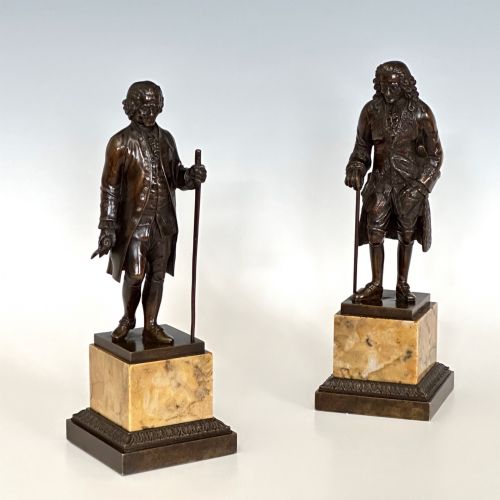
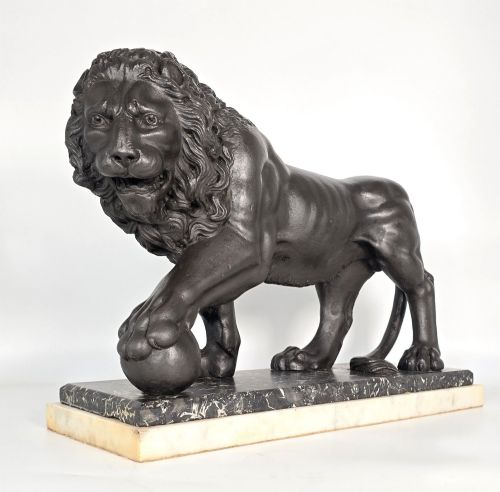
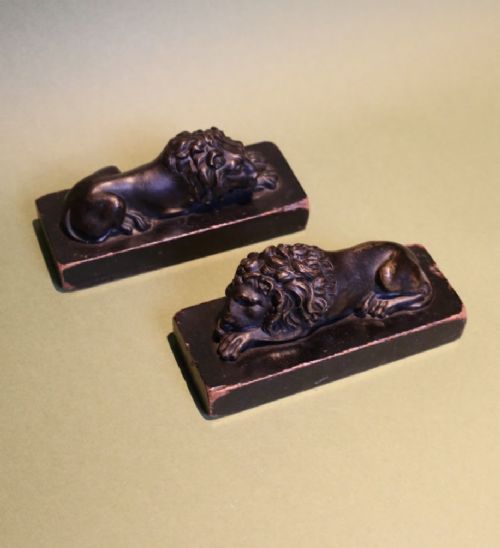
Most examples date from the nineteenth century, including Georgian and early twentieth-century interpretations. Common forms include lions, figures of philosophers or soldiers, and marble caskets or temples. These objects function as tactile reminders of classical mythology and Mediterranean travel.
How they were made
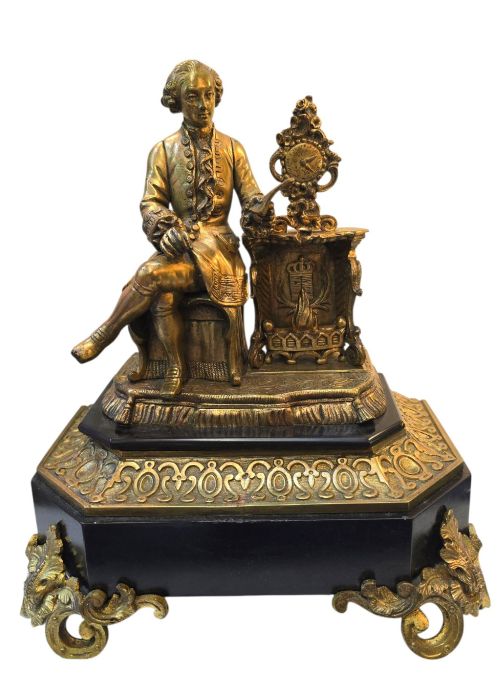
Foundry workers cast metals using bronze, patinated metal, and ormolu to achieve deep surface tones and metallic contrast. These figures frequently sit upon heavy plinths of Siena marble, Portasanta marble, or Rosso Antico. The combination of cast metal and polished stone provides both visual weight and structural balance.
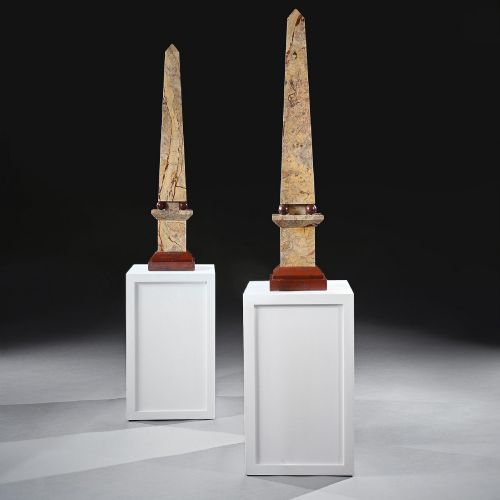
Masons shaped natural stones into architectural models and obelisks with sharp geometric edges and smooth faces. Bronze sculptures received chased details and chemical patination to simulate ancient excavation artefacts. The unions between metal figures and stone bases relied upon threaded pins and secure adhesives.
Object forms span architectural models of Roman obelisks alongside figural bronzes of lions and historical figures.
What varies in quality
The selection and preparation of the stone plinth also determine the standard of the piece. High-grade items utilise dense, richly figured marbles with clean corner profiles and stable joints. Lesser examples rely on plain stones with uninspired figuring and minimal finishing work.
Émile Louis Picault·Joseph Gott
The Neoclassical Desk Ornament Glossary
- Grand Tour
- A traditional trip through France and Italy undertaken by European nobility to study classical art. Souvenirs from these journeys formed the basis for many nineteenth-century cabinet bronzes and architectural models.
- Ormolu
- Gilded bronze produced by applying a mixture of gold and mercury to a metal base and heating it. This technique imparts a durable, rich golden surface to decorative fittings and busts.
- Patination
- The natural or chemically induced surface coloration of a metal object over time. Controlled patination on nineteenth-century bronzes creates varied shades of brown, green, and near-black.
- Portasanta marble
- A distinctive multi-coloured Italian marble featuring red, purple, and white brecciated fragments. Stonemasons favoured this material for obelisks and decorative architectural bases during the nineteenth century.
- Canova Lions
- Sculptural guardian lions derived from Antonio Canova's monuments. These subjects appear frequently in pairs among Grand Tour bronze castings.
Neoclassical Desk Ornament: Frequently Asked Questions
What is a neoclassical desk ornament?
A neoclassical desk ornament is a small-scale sculpture, obelisk, or architectural model referencing ancient Greece and Rome. These objects were produced primarily during the nineteenth century as decorative scholarly items for studies and libraries.
Materials typically include cast bronze, ormolu, and various specimen marbles such as Siena and Portasanta. They replicate famous antiquities, monuments, and mythological figures encountered on the Grand Tour.
How do I date a marble obelisk?
Dating relies upon the machining marks, the density and type of the marble, and the overall weathering of the stone. Nineteenth-century examples often feature hand-finished bevels and rich mineral figuring characteristic of Italian quarries.
Twentieth-century pieces can show cleaner, more uniform machine cutting and different polishing agents. Comparing the object to documented Grand Tour souvenirs helps confirm the period.
Where were these decorative objects made?
The majority of these pieces originated in French and Italian workshops during the nineteenth century. Artisans in Paris and Rome catered directly to travellers seeking portable representations of classical architecture and sculpture.
Foundries handled the bronze casting while local stone masons prepared the marble bases and architectural models. British makers also produced similar classical revival figures during the Victorian era.
How should I clean a bronze figure?
Bronze figures require gentle dusting with a soft, dry cloth to prevent the accumulation of abrasive particles. Avoid using water, liquid cleaners, or metal polishes that can strip away the original historic patination.
Applying microcrystalline wax very sparingly can protect the metal surface from atmospheric moisture. Professional conservation advice should be sought if the metal shows active corrosion.