

Neoclassical Column Desk Lamp
A neoclassical column desk lamp brings architectural order to a room, offering upright dignity through fluted shafts and classical capitals.
Neoclassical Column Desk Lamp
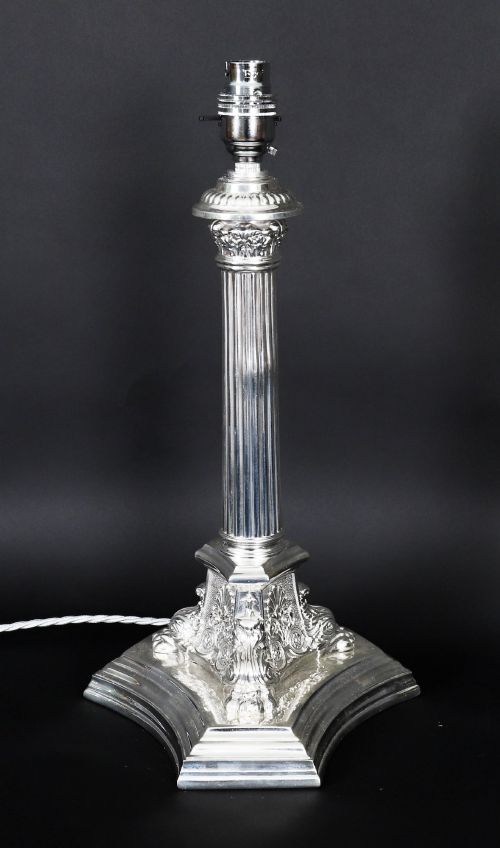
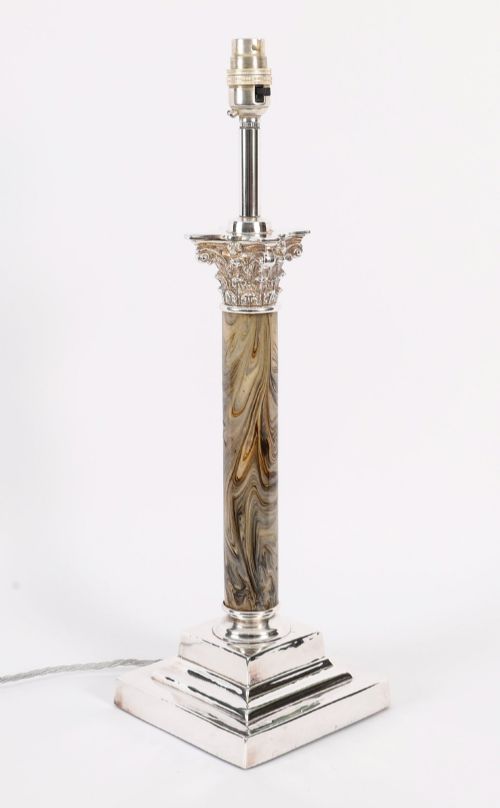
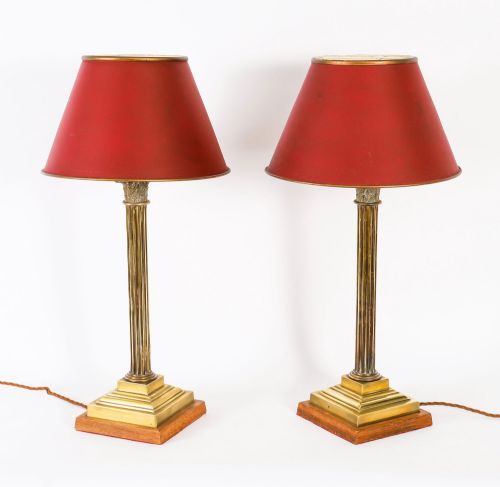
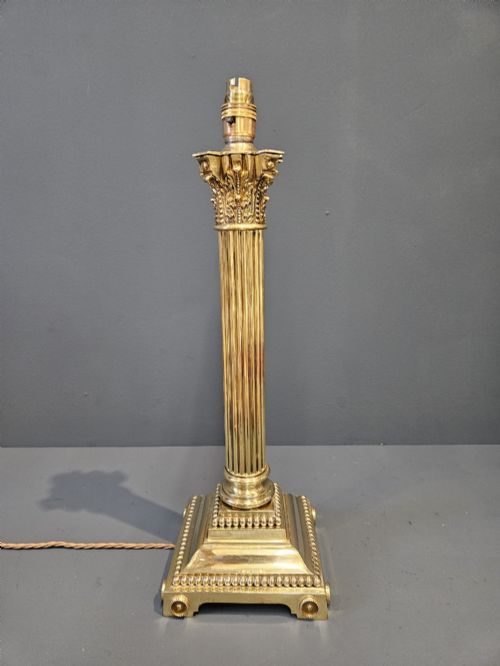
A neoclassical column desk lamp draws upon architectural motifs from ancient Greece and Rome, translating stone building forms into domestic lighting. These pieces take the shape of table lamps and lamp bases, utilising column shafts that rise from stepped or weighted bases.
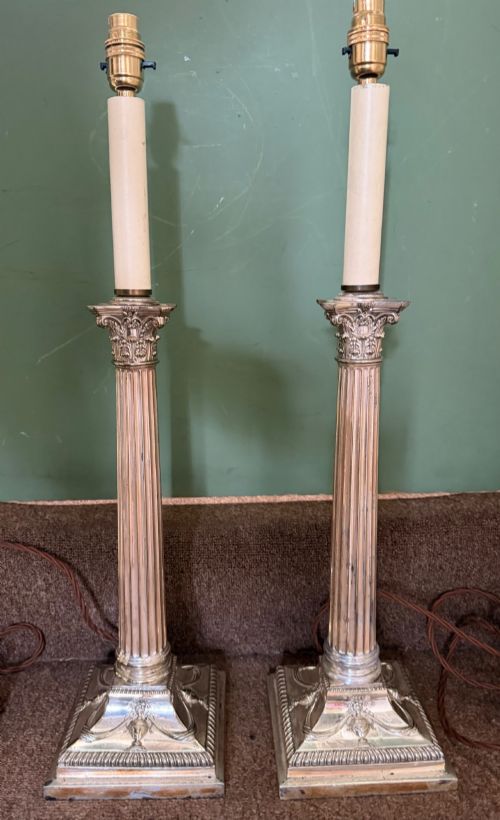
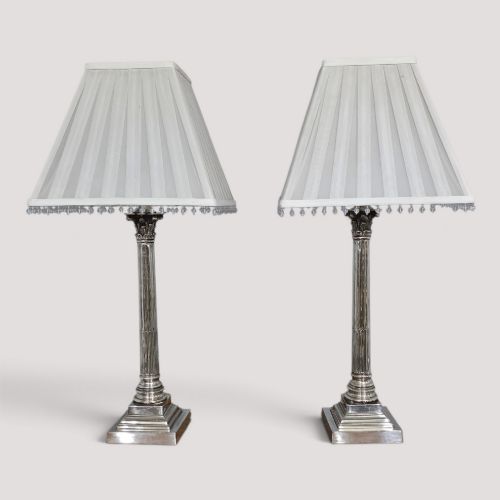
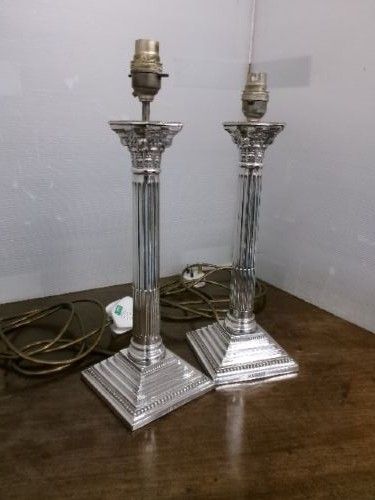
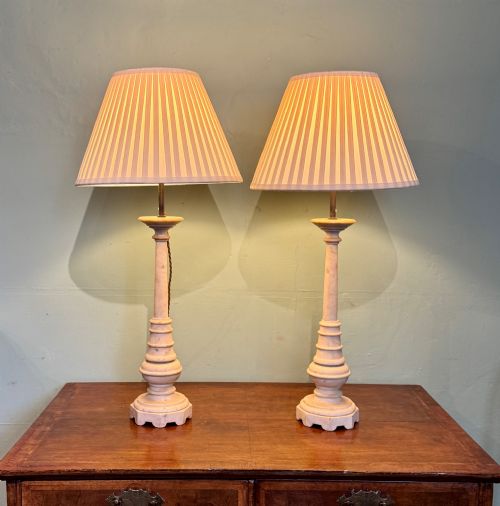
The versions most commonly met on this page span the Victorian and Edwardian periods, alongside items dated from the late nineteenth and early twentieth centuries. They emerge in single formations and balanced pairs, adapting monumental orders for domestic desks and side tables.
Materials and construction
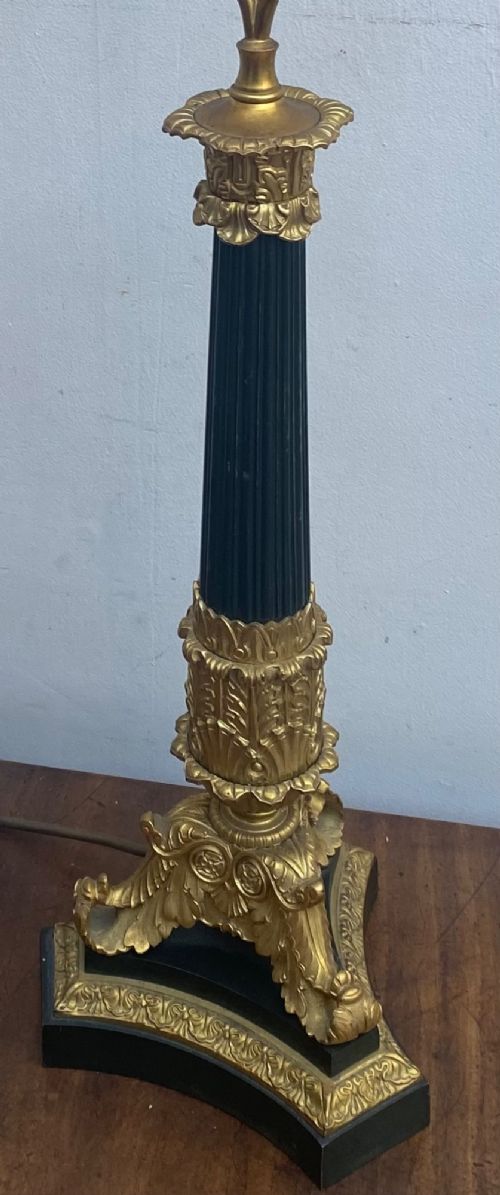
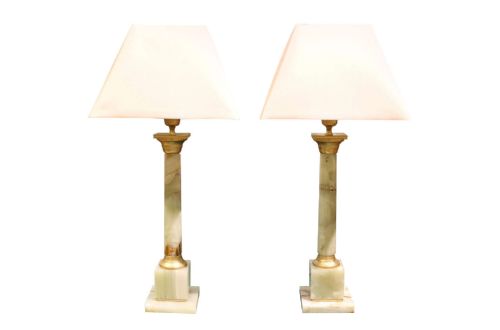
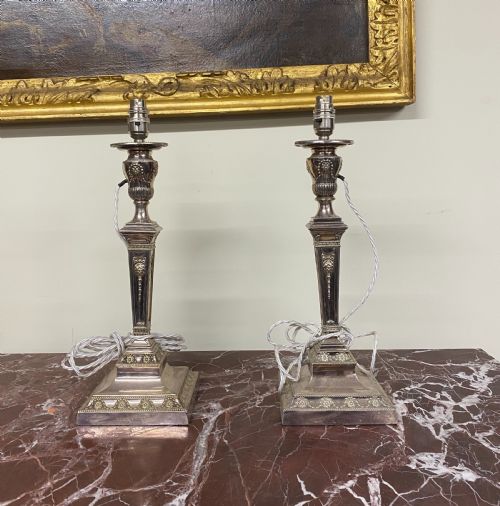
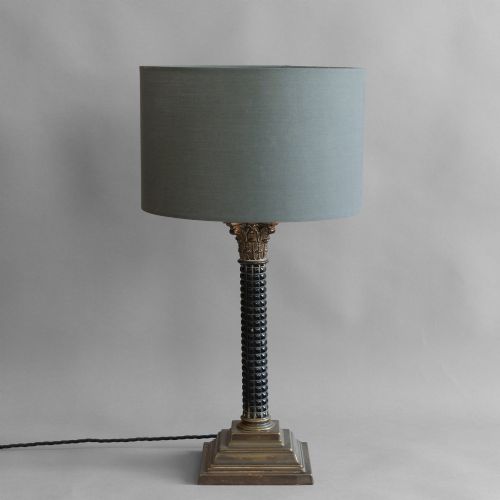
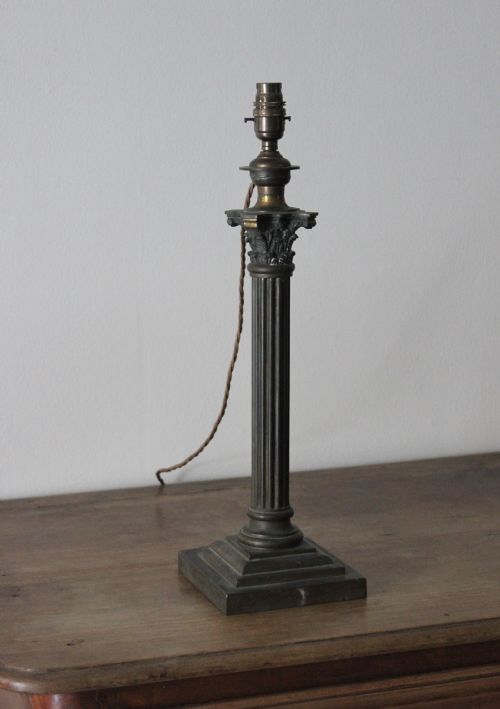
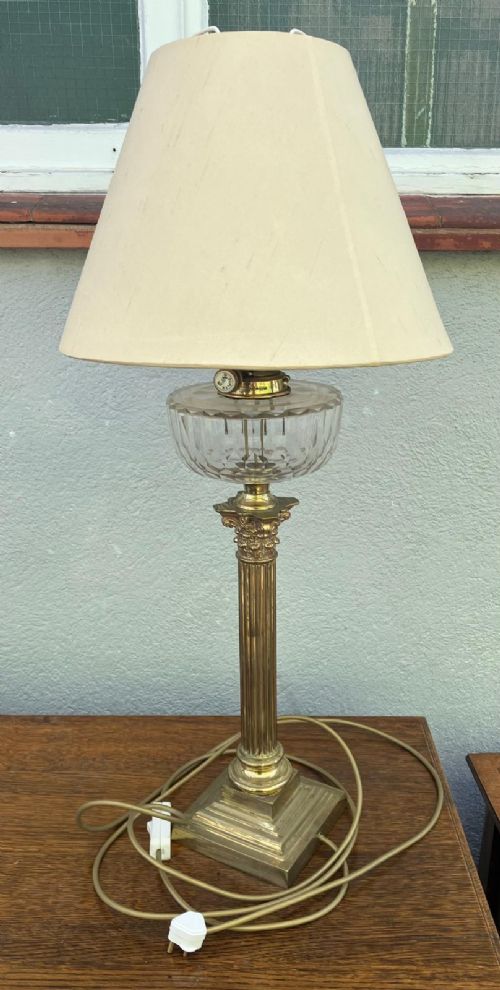
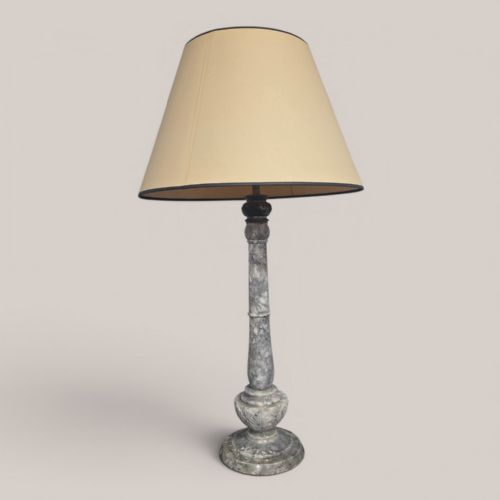
The primary structural weight rests in metals such as brass, silver plate, gilt bronze, and patinated bronze, often formed into fluted Corinthian or Doric columns. These metal shafts are frequently paired with solid bases of white marble or onyx to provide necessary stability for upright illumination.
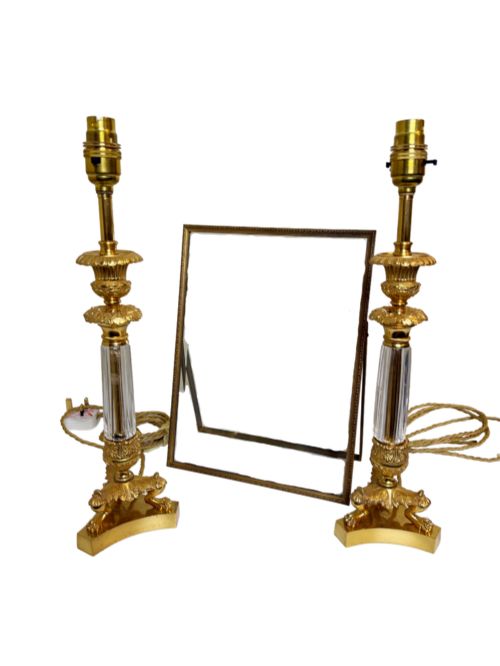
Surface treatments involve silver plating, ormolu gilding, and patination, while secondary elements incorporate crystal glass and fabric shades. Construction methods unite heavy metal castings with threaded assemblies to securely support electrical fittings and wiring within the antique column format.
Neoclassical Column Desk Lamp Retail Price Guide 2026
Typical asking prices for neoclassical column desk lamp among the pieces listed under this phrase on Sellingantiques today, from the lower quarter to the upper quarter. They describe what is for sale here now, not the wider market.
Listings span the Victorian and Edwardian eras, with brass and silver plate appearing alongside marble and onyx.
Assessing quality
The distinction between standard production and finer work also appears in the proportion of the column and the integration of decorative mounts. Well-executed pieces maintain balanced architectural proportions, whereas lesser items rely on thinner metal stampings and simplified column shafts.
Walker & Hall·Harrison Brothers & Howson·Walter Latham & Son
The Neoclassical Column Desk Lamp Glossary
- Corinthian
- An architectural column order characterised by ornate capitals decorated with rows of carved acanthus leaves. This capital style appears frequently on the brass and silver-plated lamps listed on this page.
- Ormolu
- A technique of applying finely ground high-carat gold to a bronze base using a mercury amalgamation process. It yields a rich, warm metallic finish seen on French classical and revival pieces.
- Doric
- The simplest and most sturdy of the classical Greek architectural orders, featuring plain capitals without scroll or leaf decoration. Lamps utilising this form present a cleaner, more restrained silhouette.
- Silver plate
- A thin layer of pure silver fused to a base metal core such as copper or brass. Many Victorian examples employ this method to achieve the appearance of solid silver at a manageable weight.
Neoclassical Column Desk Lamp: Frequently Asked Questions
How do I date a neoclassical column desk lamp?
Dating relies on observing the combination of materials, manufacturing stamps, and prevailing revival styles. Victorian and Edwardian pieces often display registry marks or maker signatures near the base.
Changes in metal finishing techniques and the transition from oil burning to electrical wiring also provide clues to the exact decade of manufacture.
Where were these lamps placed originally?
These lighting fixtures were designed for prominent display in libraries, studies, and formal drawing rooms. Their classical proportions suited heavy mahogany desks and side tables.
Pairs were frequently deployed on either side of a mantelpiece or at opposite ends of a large sideboard to create symmetrical illumination.
Are these lamp bases heavy?
The inclusion of marble, onyx, and cast metals gives these pieces substantial weight to prevent tipping. This mass is required to support both the tall column shaft and the upper lighting hardware safely.
When lifting a piece, the heft usually indicates whether the base relies on solid stone or hollow formed metal.
How do I distinguish Corinthian from Ionic columns?
The difference lies entirely in the upper capital design of the column shaft. Corinthian capitals feature distinct carved acanthus leaves and vertical scrolling elements.
Ionic capitals display characteristic downward scrolls known as volutes, presenting a flatter and more geometric profile at the top of the shaft.