
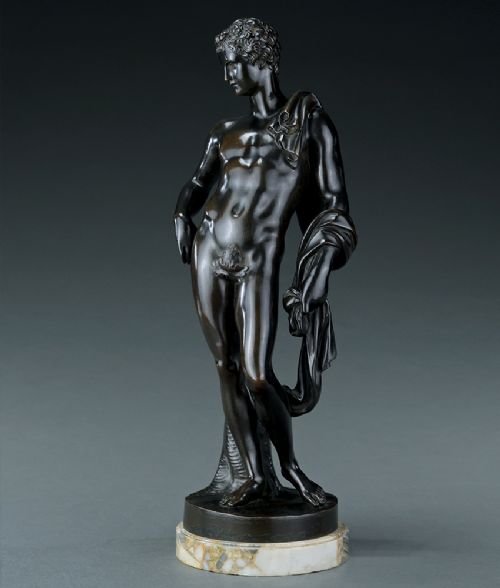

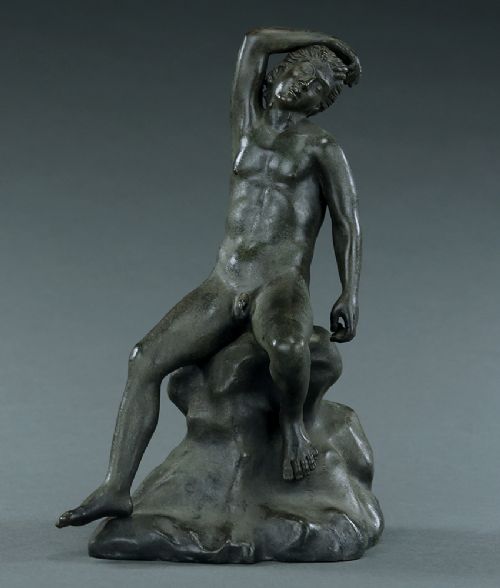
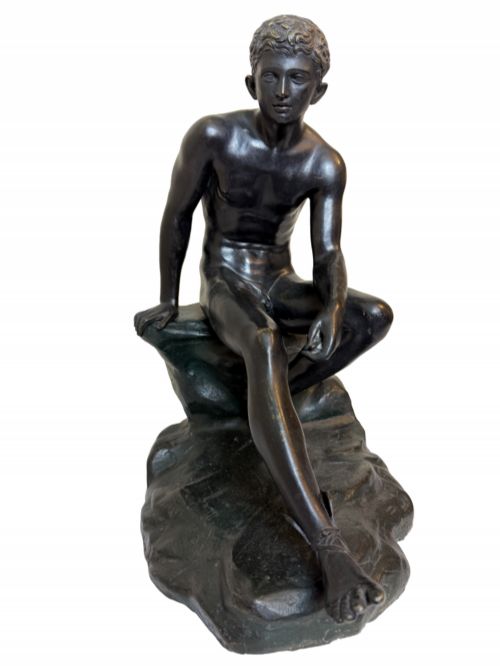




Neoclassical Bronze Nude Figure
These neoclassical bronze nude figure pieces capture classical mythological subjects and ancient sculpture through nineteenth-century foundry work.
Neoclassical Bronze Nude Figure
A neoclassical bronze nude figure represents classical deities, mythological characters, and famous antique sculptures translated into cast metal. Buyers searching for a neoclassical bronze nude figure encounter small cabinet statues, bookends, and larger gallery works produced during the nineteenth century.
Grand Tour souvenirs form a major portion of these pieces, bringing classical antiquity home to nineteenth-century travellers. Subjects range from mythological figures like Narcissus, Venus, Bacchus, and fauns to specific ancient sculptures discovered at Pompeii and Rome.
French foundries and Italian workshops dominate the origin of these sculptures, often adapting ancient marble statues into bronze reductions. Figures appear standing, resting, or dancing, frequently mounted upon integral bronze bases or fitted to polished marble plinths.
How they were made
Foundries utilised traditional bronze casting methods to capture intricate musculature, drapery, and facial expressions from modelled wax or clay originals. Metalworkers applied chemical patination treatments to achieve dark brown, verdigris, or parcel-gilt surfaces upon the raw cast bronze.
Some sculptures incorporate parcel-gilt highlights or contrasting green and dark patinas to emphasise specific details of the anatomy and attire. Bases often consist of shaped stone or marble, providing weight and a formal architectural setting for the metal figure.
Several eighteenth-century travellers returned home with bronze fauns so convincing their guests tried offering them grapes.
What varies in quality
The quality of the patination and the integrity of the foundry markings or signatures indicate the care taken during production. Heavier, more substantial bronze thickness and well-fitted marble bases distinguish high-grade nineteenth-century pieces from lighter later variants.
Ferdinand Barbedienne·James Pradier·Susse Freres·Delafontaine·Ferdinando de Luca·Franz Iffland
The Neoclassical Bronze Nude Figure Glossary
- Grand Tour
- A traditional trip through Europe undertaken by upper-class travellers to study classical art and antiquities. Souvenirs purchased during these travels included bronze reductions of famous ancient statues.
- Patination
- The chemical treatment applied to the surface of bronze to alter its colour and tone. Common finishes include dark brown, verdigris green, and polished highlights.
- Parcel-gilt
- A decorative technique where specific areas of a bronze sculpture are partially gilded with gold leaf or gilt. This method highlights ornaments, drapery edges, or hair.
- Reduction
- A smaller copy of a larger sculpture, created mechanically or by eye during the casting process. Many nineteenth-century bronzes are reductions of monumental museum statues.
Neoclassical Bronze Nude Figure: Frequently Asked Questions
What is a Grand Tour bronze?
A Grand Tour bronze is a nineteenth-century souvenir cast in Italy or France, reproducing famous classical sculptures for travellers returning home.
These figures allowed collectors to display miniature versions of ancient masterworks within nineteenth-century drawing rooms and libraries.
How do I identify the subject?
Subjects typically derive from Greek and Roman mythology, identifiable through specific attributes such as animal companions, instruments, or stances.
Figures like Narcissus gazing downward, dancing fauns with cymbals, or Venus emerging from water point directly to classical sources.
Are marble bases original?
Many nineteenth-century bronze figures and bookends were manufactured with fitted stone or marble plinths to provide stability and visual weight.
Foundries often mounted figures directly onto these bases as part of the finished composition.
What causes different patina colours?
Foundry workers applied various chemical solutions to the hot or cold bronze surface to produce dark brown, verdigris, or olive tones.
Over decades, handling and oxidation further alter these surface colours, giving each piece a distinct appearance.