
Neoclassical Bronze Figurine
These neoclassical bronze figurine pieces bring classical mythology and antiquity into the home, prized for their fine casting and enduring connection to the Grand Tour.

Neoclassical Bronze Figurine
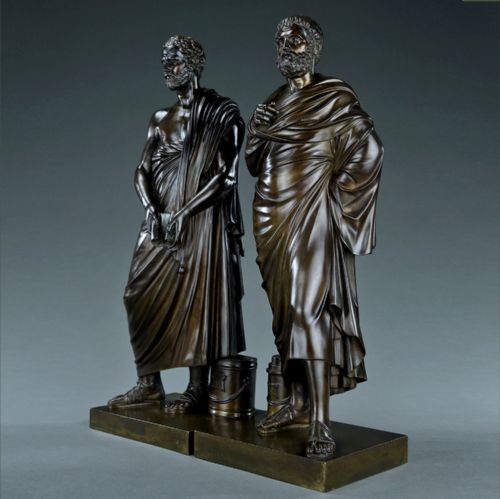
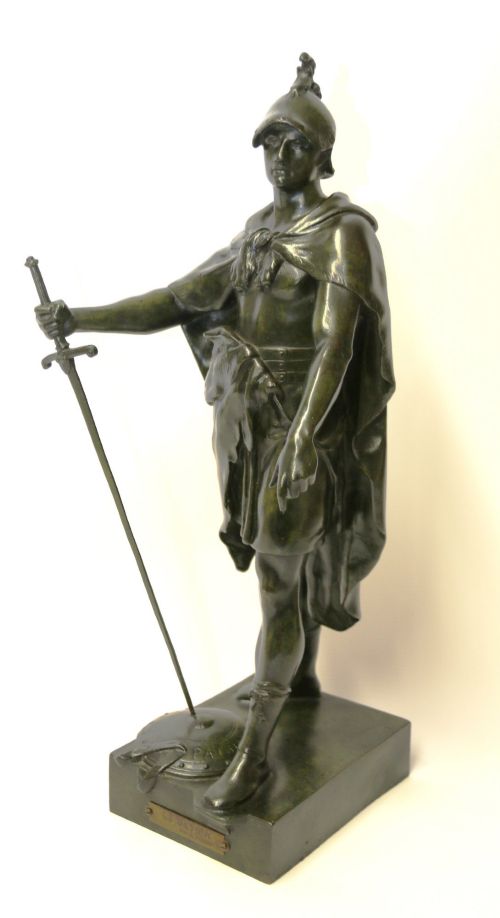
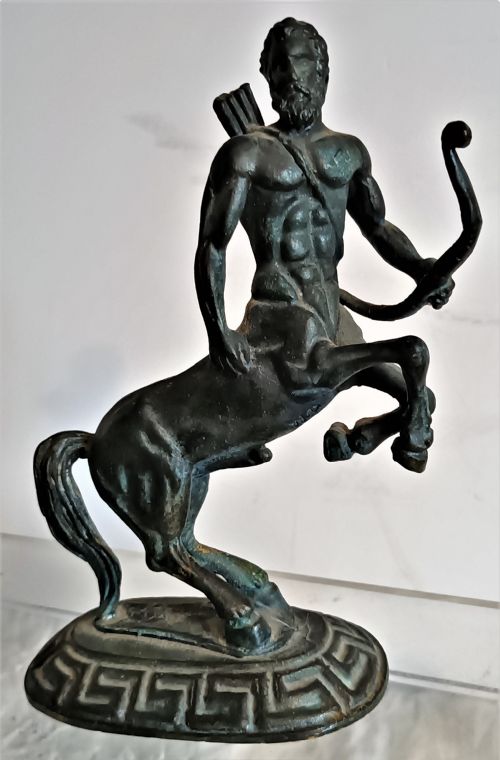
A neoclassical bronze figurine draws directly upon ancient Greek and Roman sculpture, capturing mythological deities, philosophers, and legendary figures in miniature form. When searching this phrase, a buyer encounters pieces originating primarily from nineteenth-century France and Italy, reflecting the enduring taste for classical antiquity.
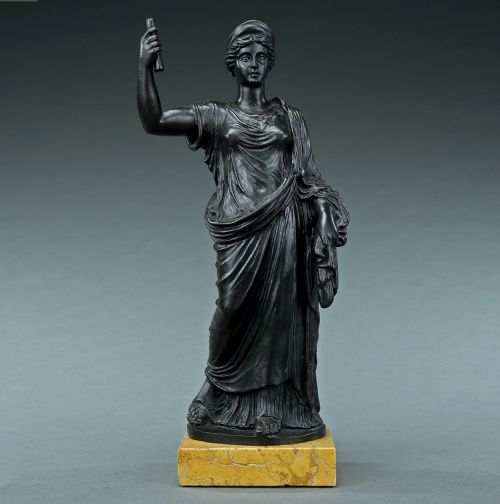
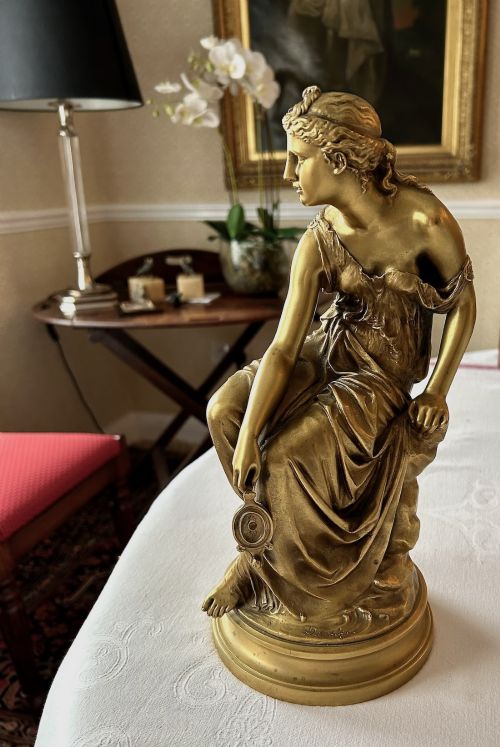
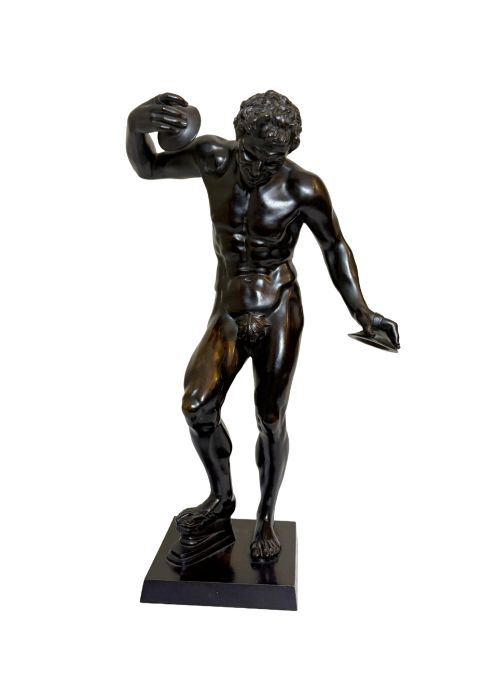
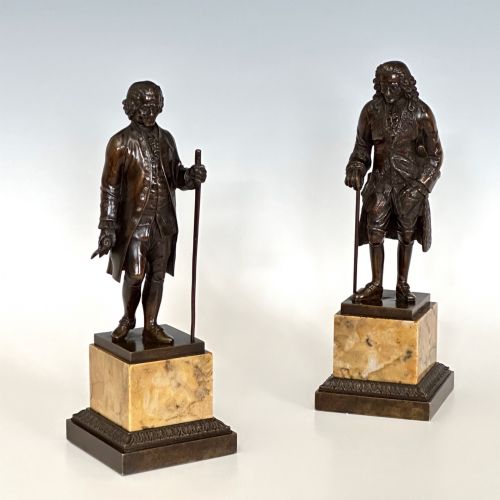
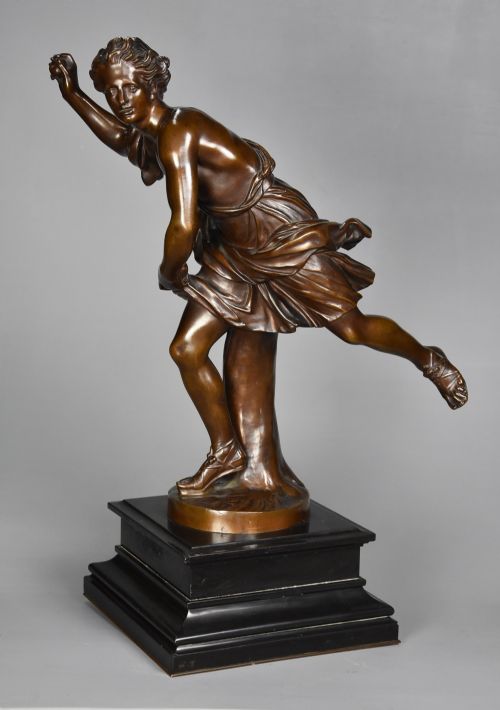
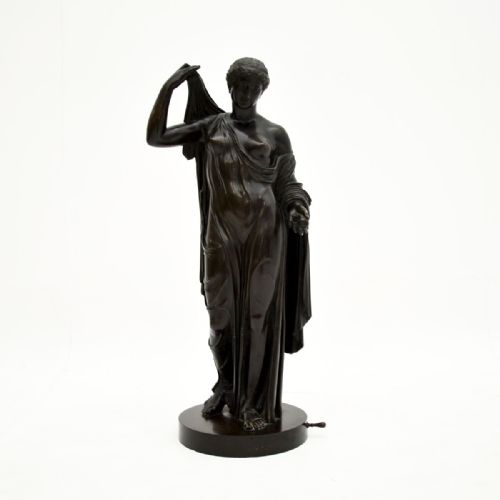
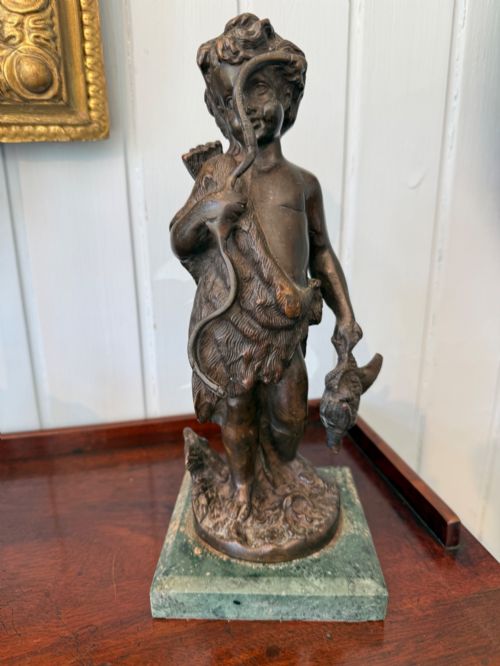
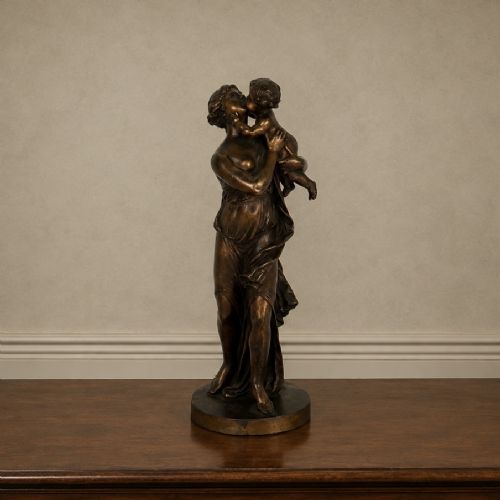
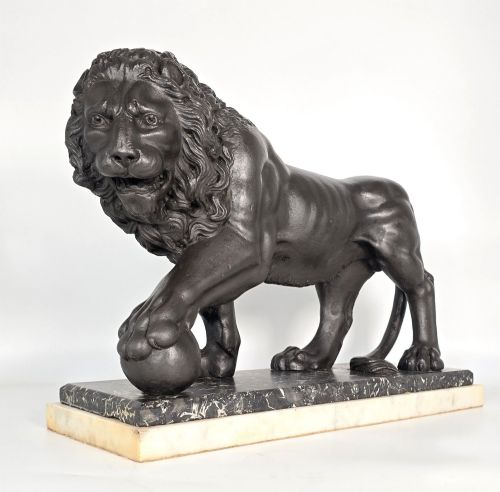
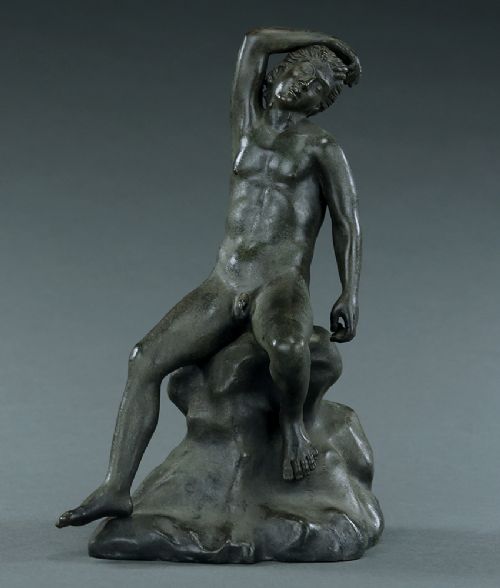
The selections on this page heavily feature Grand Tour souvenirs alongside French academic works and cabinet bronzes. Subjects range from dancing fauns and lions to classical maidens and historical philosophers.
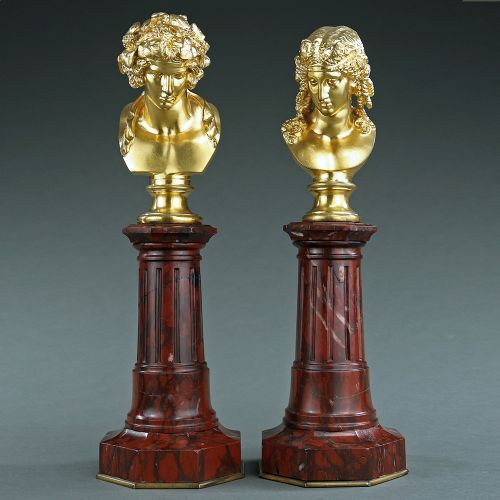
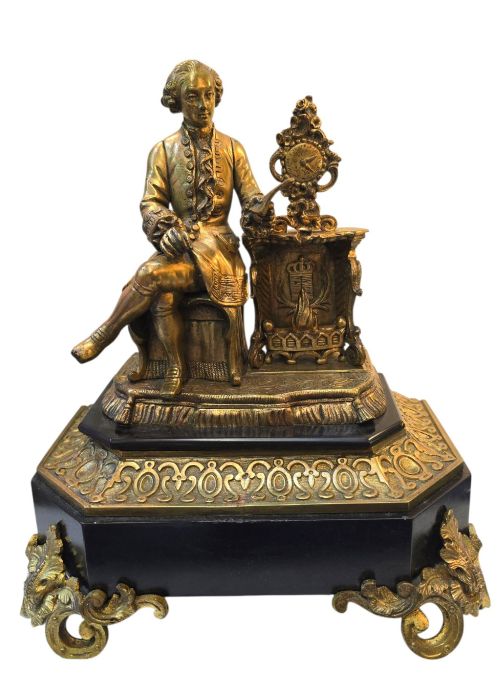
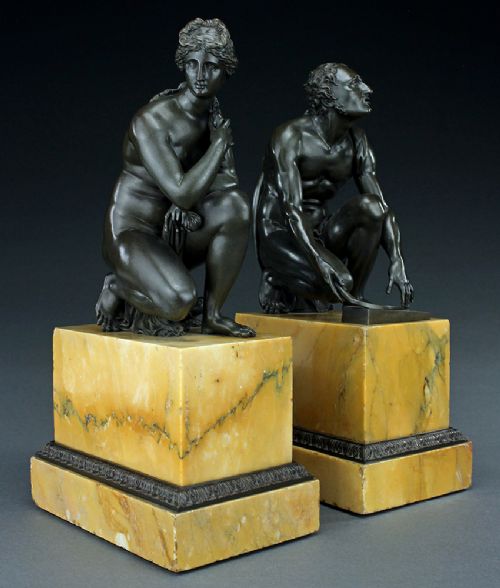
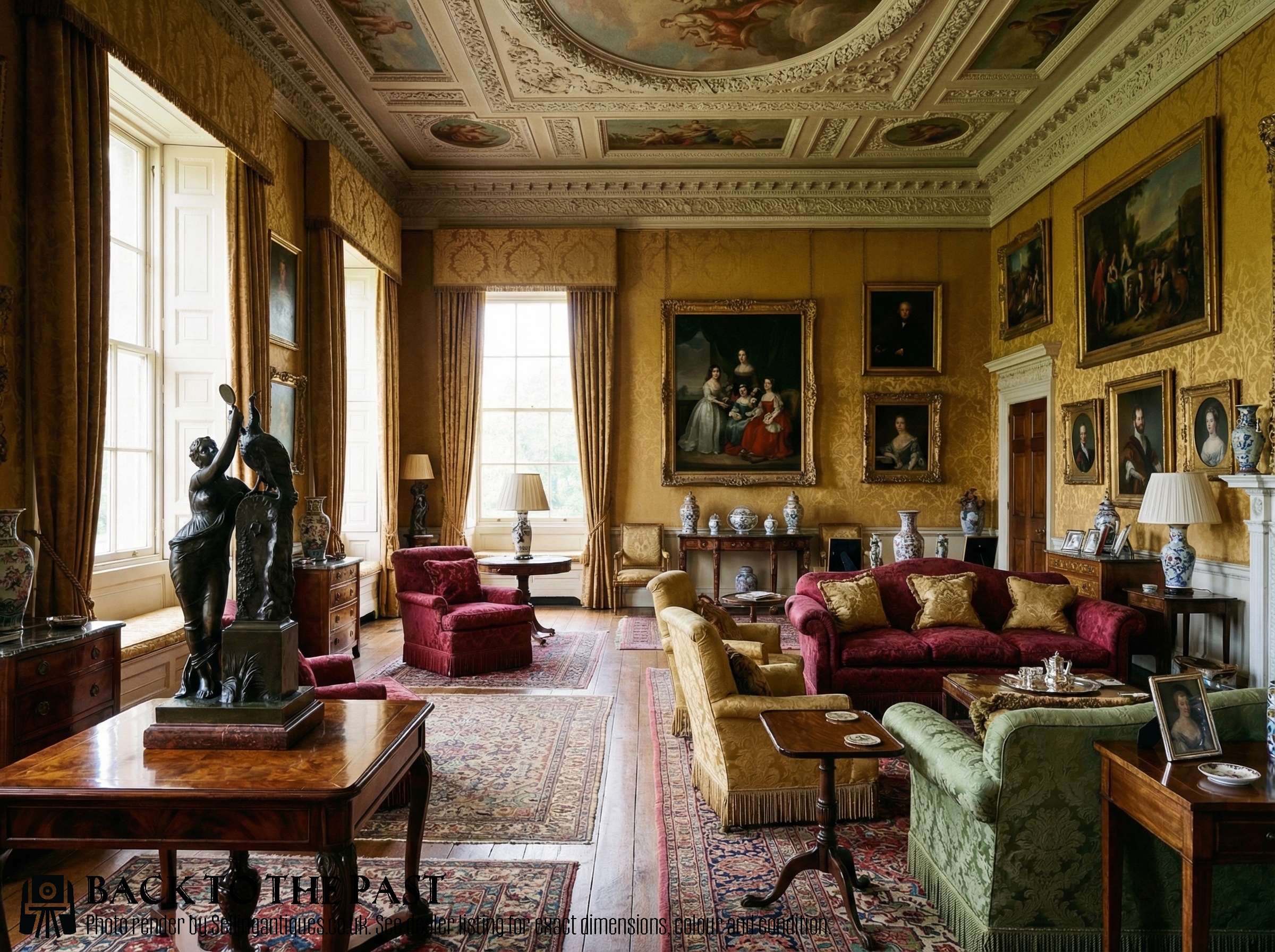
Many of these figures are mounted upon heavy stone plinths or bases made from marble or ormolu. They function as desktop studies, mantel ornaments, or cabinet pieces that emulate major archaeological discoveries.
Materials and Technique
Foundries utilised the lost-wax casting method or sand casting to achieve intricate detail in the bronze figures. Once cast, artisans applied patination treatments ranging from deep brown to verdigris green to simulate the appearance of excavated antiquities.
Gilt bronze and ormolu elements appear frequently alongside standard patinated bronze, offering sharp contrasts in texture and finish. Many pieces integrate natural stone components, mounting the metal sculpture upon polished white, red, or Siena marble plinths.
Neoclassical Bronze Figurine Retail Price Guide 2026
Typical asking prices for neoclassical bronze figurine among the pieces listed under this phrase on Sellingantiques today, from the lower quarter to the upper quarter. They describe what is for sale here now, not the wider market.
Even ancient animals get their moment, with bronze representations ranging from heroic horses to leaping dolphins and pampered lions.
Judging Quality
The distinction between standard souvenir pieces and superior works lies in the crispness of the chase work and the fidelity to the classical prototype. Master foundries and named reduction houses achieved remarkable muscle definition, facial expression, and drape of fabric that lesser commercial castings miss.
The quality of the marble mount and the integration between the bronze casting and its base also indicate the tier of the piece. Heavy, well-finished bases and thoughtful patination separate workshop studies from ordinary reproductions.
Etienne-Henri Dumaige·Barbedienne·Pierre-Augustin Caron de Beaumarchais·Émile Louis Picault·Zoffoli·James Pradier·Susse Freres·Messina Roma·Berger Paris
The Neoclassical Bronze Figurine Glossary
- Grand Tour
- A traditional trip through Europe undertaken by upper-class young men in the eighteenth and nineteenth centuries to study classical art. Souvenirs purchased on these journeys formed the basis for many cabinet bronzes.
- Patinated bronze
- Metal treated with chemical solutions to produce a specific surface colour, such as dark brown or green. This finish protects the metal and mimics the ageing of ancient artefacts.
- Ormolu
- Gilt bronze created by applying a finely ground high-carat gold-mercury amalgam to a bronze object. The technique produces a rich golden lustre characteristic of French decorative arts.
- Chasing
- The manual finishing process where a metalworker uses hammers and punches to refine the details of a bronze casting after it leaves the mould. Fine chasing separates master foundry work from rough commercial output.
Neoclassical Bronze Figurine: Frequently Asked Questions
What is a Grand Tour bronze?
A Grand Tour bronze is a souvenir sculpture purchased by travellers visiting cultural sites in Italy and France during the eighteenth and nineteenth centuries. These pieces were cast after famous classical statues housed in European museums.
They allowed collectors to bring miniature representations of antiquity back to their homes as desktop ornaments or cabinet studies.
Why are some figures mounted on marble?
Marble bases and plinths provide stability for narrow or top-heavy bronze figurines while adding a formal architectural element to the display. Siena marble and white marble were particularly favoured by Italian and French workshops.
This mounting style mirrors the presentation of full-scale classical statuary discovered during archaeological excavations.
How can I tell the age of a bronze figure?
Dating relies upon examining the casting technique, the character of the patination, and the style of the mounting plinth. Nineteenth-century castings often display specific foundry marks, signature stamps, or wear patterns consistent with cabinet handling.
Comparing the subject matter to known classical prototypes also helps place the piece within the context of the nineteenth-century revival.