

Neoclassical Brass Mount
A neoclassical brass mount brings architectural precision and classical symmetry to furniture, lighting, and clocks.
Neoclassical Brass Mount
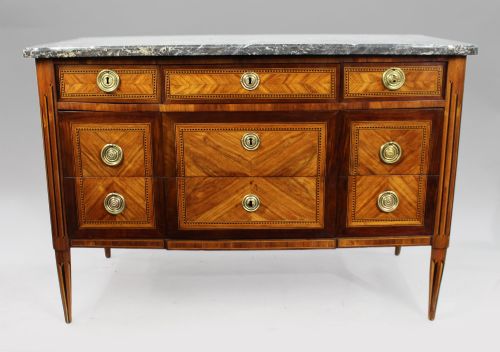
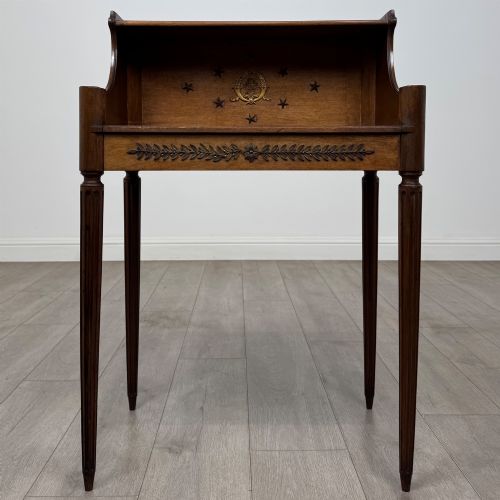
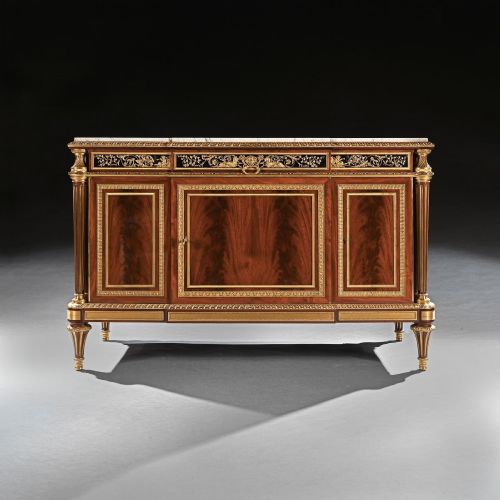
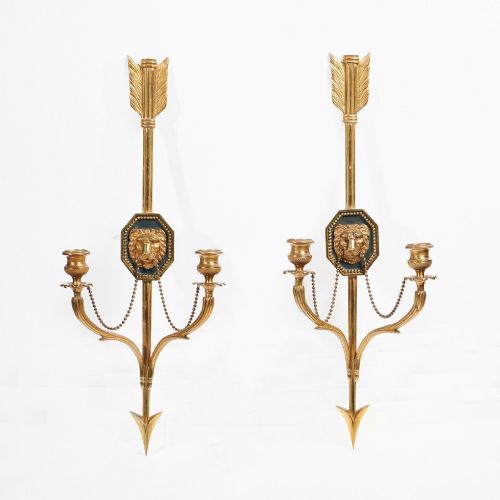
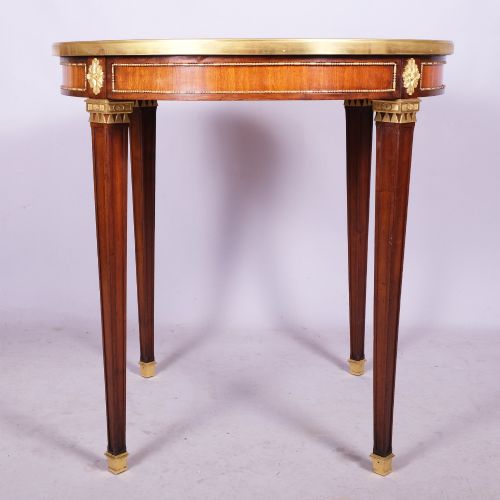
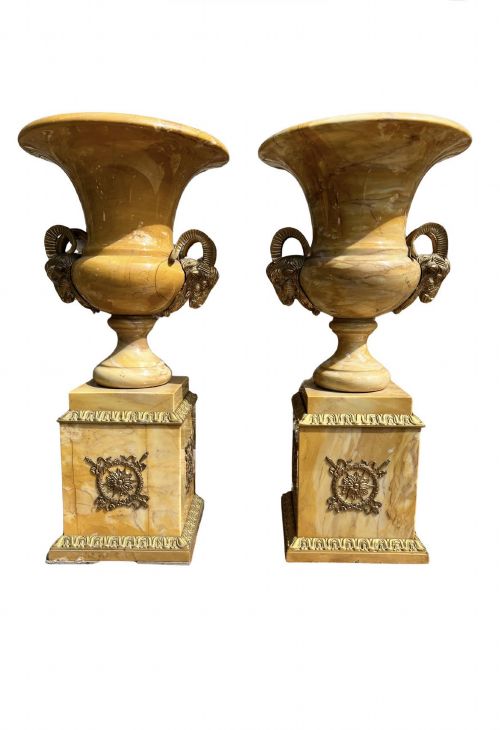
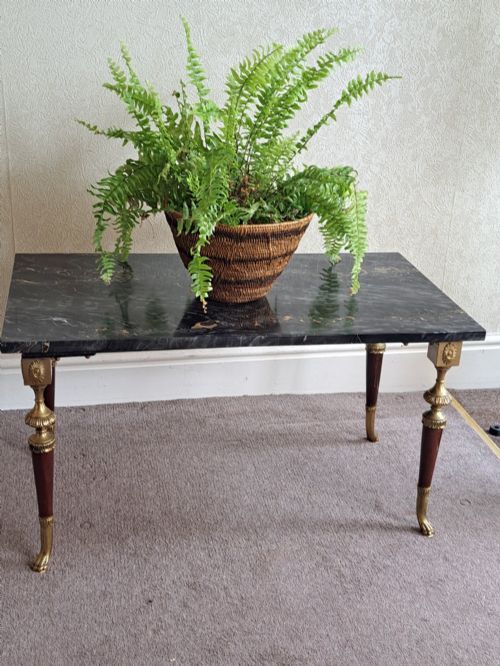
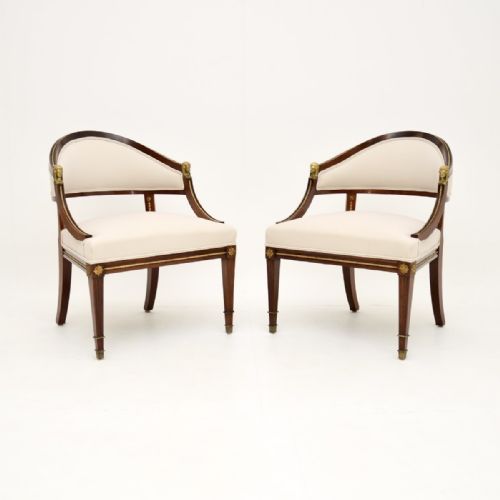
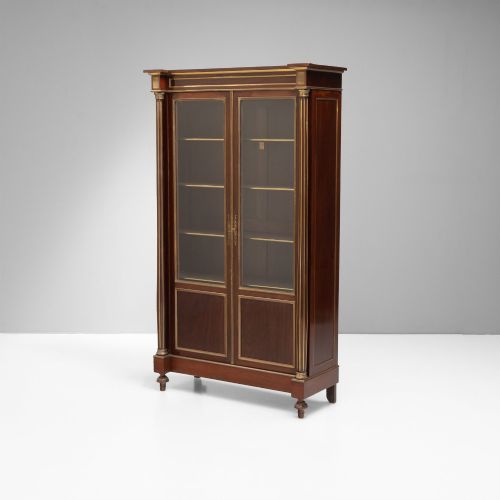
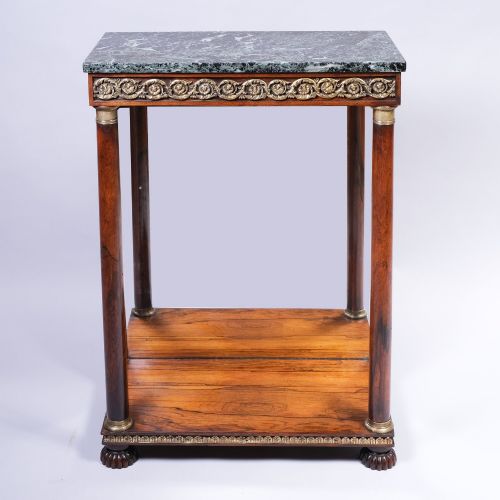
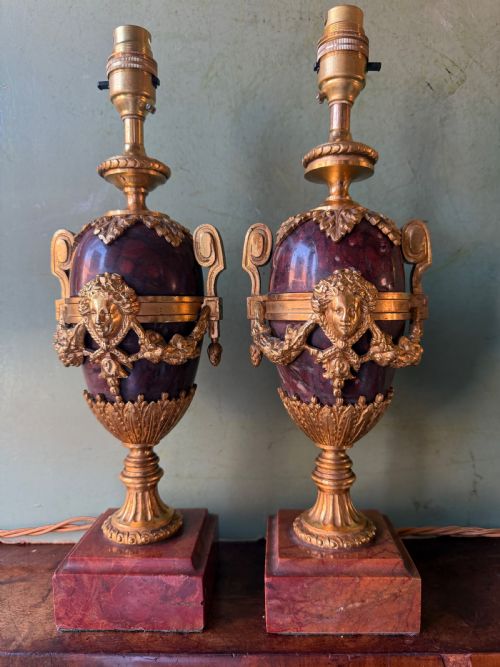
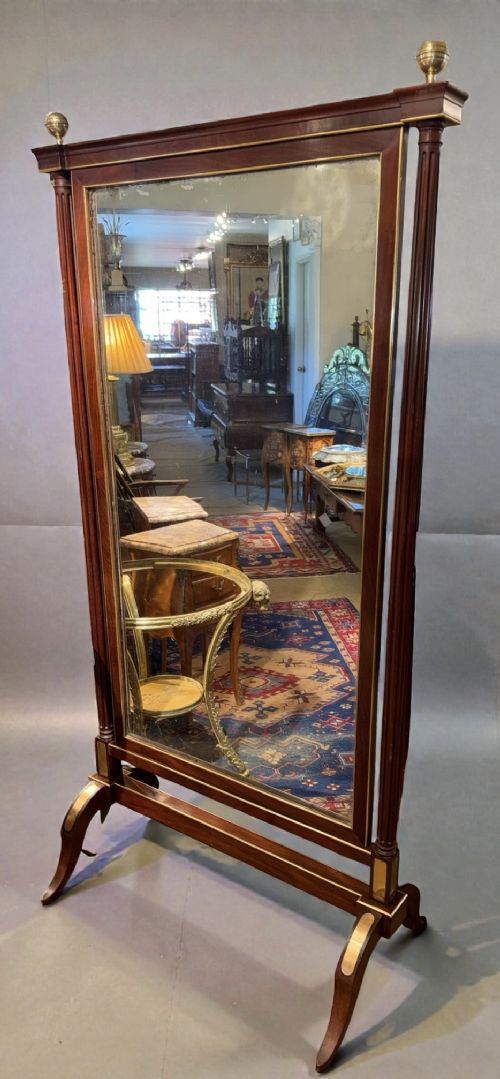
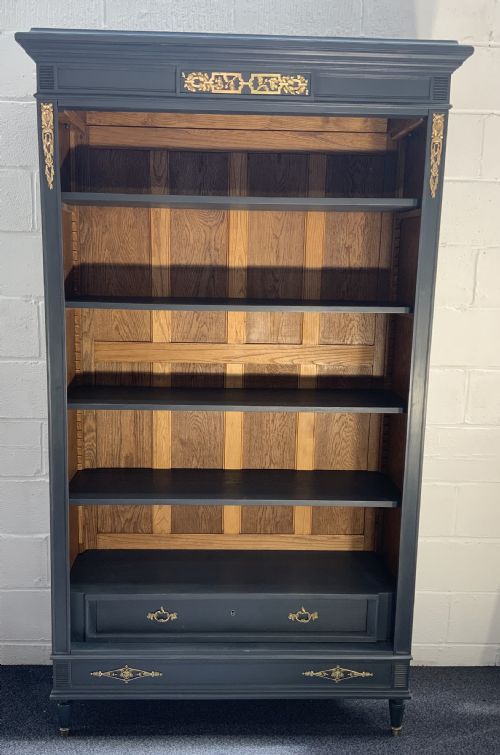
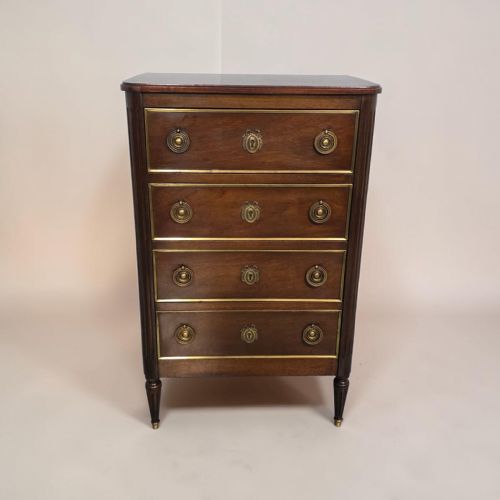
When you search for neoclassical brass mount, you encounter decorative hardware and cast accents applied to case furniture, seating, and lighting. These pieces span commodes, desks, side tables, bookcases, and mantel clocks influenced by French Empire, Louis XVI, and Directoire styles.
The items range from eighteenth-century originals to later nineteenth-century revivals and twentieth-century interpretations. Mahogany, walnut, ebonised wood, and marble form the primary bodies that carry these metallic enrichments.
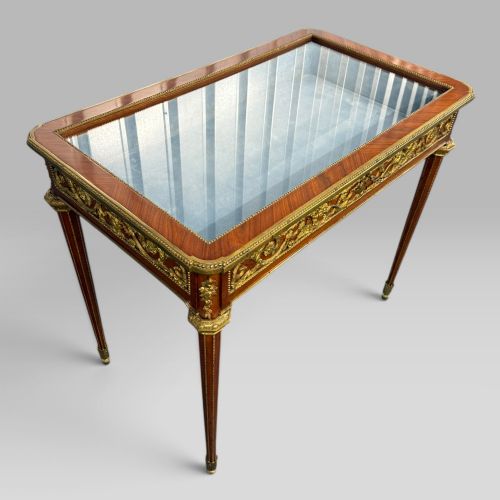
You meet a variety of functional objects, including marble-topped bouillotte tables, vitrines, wall sconces, and beds. Each category employs cast brass or ormolu mounts to delineate structural corners, drawer fronts, and apron rails.
Materials and Techniques
Craftsmen built the underlying carcases and frames using dense timbers like mahogany and rosewood, frequently incorporating veneers or parquetry patterns. Marble slabs in white, rouge, and Sienna provide heavy, polished surfaces for tabletops and commode tops.
Makers cast the brass and ormolu mounts separately, utilising detailed moulds before chasing and finishing the metal surfaces by hand. Screws, pins, and pins secured these metallic ornaments directly to the wooden or marble substrates.
Listings feature items from the eighteenth century through to the 1930s, encompassing French Empire, Louis XVI, and neoclassical revival styles.
Assessing Quality
Construction standards within the timber carcases and the selection of figured veneers further separate high-grade workshop production from simpler commercial outputs. Original matched marbles and intact fire-gilt ormolu preservation elevate the integrity of a piece.
François Linke·Henry Dasson·Paul Sormani
The Neoclassical Brass Mount Glossary
- Ormolu
- Gilded bronze or brass applied to furniture and clocks. The technique involves the application of a mercury and gold amalgam to the metal base before heating.
- Bouillotte table
- A small round card or occasional table with a raised gallery rim. These tables typically feature marble tops surrounded by pierced brass galleries.
- Bureau plat
- A flat-topped partners or writing desk fitted with drawers. Such desks often showcase extensive brass mounts along the frieze and cabriole or tapered legs.
- Parquetry
- Geometric wood inlay patterns forming mosaic designs on furniture surfaces. It provides a contrasting background for applied brass mounts.
- Vitrine
- A glass-fronted display cabinet intended for porcelain and small objects. These cabinets frequently incorporate neoclassical brass framing elements and mounts.
Neoclassical Brass Mount: Frequently Asked Questions
What is a neoclassical brass mount?
A neoclassical brass mount is a cast decorative element fastened to furniture, clocks, or lighting to introduce classical motifs such as acanthus leaves, urns, and wreaths. These metal accents define the structural lines of pieces influenced by eighteenth and nineteenth-century French design.
They transform plain wooden surfaces into ornate decorative objects by echoing architectural orders from antiquity. The mounts range from simple escutcheons to elaborate figural appliques.
How do I clean brass mounts?
Cleaning brass mounts requires gentle dusting with a soft, dry cloth to prevent the accumulation of grit and grime. Avoid abrasive polishes that strip original patination or damage adjacent wood and marble.
Professional conservation advice is recommended if tarnish is heavy, as harsh chemical cleaners can permanently etch the metal or surrounding timber. Preserving the natural aged tone maintains the historical integrity of the piece.
Are these pieces eighteenth century?
Many items bearing neoclassical brass mounts date from later nineteenth-century revival periods rather than the original eighteenth-century reigns of Louis XVI or the Empire. Nineteenth and twentieth-century workshops frequently recreated these historical styles using traditional methods.
Examining the construction methods, secondary woods, and wear patterns helps distinguish an eighteenth-century original from a later nineteenth-century interpretive piece.
Where should I place a mounted table?
A mounted side table or bouillotte table functions effectively as an accent piece in a drawing room or hallway where light can catch the metal work. Their compact footprints allow them to sit beside seating or beneath wall sconces.
Protecting the marble top from acidic liquids and placing the furniture away from direct heat sources ensures the wood and mounts remain stable over time.