




Neoclassical Architectural Painting
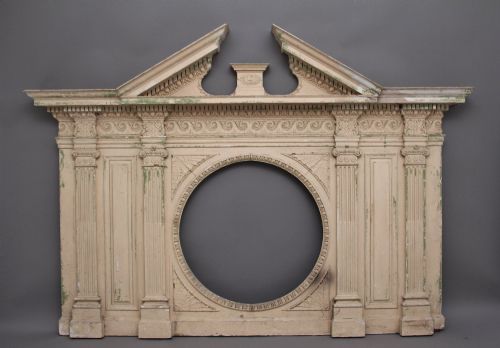
Neoclassical architectural painting works through classical motifs, grand columns, and painted panels to bring stately proportion into domestic rooms.
Neoclassical Architectural Painting
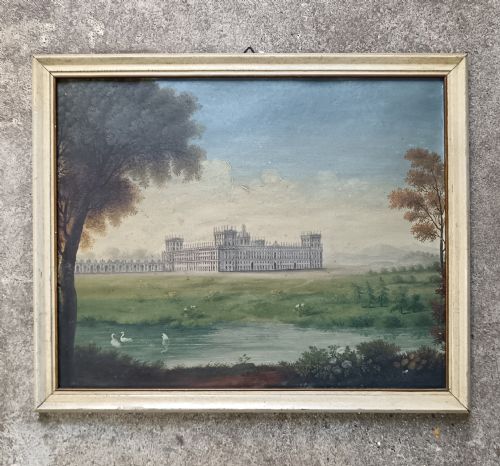
A search for neoclassical architectural painting brings up a diverse group of works and fitted decorative elements spanning the eighteenth, nineteenth, and early twentieth centuries. Buyers encounter framed watercolours of classical ruins alongside painted wooden panels, carved overmantels, and faux marble columns that evoke ancient facades.
The objects here draw heavily on Georgian, Regency, and Grand Tour aesthetics, reflecting a sustained fascination with classical antiquity. Most pieces rely on painted pine, gesso, and giltwood, channelling the architectural grandeur of country houses and continental salons into domestic spaces.
The selection ranges from large triptych overmantle mirrors and trumeaus to detailed watercolours and engravings after ancient models. This mix captures both the actual depiction of classical architecture and the applied painted elements designed to transform a room's interior architecture.
How they were made
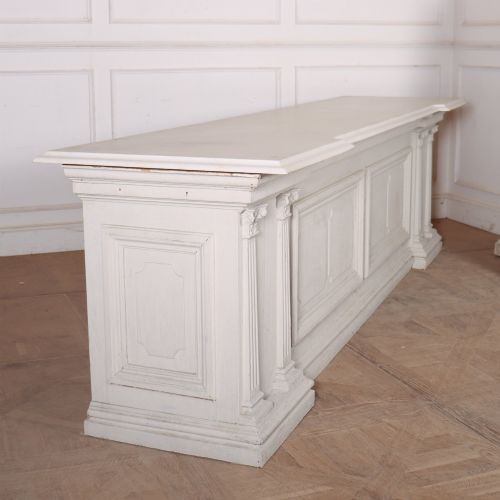
Makers constructed the structural elements using timber such as pine and wood, often building up decorative relief with gesso before applying paint or gilding. Painted surfaces frequently imitate richer materials, resulting in faux marble finishes and parcel-gilt details.
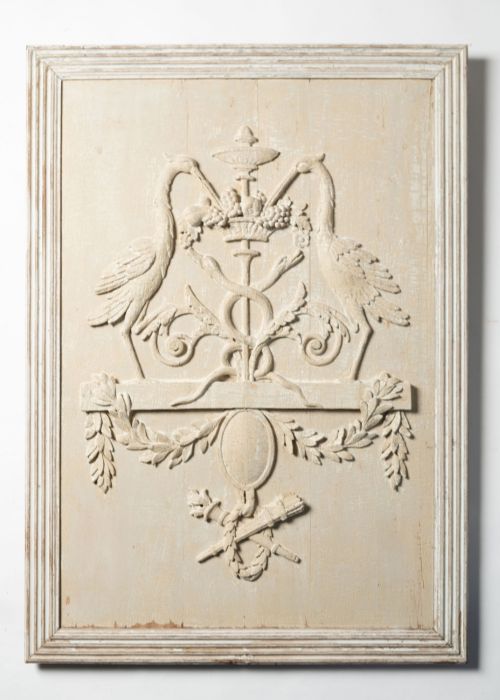
Works on paper and canvas employ watercolour, paint, and ink to render precise views of classical buildings, antiquities, and elaborate interior wall panels. Carved wooden panels and over-door pieces utilise traditional joinery and hand-carving techniques to shape complex architectural mouldings.
Neoclassical Architectural Painting Retail Price Guide 2026
Typical asking prices for neoclassical architectural painting among the pieces listed under this phrase on Sellingantiques today, from the lower quarter to the upper quarter. They describe what is for sale here now, not the wider market.
Listings span from the eighteenth century to the twentieth century, incorporating painted wood, gesso, paper, and glass across various decorative objects.
What varies in quality
The distinction between standard and superior pieces rests on the precision of the hand-carving, the depth of the painted and gilded layers, and the fidelity of the classical proportions. Finer items display crisply rendered Vitruvian scrolls, well-executed faux marbling, and delicate brushwork on watercolours.
Age and original context also determine distinction, as eighteenth-century panels and Grand Tour watercolours carry greater historical weight than later revival pieces. The integration of original paint surfaces and undisturbed giltwood further separates exceptional survivals from heavily restored examples.
Pio Panfili·James Basire
The Neoclassical Architectural Painting Glossary
- Trumeau mirror
- A tall wall mirror featuring an upper panel decorated with a painting or carved relief, typically mounted between windows or above a fireplace. This form became popular in eighteenth-century French and English interiors.
- Grand Tour
- A cultural journey undertaken by wealthy young Europeans to study the art and architecture of Italy and Greece. Souvenirs from these trips included detailed watercolours and architectural prints.
- Giltwood
- Wood that has been coated with a thin layer of gold leaf or gold paint over a prepared gesso base. It is commonly found on Regency and eighteenth-century mirrors and decorative mouldings.
- Vitruvian scroll
- A classical ornamental band composed of repeating wave-like scrolls, named after the Roman architect Vitruvian. It frequently appears on neoclassical picture frames and fireplace friezes.
- Overmantle
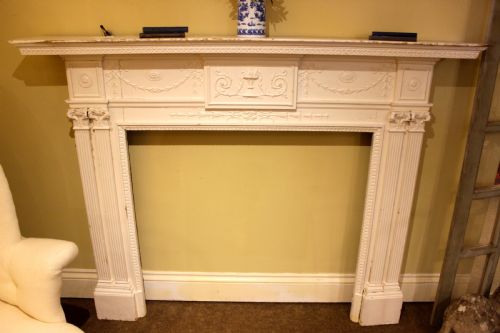
- A decorative painting, mirror, or panel specifically designed to be positioned directly above a fireplace mantelpiece. These pieces often anchor the decorative scheme of a formal room.
Neoclassical Architectural Painting: Frequently Asked Questions
What is a neoclassical architectural painting?
These works depict classical ruins, interior wall panels, and ancient structures, capturing the aesthetic ideals of Greece and Rome.
They serve as both framed artworks and records of the Grand Tour, reflecting a broader cultural engagement with classical antiquity.
How were painted architectural panels used?
Makers designed these wooden panels to be integrated directly into room interiors, over-doors, and overmantles.
They created the illusion of grand stately spaces and classical proportions within ordinary domestic settings.
How do I date a painted wooden overmantle?
Dating relies on examining the underlying pine timber, the composition of the gesso layers, and the style of the hand-carved mouldings.
Eighteenth-century examples typically show different tool marks and paint stratifications compared to later nineteenth-century revivals.
How do I care for antique giltwood frames?
Giltwood requires a stable indoor environment away from direct sunlight, excessive heat, and high humidity to prevent the gesso from cracking.
Dusting should be done gently with a soft, dry brush, avoiding any moisture or chemical cleaning agents.