


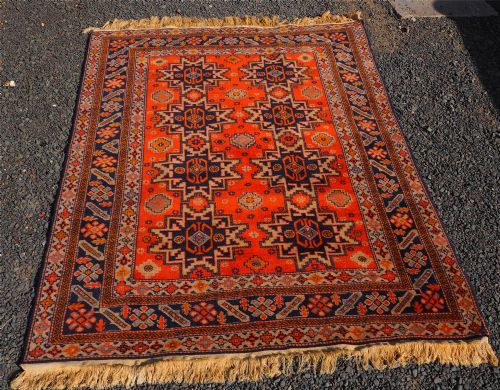
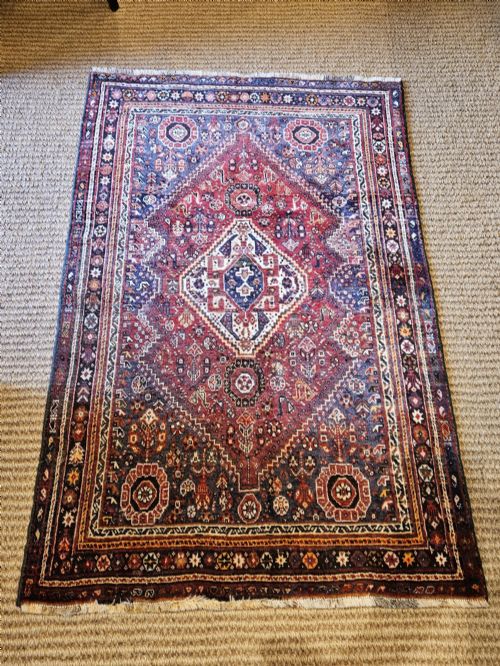
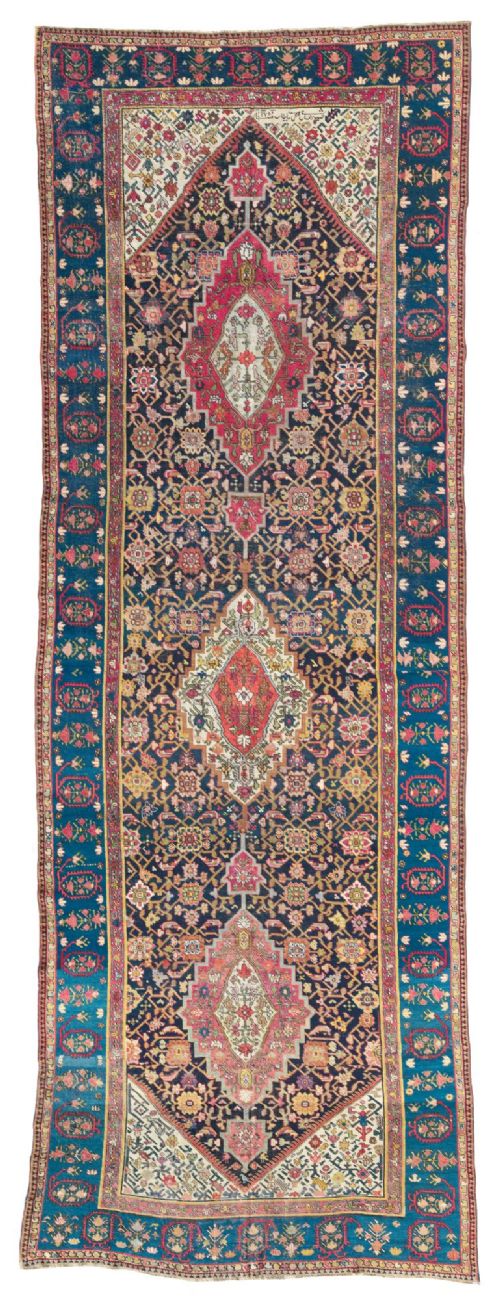

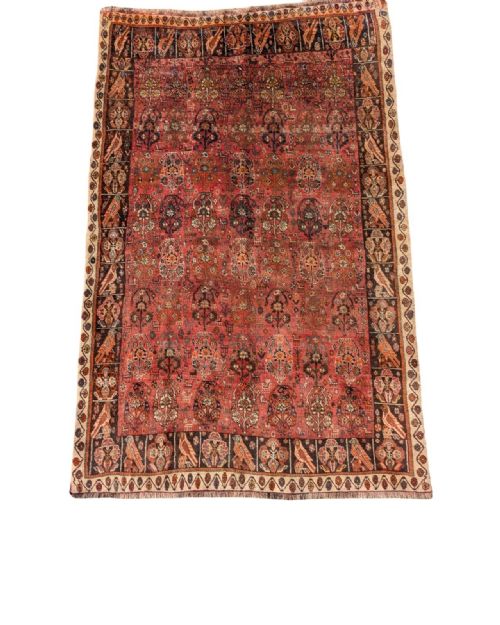
Navy Wool Runner Rug
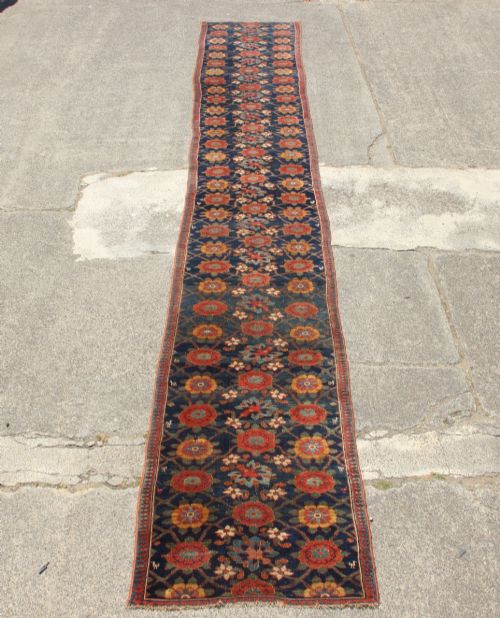
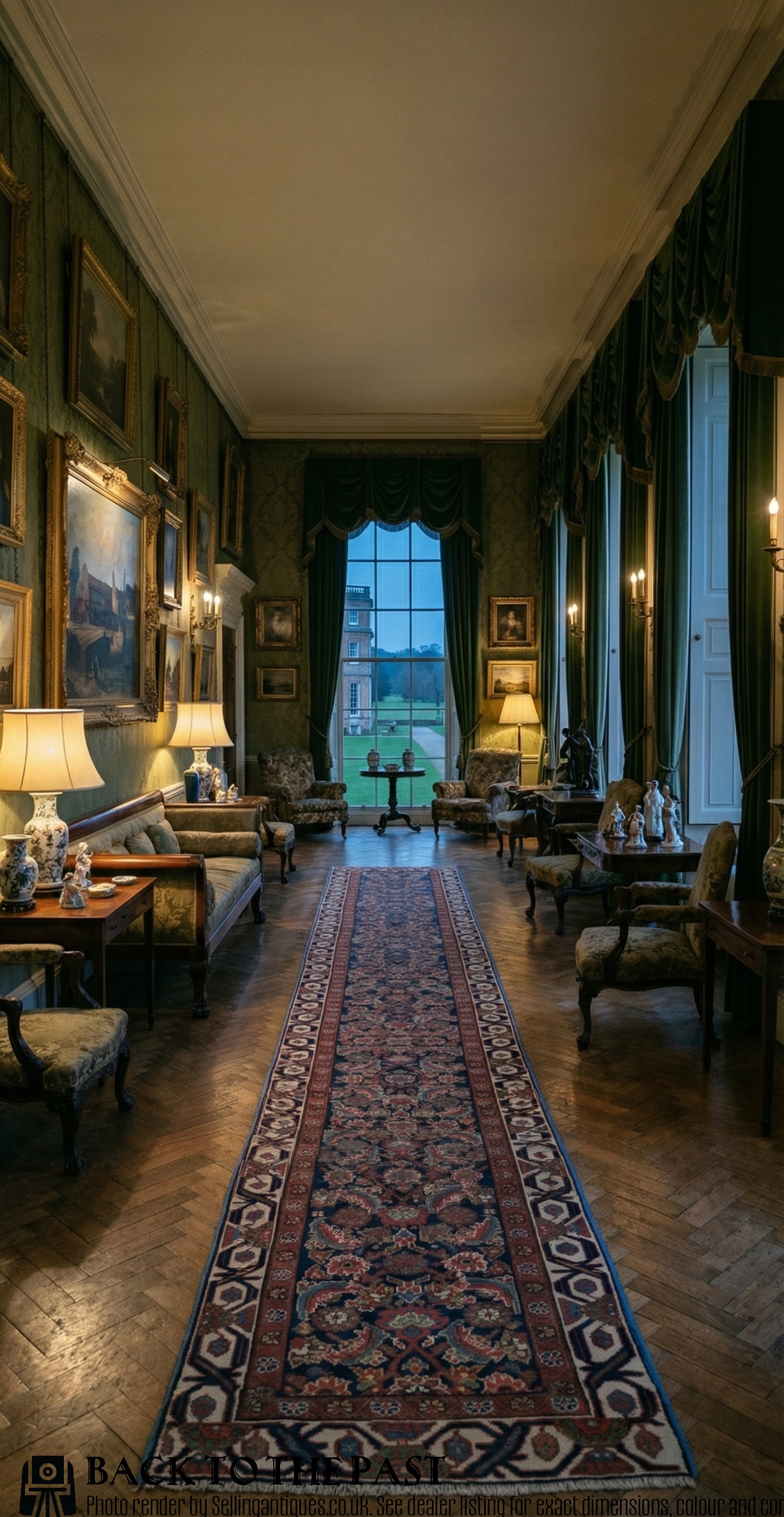
A navy wool runner rug brings deep indigo tones and elongated proportions to a hallway, grounding a narrow space with durable woven warmth.
Navy Wool Runner Rug
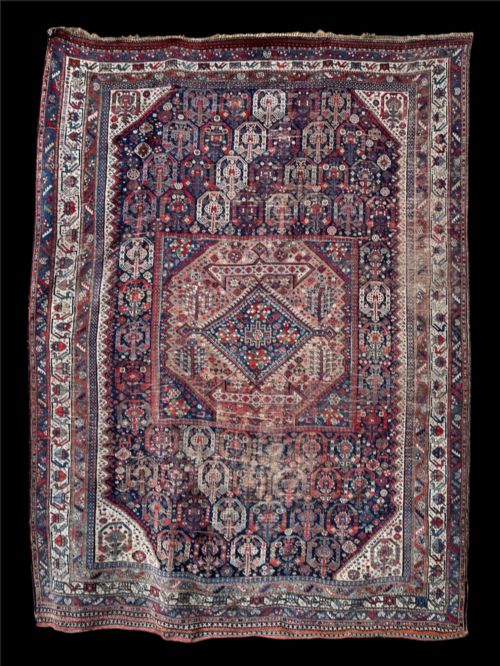
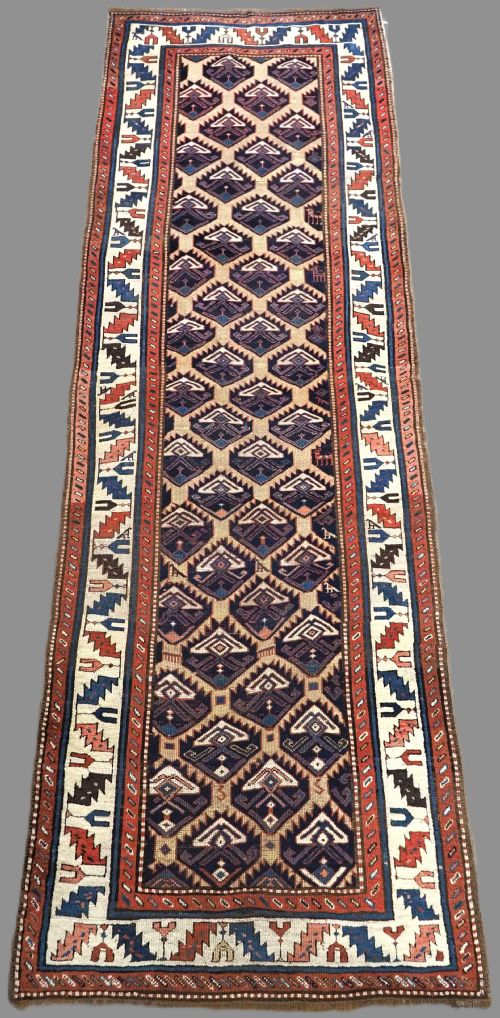
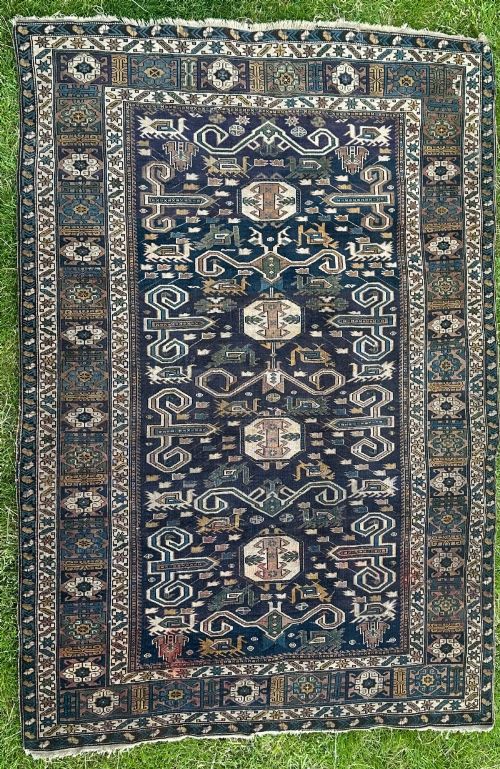
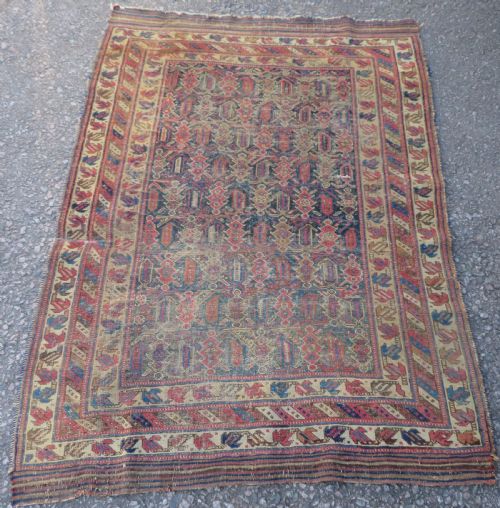
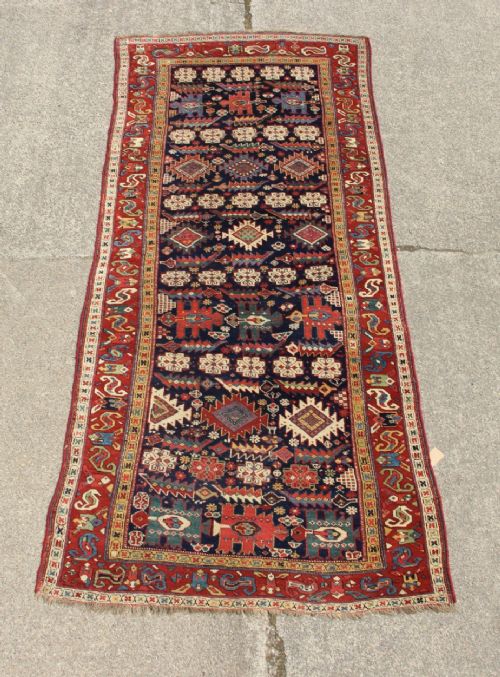
A navy wool runner rug forms a linear floor covering designed primarily for corridors, halls, and narrow interior spaces. The selections span various traditional origins, drawing heavily from Persian tribal, Caucasian, and Kurdish weaving traditions dating from the mid-nineteenth century through the early twentieth century.
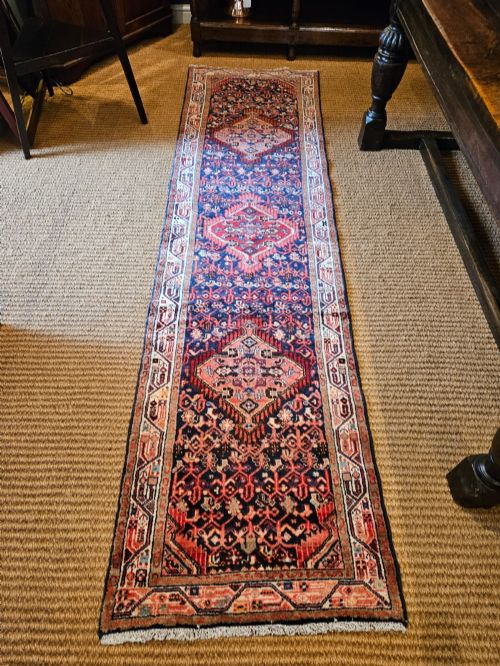
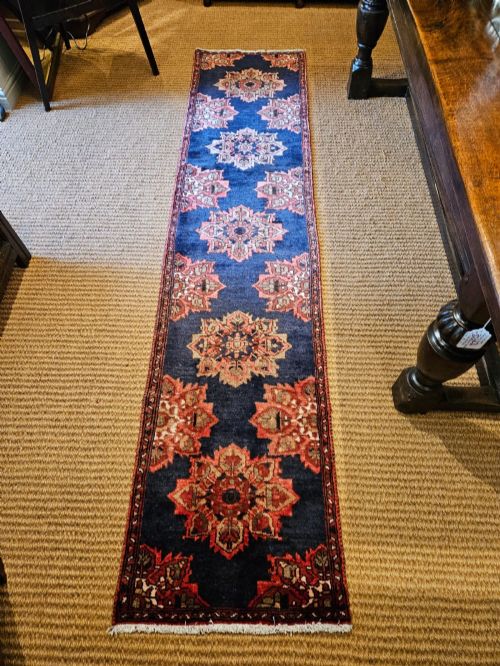
Buyers encountering this phrase will find long, narrow formats that incorporate wool pile and occasionally cotton foundations. These pieces utilise rich dark blue grounds paired with intricate geometric medallions, lattice motifs, or all-over botanical designs.
Examples on this page reflect diverse regional aesthetics, from the geometric rigidity of Caucasian runners to the fluid floral fields found in Persian village carpets. Each piece serves the practical purpose of protecting high-traffic flooring while introducing historical textile artistry to the home.
How they were made
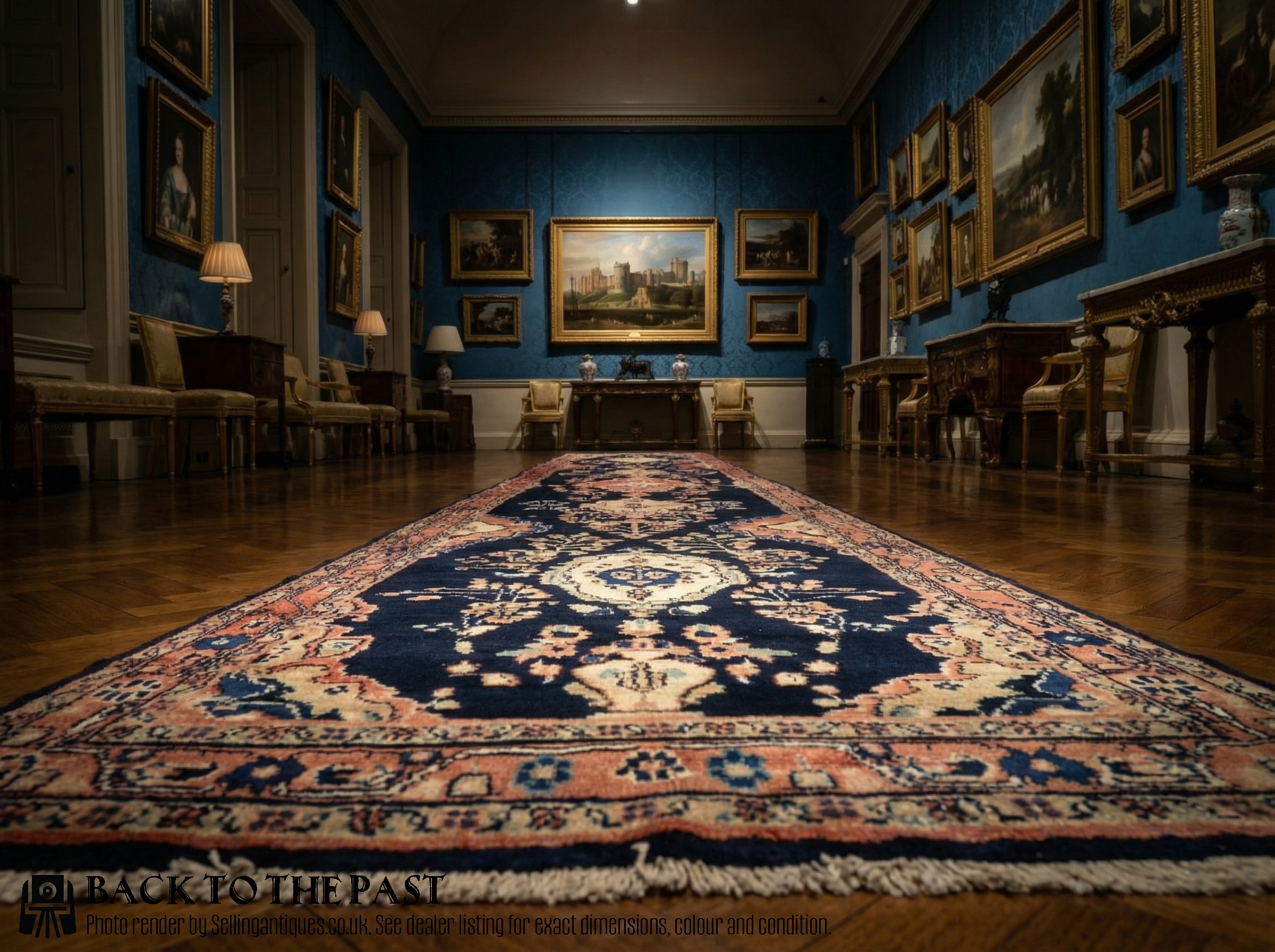
These textiles rely principally on wool, hand-spun wool, and cotton materials combined through traditional hand-knotting techniques. Weavers constructed foundations using cotton or wool warp and weft threads before tying dense piles knot by knot.
Dyers utilised natural materials to achieve the characteristic navy blue and contrasting rust, ivory, or polychrome shades seen across the pile. The resulting structure yields a dense, resilient textile capable of enduring generations of foot traffic.
Navy Wool Runner Rug Retail Price Guide 2026
Typical asking prices for navy wool runner rug among the pieces listed under this phrase on Sellingantiques today, from the lower quarter to the upper quarter. They describe what is for sale here now, not the wider market.
Listings feature pieces spanning the mid-nineteenth century to the 1930s, utilising wool, cotton, and hand-spun wool.
What varies in quality
Knot density and structural integrity dictate the upper tier of these textiles, separating finely worked village and tribal pieces from simpler utility formats. Tighter knots allow intricate lattice designs and boteh patterns to render with sharper definition and longevity.
The choice of wool also influences grade, where hand-spun variations retain natural lanolin that enhances sheen and resistance to wear. Colour saturation and the complexity of the dye palette further elevate a piece, distinguishing standard room-edge runners from masterworks.
The Navy Wool Runner Rug Glossary
- Runner
- A long, narrow carpet format specifically suited for hallways, corridors, and stairs. These pieces guide movement through a home while defining linear floor spaces.
- Pile
- The upright yarn loops or cut ends that form the soft surface of a rug. This layer absorbs foot traffic and protects the structural foundation underneath.
- Warp
- The vertical foundation threads stretched tightly on the loom before weaving begins. Weft threads intersect these to lock the knots securely in place.
- Boteh
- A teardrop or almond-shaped motif with a curved upper end, originating in Persian art. This ancient symbol represents cypress trees, flames, or floral sprays.
- Kelleh
- A large, elongated Persian carpet format that is narrower than a standard room-sized rug but wider than a typical corridor runner.
Navy Wool Runner Rug: Frequently Asked Questions
Where should I place a runner rug?
These elongated floor coverings fit naturally into hallways, entryways, and narrow corridors where traditional rectangular rugs do not function. They soften hard flooring and absorb sound in high-traffic passageways.
Position them with adequate bare floor visible on either side to frame the length properly. They also work effectively alongside long kitchen islands or beside bedroom furniture.
How do I clean an antique wool rug?
Regular gentle vacuuming without a rotating brush roll removes surface dirt and prevents dust from settling into the wool pile. Address spills immediately by blotting with a clean cloth rather than rubbing the fibres.
Professional specialist cleaning remains necessary for deep maintenance to protect natural dyes and fragile foundations. Avoid harsh chemical detergents and excessive moisture.
What is the difference between a village and tribal rug?
Tribal rugs originate from nomadic or semi-nomadic groups weaving from memory and tradition, resulting in bold geometric patterns and spontaneous colour changes. Village rugs are produced by settled communities working in fixed workshops with slightly more structured designs.
Both categories rely on hand-knotted techniques using local wool. Village pieces often incorporate more refined floral elements compared to pure tribal symbols.
How do I date an antique runner?
Dating relies on analysing the wool quality, dye palette, structural symmetry, and stylistic motifs associated with specific regional weaving periods. Natural colour variations and hand-spun textures often point towards nineteenth or early twentieth-century production.
Examining the selvedges and fringe construction provides additional clues about the origin and age of the piece. Comparing known design structures helps narrow down the decade of manufacture.