





Navy Floor Runner
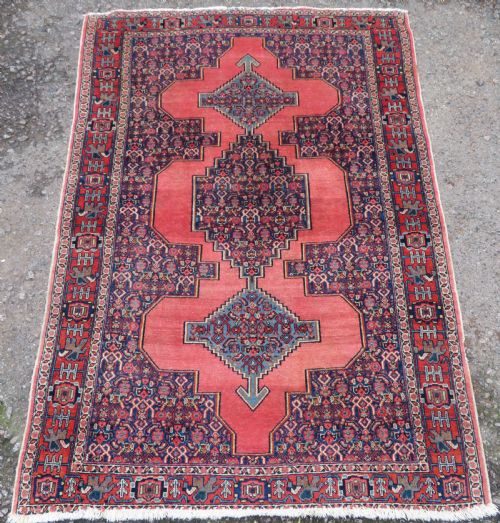
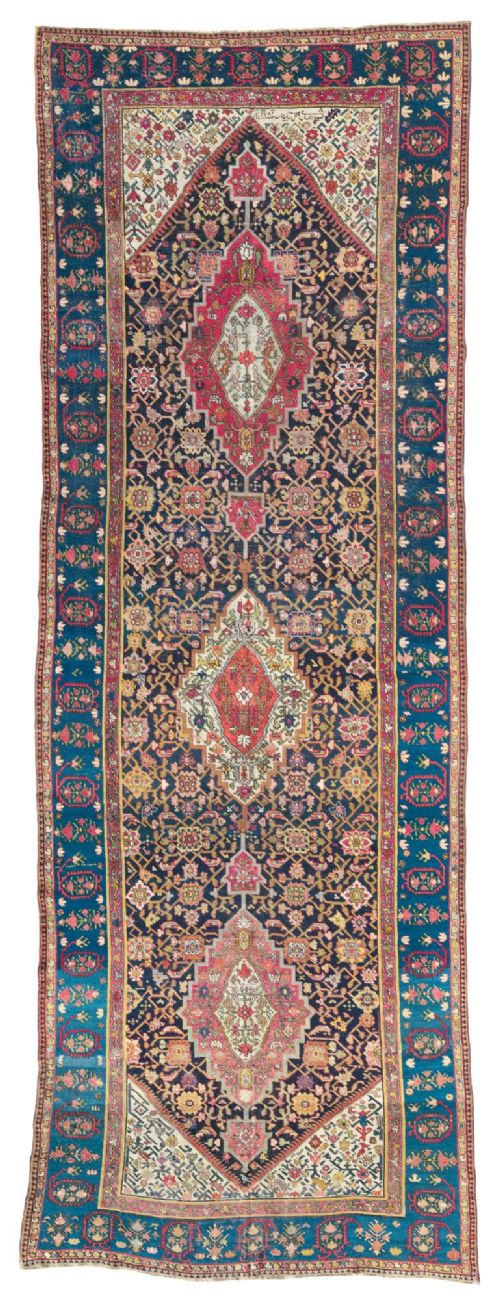
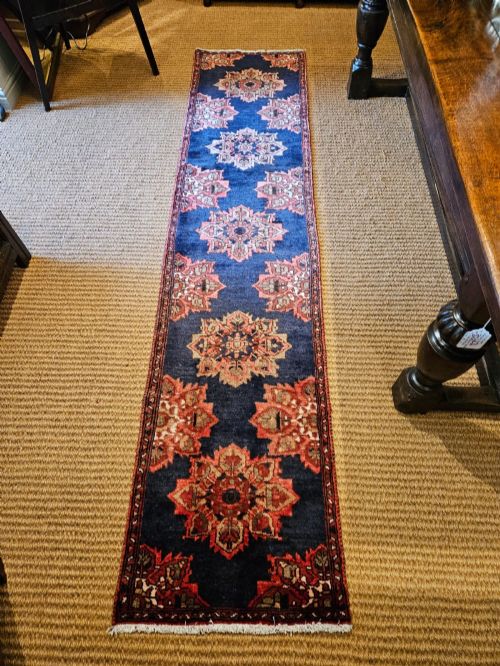
A navy floor runner brings grounded colour and rich pattern to a long hallway, offering durable wool construction suited to heavy footfall.
Navy Floor Runner
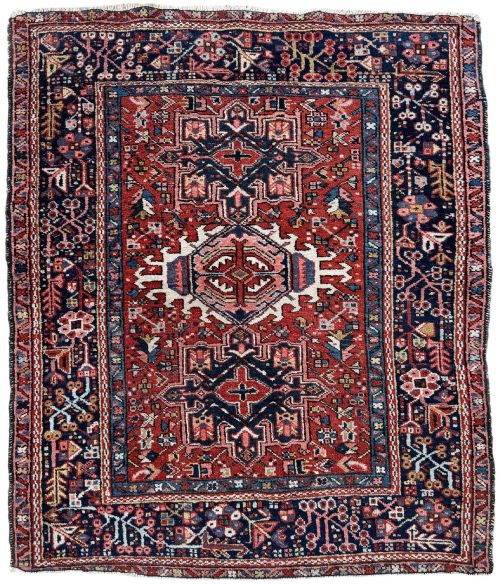
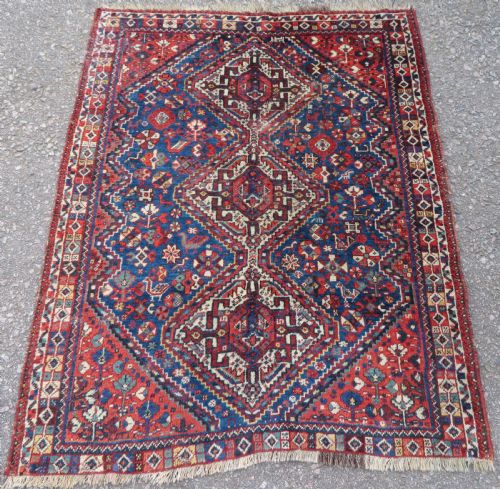
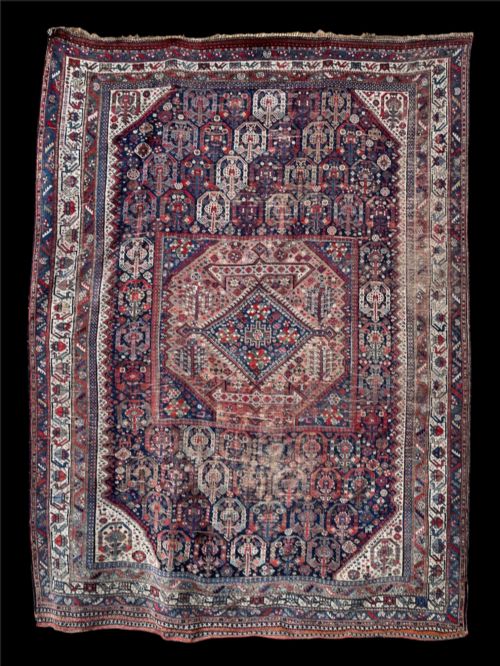
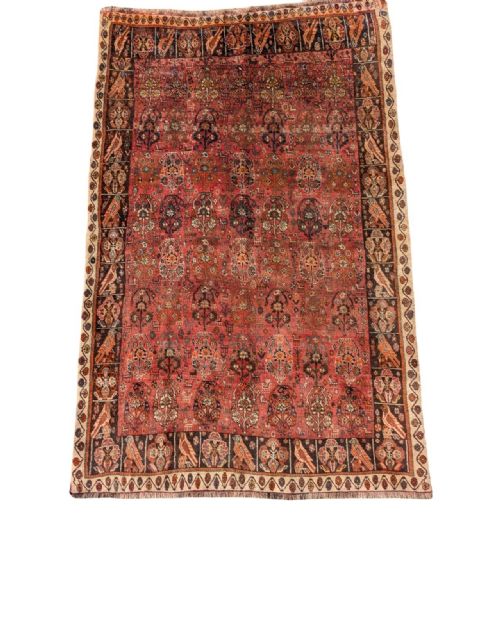
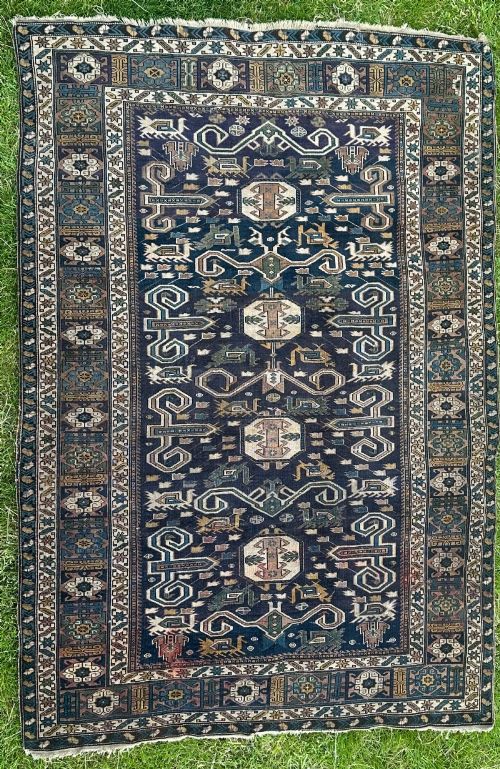
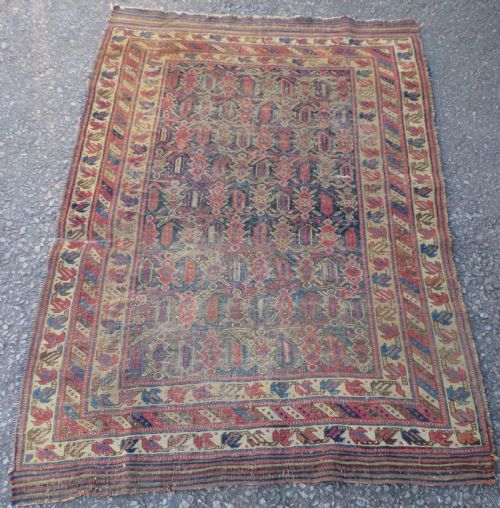
A navy floor runner provides a practical yet decorative textile solution for narrow spaces such as corridors and passageways. When searching for a navy floor runner, buyers encounter antique and vintage pieces originating from Persian and Caucasian weaving traditions.
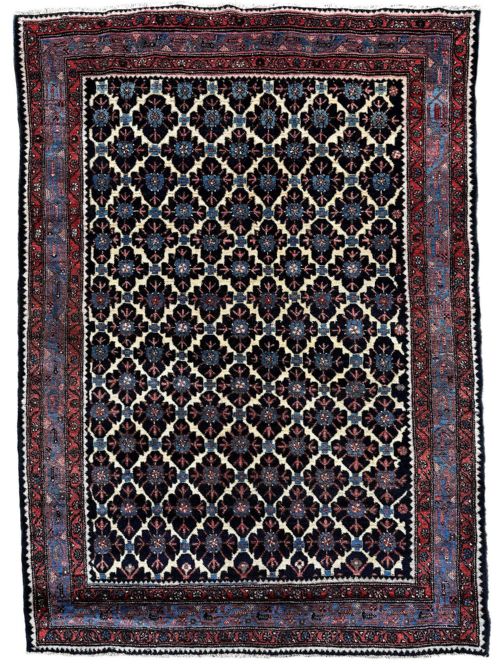
The selection includes long format pieces such as runner rugs and hallway runners alongside larger carpets and rugs adapted by shape. These textiles span periods from the nineteenth century through the early decades of the twentieth century.
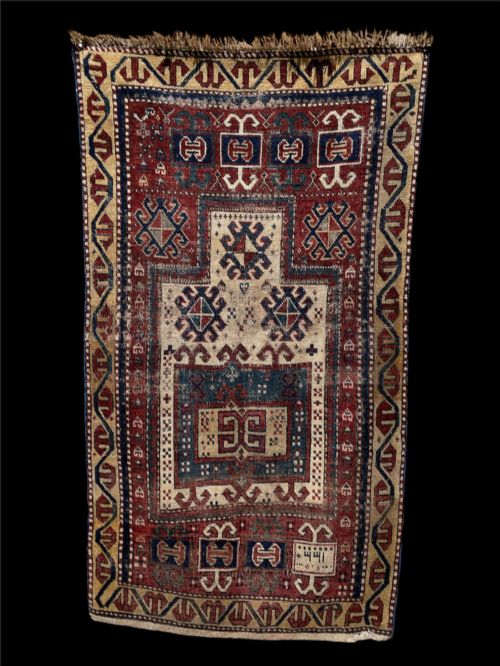
Tribal and village workshops produced the majority of these pieces, bringing geometric and floral designs to narrow formats. The most common manifestations on this page are antique village runners and tribal carpets in wool.
Assessing quality and character
Quality in a navy floor runner rests upon the tightness of the knotting and the fineness of the wool utilised by the weaver. Finer foundation work allows intricate tribal or floral motifs to remain sharp and well-defined over time.
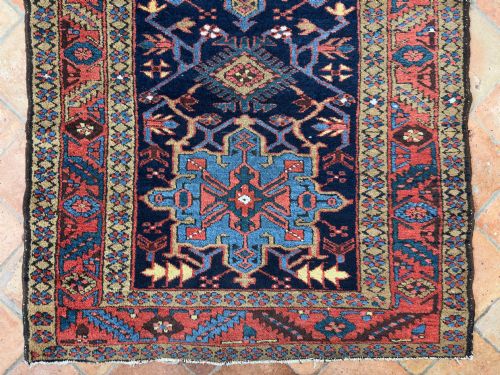
The nuance and depth of the navy dye ground separate standard production from superior examples. Natural variations in tone across the wool indicate traditional dyeing methods that age gracefully with use.
Navy Floor Runner Retail Price Guide 2026
Typical asking prices for navy floor runner among the pieces listed under this phrase on Sellingantiques today, from the lower quarter to the upper quarter. They describe what is for sale here now, not the wider market.
weavers occasionally included stray animal hairs and minor knotting irregularities within the wool pile as a mark of genuine hand-knotted origin.
The Navy Floor Runner Glossary
- Runner
- A long, narrow carpet format designed specifically for hallways, corridors, and stairs. These pieces balance length with restricted width.
- Kelleh
- A large, room-sized carpet format that is noticeably longer than it is broad, often sharing proportions with extended runners. It represents a traditional Persian weaving size.
- Prayer rug
- A small rug featuring a mihrab or niche design used historically for daily devotions. These pieces often display concentrated symbolic motifs.
- Tribal
- Pertaining to nomadic or semi-nomadic groups whose weaving traditions rely on memory, local materials, and distinct geometric iconography. These designs diverge from formal city workshop patterns.
Navy Floor Runner: Frequently Asked Questions
How do I clean a wool runner?
Regular gentle vacuuming without a beater bar removes surface grit from wool floor runners. Professional textile cleaning is necessary for deep washing to protect natural dyes.
Avoid excessive moisture and harsh chemical detergents. Allowing air drying prevents damage to the cotton or wool foundation.
Are these runners durable for hallways?
Traditional hand-knotted wool textiles withstand heavy household traffic. Dense knotting and resilient animal fibres provide natural resistance to wear.
Using a quality underlay prevents slipping and cushions the foundation against hard flooring. This simple addition extends the lifespan of vintage runners.
What periods do these pieces date from?
The inventory spans the nineteenth century and the early twentieth century, including pieces from the eighteen-eighties through the nineteen-thirties. Each era brings distinct regional dye palettes and weaving structures.
Older examples often display hand-spun wool and vegetable-derived indigo tones. Dating relies on stylistic analysis and structural examination.
How do I identify tribal designs?
Tribal designs feature repeating geometric medallions, stylized animals, and hooked motifs woven from memory by nomadic artisans. These patterns differ from the curved floral scrolls of urban workshops.
Asymmetrical structures and spontaneous colour shifts often indicate village or tribal origins. Each group utilised specific symbols passed down through generations.