


Nautical Vessel Painting
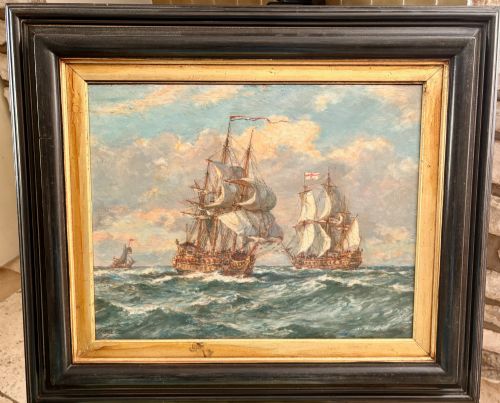
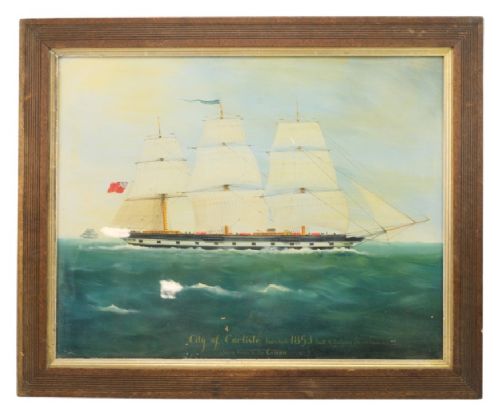
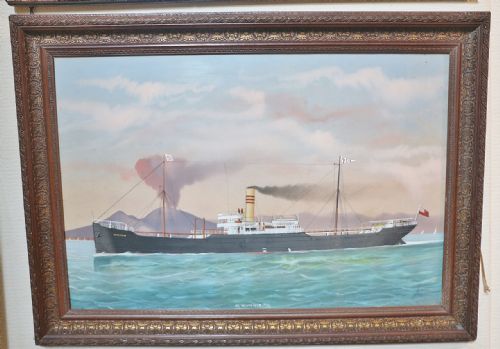
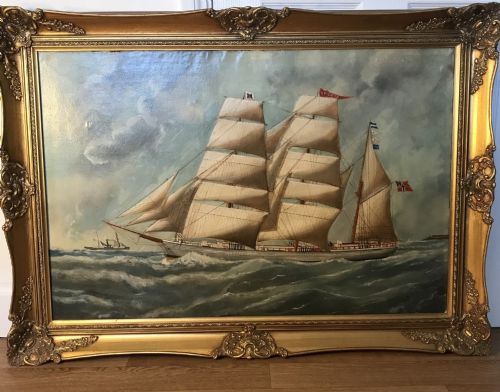
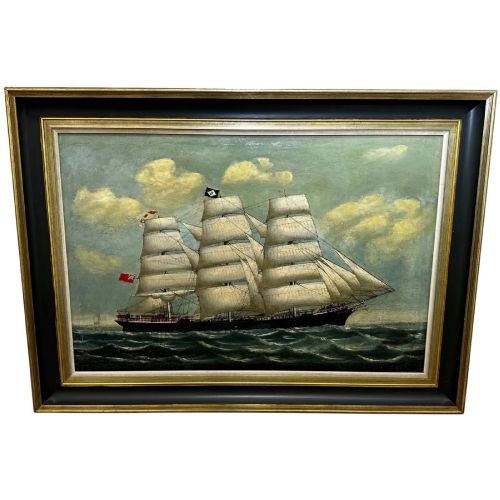
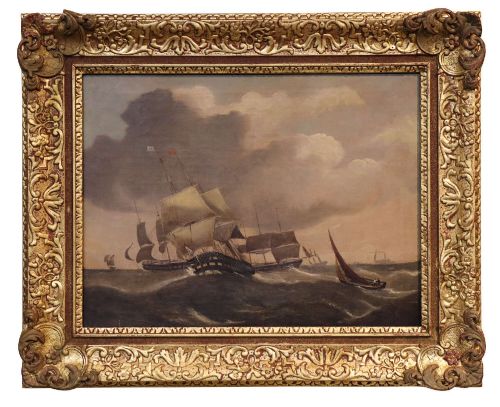
A nautical vessel painting captures the movement of warships, steamships, and sailing vessels across open water through the eyes of artists working from the nineteenth century onwards.
Nautical Vessel Painting
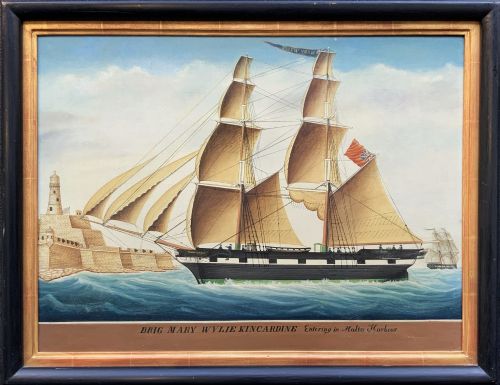
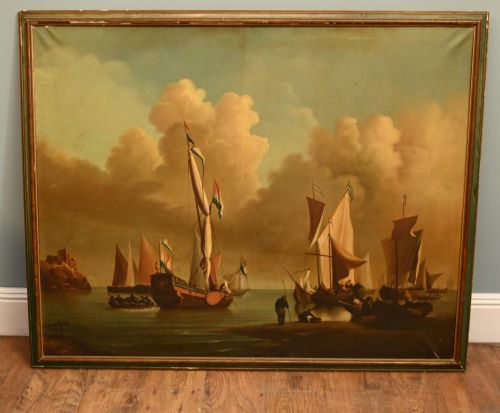
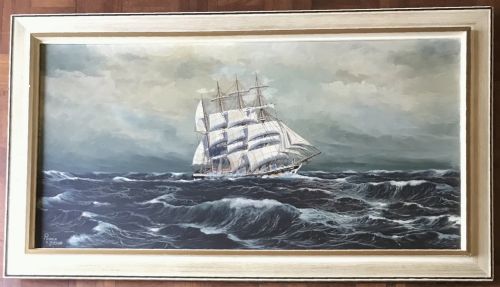
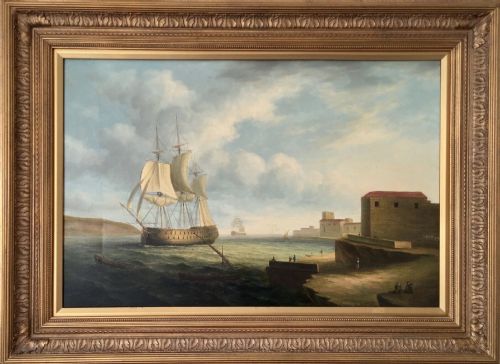
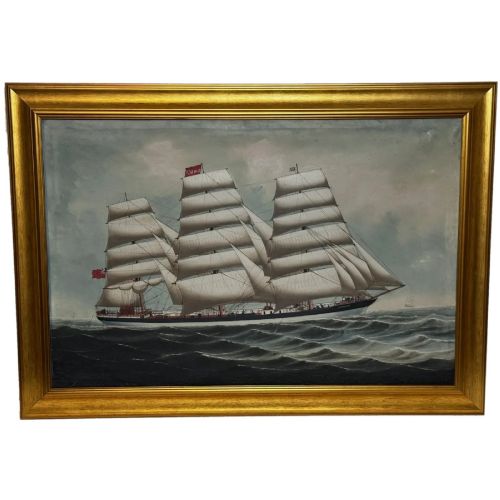
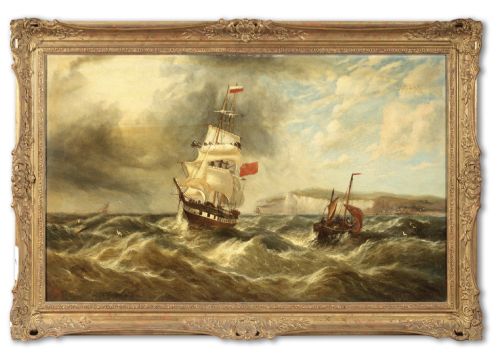
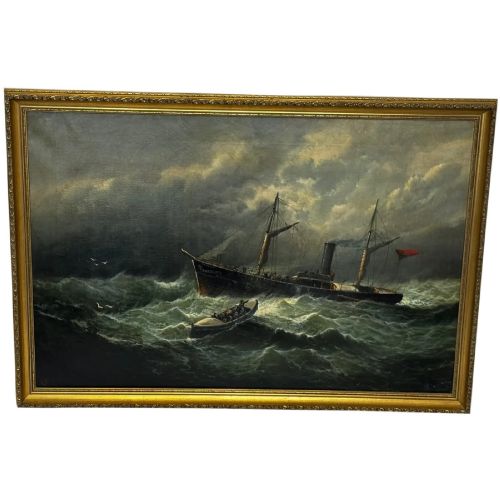
A nautical vessel painting focuses on the depiction of ships at sea, ranging from traditional sailing barques and galleons to steamships and naval ironclads. Collectors searching for a nautical vessel painting will encounter works produced across various periods, including Victorian maritime scenes and mid-century depictions.
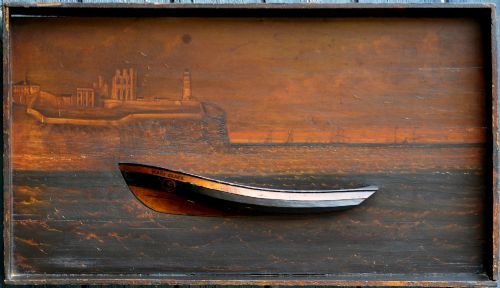
The works available in this category span flat oil paintings on canvas or panel, detailed watercolours, gouache portraits, and three-dimensional shadow boxes or dioramas. Many pieces record specific historical vessels, named merchant ships, and coastal harbours.
Framed watercolours and oil paintings from the Edwardian era and the nineteenth century form the core of what buyers will discover. These pieces frequently document maritime history, featuring named vessels in calm coastal waters or stormy seas.
Materials and Technique
Artists rendering a nautical vessel painting relied primarily on oil paint applied to canvas, wood panels, or board to build up depth in the water and sky. Watercolours and gouache on paper were equally common for detailed portraits of specific ships.
Framed pieces often incorporate glass protection over paper works, whilst wooden frames complete oil paintings on canvas. Folk art examples and dioramas incorporate wood, glass, and mixed media to create layered maritime scenes.
Listings span works executed in oil, watercolour, and gouache across the nineteenth and twentieth centuries.
Factors That Determine Quality
The quality of a nautical vessel painting rests upon the precision of the ship's rigging, hull construction, and architectural details relative to the specific vessel portrayed. Hand-painted works by listed maritime artists demonstrate superior brushwork in rendering turbulent water, sky gradients, and atmospheric light compared to amateur efforts.
Provenance and documentation also separate standard decorative works from desirable pieces, particularly when a painting identifies a specific historical ship, engagement, or pierhead location. The condition of the canvas, paper, and original framing contributes significantly to the integrity of the piece.
Bernard Gribble·William Frederick Settle·Vincenzo D Esposito·Daniel Sherrin·Dion Pears
The Nautical Vessel Painting Glossary
- Pierhead painting
- A specific genre of ship portrait created for sailors and shipowners, typically depicting a vessel arriving at or departing from a named port.
- Gouache
- An opaque water-based medium that allows artists to build bright highlights on water and ship sails.
- Barque
- A sailing vessel with three or more masts, where the sternmast is rigged fore-and-aft and the others are square-rigged.
- Diorama
- A three-dimensional model display enclosed in a case, combining painted backgrounds with carved wooden ship figures.
Nautical Vessel Painting: Frequently Asked Questions
Are watercolours as durable as oil paintings?
Watercolours on paper are more sensitive to light and moisture than oil paintings on canvas or wood panel. They require protective glazing and acid-free mounting to prevent fading over time.
Oil paintings offer greater resilience, though the canvas and ground layers still benefit from stable indoor environments away from direct sunlight.
What is the difference between a painting and a diorama?
A standard painting is a two-dimensional work executed on canvas, paper, or panel using oil, watercolour, or gouache. A diorama is a three-dimensional constructed scene featuring carved or modelled ships set against a painted backdrop, usually housed in a wooden and glass case.
Dioramas were often created by sailors or specialised folk art workshops to give a realistic sense of depth to ships at sea.
How should I display maritime art at home?
Maritime art suits rooms with stable humidity and indirect lighting to protect paper works and oil surfaces from degradation. Heavy gilt frames common to nineteenth-century pieces require secure wall fixings suited to their substantial weight.
Grouping works by period or subject matter, such as pairing steamship watercolours with traditional sailing ship oils, creates a cohesive display.