


Nautical Oil Wall Artwork
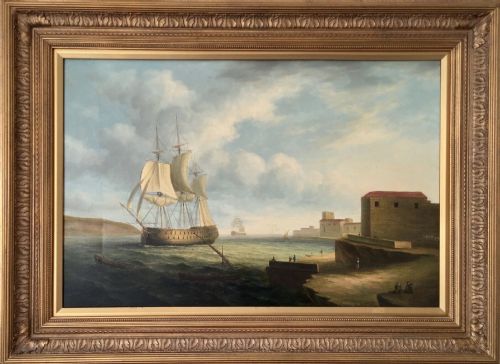
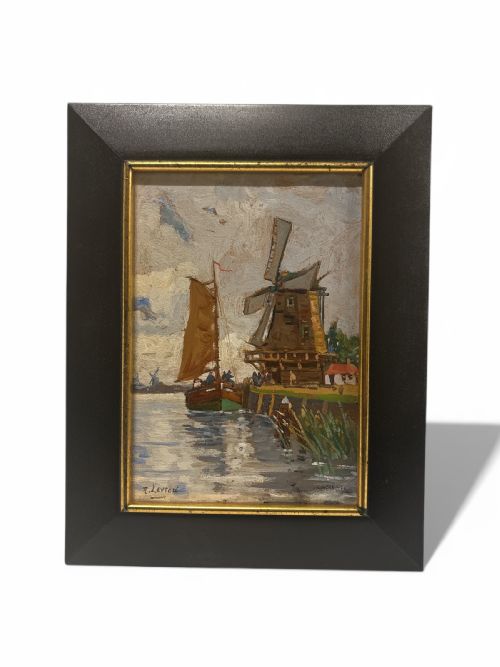
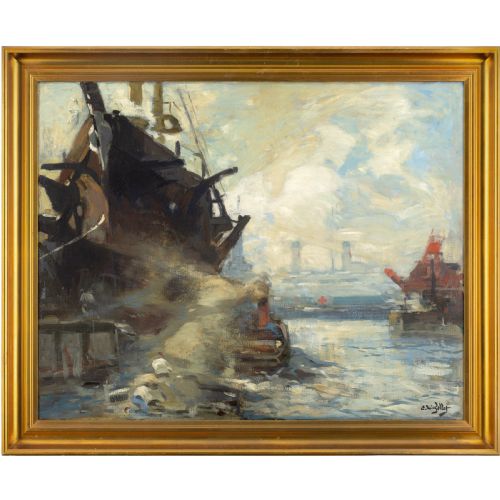
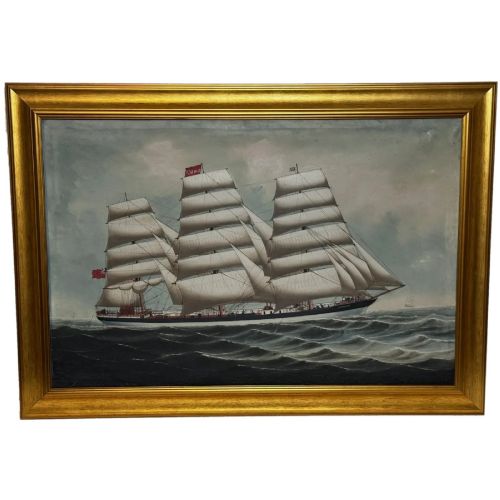
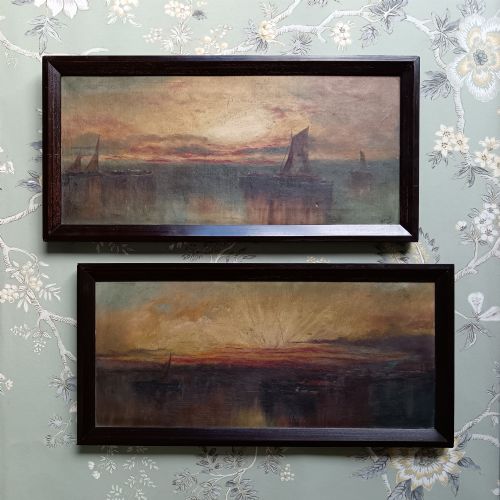
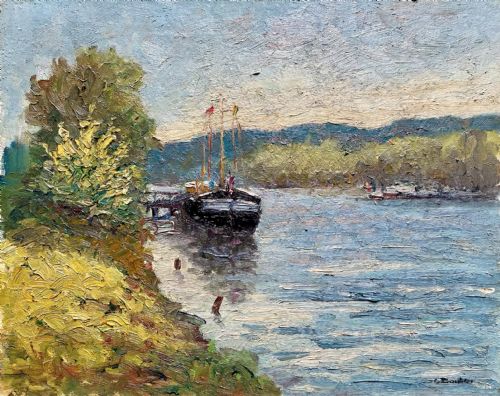
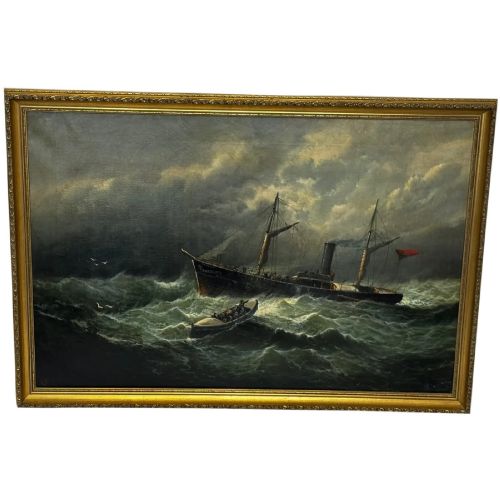
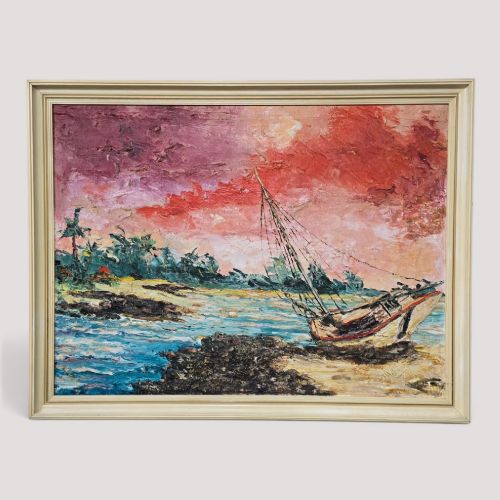
When you want nautical oil wall artwork, you are looking at painted maritime scenes on canvas, panel, or board that capture vessels and coastal waters.
Nautical Oil Wall Artwork
Nautical oil wall artwork spans periods from the nineteenth century through the Edwardian era into the mid twentieth century, recording ships, harbours, and coastal weather. You will frequently find Victorian and Edwardian maritime paintings alongside mid-century interpretations of the sea.
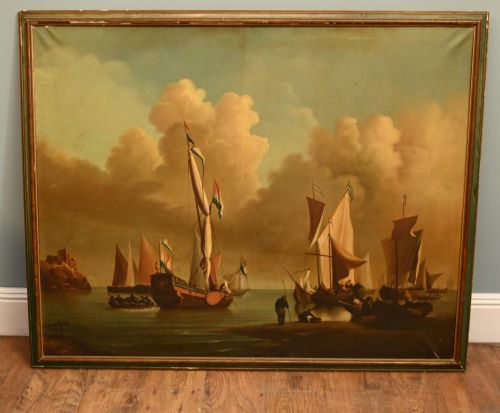
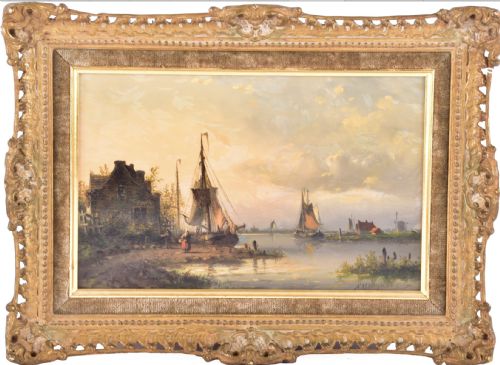
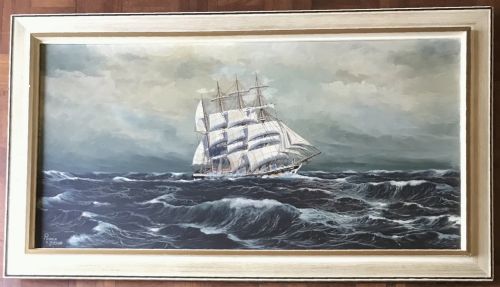
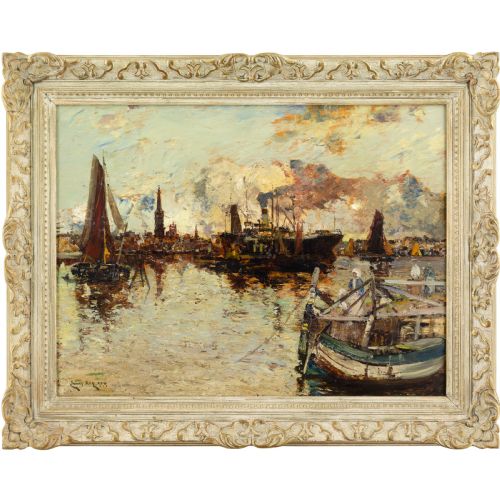
The subjects range from warships and tall ships to steamships, fishing boats, and quiet harbour views. These works translate the movement of water and the detail of rigging onto canvas or board for interior display.
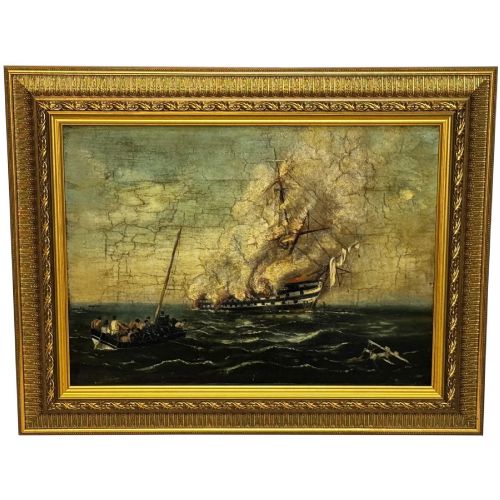
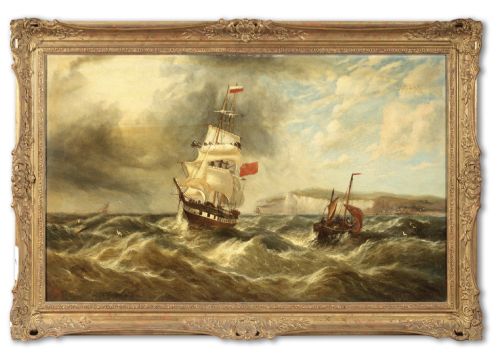
Compositions vary from dramatic storm scenes with vessels in distress to tranquil coastal landscapes and pierhead portraits of named ships. Each piece reflects the maritime preoccupations of its period, whether commercial trade, naval power, or leisure sailing.
Materials and methods
Artists painted primarily with oil paint on stretched canvas, wooden panels, or supporting boards, often applying thick impasto to render churning waves or smooth glazes for calm skies. These mediums allowed painters to build up luminous depths of water and atmospheric coastal light.
Many surviving pieces retain their original or period gilt frames, which provide a heavy wooden and gilded border designed to complement the maritime subject matter. The combination of oil pigments and varnishes has helped these surfaces endure across the decades.
Several artists captured vessels with names as grand as Ocean Gypsy and Flying Cloud, reminding us of the romance once tied to a simple wooden hull.
Evaluating quality
Quality rests upon the artist's command of maritime architecture, rigging accuracy, and the fluid movement of water. Stronger works demonstrate a precise understanding of vessel construction combined with convincing atmospheric conditions.
Compositional balance and the handling of light separate more accomplished paintings from standard decorative pieces. The treatment of the sky and sea together creates a cohesive space that draws the eye into the painted scene.
Eugène-Louis Gillot·William McAlpine·Bernard Gribble·Bonaventura Peeters·Abraham Hulk I
The Nautical Oil Wall Artwork Glossary
- Oil on Canvas
- A painting medium where oil-based pigments are applied to a woven fabric support stretched across a wooden frame. This combination allows for rich colour blending and textured brushwork.
- Giltwood
- Wood that has been coated with a thin layer of gold leaf or gilt paint, commonly found on traditional frames surrounding maritime paintings. It adds a warm reflective border to the artwork.
- Maritime Realism
- An artistic style focused on the accurate depiction of ships, oceans, and coastal environments without excessive romanticism. Practitioners paid close attention to nautical detail and marine weather.
- Impasto
- A technique where paint is laid onto a surface in very thick areas, usually thick enough that the brush or palette-knife strokes are visible. This method brings a tactile, three-dimensional quality to crashing waves and billowing sails.
- Pierhead Painting
- A specialised genre of marine art depicting specific commercial or naval vessels, often commissioned by ship captains or owners. These works typically show the ship entering or leaving a known port.
Nautical Oil Wall Artwork: Frequently Asked Questions
What subjects appear in these paintings?
The subjects include tall ships, merchant vessels, steamships, and fishing boats navigating both calm coastal waters and stormy seas. You will also find specific harbour views and pierhead portraits of named ships.
These scenes document the maritime history, naval engagements, and commercial shipping lanes of the nineteenth and twentieth centuries.
How do I date a maritime oil painting?
Dating relies on clues within the subject matter, such as the transition from sailing barques to WWI steamships, alongside framing styles and artist signatures. Costume details on any figures present also offer chronological markers.
Stylistic shifts from Victorian maritime realism to Edwardian and post-impressionist interpretations further help place a work in its proper decade.
Where were these maritime scenes painted?
Artists recorded scenes along British coasts, European ports such as Palermo and Antwerp, and open waters worldwide. Many painters travelled extensively to observe naval manoeuvres and commercial shipping firsthand.
Local harbours and coastal landmarks frequently served as direct inspiration for plein-air studies and finished studio canvases.