


Nautical Maritime Antiques
Nautical maritime antiques bring the salt air and timber of open water indoors through canvases, brass, and carved wood.
Nautical Maritime Antiques
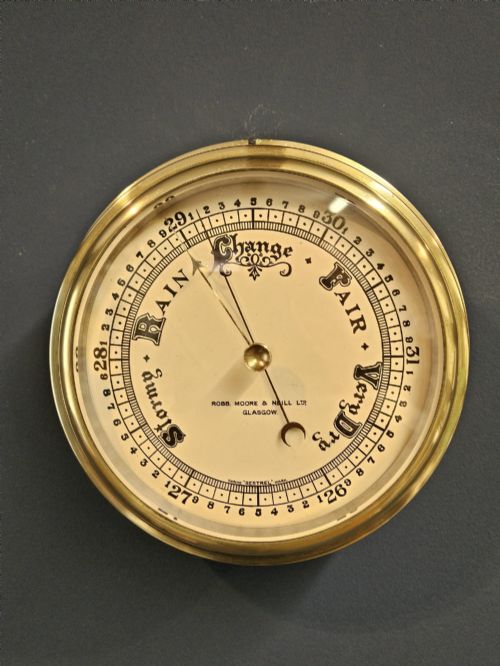
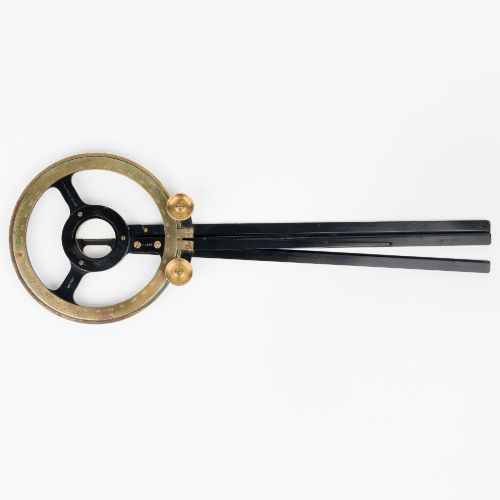
When you search for nautical maritime antiques, you encounter pieces that capture seafaring life, naval history, and coastal trade across centuries. These objects reflect humanity's long engagement with the oceans, ranging from practical equipment to fine art created by artists drawn to the water.
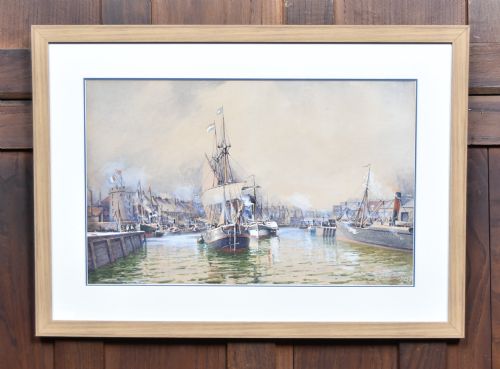
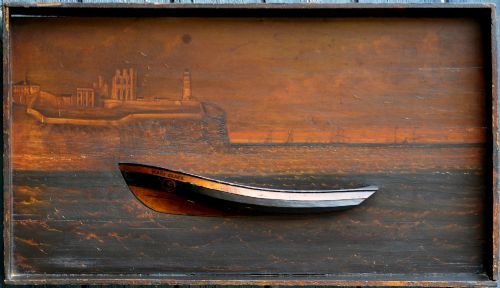
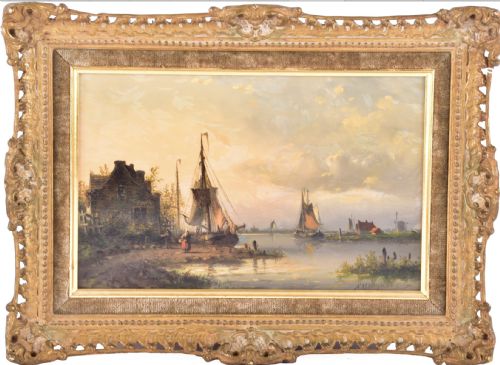
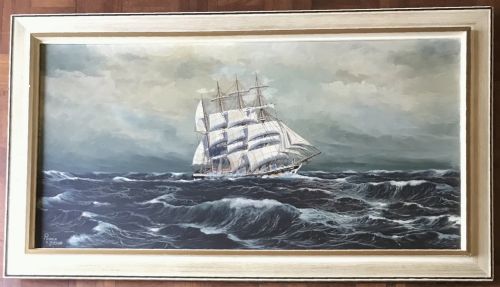
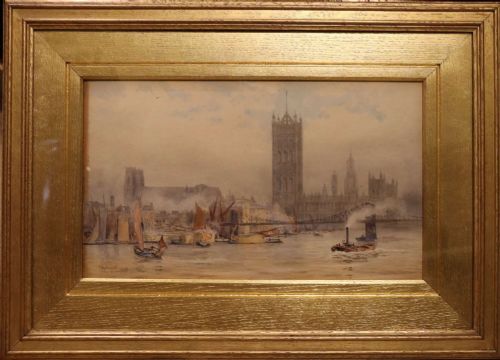
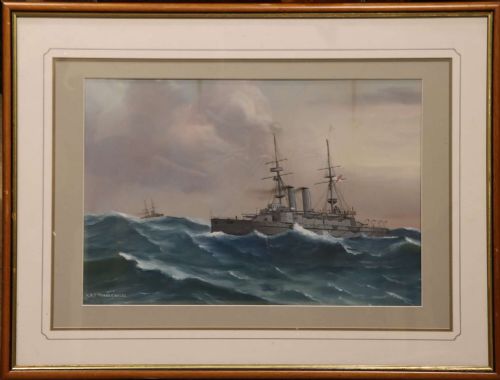
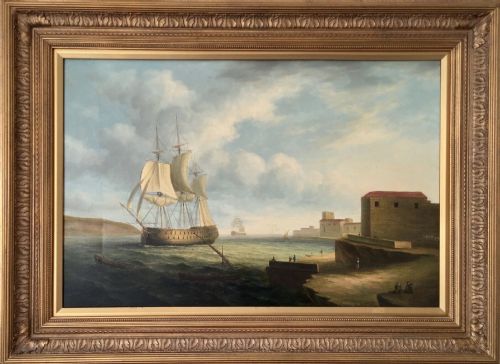
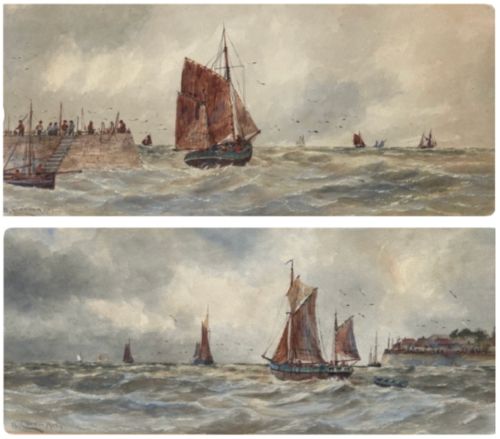
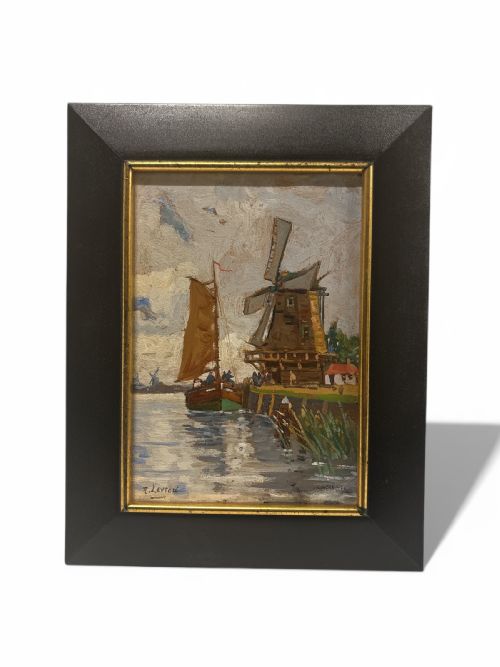
On this page, the selection leans heavily toward framed watercolours and oil paintings depicting ships, seascapes, and coastal havens. Alongside these pictorial works, you find functional items and decorative objects rooted in maritime service.
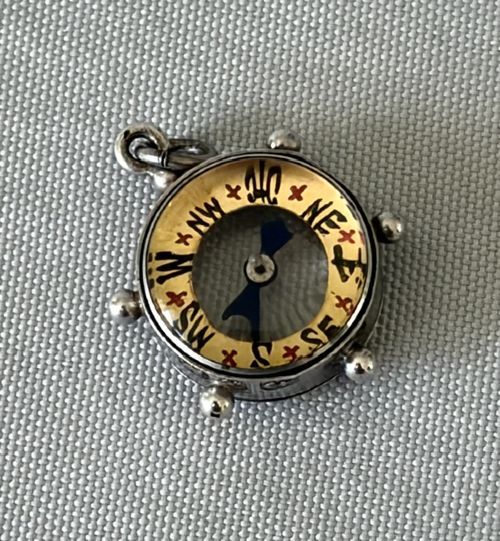
The material record spans from the eighteenth century through the 1930s, taking in Victorian and Edwardian periods as well as earlier foundations. Forms include signal cannons, port holes, woolwork pictures, and silver tableware linked to historic shipping lines.
How They Were Made
Makers shaped these pieces from durable materials suited to maritime environments, chief among them brass, cast iron, and seasoned hardwoods like oak and yew. Metal components often received precise casting and turning, while wooden items relied on traditional joinery and maritime carpentry techniques.
Artworks on paper and canvas employ oil paint, watercolour, gouache, and pencil, utilising layered pigments to capture shifting light on water and heavy skies. Canvas stretched over wooden frames and heavy paper sheets provided stable grounds for detailed depictions of rigging, hulls, and coastal terrain.
Listings feature oil paintings, watercolours, and drawings alongside brass port holes, cast iron signal cannons, and woolwork textiles spanning the eighteenth to twentieth centuries.
What Varies In Quality
Quality rests on the sureness of the hand behind the work, whether in the fluid brushstrokes of a coastal watercolour or the precise casting of a brass port hole. Superior pieces display accurate proportions, careful attention to nautical detail such as rigging and vessel types, and strong compositional balance.
Condition and originality dictate standing within the category, with preference given to items retaining their original patination, clear signatures from listed artists, and unaltered mounts or frames. Lesser examples often show crude execution, replaced components, or muted details that obscure the character of the subject.
Mercer of London·James Orrock·William Cannon·R Leyton·Eugène-Louis Gillot·William McAlpine·Reginald Arthur Borstel·Lemuel Francis Abbott·B. Nash·Charles Edward Dixon·John E. Aitken·John Rose Miles·James Kay·Siebe Gorman·William Broome·Ulugary & Sons·Bernard Gribble·William Lionel Wyllie·Bonaventura Peeters·Frank William Scarbrough·F. Corpuz
The Nautical Maritime Antiques Glossary
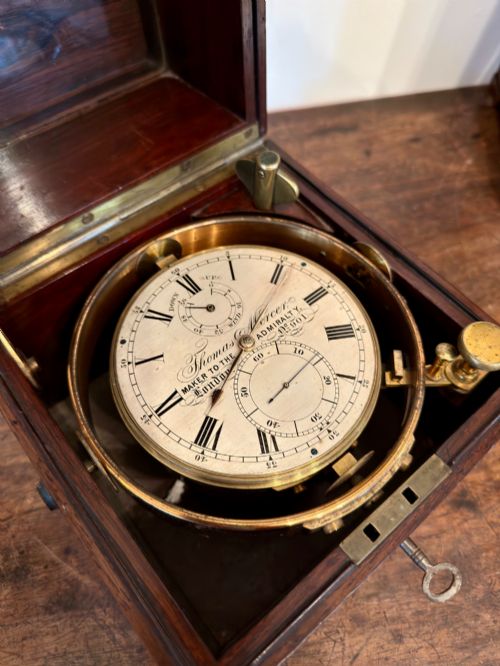
- Marine chronometer
- A precision timepiece used on ships to determine longitude by means of celestial navigation. These instruments require meticulous mechanical calibration to maintain accuracy despite rolling seas and temperature changes.
- Port hole
- A circular window used on the hull of a ship to admit light and air. Brass frames and heavy glass panes characterise these robust nautical fittings.
- Woolwork
- A type of textile art created by sailors using coloured wool threads to depict ships and maritime scenes, often called a woolie. Stitches build up the texture of waves, sails, and flags against a canvas background.
- Signal cannon
- A small piece of ordnance fired to salute, signal distress, or mark time aboard a vessel or shore station. Iron barrels mounted on wooden carriages typify these historic pieces.
Nautical Maritime Antiques: Frequently Asked Questions
What subjects appear in maritime paintings?
Artists focused on coastal scenes, merchant ships under sail, warships in action, and harbour views. These works recorded specific vessels, historical engagements, and everyday harbour life.
Watercolours and oils captured the changing moods of the sea, from calm anchorages to rough waters under stormy skies.
How do I identify a ship in a bottle?
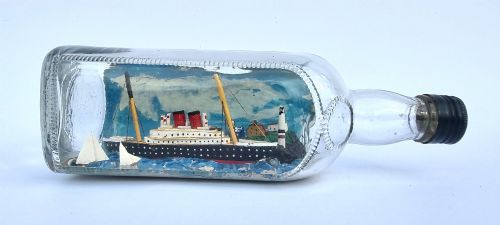
Folk artists constructed these dioramas by folding masts and rigging flat to pass the model through a narrow bottle neck, then raising them with strings once inside. The wooden hulls and cloth sails rested on a putty sea.
Dates inscribed on the glass or internal labels often record when the maker completed the piece.
Where were port holes used?
Heavy brass port holes were fitted into the bulkheads and cabins of ships to withstand heavy waves while providing ventilation. Their thick glass and clamping dogs created a watertight seal.
Today these brass fittings serve as wall mirrors or architectural accents in coastal interiors.