



Nautical Folk Art Decor
Nautical folk art decor brings maritime history indoors through handmade ship models, dioramas and carved marine life created by hands outside formal academies.
Nautical Folk Art Decor
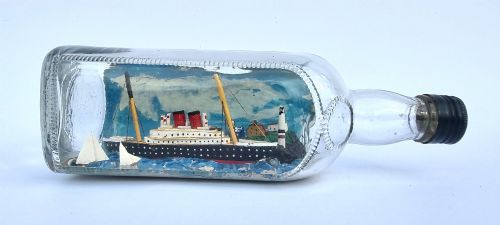
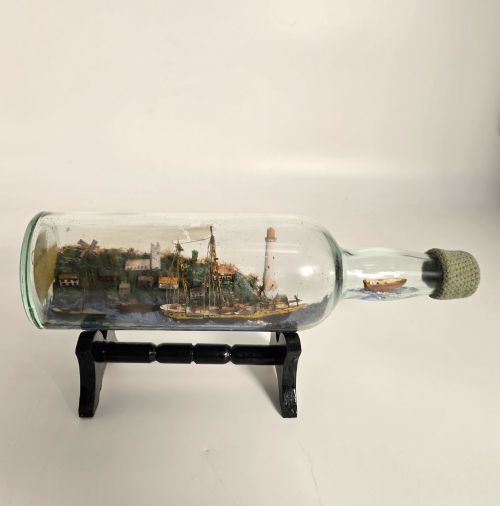
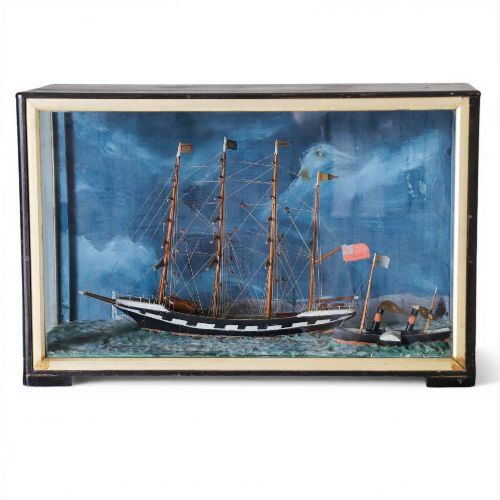
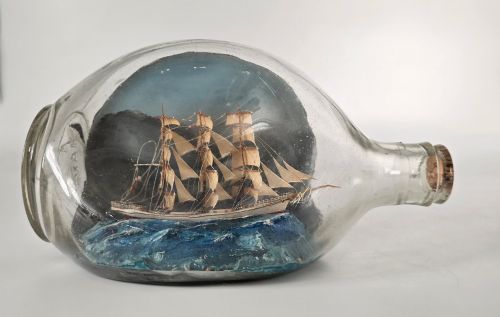
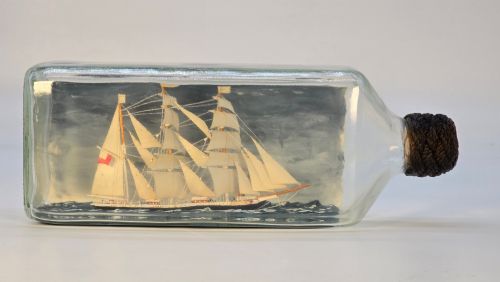
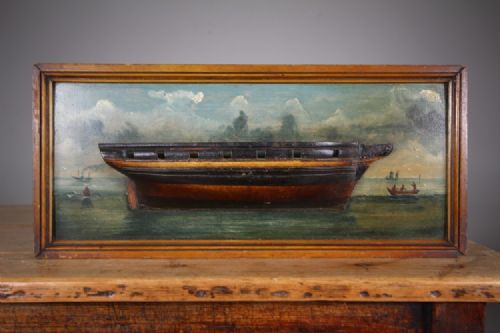
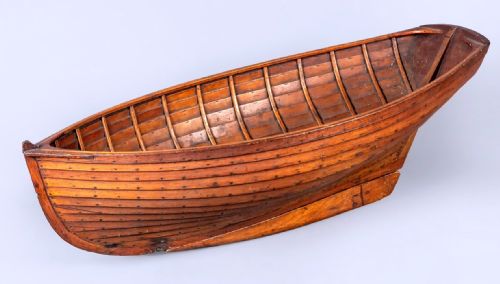
When you search for nautical folk art decor, you encounter hand-built objects that record seafaring life through the eyes of sailors and coastal makers. These pieces range from detailed models in glass bottles to carved wooden hulls and shadow box dioramas.
The versions most likely to meet you on this page date from the nineteenth century through the nineteen-thirties. They include scratch-built sailing ships, steamship dioramas, and regional items such as Welsh ship's wheels and Pacific carved flying fish.
How they were made
Makers constructed these items using timber, wood, cork, and thread, often employing scrap materials found on land or at sea. They fitted miniature rigging inside glass bottles or shaped larger hulls by hand without industrial machinery.
Many objects show layers of paint applied to wood, plaster, and glass to render seascapes and vessels. Scratch-built models and shadow box dioramas rely on precise positioning to create depth within confined frames.
Listings feature nineteenth-century and early twentieth-century items, including Victorian pieces, nineteen-twenties models, and nineteen-thirties dioramas.
What varies in quality
Quality rests upon the precision of the miniature rigging, the proportions of the carved hull, and the clarity of the surrounding diorama setting. Stronger examples display careful detail in the sails and painted backgrounds that suggest actual motion.
The integrity of the materials also separates pieces, with well-preserved paint surfaces and intact glass vessels holding greater visual coherence. Evidence of thoughtful construction in tight spaces marks the higher end of these maritime objects.
The Nautical Folk Art Decor Glossary
- Diorama
- A three-dimensional scene depicting ships or coastal views within a shallow box or framed case. These arrangements often combine painted backdrops with carved wooden models.
- Scratch built
- A model constructed entirely from raw materials and components made by the maker rather than from a commercial kit. This method defines much of the individuality found in maritime objects.
- Ship in a bottle
- A miniature sailing vessel or steamer assembled inside a glass bottle through the neck using hinged masts and specialised tools. It represents a traditional test of patience and dexterity.
- Shadow box
- A deep, glass-fronted frame designed to hold and protect a diorama or relief model away from dust. It provides a dedicated stage for maritime scenes.
- Folk art
- Creative work produced by self-taught individuals working within traditional community patterns rather than academic traditions. This category encompasses regional boat hulls and handmade marine displays.
Nautical Folk Art Decor: Frequently Asked Questions
What is a ship in a bottle?
A ship in a bottle is a miniature vessel placed permanently inside a glass container by a maker using specialised tools and folding rigging. These pieces demonstrate maritime skill and patience.
They were typically constructed by sailors during long voyages or by coastal artisans as decorative ornaments for domestic interiors.
How do I display a shadow box?
Shadow boxes require wall space or flat surfaces away from direct sunlight to protect the painted backdrops and delicate wooden threads inside. Their depth allows them to project outward into the room.
Keep them in stable indoor environments to protect the old wood, glass, and paper components from humidity changes.
What periods do these pieces span?
The items shown here date primarily from the nineteenth century through the early decades of the twentieth century. This era encompasses Victorian maritime culture and later twentieth-century folk expressions.
Makers worked during times when shipping dominated global trade and coastal communities maintained strong maritime traditions.
Are these models historically accurate?
Many models reflect the general configurations of four-masted sailing ships, steam barges, and regional craft of their day. Makers prioritized visual impact and available materials over strict architectural blueprint accuracy.
They capture the essence of ships that sailors and coastal inhabitants observed firsthand.
What materials are commonly used?
Makers utilised timber, wood, paint, glass, plaster, cork, and thread to build these decorative objects. They often repurposed scraps of metal and fabric found in workshops or aboard ships.
These simple components give the objects their characteristic handmade texture and historic appearance.