




19th Century Maritime Model
A 19th century maritime model brings the heritage of sail and sea directly into a room, offering tangible history through carefully crafted ships, dioramas, and cannons.
19th Century Maritime Model
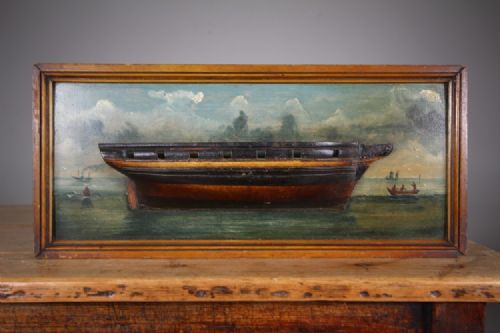
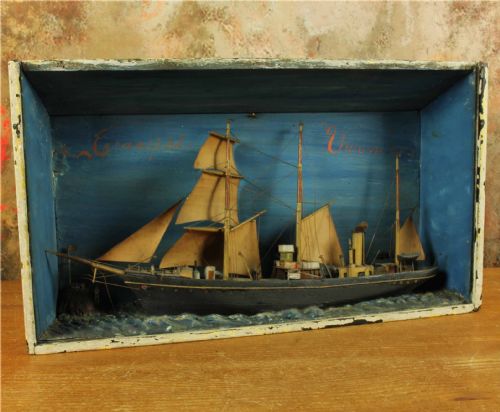
A 19th century maritime model encompasses a diverse range of objects, from cased dioramas and sailing ships in bottles to scale models of yachts and cast iron signal cannons. Buyers searching this phrase most frequently encounter detailed ship dioramas, shadow box arrangements, and scratch-built pond yachts housed in wood and glass.
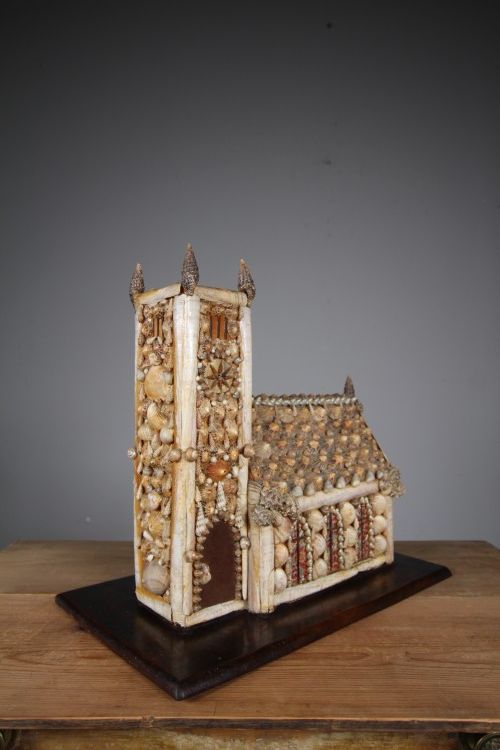
The material origins stretch across English, French, and Welsh workshops, reflecting both professional marine engineering and maritime folk art traditions. Pieces span the Victorian era and earlier decades, showcasing vessels like clippers and ketches alongside unusual shell and straw work displays.
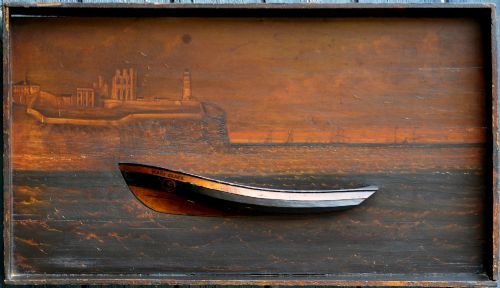
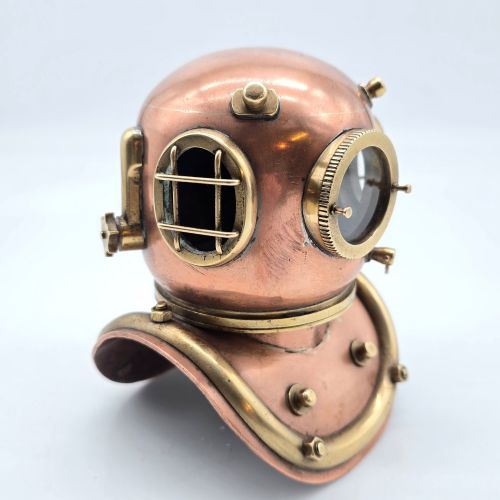
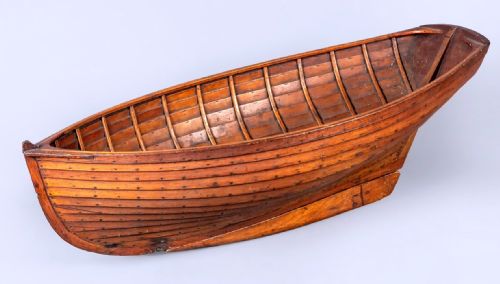
Forms vary significantly, from the intimacy of a miniature diver helmet or a cradle boat hull to expansive racing vessel scenes. Each object records a different facet of nineteenth-century maritime life, whether constructed as a training model, a decorative folk art piece, or a luxury yacht representation.
Materials and construction
Makers utilised wood, oak, sycamore, and canvas alongside thread and paint to build the hulls and rigging of these vessels. Carved wooden hulls display techniques such as carvel construction, while intricate rigging employs fine thread and canvas to simulate sails in full motion.
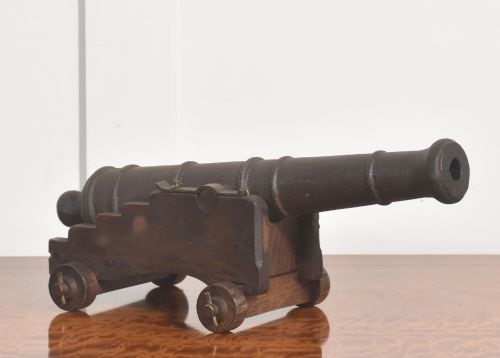
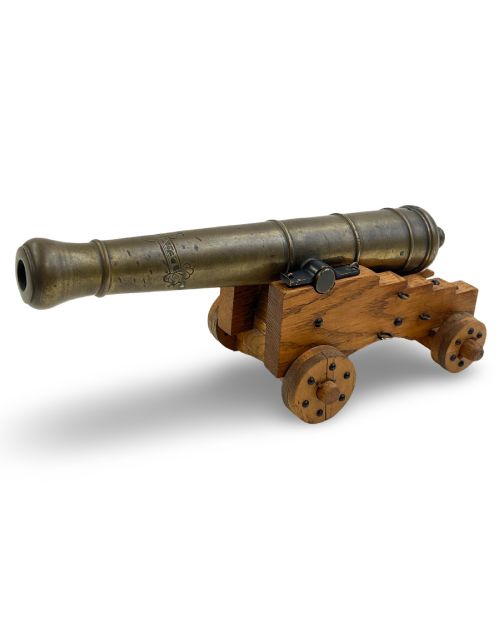
Many dioramas and models are encased in glass and wood shadow boxes to protect the delicate interior elements from dust and damage. Metal components, including bronze and cast iron signal cannons, demonstrate foundry casting mounted upon fitted oak carriages or marble bases.
Listings feature wood, glass, paint, brass, canvas, thread, oak, and bronze across Victorian and 19th-century periods.
Distinctions in quality
Quality rests upon the precision of scale, the fineness of the rigging work, and the original integrity of the cased environment. Finer examples exhibit meticulous scratch-built details that accurately capture the proportions of specific vessel types, such as ketch-rigged pond yachts or racing clippers.
The preservation of original painted surfaces, glass enclosures, and secondary materials like straw or shell work dictates the distinction between standard decorative items and exceptional folk art artefacts. Superior execution is evident in the harmonious integration of the model with its housing, whether on a marble base or within a wooden box.
The 19th Century Maritime Model Glossary
- Diorama
- A three-dimensional scene enclosed in a glass-fronted box, often depicting sailing ships at sea with painted canvas backgrounds.
- Carvel hull
- A method of boat building where plank edges butt together flush against a frame, seen in refined model construction.
- Signal cannon
- A small ordnance piece cast in bronze or iron, utilised at sea or on land for signalling, mounted on fitted wooden carriages.
- Scratch-built
- A model constructed entirely from raw materials and individual components rather than assembled from a commercial kit.
- Ketch-rigged
- A two-masted sailing vessel configuration where the smaller mizzenmast steps forward of the rudder post.
19th Century Maritime Model: Frequently Asked Questions
What is a maritime diorama?
A maritime diorama is a cased scene featuring miniature sailing vessels positioned against a painted backdrop to simulate movement at sea.
These pieces often include sculpted waves, detailed rigging, and specialised framing to protect the internal components.
How were model ships displayed?
Model ships and yachts were frequently mounted within protective glass shadow boxes, upon wooden stands, or supported by marble bases.
Pond yachts and larger hulls were often designed for practical testing in water before transitioning to decorative display.
How do I identify a Victorian model?
Victorian pieces often reflect the period's fascination with clipper ships, maritime racing, and intricate folk art constructions.
Specific stylistic indicators include enclosed shadow boxes, detailed canvas sails, and traditional British or French framing techniques.