

Nautical Marine Wall Art
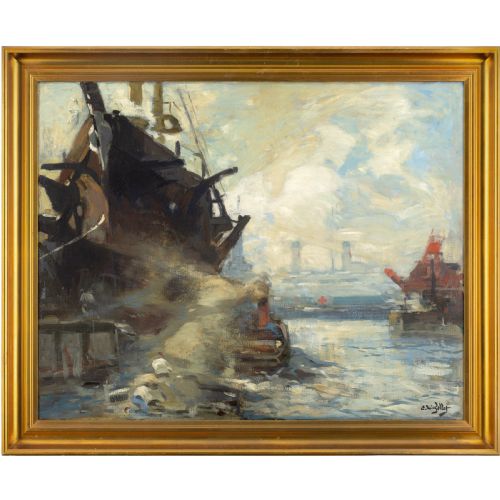
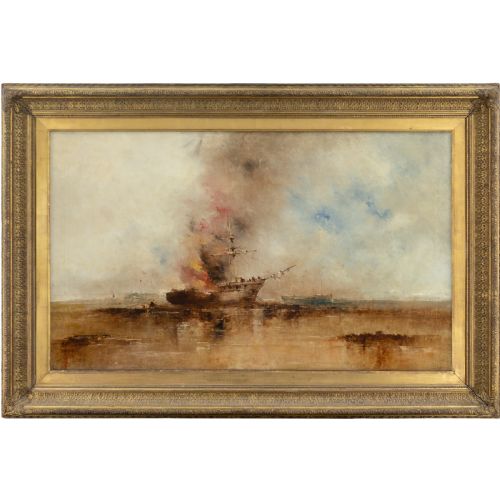
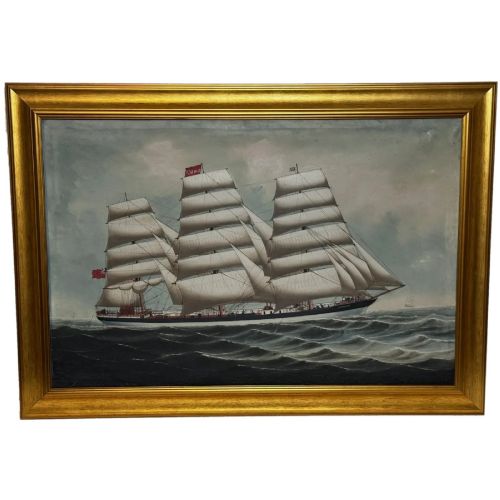
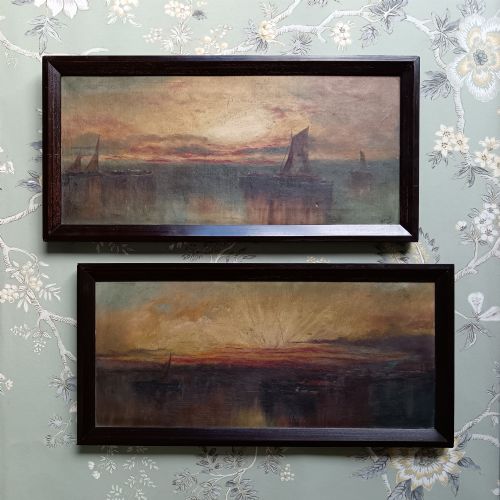
Nautical marine wall art brings coastal water, historical vessels, and merchant ships into a room through oil paintings, watercolours, and wooden dioramas.
Nautical Marine Wall Art
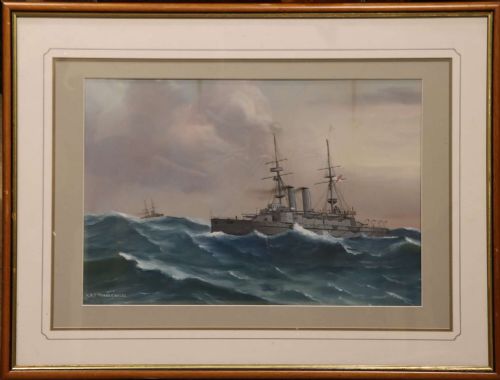
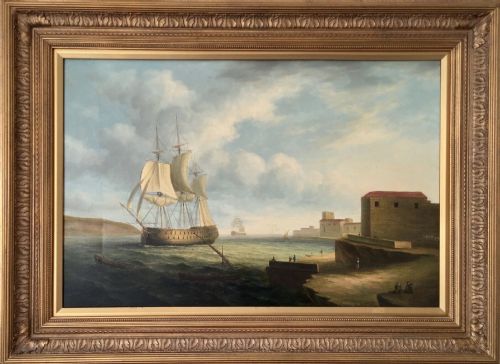
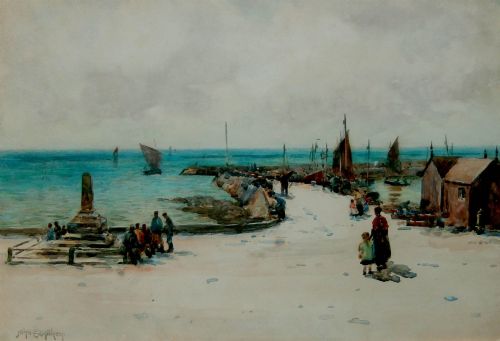
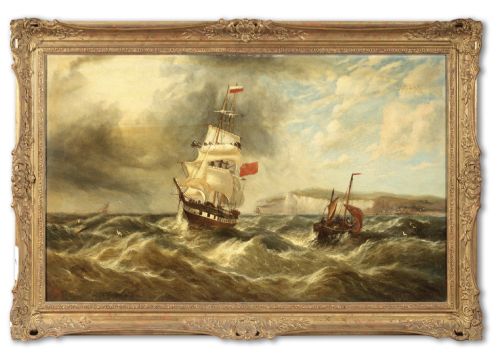
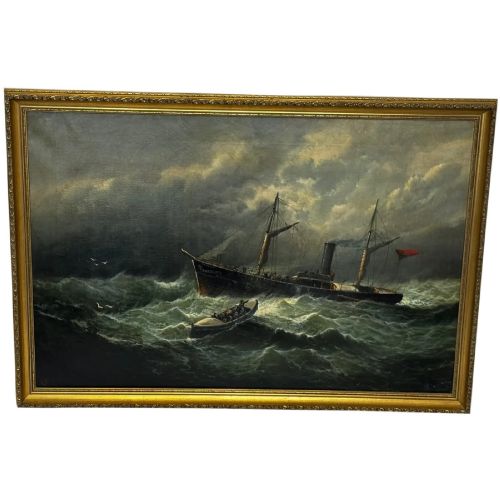
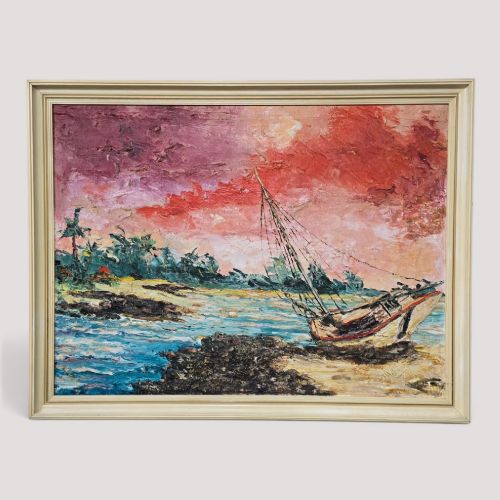
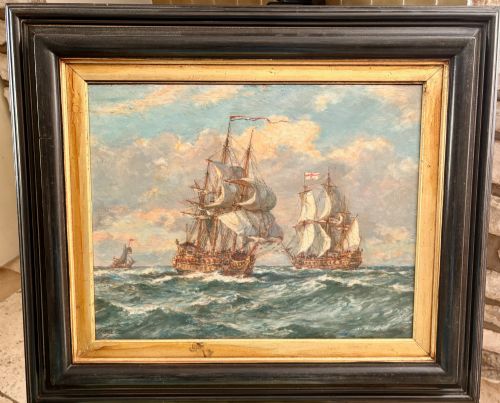
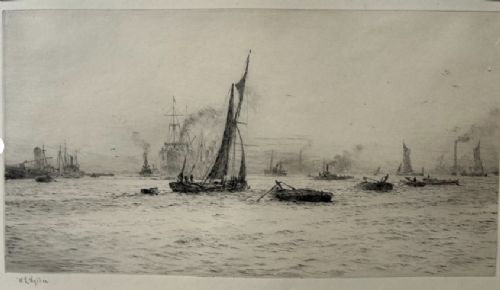
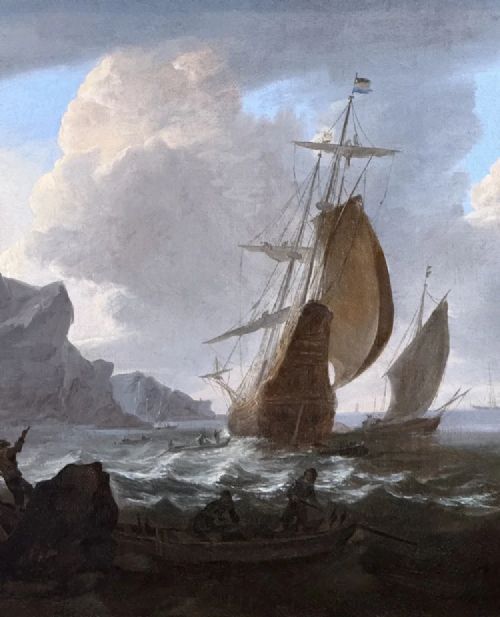
Nautical marine wall art encompasses framed oil paintings, watercolours, etchings, gouache works, and three-dimensional ship dioramas. The pieces record coastal views, harbour scenes, naval battles, and merchant vessels at sea.
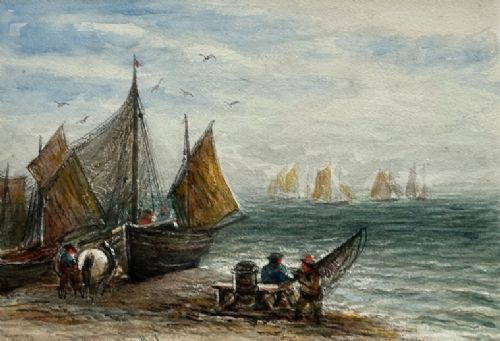
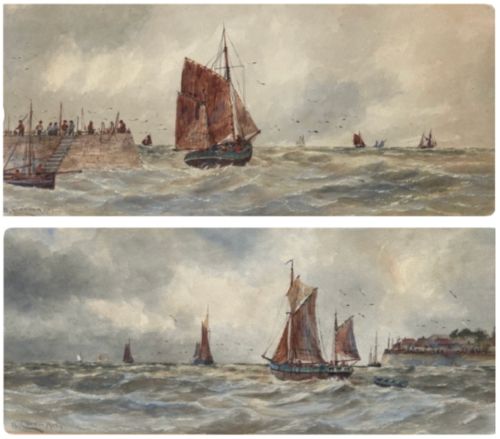
Most examples found here date from the nineteenth century through the mid-twentieth century, spanning Victorian, Edwardian, and later periods. Common subjects include fishing boats, steamships, galleons, and crashing coastal waves.
Works appear on canvas, paper, wood panels, and board, frequently housed within original gilt or wooden frames. Both signed compositions by named artists and atmospheric pieces by regional British and European schools populate the selection.
How they were made
Painters applied oil pigments onto canvas, wood panels, or boards to capture the dense textures of stormy seas, billowing sails, and evening skies. Watercolour works on paper utilise fluid washes to render transparent light over coastal harbours and beaches.
Three-dimensional dioramas combine carved wooden hulls and masts with paper and textile rigging, enclosed behind glass cases to portray ships under full sail. Etchings employ inked metal plates pressed onto paper to produce detailed linear maritime scenes.
Many historical frames utilise carved wood and applied gilt, matching the aesthetic standards of the Victorian and Edwardian periods. Supports range from heavy stretched canvas to board and thick watercolour paper.
Sailors constructed intricate dioramas at sea using scraps of wood and thread, capturing clipper ships in bottles and boxes.
What varies in quality
The precision of maritime rigging, anatomical correctness of vessel construction, and understanding of water movement distinguish finer paintings from simpler decorative works. Master painters render wave crests, shifting light, and atmospheric perspective with acute observation.
The depth and detail of construction separate standard flat paintings from intricate ship dioramas featuring layered wooden models and painted backgrounds. The originality and condition of the period frame also contribute to the standing of a piece.
James Hardy·Kenneth Cozens·James Orrock·William Cannon·Eugène-Louis Gillot·William McAlpine·Reginald Arthur Borstel·B. Nash·John E. Aitken·John Rose Miles·William Broome·Bernard Gribble·William Lionel Wyllie·Bonaventura Peeters·F. Corpuz·Peter Brannan·Paul Bret·Willem Bos·John Wilson Carmichael·Richard B. Spencer·William Henry Williamson·Bernard Benedict Hemy·George Stanfield Walters·Abraham Hulk I
The Nautical Marine Wall Art Glossary
- Gouache
- An opaque water-based paint that dries to a matte finish. It allows artists to build dense, solid highlights in maritime storm scenes.
- Diadora
- A three-dimensional display case containing a model ship set against a painted sea and sky background. These constructions often incorporate real textiles and carved wood.
- Giltwood
- Wood carved and coated with a thin layer of gold leaf or metallic gilt paint. It is commonly found on nineteenth-century frames.
- Etching
- A printmaking technique where an artist scratches a design through a protective ground on a metal plate, which is then acid-bitten and inked for printing.
- Seascape
- A work of art depicting the sea, coastal views, or marine vessels. The genre encompasses both calm harbour waters and violent gales.
Nautical Marine Wall Art: Frequently Asked Questions
How do I date a marine painting?
Examine the riggings, vessel types, and clothing styles depicted in the scene, as steamships, ironclads, and wooden barques correspond to specific decades. Signatures, artist biographical dates, and framing materials provide further chronological evidence.
Backing boards, canvas stamps from period art suppliers, and handwritten labels on the reverse often supply exact dates or locations. Comparing stylistic brushwork to known dated works by the same school clarifies the timeline.
Where should I hang maritime art?
Maritime works suit spaces with good ambient light, away from direct sunlight that can fade watercolours and nineteenth-century pigments. Neutral walls allow gilt frames and dark oil canvases to stand out effectively.
Pairing pieces with similar coastal or historical themes creates a cohesive display without cluttering the room. Ensure large oil canvases and heavy dioramas are secured to wall studs using appropriate fixings.
How do I care for antique oil paintings?
Keep oil paintings away from damp environments and extreme temperature fluctuations to prevent canvas slackening and paint cracking. Dust surfaces gently with a soft, dry brush without applying pressure.
Avoid using water, chemical cleaners, or damp cloths on painted surfaces or gilt frames. Professional conservators should handle cleaning or varnish removal if the paint layer darkens significantly.