








Nautical Display Model
A nautical display model brings the weathered spirit of maritime history directly indoors.
Nautical Display Model
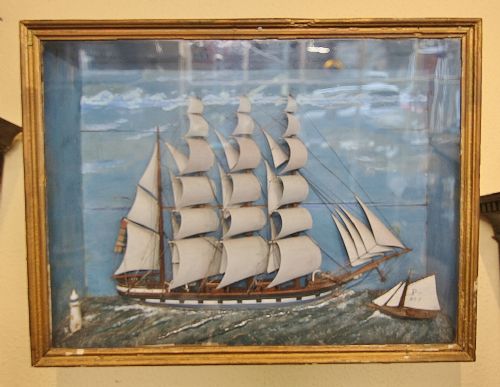
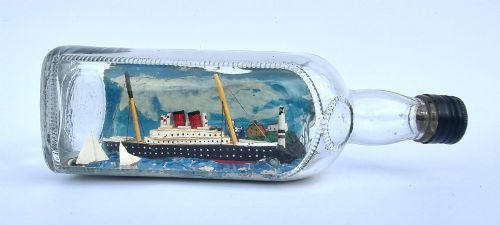
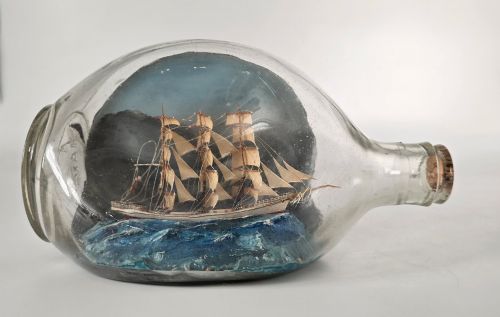
When searching for a nautical display model, collectors encounter a diverse range of maritime items spanning the nineteenth and early twentieth centuries. These objects reflect the rich seafaring traditions of Britain and France through intricate representations of vessels and coastal scenes.
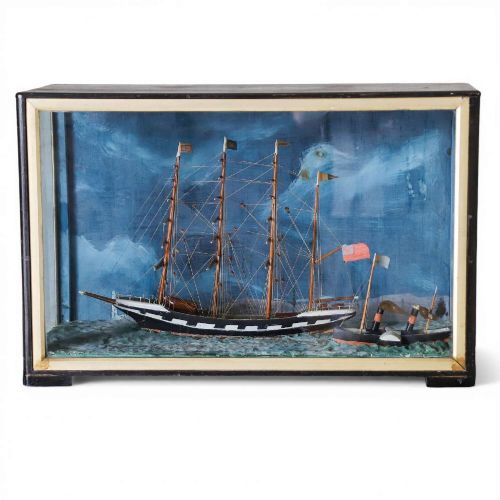
Origins stretch across English, Welsh, French, and Cornish workshops, encompassing both named vessels like the Queen Anne and anonymous working craft. Such variety ensures a tangible connection to historical shipping, whether through a humble bottle model or a grand cased clipper.
How they were made
Maker construction relies heavily on traditional wood working, utilising carved timber for hulls, masts, and carriages alongside shaped canvas for sails and thread for precise rigging. Artisans shaped sycamore, oak, and other native woods by hand to achieve convincing proportions.
Dioramas and shadow boxes incorporate painted backgrounds depicting Turneresque seascapes, often paired with plaster, glass, and metal elements to simulate water and atmospheric conditions. Specialised techniques such as straw work add intricate textural detail to maritime folk art scenes.
Nautical Display Model Retail Price Guide 2026
Typical asking prices for nautical display model among the pieces listed under this phrase on Sellingantiques today, from the lower quarter to the upper quarter. They describe what is for sale here now, not the wider market.
Listings feature items dated across the nineteenth century, Victorian era, Edwardian period, and up to 1930.
What varies in quality
Quality in these maritime objects depends upon the fidelity of the rigging, the depth and perspective of the painted backdrop within a cased diorama, and the overall coherence of the maker's design. Scale models display meticulous attention to architectural detail, whereas folk art pieces prioritise character and naive charm.
The choice of housing also dictates the hierarchy, with original glass cases protecting delicate threadwork and painted canvas from environmental degradation over the centuries. Materials such as marble bases or brass fittings elevate the presence of sculptural yacht models.
The Nautical Display Model Glossary
- Diorama
- A three dimensional scene enclosed in a box, featuring a model ship set against a painted canvas backdrop to create the illusion of movement at sea. These are frequently protected behind glass.
- Pond yacht
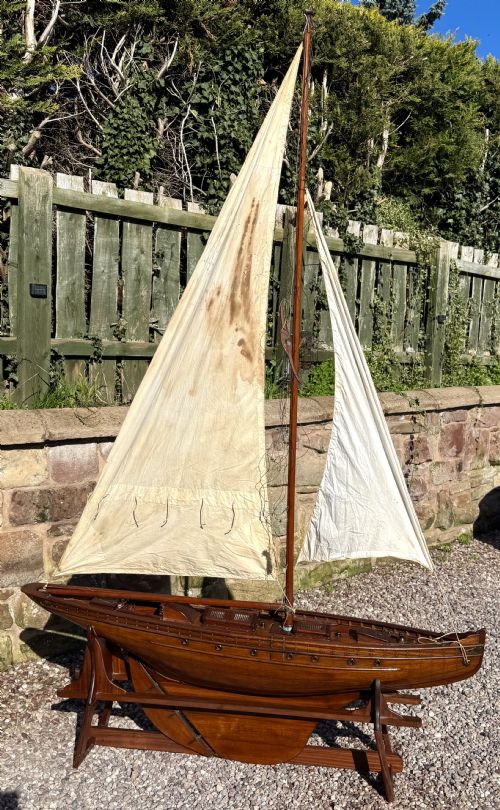
- A large scale model sailing boat built for recreational sailing on inland waters, often mounted on a wooden or marble stand for interior display. They range from hulls to fully rigged vessels.
- Shadow box
- A deep, framed display case specifically designed to house marine dioramas and keep fragile rigging safe from dust and handling. They emphasise depth and perspective in maritime folk art.
- Scratch build
- A model constructed entirely from raw materials and individual components without the aid of a commercial kit. This method highlights the distinct skill of the maker.
- Turneresque
- A style of painted seascape evoking the atmospheric light and dramatic movement associated with J. M. W. Turner. It frequently forms the backdrop for nineteenth century ship dioramas.
Nautical Display Model: Frequently Asked Questions
What is a nautical display model?
A nautical display model is a handcrafted representation of a ship, yacht, or marine scene intended for interior exhibition. These pieces capture historical vessels through detailed woodwork, canvas sails, and painted backdrops.
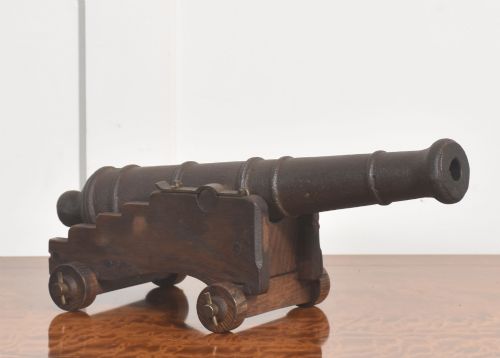
Items range from cased dioramas and ships in bottles to large pond yachts and signal cannons. They serve as tactile reminders of maritime heritage and craftsmanship.
How were old ship dioramas made?
Old ship dioramas were constructed using a combination of carved wooden hulls, thread rigging, and painted canvas seascapes. Makers arranged these elements inside shadow boxes or glass cases to protect the delicate components.
Folk artists often utilised everyday materials alongside plaster and metal to simulate the ocean environment. Each piece reflects the specific techniques of its regional maker, whether English, Welsh, or French.
How do I display a pond yacht?
Pond yachts are typically exhibited on sturdy wooden or marble stands that support their substantial hulls. Because many examples measure quite large, they require a stable surface with adequate clearance for masts and rigging.
Keeping them away from direct sunlight protects the original painted surfaces and canvas sails. Proper placement highlights the sculptural quality of the wooden hull within a room.
How do I date a maritime diorama?
Dating a maritime diorama involves examining the style of the vessel, the construction methods of the case, and any documented history of the named ship. Nineteenth and early twentieth century pieces exhibit specific materials and painting techniques characteristic of their era.
Folk art examples often display naive construction traits that help differentiate Victorian pieces from later Edwardian or 1930s works. Comparing the rigging style to known historical ships offers further chronological context.