







Wooden Pond Yacht
A wooden pond yacht is a classic sailing model built for open water, offering authentic maritime charm and traditional craftsmanship.
Wooden Pond Yacht
When you search for a wooden pond yacht, you encounter substantial scale models designed for outdoor sailing and decorative display. The pieces on this page span from the late nineteenth century through to the Edwardian period and the nineteen-twenties.
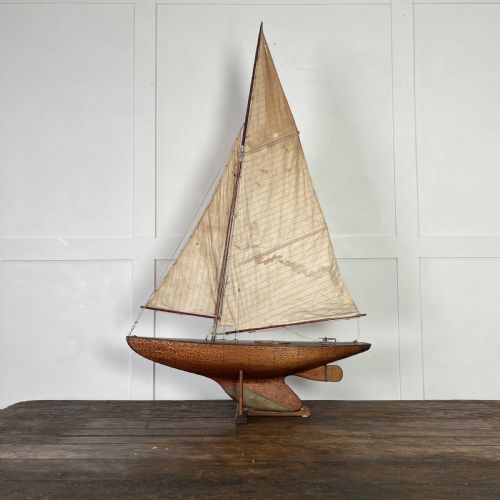
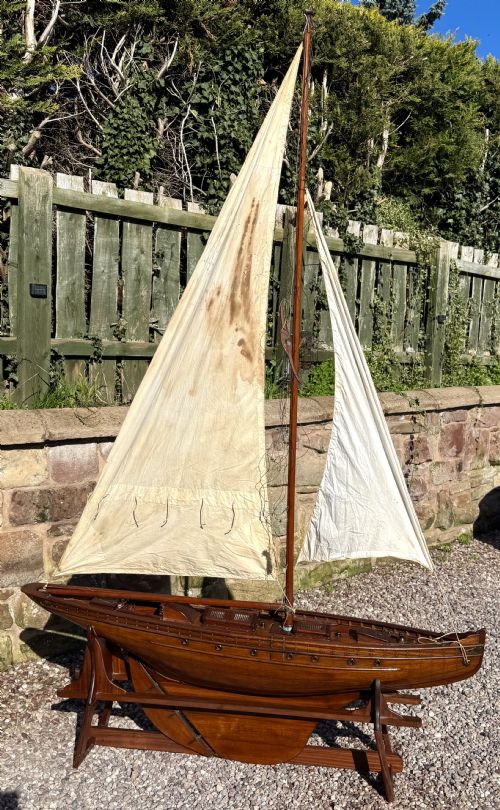
Most examples take the form of large pond yachts, model sailboats, and scratch-built ketch-rigged vessels complete with original stands and rigging. These objects reflect the maritime leisure pursuits of past eras.
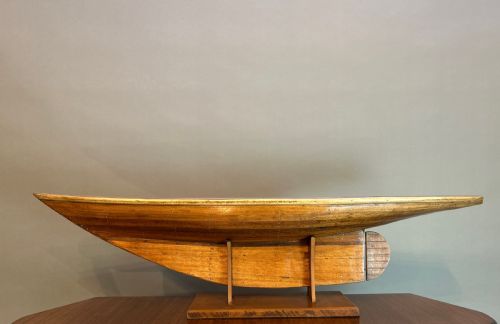
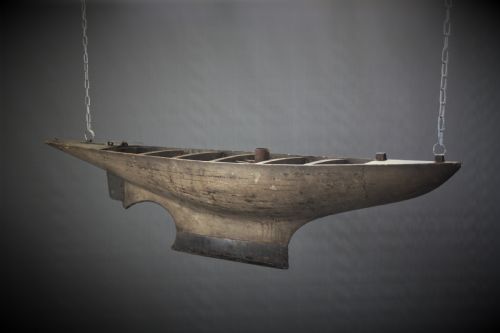
You find both fully rigged sailing models and bare vintage wooden pond yacht hulls. Each item preserves the traditional shapes and construction methods of historic sailing craft.
How they were made
Maker construction relies on traditional timber framing, often featuring carvel hulls shaped from pine and other woods. Artisans fitted these wooden bodies with metal components, brass fittings, and lead ballast weights to ensure stability on the water.
The upper rigging utilises cordage, cotton, and canvas to create functional sails and cord lines. Scratch-built examples demonstrate detailed manual assembly by skilled hands rather than factory production.
Wooden Pond Yacht Retail Price Guide 2026
Typical asking prices for wooden pond yacht among the pieces listed under this phrase on Sellingantiques today, from the lower quarter to the upper quarter. They describe what is for sale here now, not the wider market.
Some massive Victorian models stand almost eight feet high, ensuring they dominated both the park pond and the Victorian parlour.
What varies in quality
Quality differences lie in the scale and ambition of the build, ranging from simple decorative hulls to massive, fully rigged vessels standing nearly eight feet high with custom stands. The complexity of the rigging and the preservation of original canvas and cordage distinguish finer examples.
The precision of the woodwork and the presence of period hardware such as brass fittings separate standard models from exceptional scratch-built ketch-rigged pieces.
The Wooden Pond Yacht Glossary
- Carvel hull
- A boat building technique where hull planks are laid edge-to-edge flush against each other over a supporting frame. This creates a smooth exterior surface characteristic of traditional model boats.
- Ketch-rigged
- A two-masted sailing arrangement where the shorter mizzen mast is stepped forward of the steering rudder post. This configuration appears on several historical model sailboats.
- Cordage
- The system of ropes, lines, and rigging used aboard a vessel to support masts and control sails. Original cordage adds historical authenticity to an antique model.
- Ballast
- Heavy material placed low in the hull, often lead, to provide stability and keep the vessel upright while sailing. This ensures the model performs correctly on open water.
Wooden Pond Yacht: Frequently Asked Questions
What is a wooden pond yacht?
A wooden pond yacht is a traditional scale model sailing boat built to be sailed on lakes and ponds. These models date from the nineteenth and early twentieth centuries.
They combine functional sailing capability with decorative appeal, featuring wooden hulls, cloth sails, and intricate rigging.
How were pond yachts used?
Owners sailed these models recreationally on park ponds and large estate waters during the Victorian and Edwardian eras. Enthusiasts tuned the sails and rudders so the boats could cross the water unguided.
Many were also displayed in homes as maritime decorative objects when not in active use on the water.
How do I date an old pond yacht?
Dating relies on construction methods, timber types, and the style of the hardware and rigging. Late nineteenth-century examples often feature scratch-built carvel hulls and period cordage.
Edwardian and nineteen-twenties pieces show subtle shifts in proportion and metal fittings that reflect the manufacturing trends of those decades.
Can these model boats still sail?
Many surviving pond yachts retain their structural integrity, wooden hulls, and lead ballast, making them capable of sailing on open water. Proper care of the wood and canvas rigging is necessary if testing them outdoors.
Collectors often treat larger antique models primarily as display pieces due to their age and historical value.