







Antique Nautical Model
These antique nautical model items bring the craftsmanship of the sea indoors, offering a tangible link to maritime history through detailed vessels and dioramas.
Antique Nautical Model
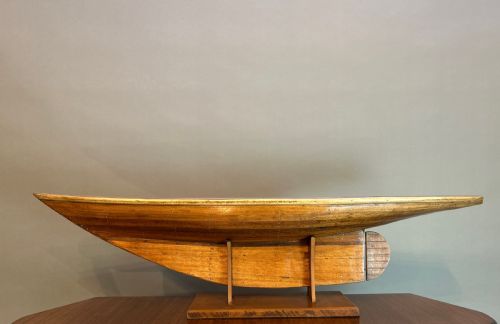
When you search for an antique nautical model, you encounter a diverse collection of maritime pieces spanning the nineteenth and early twentieth centuries. These objects range from large pond yachts and half hull models to intricate ship dioramas and signal cannons.
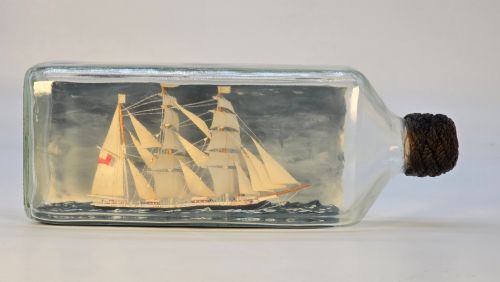
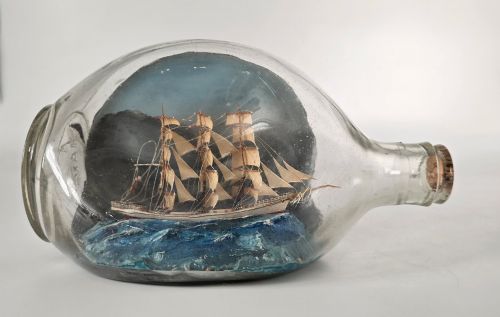
The most common versions on this page are nineteenth century dioramas and sailing ship models, often created in the folk art tradition. Pieces like scratch-built ketches and cased shipping displays appear regularly alongside decorative desk ornaments and anchors.
Originating from British and French makers, these items reflect the deep maritime heritage of the era. Whether housed in glass shadow boxes or displayed on stands, each piece represents the types of watercraft that dominated global trade and leisure.
How they were made
Wood serves as the primary material, utilising pine, mahogany, and sycamore shaped into hulls and decks by makers who understood naval architecture. Paint and canvas provide the surface colour and rigging details, creating realistic textures for sails and water.
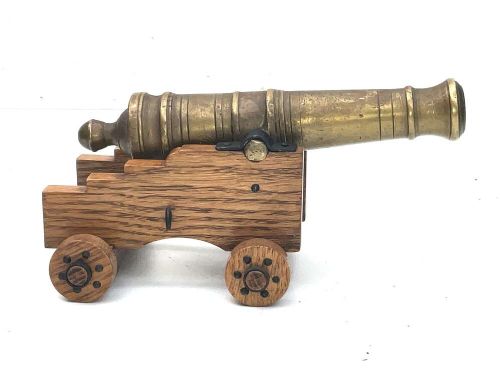
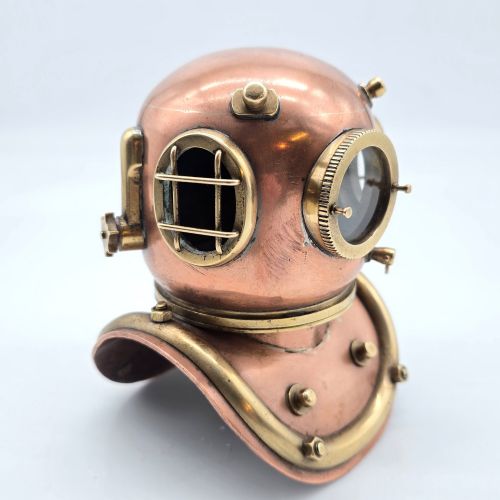
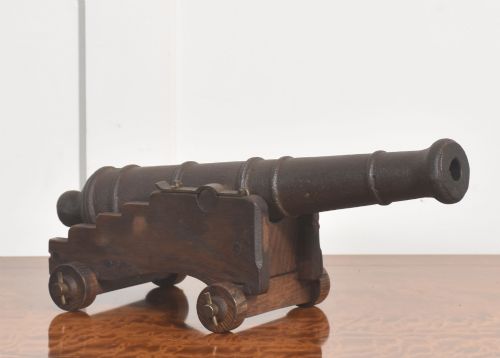
Metal components such as brass, bronze, and cast iron appear in signal cannons and anchors, demonstrating functional detail alongside decorative appeal. Glass frequently encloses dioramas, protecting delicate straw work and painted seascapes from dust.
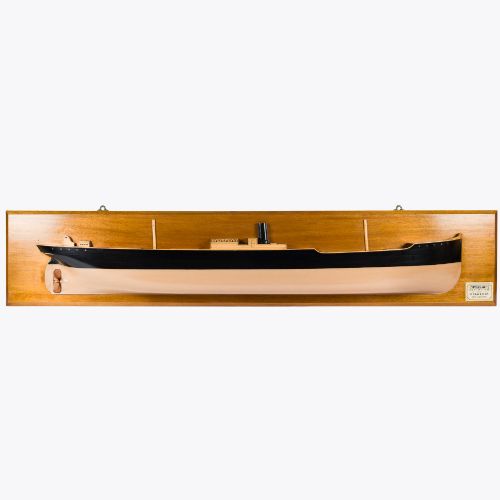
Construction techniques include carvel hull building for pond yachts and scratch-building methods for folk art ships. Makers shaped half hulls for ship builders and arranged miniature rigging inside bottles or shadow boxes with meticulous precision.
Antique Nautical Model Retail Price Guide 2026
Typical asking prices for nautical model among the pieces listed under this phrase on Sellingantiques today, from the lower quarter to the upper quarter. They describe what is for sale here now, not the wider market.
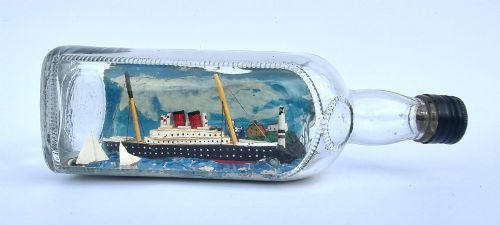
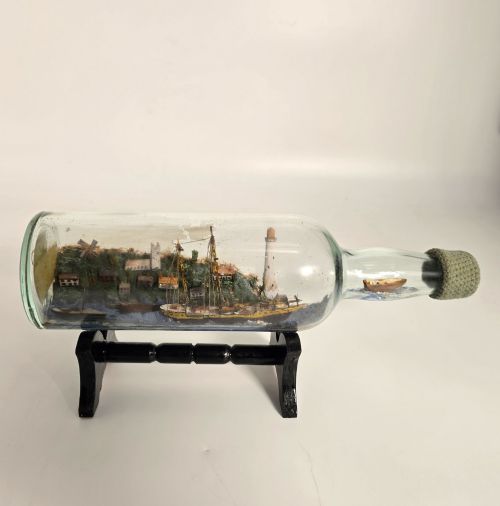
Makers sometimes used humble household straw to construct intricate miniature maritime scenes inside bottles.
What varies in quality
The depth of maritime knowledge displayed by the maker dictates the architectural accuracy of the vessel. Superior pieces capture precise rigging and hull proportions, whereas naive or folk art versions prioritise charm and direct visual impact over strict scale.
Materials and housing contribute significantly to the grade of a piece, particularly when original glass cases and stands remain intact. Sound preservation of painted canvas, delicate straw work, and polished brass elements distinguishes better-surviving examples from heavily restored ones.
W. Grey & Co
The Antique Nautical Model Glossary
- Half Hull Model
- A three-dimensional representation of one side of a ship's hull, mounted on a board. Ship builders used these to visualise hull shapes before full-scale construction.
- Diorama
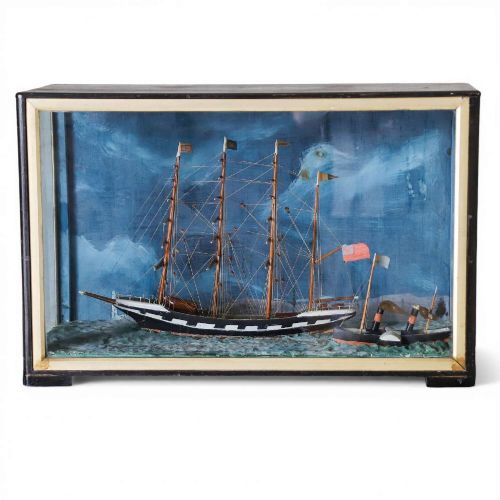
- A three-dimensional scene enclosed in a box or glass case, often depicting a ship at sea with painted backgrounds and physical waves.
- Pond Yacht
- A sailing model designed to be sailed on water by hobbyists. These vessels range from small toys to large, finely engineered craft.
- Signal Cannon
- A small metal cannon fired to signal times, start races, or celebrate events. Examples in maritime collections often sit on wooden carriages.
- Scratch-Built
- A model constructed entirely from raw materials without relying on a commercial kit. Makers built these using plans or direct observation.
Antique Nautical Model: Frequently Asked Questions
What is a ship diorama?
A ship diorama is a cased scene featuring a model vessel set against a painted maritime backdrop. These displays often show ships racing, in full sail, or navigating rough seas.
Enclosed in glass shadow boxes or bottles, they protect the delicate rigging and painted canvas from environmental wear while offering a preserved moment of maritime history.
How do I identify pond yachts?
Pond yachts are large wooden model boats designed to sail across water bodies. They usually feature carved wooden hulls, wooden decks, and fabric sails supported by masts.
Earlier examples from the nineteenth and early twentieth centuries often include lead weights on their keels to maintain balance during sailing.
How should I display a cased diorama?
Cased dioramas require stable room conditions away from direct sunlight and excessive humidity to protect the wood, paint, and glass. Placing them on sturdy furniture ensures the original housing remains secure.
Avoid opening sealed glass cases to prevent dust and moisture from damaging the fragile internal rigging and painted backdrops.