







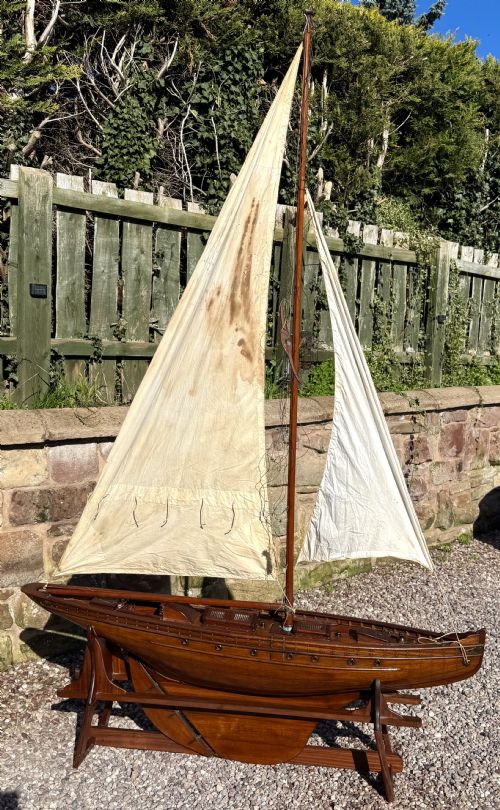

Antique Ship Display
An antique ship display brings the historic sea directly into a room, offering detailed dioramas, cased models and pond yachts that preserve maritime craft.
Antique Ship Display
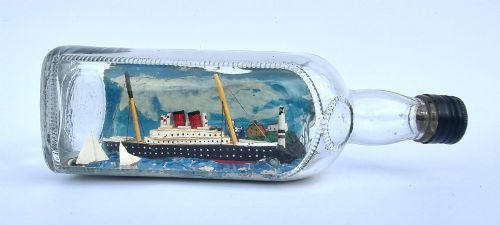
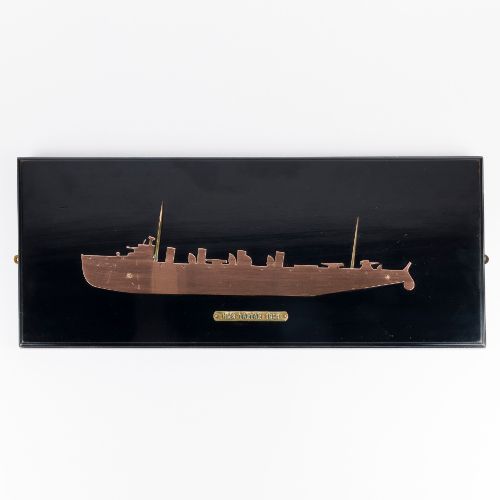
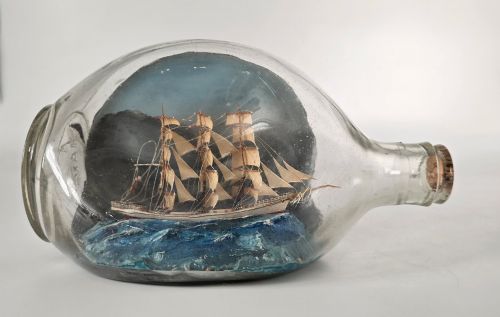
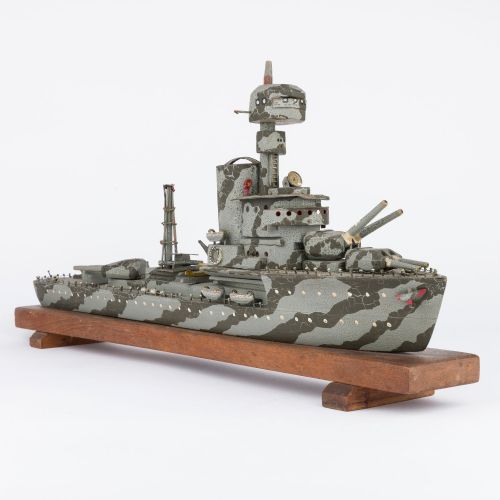
An antique ship display encompasses cased dioramas, carved models, pond yachts and framed vessels originating primarily from the nineteenth and early twentieth centuries. These pieces reflect diverse maritime traditions across British, French and American makers, ranging from naive folk art to precise scale replicas.
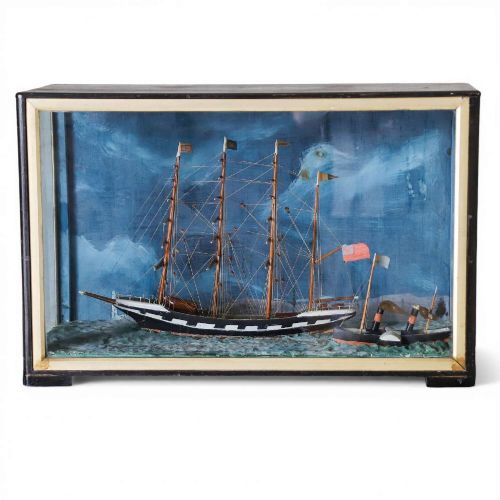
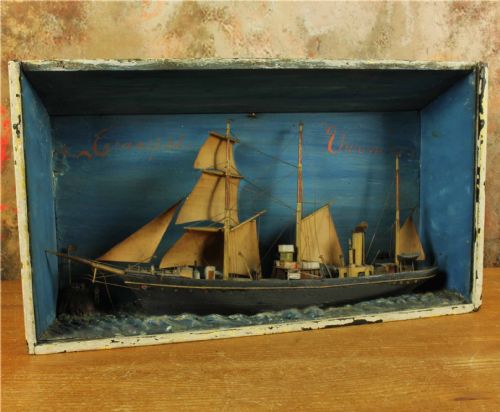
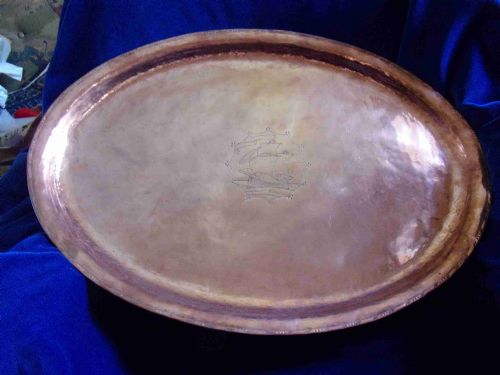
The most common items found within this search are cased maritime dioramas and scratch-built ship models, often featuring painted seascapes and detailed rigging. Alongside these stand larger pond yachts, decorative plates and occasional pieces of nautical furniture designed for marine interiors.
Materials and construction methods
Wood serves as the primary structural material, shaped into hulls and masts using sycamore, teak, walnut and satinwood, often paired with carved plaster or canvas for sculpted waves. Glass fronted cases protect delicate elements like thread rigging and paper-malleable seascapes from dust and damage.
Makers utilised traditional hand tools alongside specialised techniques such as straw work, painted backdrops and carved wooden hulls. Many examples reflect folk art traditions where builders constructed models entirely from scratch using whatever timber and textiles were to hand.
Antique Ship Display Retail Price Guide 2026
Typical asking prices for ship display among the pieces listed under this phrase on Sellingantiques today, from the lower quarter to the upper quarter. They describe what is for sale here now, not the wider market.
Factors that define quality
Quality rests upon the precision of the scale work and the complexity of the maritime scene, distinguishing simple decorative objects from detailed historical records. Pieces that retain their original glass cases and undisturbed painted backdrops command greater attention from collectors.
The skill of the carving and the intricacy of the rigging differentiate standard workshop pieces from master scratch-built models. Authenticity of materials, such as genuine period timber and period textiles, marks the upper tier of surviving maritime items.
Hugh Wallis
The Antique Ship Display Glossary
- Maritime Diorama
- A three-dimensional display recreating a ship at sea using painted backgrounds, carved waves and physical model components. These settings often capture specific vessels or racing events.
- Shadow Box Diorama
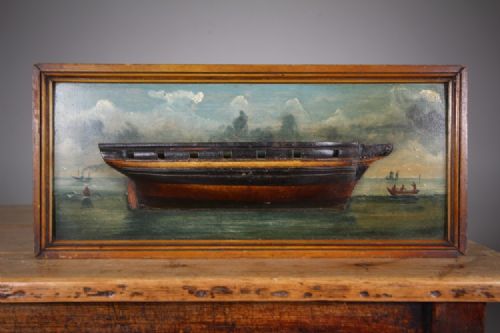
- A shallow display case enclosed with glass, designed to hang on a wall while housing a half-hull or flat-relief model ship against a painted ocean.
- Pond Yacht
- A large-scale sailing model constructed for outdoor navigation on lakes and ponds. They feature substantial wooden hulls and functional wooden decks.
- Straw Work
- A decorative technique utilising flattened coloured straw to create geometric patterns or pictorial backgrounds within antique boxes and dioramas.
- Scratch Built
- A model constructed entirely from raw materials rather than from a commercial kit. This method demonstrates the direct skill of the individual maker.
Antique Ship Display: Frequently Asked Questions
What is an antique ship display?
An antique ship display is a collective term for historical maritime items, including cased dioramas, scratch-built model ships, pond yachts and nautical cabinets.
These objects were created during the nineteenth and early twentieth centuries by professional modellers and folk artists to celebrate naval and merchant vessels.
How were ship dioramas displayed?
Ship dioramas were typically housed inside custom wooden display cases featuring protective glass fronts to safeguard the delicate thread rigging and painted canvas seascapes.
Some smaller shadow box versions were built to hang directly on walls, while larger cased models sat upon tabletops or dedicated stands.
What materials did makers use?
Makers relied heavily on various woods such as teak, sycamore, satinwood and walnut to carve hulls, decks and associated cabinets.
Additional materials included glass for protective enclosures, canvas and thread for sails and rigging, and plaster or paint to form realistic waves.
How do I date a model ship?
Dating relies on stylistic clues, specific vessel histories recorded in the title or casework, and the documented materials typical of Victorian and Edwardian manufacturing.
Periods often span from the early nineteenth century through to the 1930s, indicated by construction styles and the type of vessel represented.