


Nautical Brass Model
A nautical brass model brings the tactile weight of maritime history directly to a desk or shelf, offering finely engineered anchors, cannons, and vessels.
Nautical Brass Model
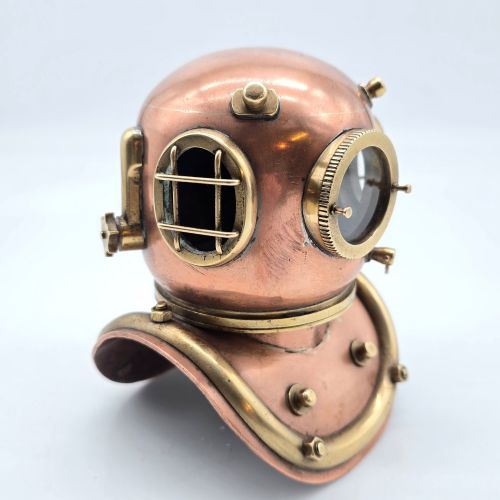
A nautical brass model represents maritime history through meticulously constructed metal artefacts, ranging from heavy signal cannons to scale models of ships and anchors. When exploring this selection, buyers encounter diverse forms shaped by centuries of seafaring tradition, including desk ornaments and miniature divers' helmets.
The pieces appearing here span multiple eras, from the eighteenth century through the Edwardian period and the 1930s. Victorian maritime aesthetics dominate many of the current selections, reflecting the heavy industrial influence of the period upon decorative and functional desk accessories.
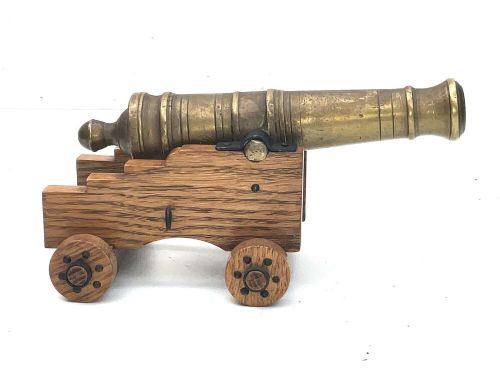
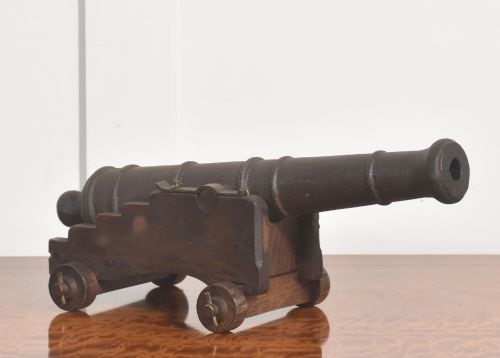
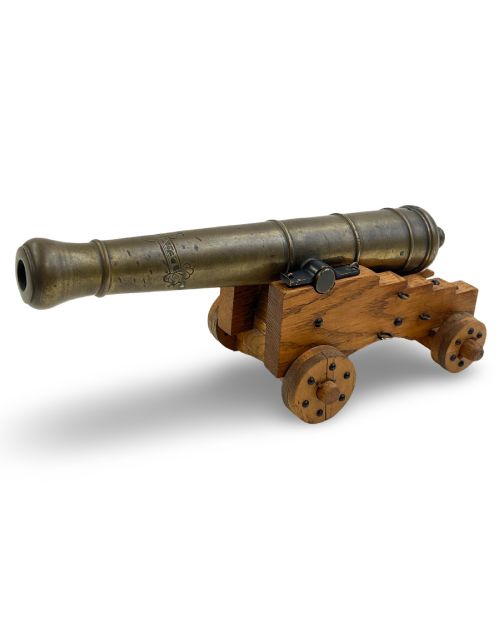
Objects on this page take various physical formats, such as signal cannons mounted on oak or mahogany carriages, cased scale models of schooners, and functional anchors like the Byers stockless and Porter's patent designs. Each item captures a specific aspect of maritime engineering, executed in durable alloys and metals.
How they were made
Makers utilised durable metals such as brass, bronze, and copper to cast and shape these maritime objects, ensuring longevity and a substantial physical presence. Components like signal cannons and miniature anchors often required precise casting techniques to replicate working machinery at a reduced scale.
Several miniature cannons are heavy enough to double as remarkably stern paperweights for an admiral of the desk.
What varies in quality
Quality in these pieces rests upon the precision of the casting and the fidelity of the scale reproduction, distinguishing heavy, detailed items from simpler decorative castings. Hand-finished surfaces and polished patinas reflect greater care during production and subsequent maintenance by collectors over the decades.
The integrity of the accompanying materials also dictates overall standing, particularly the joinery and finish of the mahogany or oak undercarriages supporting bronze and brass cannons. Original components and Maker-made inscriptions, such as specific vessel names or patent references, elevate the historical interest of an object.
The Nautical Brass Model Glossary
- Signal cannon
- A small ordnance piece fired to salute, signal time, or summon assistance rather than for combat. These are frequently found mounted on wooden carriages.
- Stockless anchor
- An anchor design without the traditional crossbar, allowing the flukes to pivot for easier stowing against a ship's hull.
- Cased model
- A scale representation of a watercraft enclosed within a protective glass and wood housing to preserve delicate rigging.
- Undercarriage
- The wooden base or mounting structure that supports desk cannons and signal pieces, often fashioned from dense hardwoods like mahogany or oak.
Nautical Brass Model: Frequently Asked Questions
What is a nautical brass model used for?
These pieces served practical, ornamental, and ceremonial functions in maritime contexts, ranging from signaling devices on vessels to desktop displays in maritime offices.
Today, they function primarily as decorative objects and historical collection pieces that bring naval history into domestic or office spaces.
How do I clean a brass model?
Cleaning requires a soft cloth to remove dust without damaging the patinated surface or wearing down fine engraved details. Avoid harsh chemical polishes that strip away the aged character accumulated over the centuries.
For wooden carriages and glass cases, use appropriate wood balms and glass cleaners applied sparingly away from the metal components.
Are these models historically accurate?
Many items on this page are constructed to precise scale, replicating specific ships, patented anchors, or historical ordnance from the nineteenth and early twentieth centuries.
Some smaller desk ornaments prioritize decorative presence over strict historical scaling, though they generally adhere to traditional maritime design principles.
How do I date an antique model?
Dating relies on stylistic clues, manufacturing techniques, and materials characteristic of specific eras such as the Victorian period or the Edwardian decade.
Inscriptions, patent types like the Porter's design, and the type of wood used in the carriage also help narrow down the period of manufacture.