


Nautical Artwork Gilt Frame
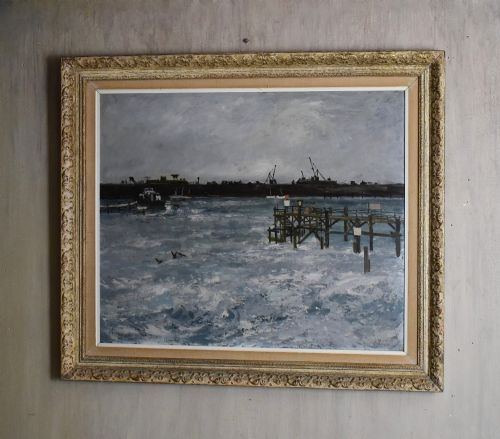
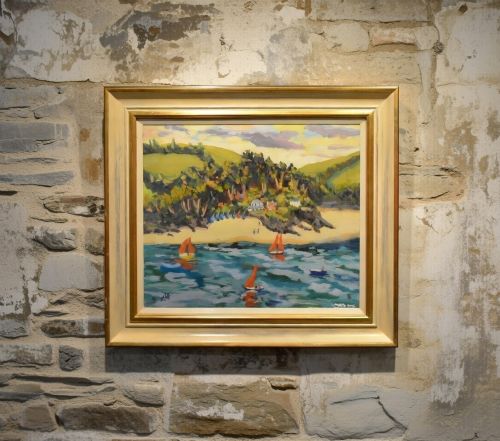
These pieces of nautical artwork gilt frame bring maritime history into a room through oil and watercolour paintings set in polished gold-tone surrounds.
Nautical Artwork Gilt Frame
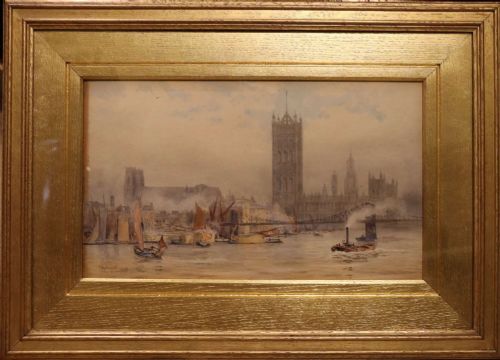
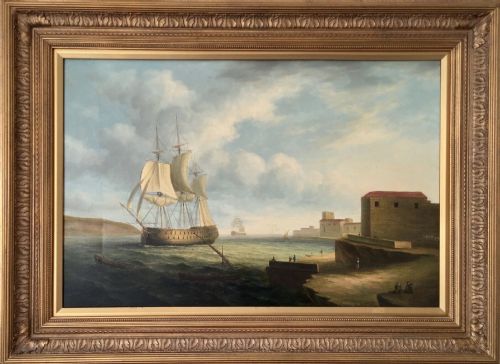
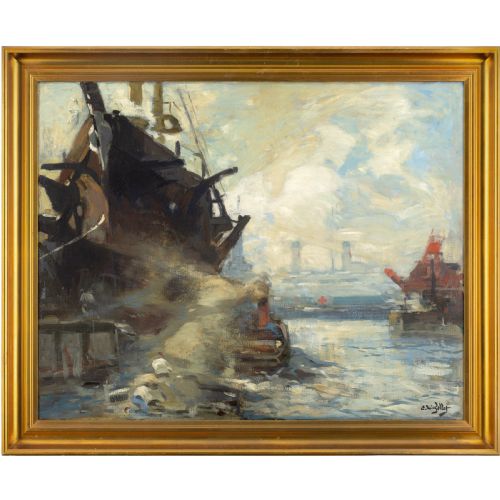
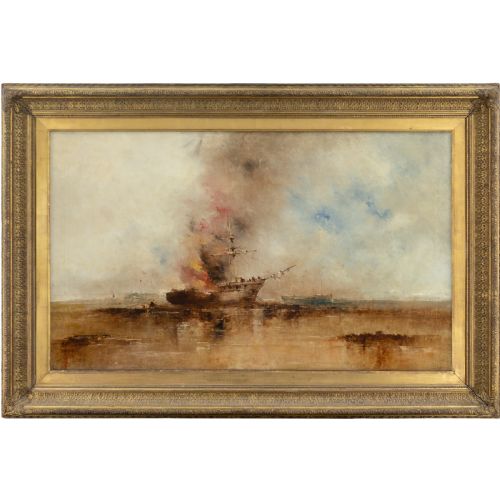
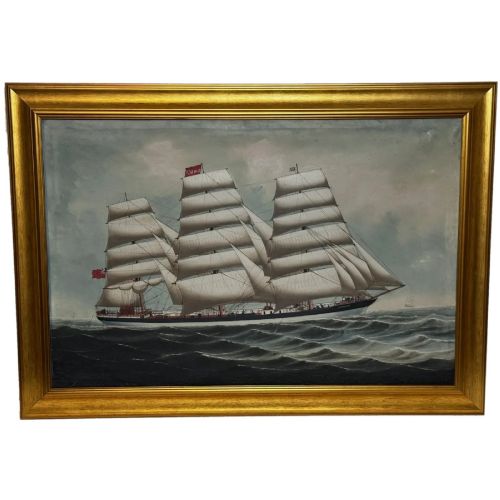
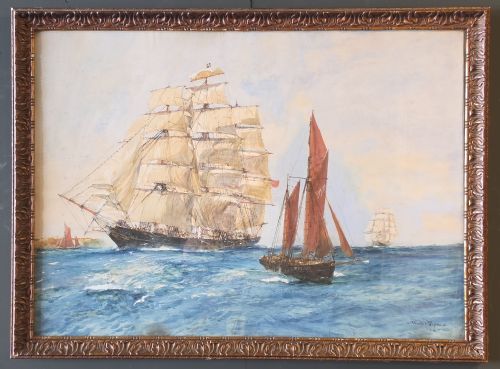
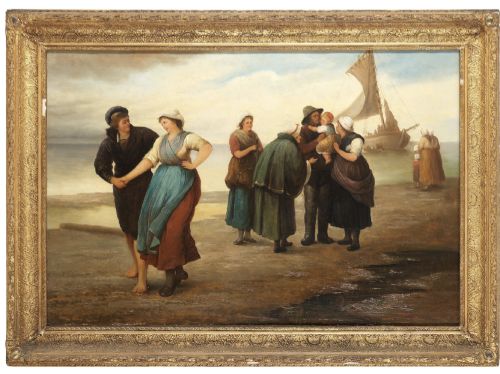
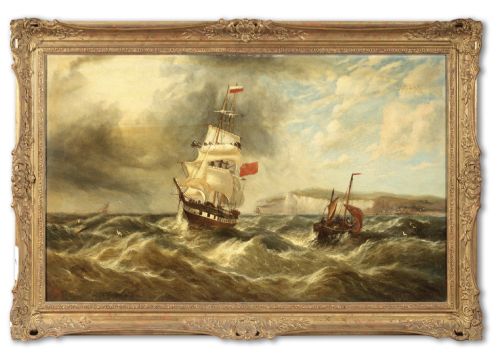
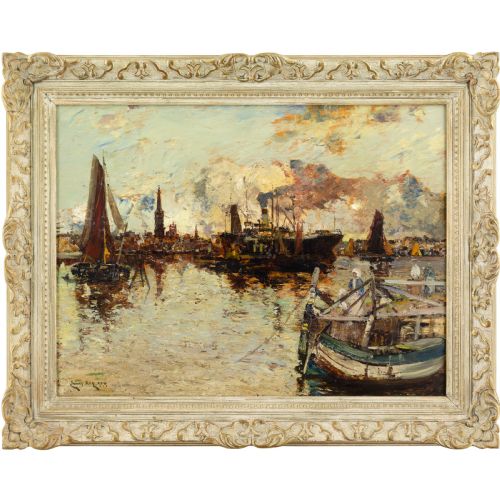
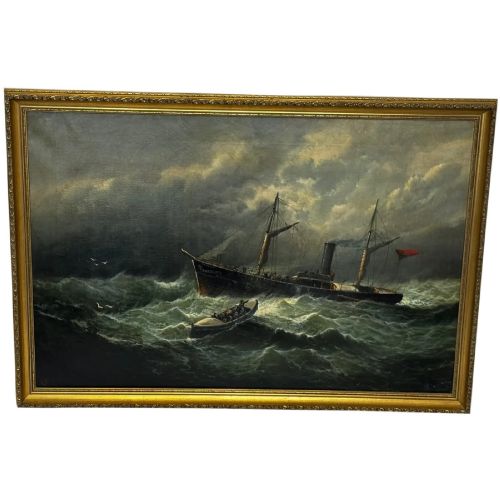
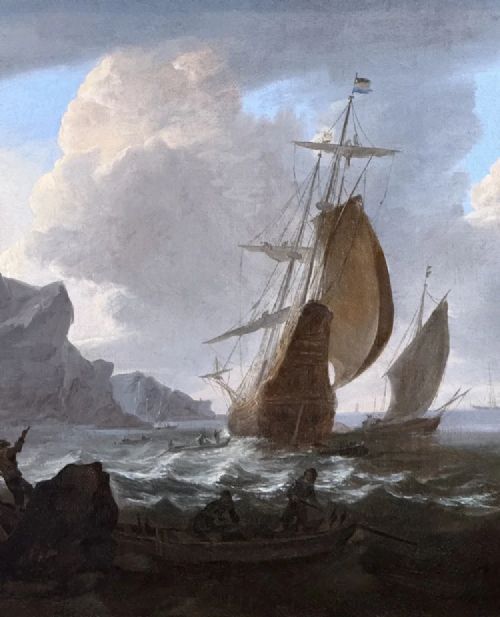
When you search for nautical artwork gilt frame, you encounter maritime paintings created across the nineteenth, Edwardian, and twentieth centuries. The selection spans oil on canvas, oil on panel, and watercolours depicting galleons, merchant ships, steamships, and coastal harbours.
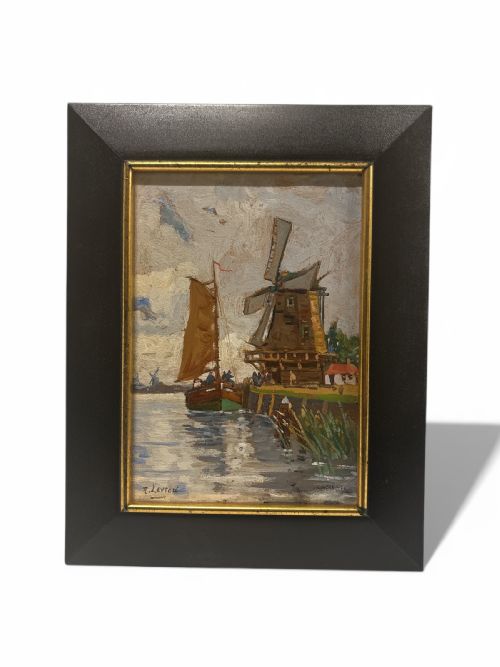
Most examples originate from the Victorian and Edwardian periods, showcasing marine subjects housed in matching wood and gilt frames. The assortment includes calm canalscapes, rough seas, and port scenes recorded by named artists and regional schools.
How they were made
Makers utilised oil paint and watercolour on stretched canvas, wood panels, board, and paper supports to render seascapes and vessels. Canvas and panel paintings capture deep textures in water and sky, while works on paper offer precise maritime detail.
Surrounding surrounds consist of wood frames finished in gilt, which complement the maritime subjects. These surrounds provide structural support and historical context for the paintings.
Several depictions feature named vessels enduring rough waters, including steamships and Norwegian barques.
What varies in quality
The standard of a nautical artwork gilt frame depends on the handling of light, water movement, and vessel rigging by the artist. Skilled works convey atmospheric tension in rough seas and accurate architectural detail in sailing ships.
The craftsmanship of the gilt wood frame also influences the overall integrity of the piece. Ornate mouldings and original gilding elevate the presentation of the painting.
H. Medlycott·James Hardy·R Leyton·Eugène-Louis Gillot·William McAlpine·Reginald Arthur Borstel·Charles Edward Dixon·John Rose Miles·James Kay·William Broome·Bonaventura Peeters·Peter Brannan·Lucy Pratt·Willem Bos·F Corpuz·John Wilson Carmichael·Richard B. Spencer·William Henry Williamson·Bernard Benedict Hemy·George Stanfield Walters·Abraham Hulk I·Charles Napier Hemy·Gustave De Bréanski·Pieter Cornelis Dommersen
The Nautical Artwork Gilt Frame Glossary
- Gilt
- A thin layer of gold or gold-coloured material applied to wood frames. This finish enhances the visual weight and decorative appeal of the surrounding border.
- Oil on Canvas
- Pigment mixed with drying oil applied to a woven fabric stretched across a wooden frame. This medium allows for rich colour blending and textured brushwork.
- Watercolour
- A painting method where paint is made of pigments suspended in a water-based solution on paper. It creates transparent washes suitable for subtle coastal light.
- Panel
- A flat piece of wood used as a rigid support for oil painting. Panels provide a smooth, stable surface for fine maritime detail.
- Seascape
- A work of art depicting the sea, ships, or coastal views. These subjects range from calm harbour scenes to dramatic storms.
Nautical Artwork Gilt Frame: Frequently Asked Questions
What periods do these paintings come from?
The works span from the seventeenth century through to the Edwardian era and mid-twentieth century. Many pieces date specifically from the Victorian period.
Creators captured changing maritime technologies, moving from wooden sailing ships and galleons to steamships.
What subjects appear in these scenes?
Common subjects include three-masted schooners, merchant vessels, warships, and harbour views. Artists recorded both tranquil coastal waters and dramatic storms at sea.
Locations range from British ports to European canals and Italian coastal waters.
How do I identify watercolours versus oils?
Oils use thick pigments on canvas, panel, or board, offering textured brushstrokes and deep colour saturation. Watercolours use transparent pigments on paper, showing a smoother, lighter finish.
Glass usually protects watercolours, whereas oil paintings on canvas remain exposed to the air.