
Natural Pine Storage Cabinet
A natural pine storage cabinet brings honest utility and warmth to a room, offering practical storage built from robust softwood.
Natural Pine Storage Cabinet
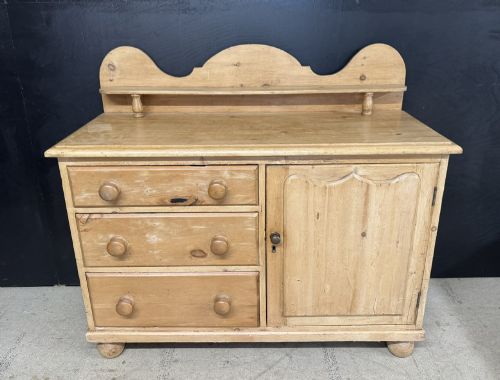
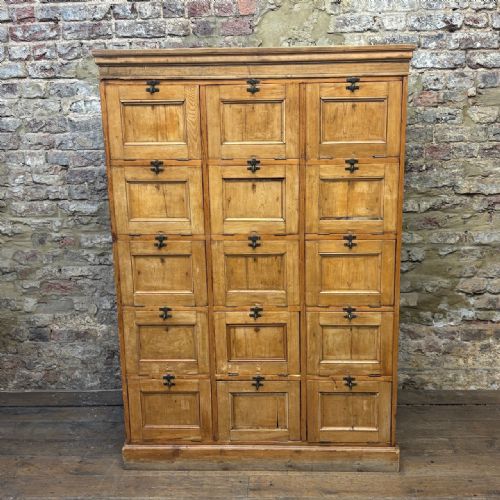
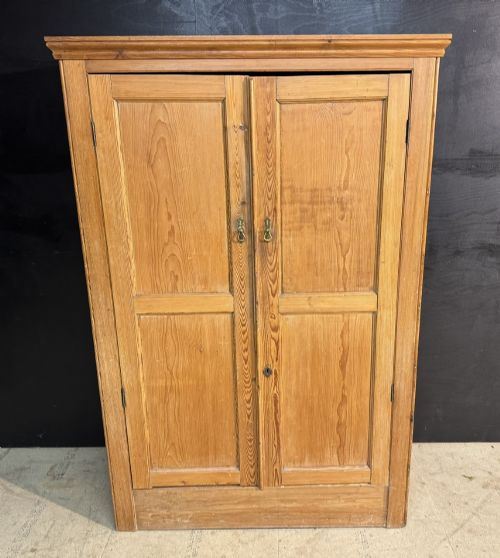
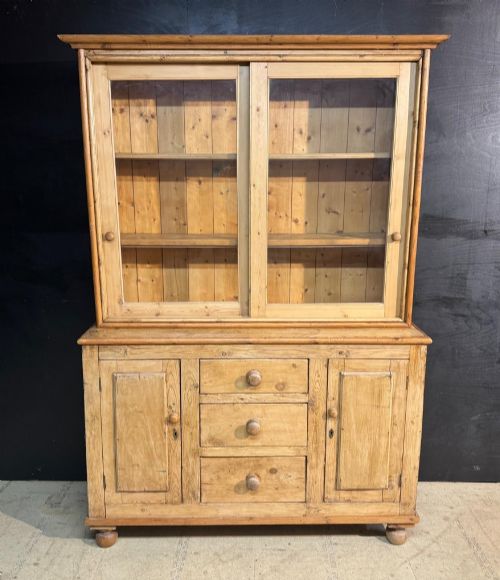
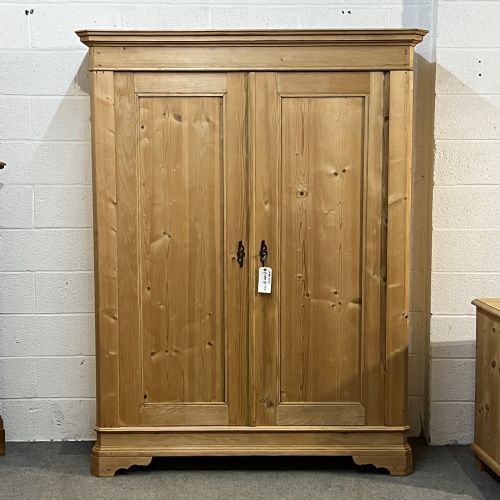
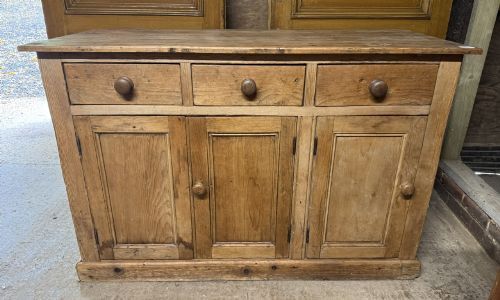
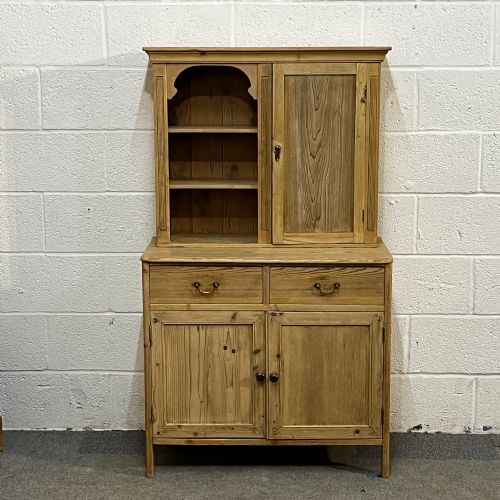
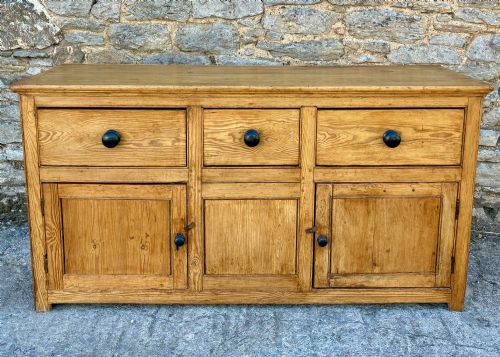
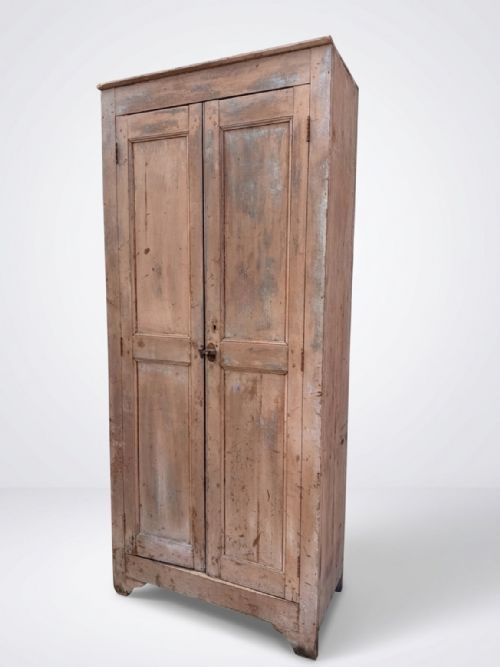
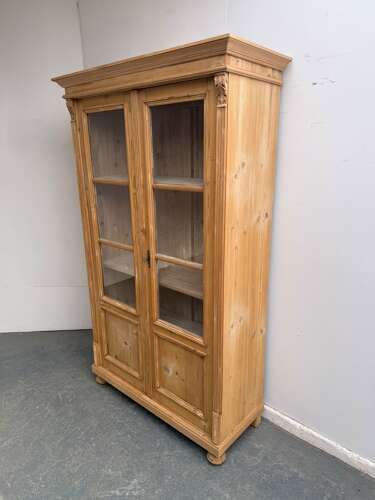
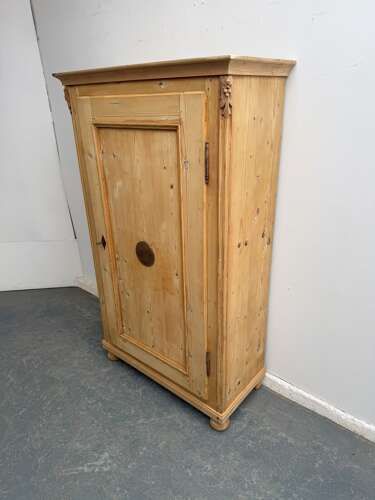
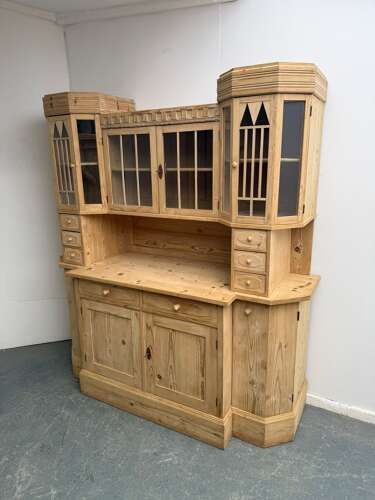
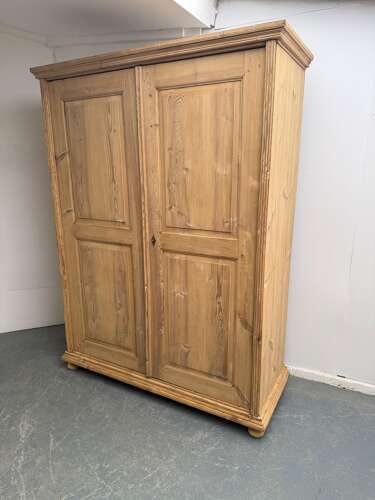
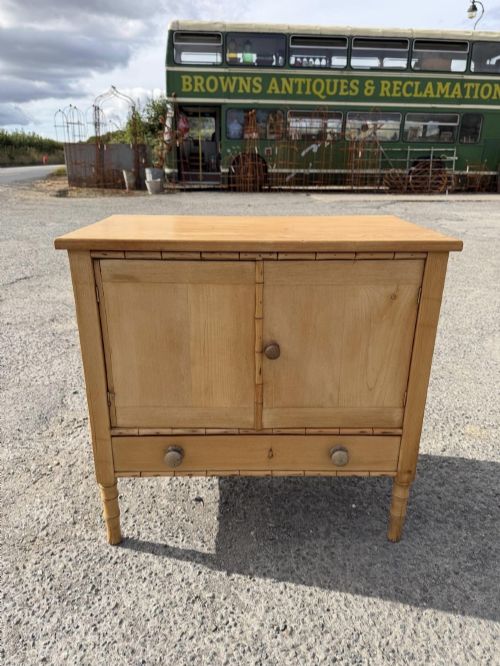
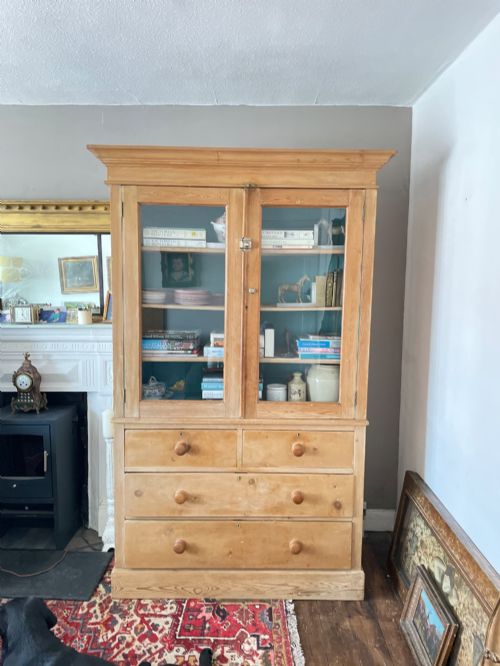
A natural pine storage cabinet serves as a versatile piece for domestic organisation, frequently appearing in forms such as larder cupboards, housekeeper cupboards, and general storage units. These pieces range from compact single-door variants to large multi-door wardrobes and kitchen dressers.
The selections span distinct historical eras, with Victorian and 19th-century examples dominating the inventory, alongside occasional Georgian and early twentieth-century pieces. Buyers encounter various regional influences, including French provincial designs and rustic farmhouse styles.
Most items provide substantial interior volume through adjustable shelving, drawers, or hanging space. Their utilitarian origins mean they were designed for daily service in kitchens, larders, and hallways.
Construction and Materials
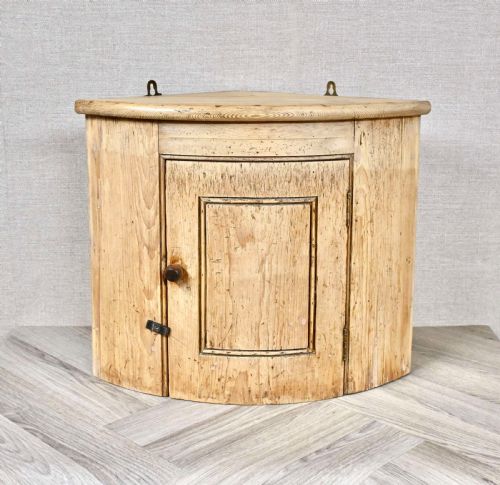
Makers utilised solid pine as the primary timber, occasionally pairing it with iron, brass, or glass hardware such as handles, hinges, and cabinet doors. Secondary materials like cedar, metal, and ceramic appear in specific functional components like drawers and fittings.
Construction techniques include traditional joinery designed for knockdown assembly in larger wardrobes and cupboards to ease transportation. Surfaces are often finished with wax or left prepared for paint or further waxing by the owner.
Listings feature pieces spanning the Georgian, Victorian, and early twentieth-century periods, constructed primarily in pine with iron and glass accents.
Assessing Quality
Quality rests on the integrity of the timber selection, the weight and proportion of the piece, and the retention of original hardware like brass or iron fittings. Substantial construction in larger items like wardrobes and dressers indicates superior original purpose.
The finesse of the joinery, especially in arched doors, beaded panels, and corner cabinetry, distinguishes standard utility pieces from finer vernacular work. Surface treatment history, whether carefully stripped or retaining honest aged patina, influences the character of the finished cabinet.
The Natural Pine Storage Cabinet Glossary
- Pine
- A softwood timber utilised widely for domestic furniture due to its workability and availability. It takes wax and paint finishes readily.
- Knockdown
- A method of cabinet construction using pegged or bolted joints that allow the piece to be dismantled into sections. This facilitated movement between rooms and properties in the nineteenth century.
- Larder Cupboard
- A tall storage piece traditionally ventilated for food preservation. These often feature internal shelving and sometimes mesh or louvred panels.
- Dresser Base
- The lower portion of a kitchen dresser, functioning as a sideboard with cupboards and drawers. It provides heavy-duty surface and internal storage.
- Fielded
- A panel detail where the edges are bevelled down to fit into a grooved frame. This technique adds depth and structural stability to cabinet doors.
Natural Pine Storage Cabinet: Frequently Asked Questions
How do I date an antique pine cabinet?
Dating relies on construction methods, hardware types, and stylistic indicators such as arched panels or square nails. Victorian and 19th-century pieces show distinct joinery patterns compared to earlier Georgian or later 1910 Arts and Crafts examples.
Examining the backboards and interior construction reveals tool marks and assembly techniques characteristic of specific decades. Comparing proportions and door configurations helps narrow the manufacturing period.
What is a knockdown wardrobe?
A knockdown wardrobe is a large piece of furniture engineered to be easily dismantled into panels and sections. This design allowed large bedroom storage units to be moved up narrow staircases and between properties.
These pieces use internal wooden bolts, wedges, or sliding pins to secure the sides to the base and cornice without permanent glue joints. The setup offers stability while retaining modular portability.
How should I care for a waxed pine surface?
Maintenance involves applying a quality bees-wax polish periodically to nourish the softwood and maintain a soft sheen. Avoid placing pine furniture in direct sunlight or near heat sources to prevent the timber from splitting.
Cleaning should be done with a soft, dry cloth rather than wet solutions that can penetrate the wax barrier. Regular buffing preserves the natural grain and depth of the pine.