


Natural Pine Bedroom Dresser
A natural pine bedroom dresser brings utilitarian warmth and generous storage to a domestic interior.
Natural Pine Bedroom Dresser
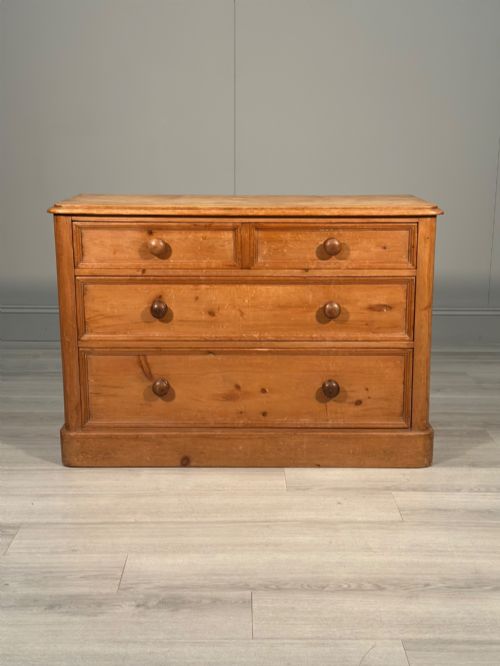
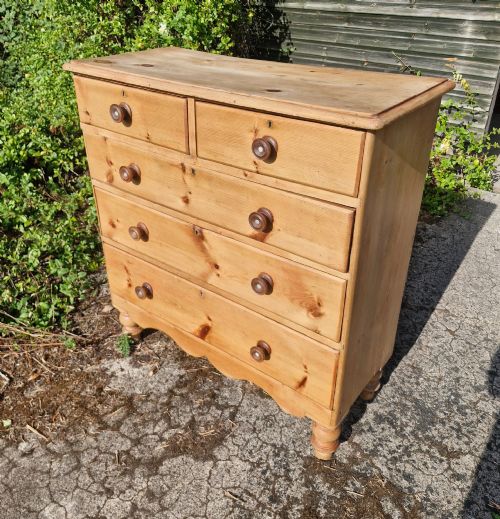
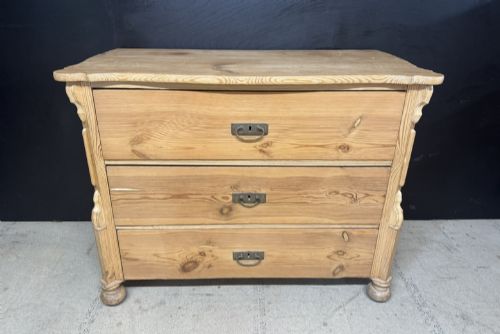
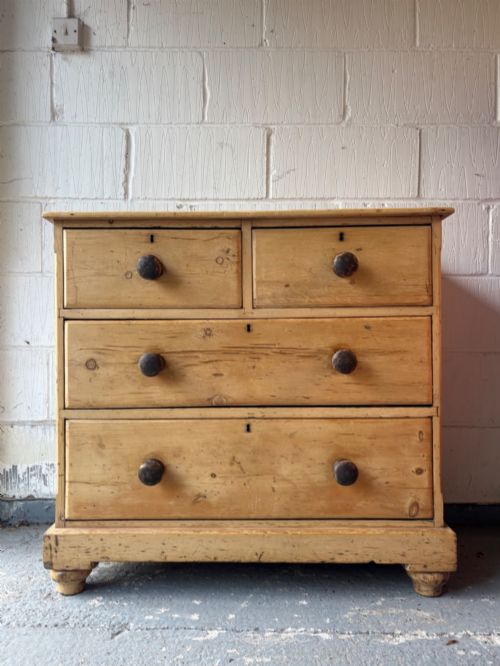
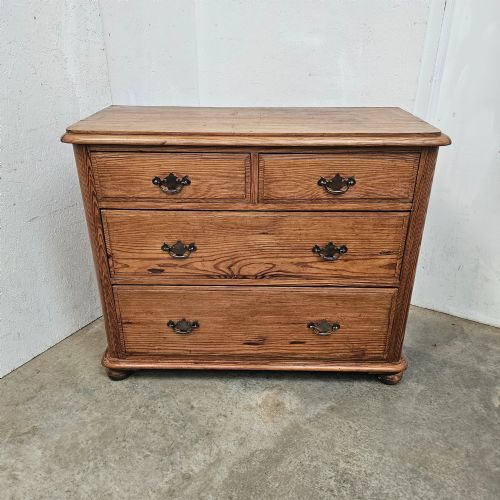
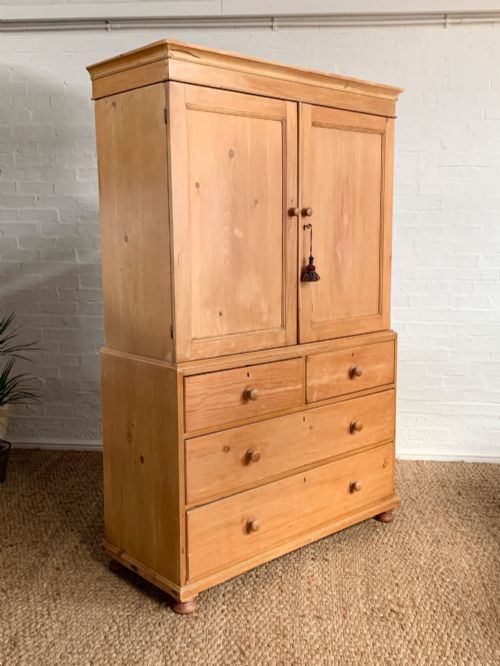
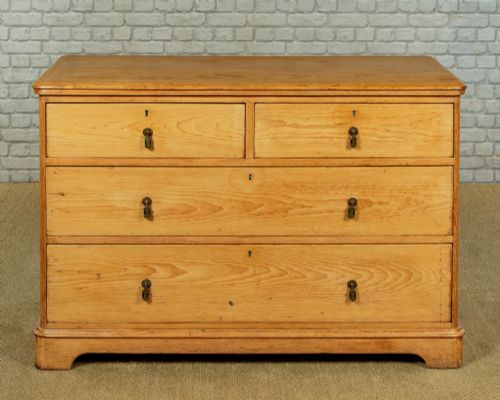
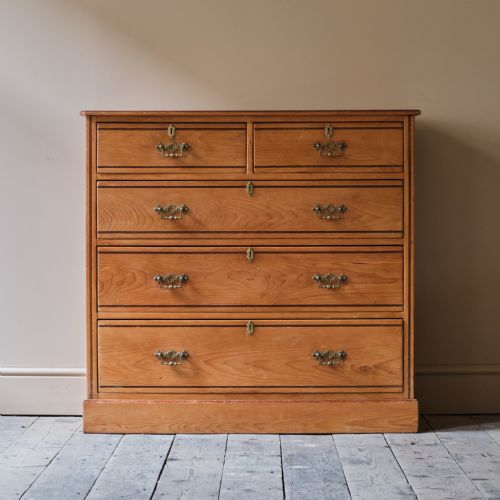
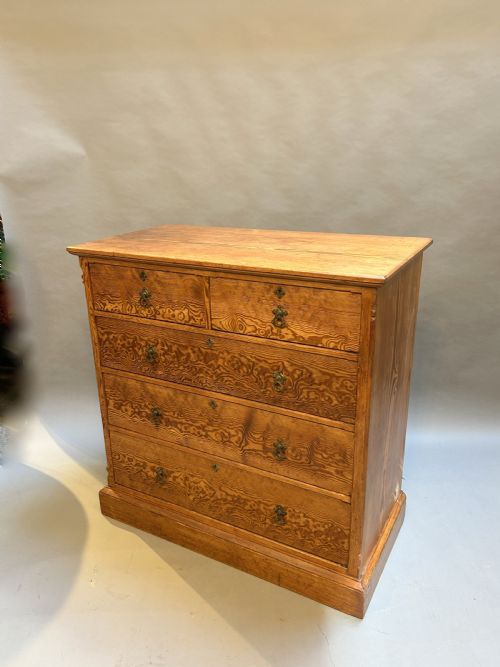
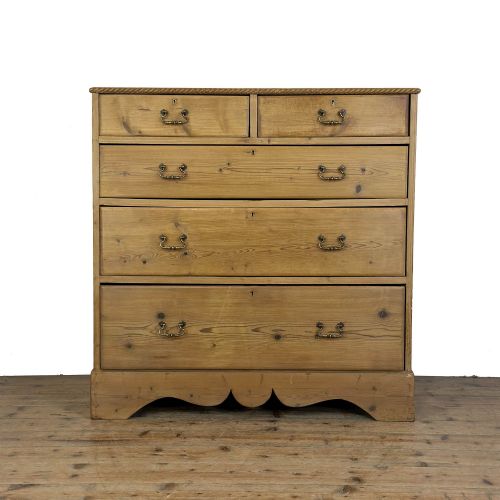
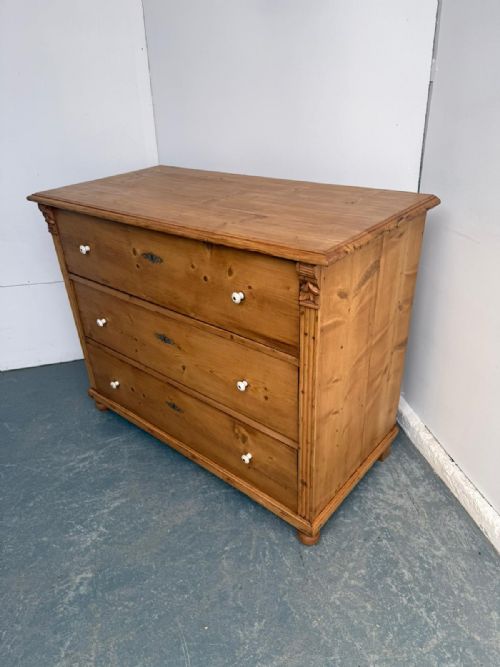
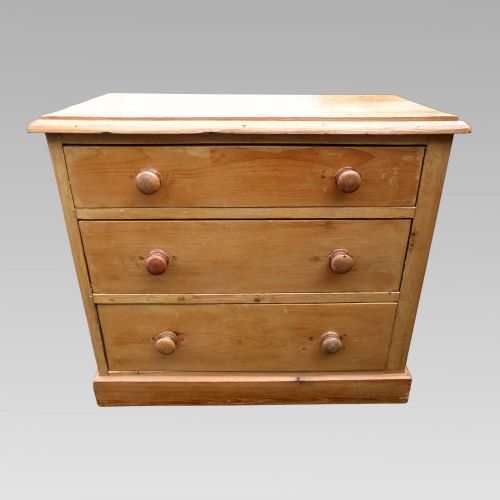
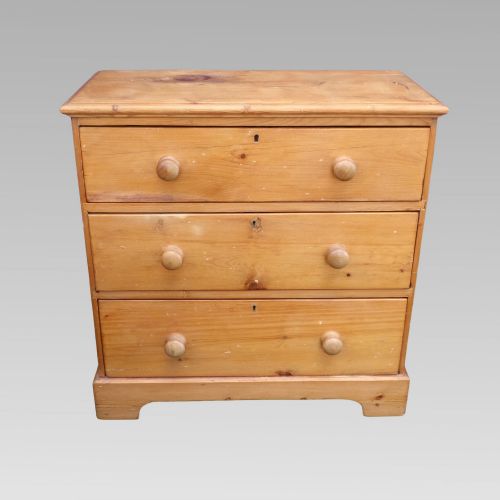
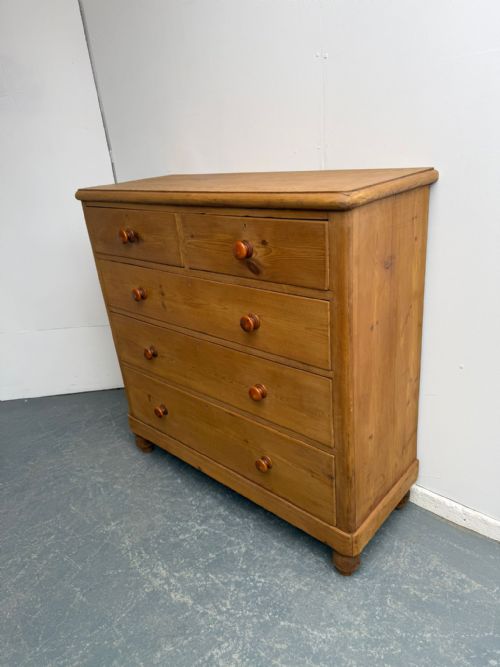
When searching for a natural pine bedroom dresser, buyers encounter sturdy storage furniture primarily constructed during the Victorian period and the late nineteenth century. These pieces predominantly take the form of chests of drawers, offering configurations from three to five drawers, alongside occasional tall examples, wardrobes, and cupboard units.
The aesthetic ranges from plain scrubbed surfaces to waxed finishes and painted drawer fronts. Pieces span domestic English country workshops and continental traditions, providing practical utility alongside distinct regional character.
Materials and construction
These items rely on solid timber construction, utilising standard pine, pitch pine, and oregon pine complemented by secondary woods. Cabinetmakers joined carcases using traditional methods, attaching timber handles such as turned bun handles, and incorporating brass, metal, ceramic, iron, or bone details.
Surfaces received various treatments to protect the wood, including Hungarian wax finishes, scrubbing down to bare timber, or retaining earlier painted schemes. Drawer construction typically featured traditional joints designed to withstand daily domestic use.
Materials recorded across the inventory include standard pine, pitch pine, oregon pine, brass, metal, ceramic, iron, and bone.
Factors determining quality
Quality in these items is visible in the selection of the pine timber and the crispness of the cabinetmaker's joinery. Substantial proportions, such as well-executed columned details or gallery backs, distinguish more ambitious workshop output from basic utility pieces.
The condition of the timber surfaces and the originality of handles, whether turned wood or metal, dictate the overall integrity of the piece. Better examples maintain smooth drawer action and balanced proportions across the chest.
The Natural Pine Bedroom Dresser Glossary
- Scrubbed pine
- Timber that has been washed and scoured repeatedly to remove old finishes, leaving a pale, matt surface. This treatment exposes the natural grain.
- Pitch pine
- A durable North American pine species characterised by a dense resin content and prominent growth rings. Cabinetmakers utilised it for robust structural elements.
- Bun handle
- A small, rounded solid wood knob attached to drawer fronts for pulling. These turnings are characteristic of nineteenth-century case furniture.
- Gallery back
- A raised timber barrier attached to the top rear edge of a chest to prevent items from sliding off. This feature appears on select nineteenth-century examples.
Natural Pine Bedroom Dresser: Frequently Asked Questions
How do I care for a waxed pine dresser?
Maintain the finish by applying a quality beeswax periodically and buffing with a soft cloth to nourish the timber. Avoid placing the piece in direct sunlight or near heat sources to prevent the wood from drying out.
Clean surfaces with a dry or barely damp cloth, steering clear of harsh chemical sprays that can strip the traditional wax coating.
Are these dressers suitable for modern bedrooms?
Their straightforward proportions and neutral timber tones allow them to integrate easily into contemporary bedroom schemes. They offer deep, practical drawer storage for clothing and linens.
The variety of sizes, from narrow panelled chests to large five-drawer units, accommodates different spatial requirements.
How do I identify a Victorian pine chest?
Look for construction markers such as hand-cut dovetails on the drawer sides and the use of solid secondary timbers internally. Drawer configurations often follow standard nineteenth-century arrangements, such as two short drawers over three long ones.
Hardware like turned wooden bun handles or simple brass escutcheons further points to the period origin.
What is the difference between stripped and waxed pine?
Stripped pine has had its later paint or dark varnish removed down to the raw wood, resulting in a pale, dry appearance. Waxed pine has been treated with wax polish, which deepens the tone and adds a soft sheen to the grain.
Both finishes highlight the natural knots and variations inherent in nineteenth-century softwood furniture.