




Natural Pearl Choker
A natural pearl choker brings together organic oceanic gems and precious metal clasps, offering a timeless neck ornament sought after by collectors of fine historic jewellery.
Natural Pearl Choker
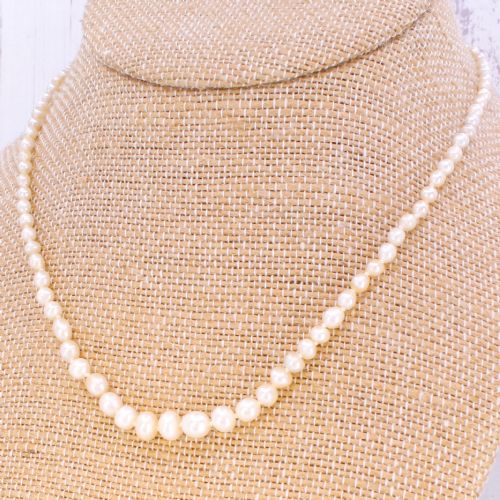
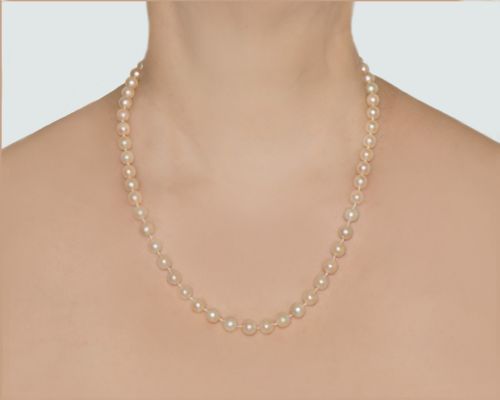
A natural pearl choker sits closely against the throat, drawing attention through the gentle lustre of organic saltwater gems. These necklaces span various historic eras, from the Georgian period through to the mid-twentieth century.
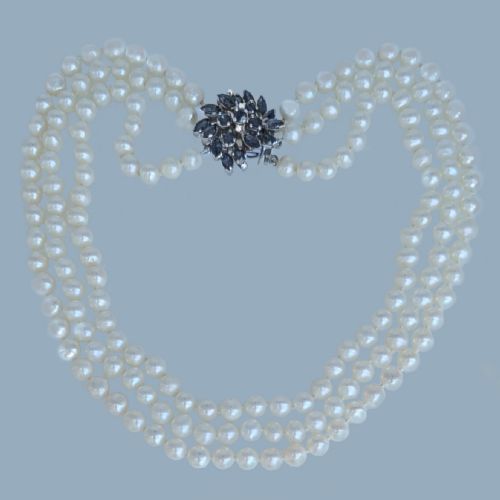
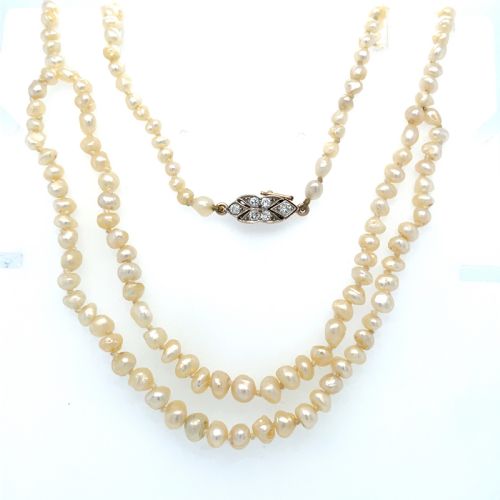
The pieces appearing here range from single strands to multi-row arrangements, often secured by ornate clasps. Many examples integrate diamonds, sapphires, emeralds, or coral alongside the pearls.
Makers fashioned these shorter necklaces using silk threading to support the natural saltwater pearls. Buyers encounter both delicate Edwardian creations and bolder Art Deco or mid-century interpretations.
How they were made
Craftspeople strung natural saltwater pearls onto fine silk threads, often knotting the cord between individual gems for security. Metalworkers then forged clasps from platinum, yellow gold, white gold, and silver to secure the strands.
Goldsmiths and platinum-smiths frequently embellished these clasps with old-cut diamonds, sapphires, and emeralds, using complex setting techniques to frame the central gems.
Materials documented across the pieces include natural saltwater pearls, diamonds, sapphires, emeralds, and coral.
What varies in quality
The distinction between tiers rests upon the origin, orient, and uniformity of the pearls themselves. Natural saltwater pearls with consistent lustre and matching proportions command greater attention than mixed-grade alternatives.
Clasp craftsmanship and the integration of supporting stones such as diamonds and sapphires elevate a piece. The condition of the original silk threading and the presence of formal gemological reports also influence the overall standing of the necklace.
The Natural Pearl Choker Glossary
- Natural pearl
- A pearl formed organically in molluscs without human intervention. These gems possess a distinct orient and composition compared to cultured varieties.
- Saltwater pearl
- Pearls harvested from marine oysters rather than freshwater mussels. They typically exhibit a deeper lustre.
- Old-cut diamond
- A diamond cut by hand before the standardisation of modern brilliant facets. These stones display smaller tables and open culets.
- Basra pearl
- Natural saltwater pearls originating from the Persian Gulf region. Collectors prize them for their specific water and historic provenance.
- Clasp
- The mechanical fastening device securing the necklace. In fine pieces, these components double as decorative gemstone brooches.
Natural Pearl Choker: Frequently Asked Questions
How do I wear a natural pearl choker?
A natural pearl choker rests high on the neck, making it well-suited for open collars and evening wear. Pairing it with simple attire allows the lustre of the pearls and the detail of the clasp to remain the focal point.
Because these necklaces are historic items, handling them with care prevents undue strain on the silk threads. Storing them flat and away from harsh cosmetics preserves both the pearls and the precious metals.
How can I tell Edwardian pieces apart from Art Deco ones?
Edwardian necklaces typically feature delicate platinum work, lace-like scroll motifs, and softer floral diamond clasps. The emphasis rests on lightness and intricate filigree.
Art Deco examples shift towards geometric precision, bolder colour contrasts using sapphires or emeralds, and structured metal settings. The overall aesthetic becomes sharper and more stylised.
What is a gem report?
A gem report is a formal laboratory document detailing the organic origin and natural formation of the pearls. It provides scientific verification that the gems are saltwater pearls rather than cultured or imitation alternatives.
These reports often include measurements, weight data, and confirmation of treatments, offering buyers documented assurance regarding the materials used in the necklace.
Are these pearls cultured or natural?
The listings here feature natural pearls formed without human seeding. This distinguishes them from cultured pearls grown through commercial intervention.
Testing laboratories examine the internal structure of the pearls to confirm their natural origin. This distinction matters greatly to collectors seeking historic, untouched marine gems.