


Natural History Watercolour
Natural history watercolour paintings capture detailed studies of birds, animals and plants on paper, offering both scientific observation and delicate artistry for the home.
Natural History Watercolour
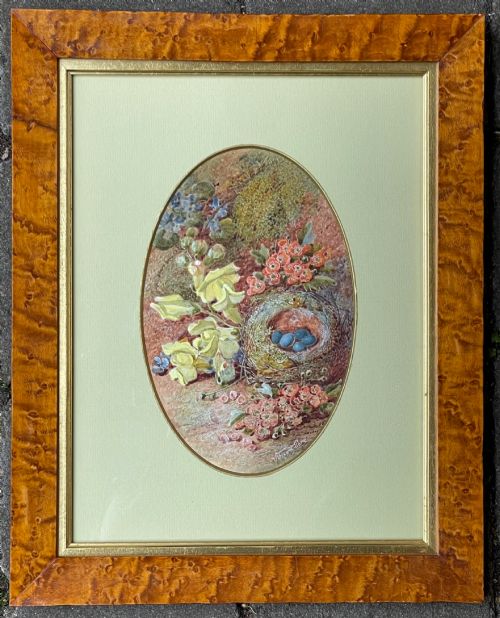
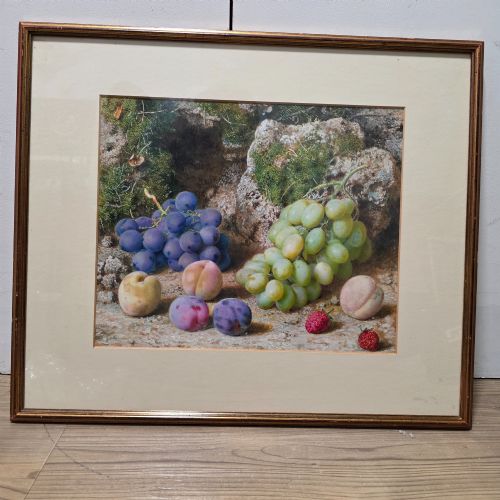
A natural history watercolour represents a traditional artistic discipline dedicated to recording the natural world with precision and visual appeal. These works span multiple eras, including Regency, Victorian, Edwardian and mid-century periods, capturing subjects ranging from exotic birds and native garden species to botanical studies and still-life fruit.
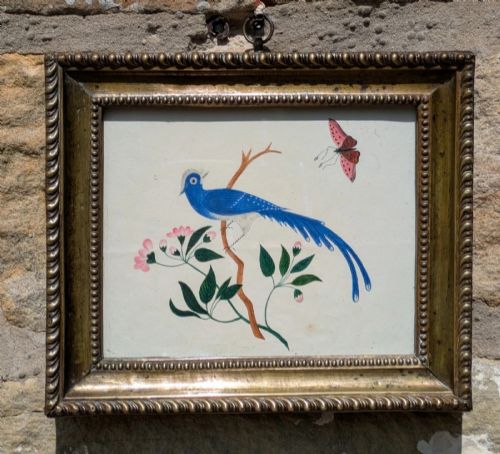
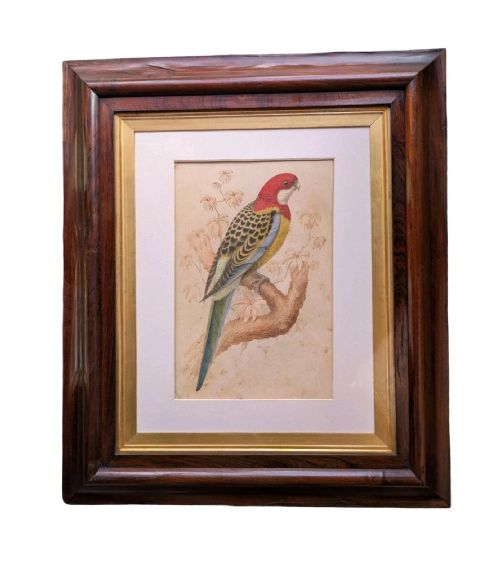
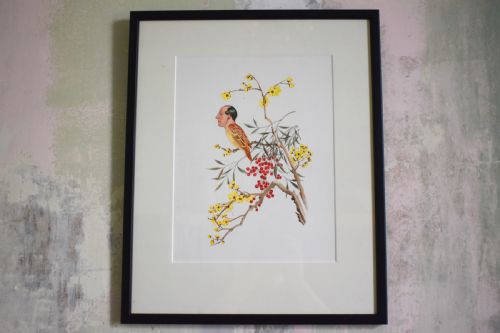
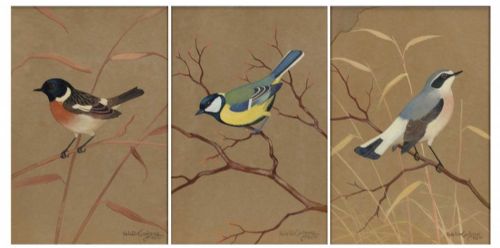
The pieces on this page appear in various formats such as framed wall art, framed paintings and Chinese pith paintings. Common subjects include parrots, songbirds, insects, and botanical specimens, executed by named artists and regional schools.
How they were made
Artists executed these works primarily using watercolour pigment and gouache applied directly to paper. Some pieces incorporate specialised supports such as Chinese pith paper, while others utilise framing materials including wood, glass, ebonised frames and deep giltwood mounts.
The application of paint ranges from fine, meticulous brushwork suitable for scientific illustration to looser, more expressive strokes seen in later mid-century and surrealist works.
Listings feature paper, glass, wood, gouache, and watercolour pigment across Victorian, Edwardian, Regency, and mid-century periods.
What varies in quality
Quality rests in the precision of the draughtsmanship and the artist's ability to render the anatomy, feather structure, or floral detail of the subject with life. Superior examples demonstrate a confident handling of pigment and paper that brings the subject forward without losing scientific accuracy.
The condition of the paper, the vibrancy of the pigments against fading, and the quality of the associated framing elements also contribute to the standing of an individual piece.
Vincent Clare·R. Hurst·John Sherrin·Ralston Gudgeon·M Simpson·Charles F. Tunnicliffe·William Andrews Nesfield·Harry Bright·R Lauritsch VI·Robin Hill·Michael Jackson·Paul-Louis Barruel·Donald Watson·William B. Hough·Cuthbert Edmund Swan
The Natural History Watercolour Glossary
- Watercolour pigment
- Colouring material ground with a water-soluble binder, used on paper to create translucent washes and fine details.
- Gouache
- An opaque water-based paint that provides solid, flat areas of colour and dense highlights.
- Pith painting
- Artwork created on thin sheets of pith material, traditionally produced in China for export during the nineteenth century.
- Botanical study
- A detailed artistic rendering of plants, flowers, or fruit intended to show structural and morphological characteristics.
Natural History Watercolour: Frequently Asked Questions
What subjects appear in these paintings?
The works predominantly feature birds such as parrots, finches, ducks, and kookaburras, alongside insects, butterflies, and floral still-life subjects like fruit and amaranth red cockscomb flowers.
Subjects span both British wildlife and exotic species, reflecting changing scientific interests and artistic tastes from the Regency era through to the mid-twentieth century.
How should I frame and hang these watercolours?
Watercolour paintings require protection from direct sunlight to prevent the pigments from fading over time. Utilising glass and acid-free mounts helps preserve the paper support.
Many period pieces arrive within traditional wood, ebonised, or giltwood frames that complement the age and origin of the artwork.
How do I identify the age of a piece?
Dating relies on stylistic markers, framing methods, and signatures associated with known artists or specific historical periods like the Victorian or Edwardian eras. Paper characteristics and inscription details also provide clues to the approximate date of creation.
Reference to recorded artist working dates helps narrow down the production window for signed paintings.
What is a pith painting?
Pith paintings are delicate works created on porous material sliced from the pith of the Tetrapanax papyrifer plant. These pieces were often produced in China during the nineteenth century for international export.
They typically depict insects, butterflies, and flora with remarkably vibrant colours.