
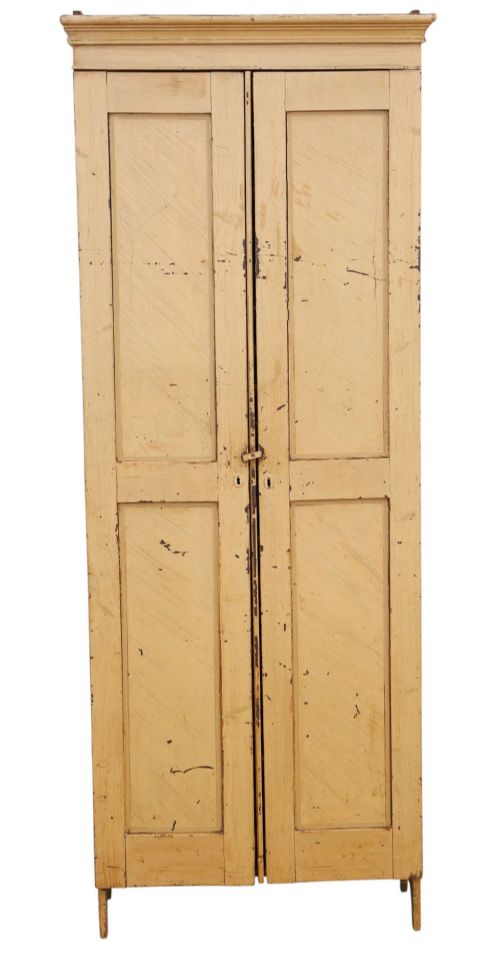
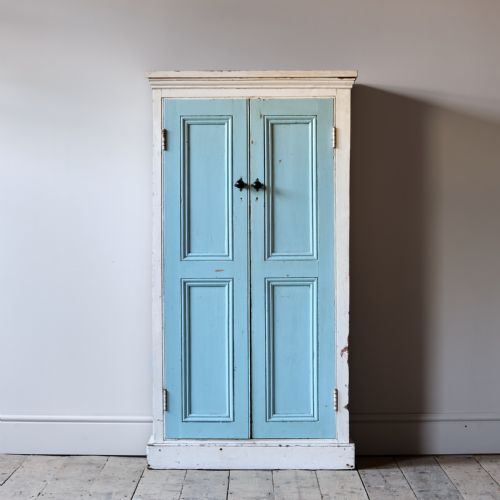
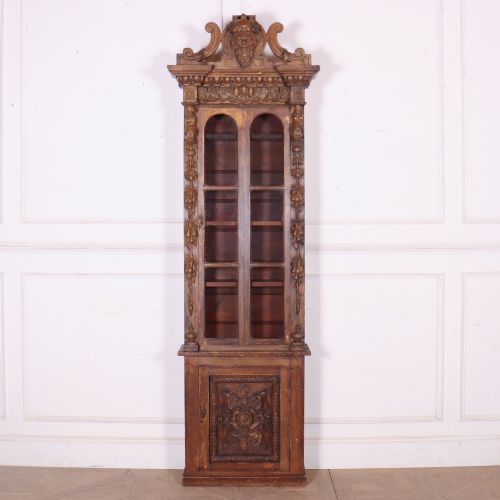
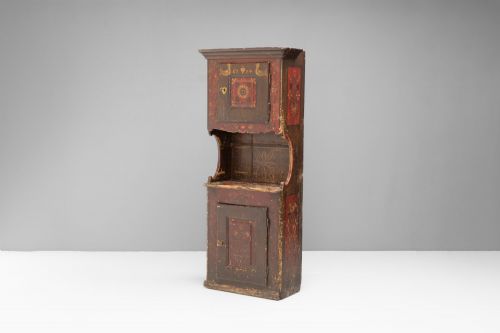

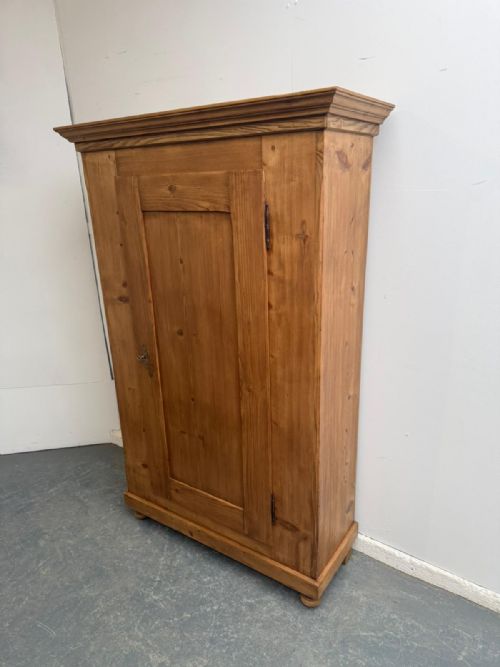


Narrow Pine Cupboard
A narrow pine cupboard is a slender storage piece built for tight spaces, offering honest utility and simple charm.
Narrow Pine Cupboard
A narrow pine cupboard provides compact storage through vertical proportions, commonly found in domestic settings from the Georgian era through to the early twentieth century. These pieces serve diverse functions around the home, appearing as kitchen larders, hallway wardrobes, linen stores, and bedside cabinets.
The selection ranges from simple farmhouse designs to painted Scandinavian and Gustavian pieces, alongside more formal Victorian and Edwardian examples. Buyers frequently encounter tall single-door wardrobes, chimney cupboards, and shallow hall storage units built to fit confined architectural layouts.
Origin and regional style dictate much of the character, with English country workshops sitting alongside Swedish, Hungarian, and wider continental traditions. Such diversity means a buyer might select a wax-finished timber surface or a layered painted finish depending on the intended interior scheme.
Materials and construction
Solid pine forms the primary structure of these cupboards, occasionally supplemented by pitch pine or augmented with painted wooden finishes. Iron and brass hardware such as hinges, handles, and latches provide the functional mechanics, while glass occasionally appears in glazed upper display doors.
Construction methods rely on traditional joinery suited to domestic utility, executed either as knockdown wardrobes or solid one-piece carcases. Surfaces emerge finished in natural wax, traditional paint, or left bare to allow subsequent waxing or painting by the owner.
Some Victorian skeleton cupboards carried spare internal frames like polite architectural ghosts, ready to change their shelves at a moment's notice.
Assessing quality and proportion
Quality rests primarily in the integrity of the timber and the retention of original structural elements, such as panelled doors and backboards. Superior examples maintain balanced proportions without heavy alterations, while lesser pieces may show excessive truncation or clumsy modern repairs.
Surface finish significantly influences character, with original paint schemes or rich, aged wax patination holding distinct appeal over stripped and bleached alternatives. The crispness of simpler details like mouldings and the smooth operation of drawers and doors distinguish better-executed workshop pieces from utilitarian utility items.
The Narrow Pine Cupboard Glossary
- Chimney cupboard
- A tall, exceptionally narrow storage piece designed to fit into the awkward recesses flanking a chimney breast. These compact units maximise vertical space in smaller rooms.
- Knockdown wardrobe
- A large cabinet designed with dismantling carcases held together by wooden pegs or wedges rather than permanent fixings. This clever technique enabled easy transport up narrow staircases.
- Gustavian
- The Swedish interpretation of neoclassical style, characterised by restrained carving and pale, luminous painted finishes. It brings a refined yet rustic elegance to pine furniture.
- Waxed finish
- A traditional protective coating applied to bare timber to nourish the wood and produce a soft, tactile sheen. It deepens the natural tone of pine over decades of handling.
Narrow Pine Cupboard: Frequently Asked Questions
Where were narrow cupboards used?
These compact cupboards served hardworking domestic roles across the home, from storing provisions in the kitchen to holding linens in the bedroom. Their slender footprints made them ideal for narrow hallways and pantries where floor space was at a premium.
In period houses, they often filled awkward architectural gaps, providing essential storage without dominating the room. Today, buyers use them in similar versatile fashion for modern clothing, books, or bathroom supplies.
How do I care for a waxed pine cupboard?
Maintaining a waxed pine surface involves regular dusting with a dry cloth and occasional applications of a quality bees-based wax. Avoid placing timber furniture in direct sunlight or near heat sources to prevent the wood from drying and splitting.
Moisture should be wiped away promptly to protect the finish, and a soft buffing will restore the gentle sheen whenever the surface looks dry.
How can I tell the period of a pine cupboard?
Dating pine furniture relies on examining construction marks, backboards, and hardware alongside the overall stylistic clues of the piece. Hand-cut dovetails and forged iron hinges usually point towards Georgian or earlier Victorian manufacture, while machine-sawn elements suggest later Victorian or Edwardian dates.
Paint layers and surface wear also provide historical context, though many country pieces remained simple and unpretentious across multiple generations.
Are painted pine cupboards original?
Many pine cupboards received painted finishes during their working lives, either as a contemporary choice in regions like Scandinavia or as a later domestic update. Original paint often shows authentic craquelure, wear patterns, and underlying layers that reveal the history of the piece.
Stripped pine has become a popular modern aesthetic, but surviving historical paint adds significant character and regional interest to country furniture.