
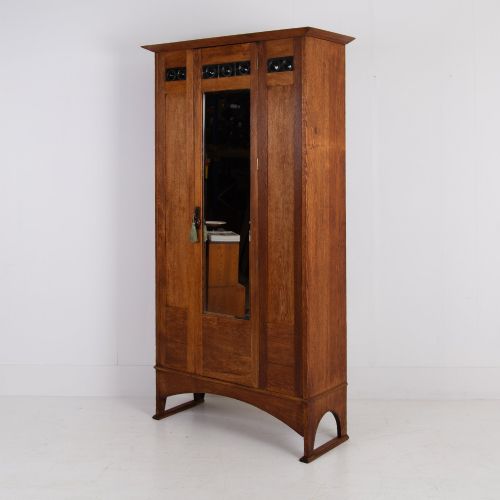
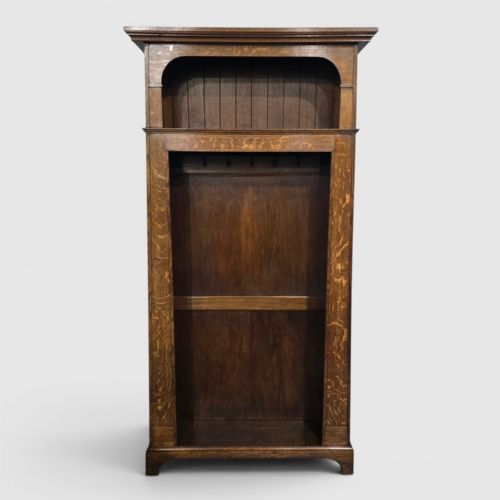
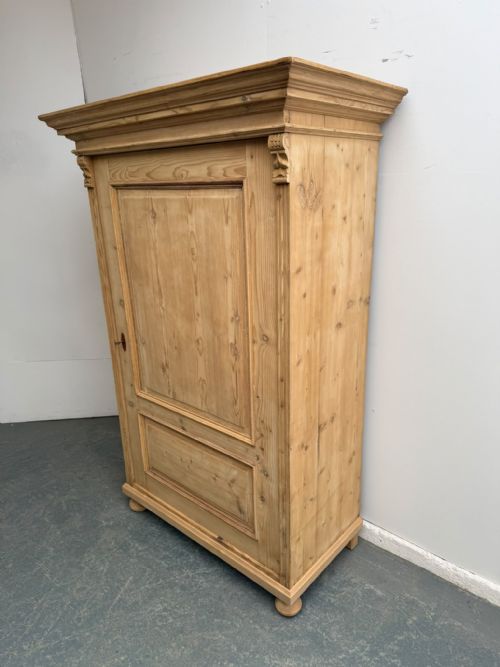
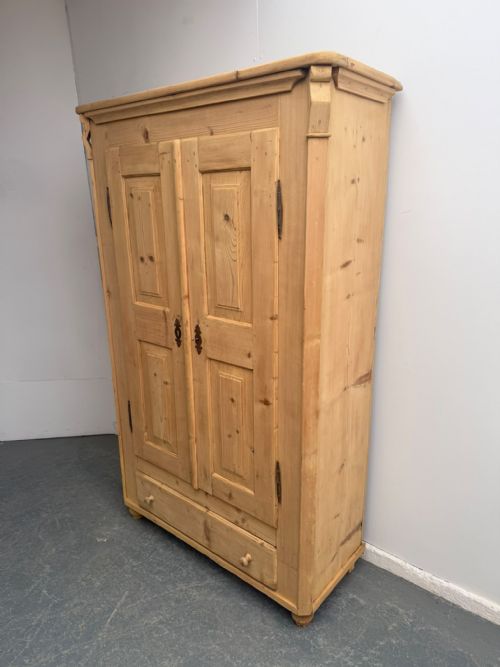


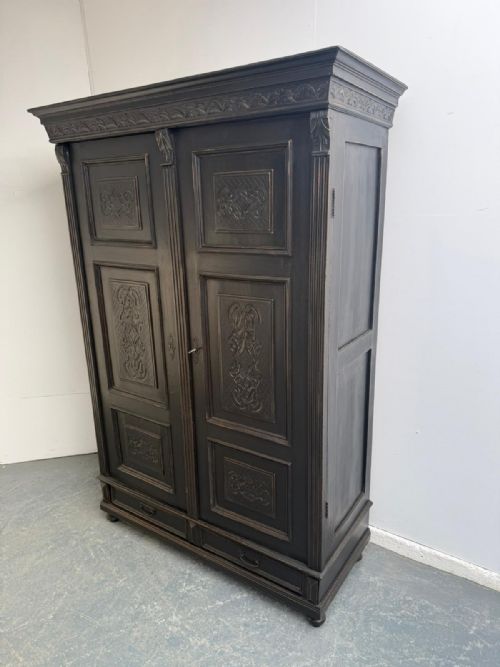

Hall Robe Cupboard
When you search for a hall robe cupboard, you are looking at narrow, space-saving storage pieces built for hallways and entryways.
Hall Robe Cupboard
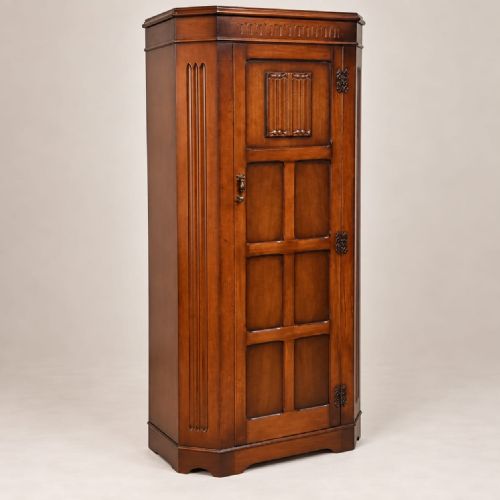
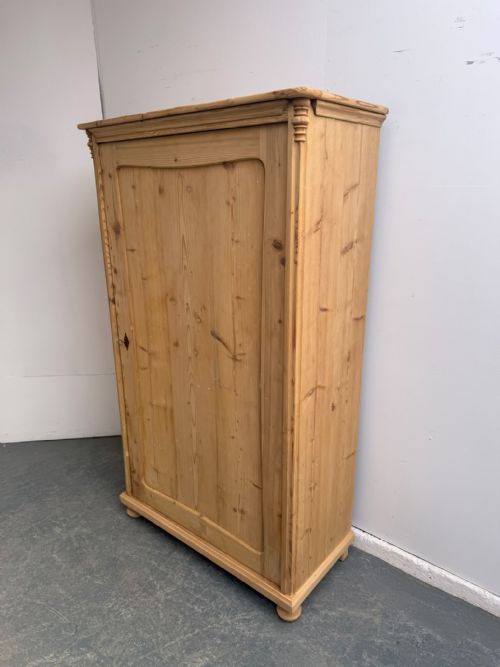
A hall robe cupboard serves as a compact storage solution designed primarily for entryways and reception areas, holding coats, garments, and cloaks without dominating the floor space. These pieces frequently appear in narrow profiles, single-door formats, or shallow depths compared to standard bedroom wardrobes.
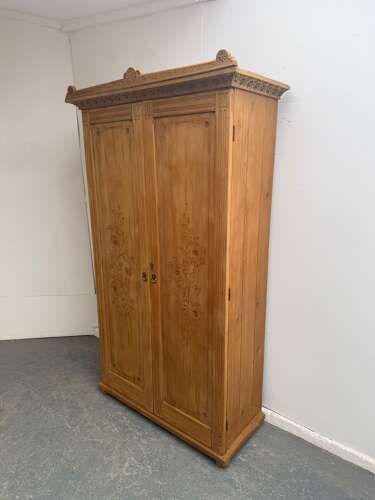
The versions most commonly met on this page span the Victorian era, the Edwardian period around nineteen-ten, and the nineteen-twenties. Buyers will find sturdy oak examples, traditional pine constructions, and rich mahogany pieces reflecting domestic needs from past centuries.
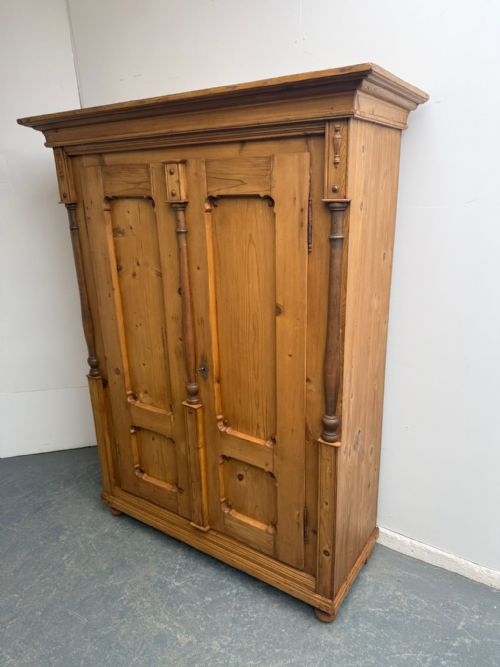
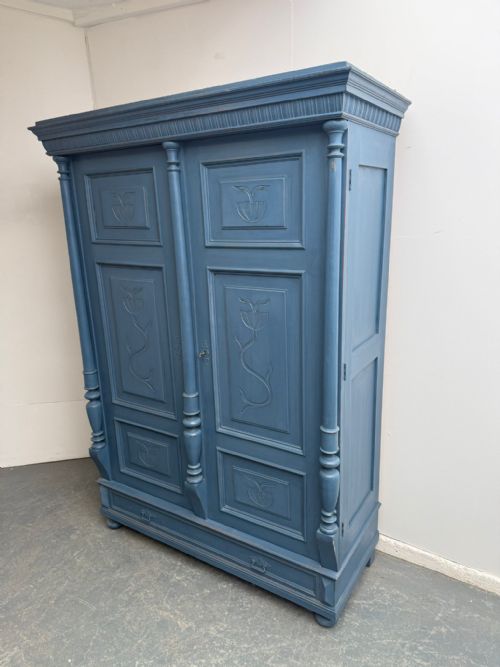
Regional variations also emerge through continental pieces originating from Hungary, Germany, and Bohemia, often featuring painted finishes or combination pine and oak builds. Whether structured as a single-door hanging space or an armoire, these items blend practical utility with period craftsmanship.
Materials and construction methods
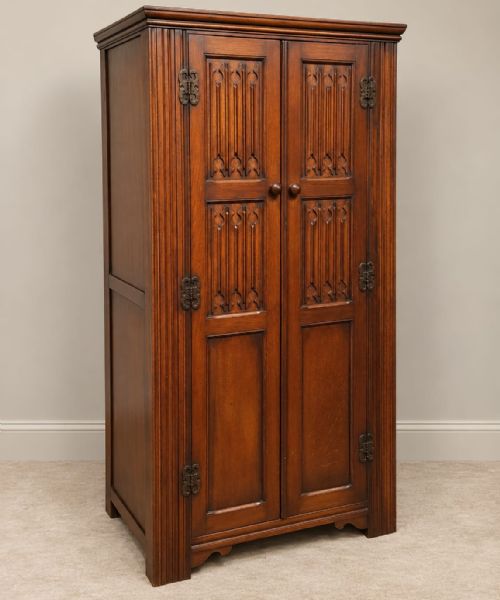
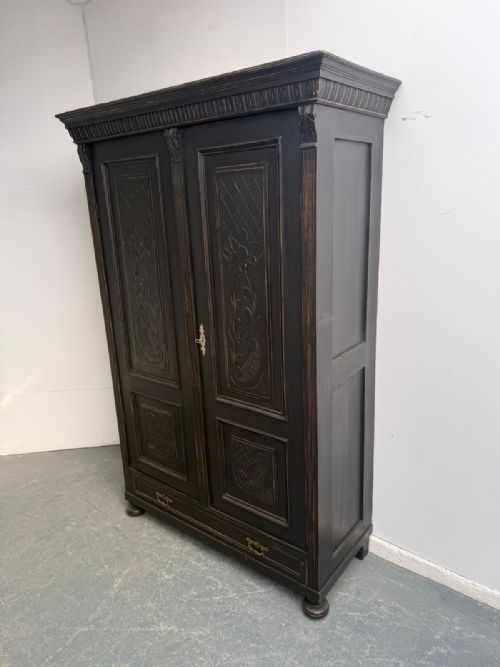
Timber selection dictates the character of these items, with solid oak, pine, and mahogany forming the primary structural materials. Cabinetmakers utilised natural grain patterns, fielded panels, and carved details such as linenfold motifs to add visual depth to functional storage.
Iron and brass hardware provides structural support and operational functionality, appearing as hinges, hanging hooks, and door pulls. Painted finishes, wax coatings, and mirrored glass doors further distinguish individual examples across different regional traditions and workshops.
Listings feature oak, pine, and mahogany pieces spanning the eighteenth, nineteenth, and early twentieth centuries.
Assessing quality in period storage
Construction integrity separates standard utility pieces from finer examples, particularly in the tightness of joinery, the thickness of panel timbers, and the stability of the door hanging. Superior pieces maintain alignment in tall, narrow frames without sagging or warping over decades of use.
The refinement of surface decoration distinguishes workshop output, ranging from plain functional pine finishes to intricately carved oak panels or detailed geometric mouldings. Original hardware, glass integrity, and well-preserved surface treatments elevate the overall standing of a piece.
DENBY & SPINK·Heals
The Hall Robe Cupboard Glossary
- Armoire
- A tall wardrobe or cupboard, typically originating from continental Europe. These pieces often feature substantial double doors and deep internal hanging space.
- Compactum
- A multi-functional storage item combining wardrobe hanging space with drawers and shelving. This form maximises utility in a restricted footprint.
- Linenfold
- A carved wood motif resembling folded linen cloth. This decorative technique appears frequently on Tudor and Jacobean revival oak panels.
- Fielded panel
- A raised central panel set within a rebated wooden frame. This method allows the timber to expand and contract naturally with humidity changes.
- Pitch pine
- A durable, resinous pine variety sourced largely from North America. Furniture makers valued it for its prominent grain and structural strength.
Hall Robe Cupboard: Frequently Asked Questions
What is a hall robe cupboard used for?
These pieces function as dedicated storage units for coats, cloaks, and everyday garments in entrance halls or reception areas. Their shallow depth allows them to fit into narrow corridors where standard bedroom furniture would obstruct movement.
Historically, households relied on them to keep outerwear organised and out of sight near the primary entrance of a home.
How do I tell a Victorian piece apart from an Edwardian one?
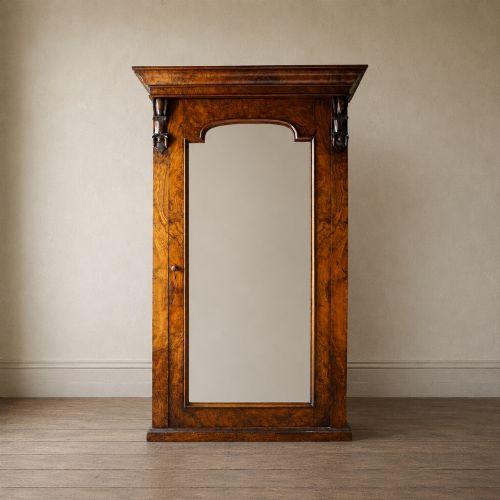
Victorian examples often feature darker, heavier mahogany or walnut timbers, sometimes incorporating elaborate carvings or mirrored doors. They lean toward formal presentation and substantial build weights.
Edwardian pieces tend to show lighter oak construction, simpler lines, and influences from the Arts and Crafts movement, reflecting a shift toward domestic simplicity.
Do these wardrobes dismantle for transport?
Many larger examples, particularly pine and continental pieces, are constructed to dismantle into sections for easier moving. Because historic stairwells and hallways present tight angles, makers often utilised knock-down construction methods.
Checking the specific listing details will confirm whether a particular cabinet separates into modular parts.
Are painted finishes original on these cupboards?
Painted surfaces appear frequently on continental pieces from regions like Hungary and Germany, where pine and oak furniture received decorative colour. While some finishes date to the period of manufacture, others represent later decorative layers applied to plain pine.
Examining the wear patterns and underlying timber helps determine the history of the surface finish.