



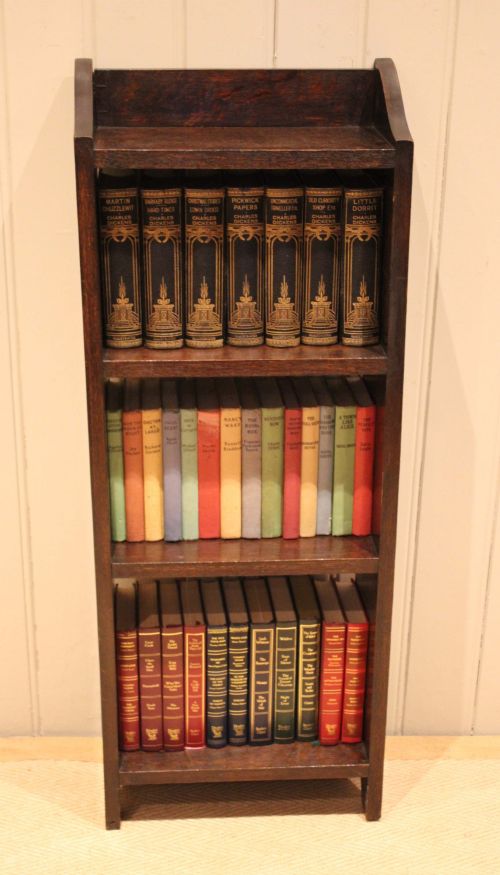
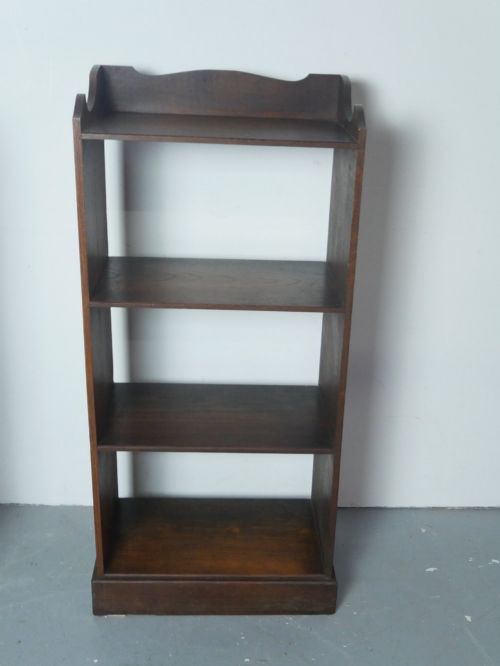
Narrow Oak Book Shelves
Narrow oak book shelves offer compact vertical storage, bringing rich grain and sturdy timber into tight spaces.
Narrow Oak Book Shelves
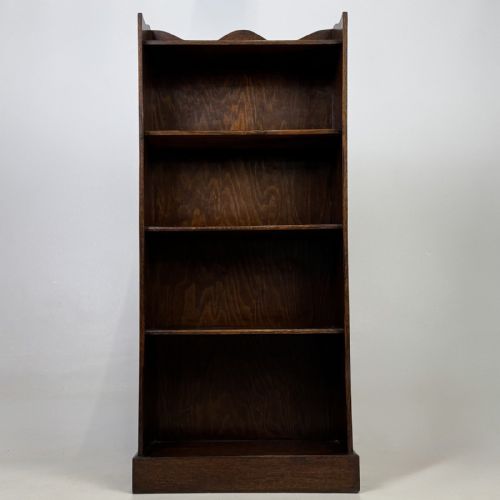
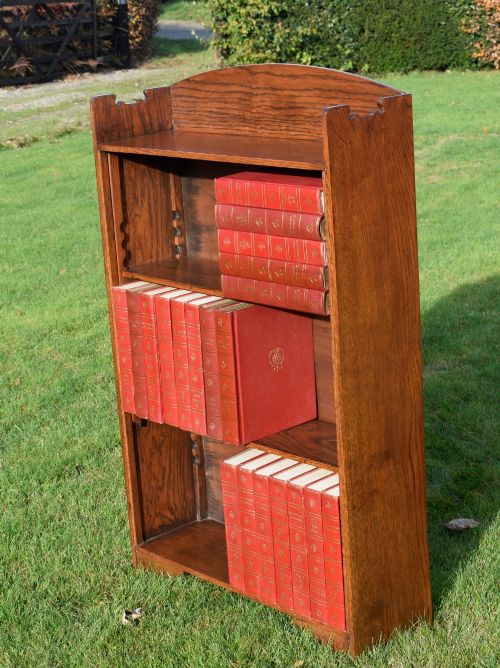
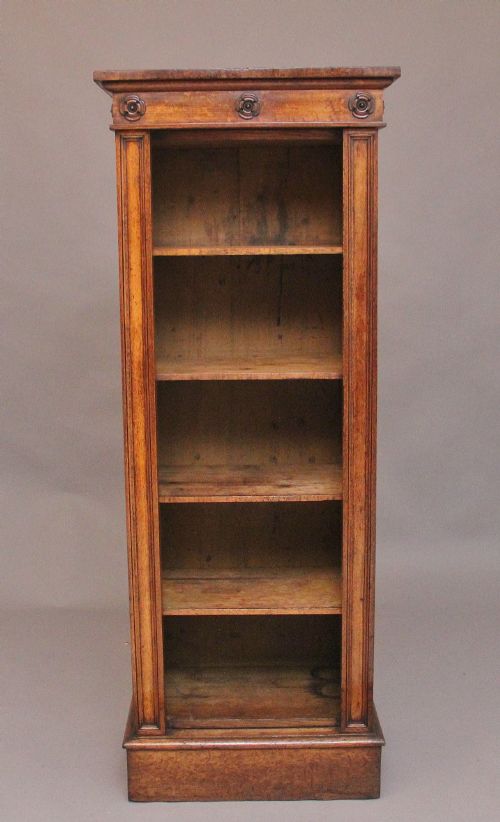
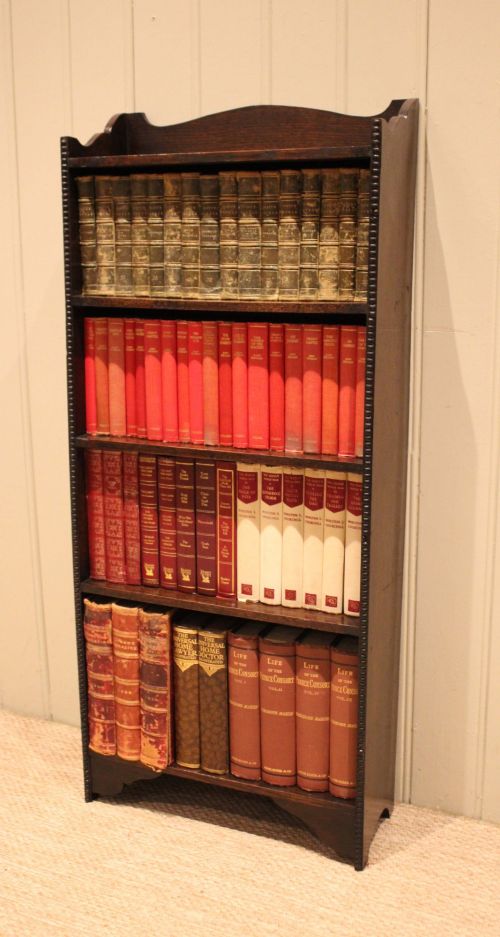
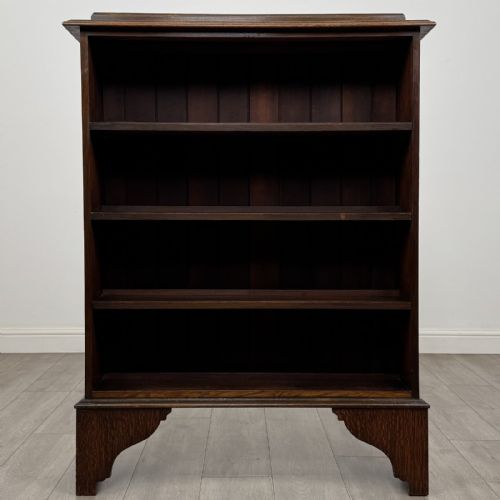
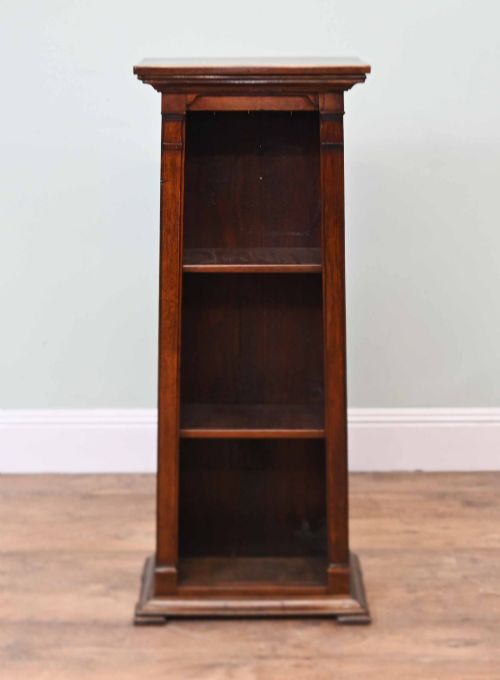
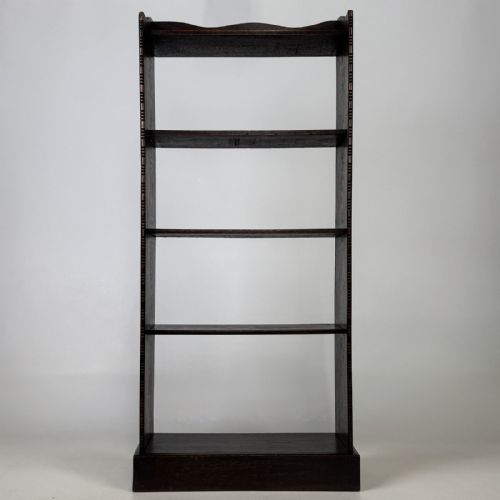
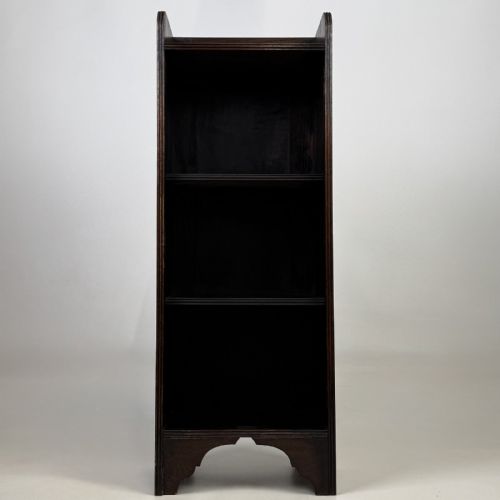
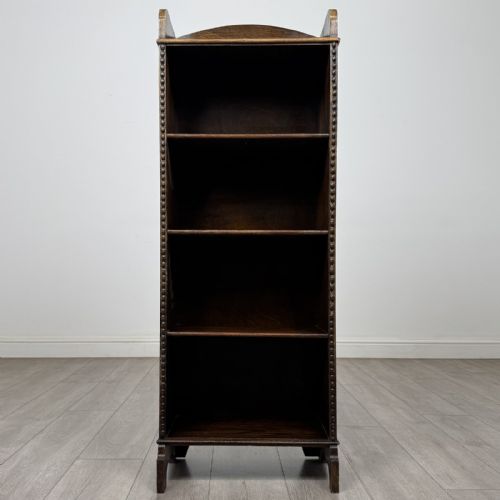
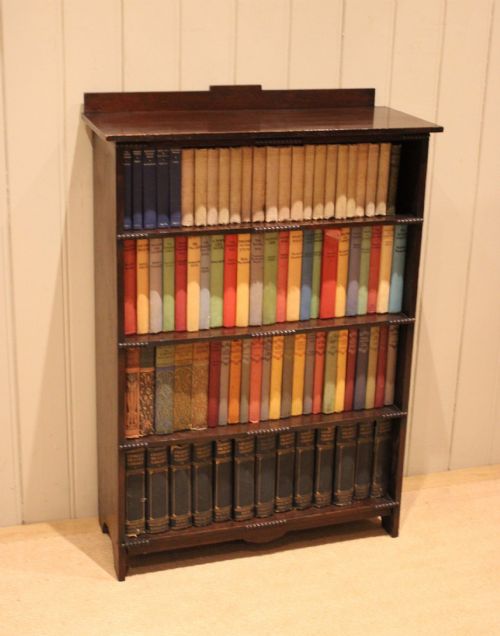
Narrow oak book shelves combine slender proportions with durable timber to fit restricted floor space while holding a substantial library. When you search for narrow oak book shelves, you encounter open bookcases spanning Victorian, Edwardian, and early twentieth-century periods, often featuring decorative galleries or adjustable shelves.
Origins stretch from the nineteenth century through the 1930s, encompassing English workshop pieces and Regency or Jacobean Revival influences. Buyers select these items to house books in alcoves or narrow passages where standard furniture proves too bulky.
What varies in quality
Quality differences stem from the selection of timber and the sophistication of the joinery rather than mere age. Pieces utilising solid oak throughout exhibit greater structural integrity than those employing secondary woods in less visible areas.
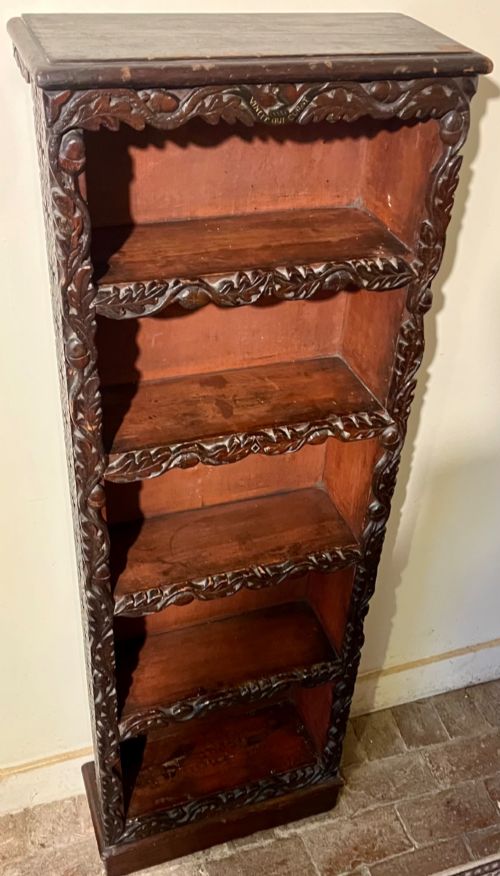
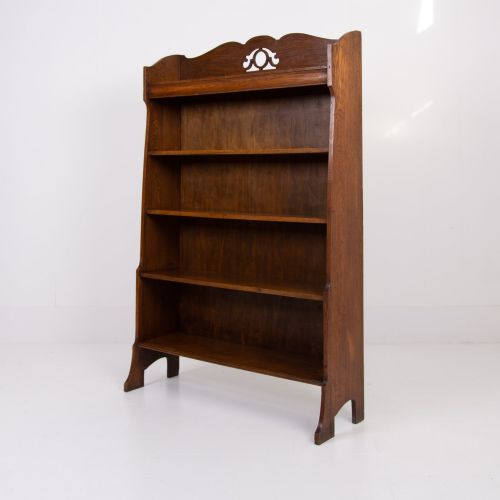
Design execution separates standard utilitarian items from finer decorative examples. Distinctive elements like carved detailing, shaped galleries, and well-executed cut-outs elevate the visual presence of an otherwise simple upright bookcase.
Narrow Oak Book Shelves Retail Price Guide 2026
Typical asking prices for narrow oak book shelves among the pieces listed under this phrase on Sellingantiques today, from the lower quarter to the upper quarter. They describe what is for sale here now, not the wider market.
Listings feature oak, pine, and metal materials across Victorian, Edwardian, and early twentieth-century periods.
Wylie Lochhead of Glasgow·E.A. Taylor
The Narrow Oak Book Shelves Glossary
- Gallery
- A raised ornamental border along the top edge of a bookcase. It prevents items from sliding off the uppermost shelf.
- Arts and Crafts
- A design movement prioritising traditional craftsmanship and simple forms. Pieces from this style often display honest construction and subtle decorative cut-outs.
- Jacobean Revival
- A style reviving seventeenth-century British furniture characteristics. It incorporates dark oak finishes and robust turnings or mouldings.
- Adjustable shelves
- Internal boards resting on movable supports. This feature allows users to alter vertical spacing for different book sizes.
- Open bookcase
- A tall storage unit without doors. It provides immediate visibility and access to the volumes stored within.
Narrow Oak Book Shelves: Frequently Asked Questions
What periods do these bookcases span?
The pieces range from the nineteenth century and Victorian eras through the Edwardian period and into the early twentieth century, including the 1920s and 1930s.
Early examples often reflect Arts and Crafts or Regency influences, while later items embrace simpler twentieth-century English forms.
How are narrow oak book shelves constructed?
Makers utilised solid oak, dark oak, and occasional pine with metal or iron components. Construction focuses on vertical standing frames designed to hold books securely in limited floor spaces.
Surface detailing frequently includes beaded edges, carved ornaments, and decorative galleries at the top.
Where should I place a narrow bookcase?
These slender units suit alcoves, hallways, and compact rooms where standard wide furniture will not fit. Their upright proportions maximise vertical storage capacity without dominating the floor plan.
Open shelves grant quick access to frequently read volumes while displaying book spines effectively.
How do I identify an Arts and Crafts piece?
Arts and Crafts bookcases emphasise visible timber grain, honest construction, and straightforward joinery. They often feature characteristic decorative cut-outs or raised galleries.
Such items typically date from the late nineteenth century to the early decades of the twentieth century.