
Napoleon III Seat
Napoleon iii seat examples bring French nineteenth century salon comfort into modern rooms through deep buttoning, timber frames and velvet upholstery.
Napoleon III Seat
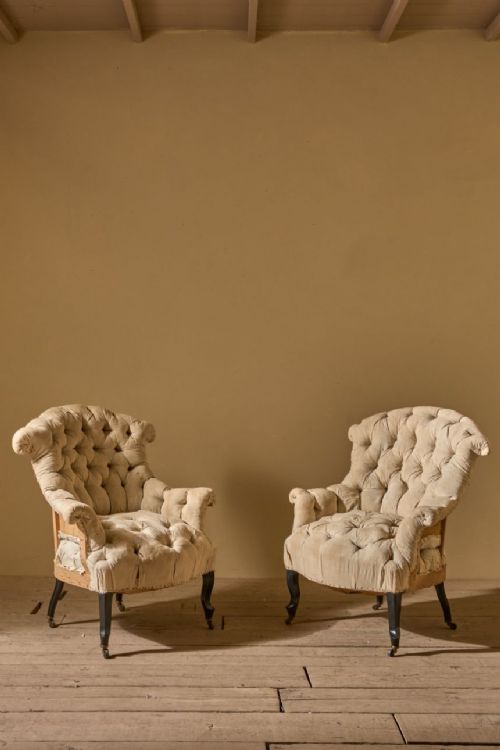
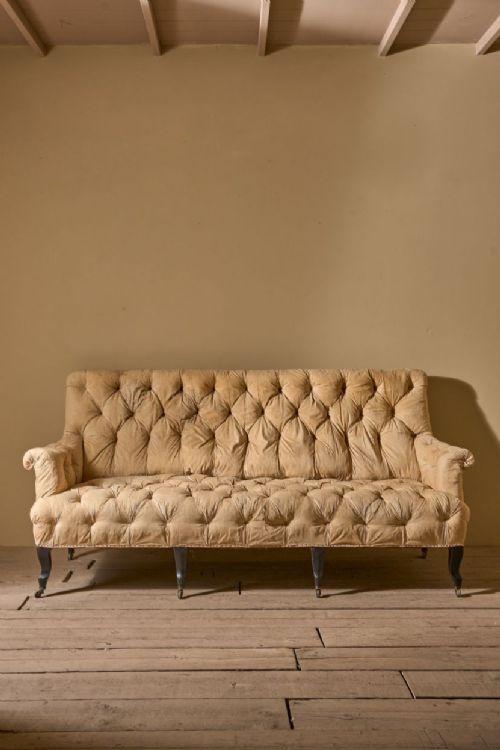
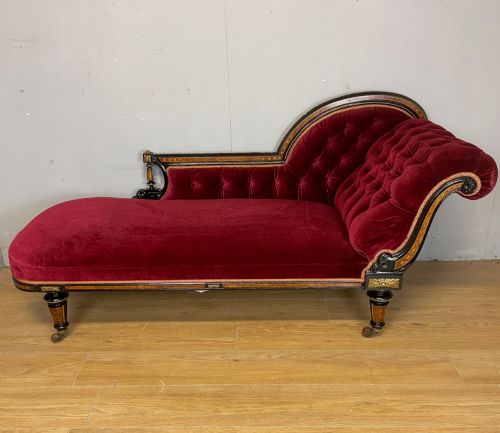
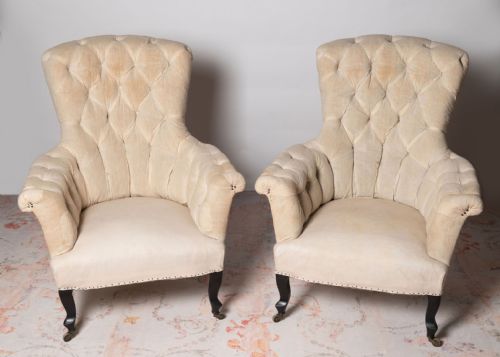
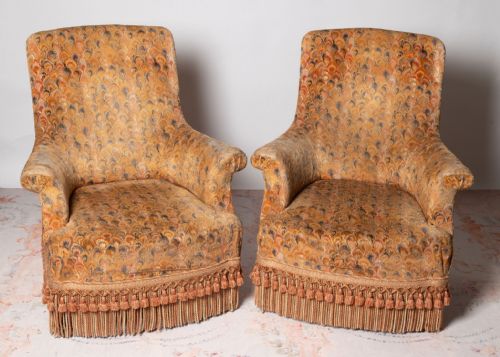
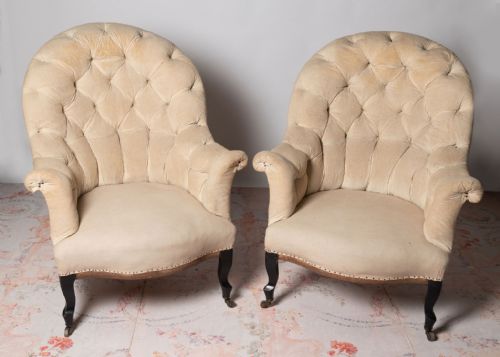
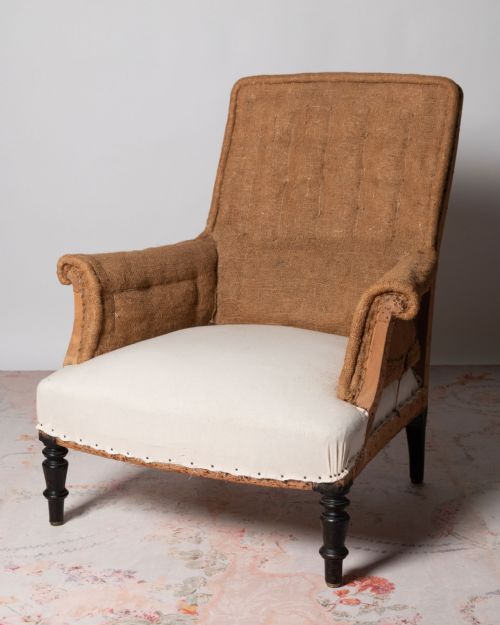
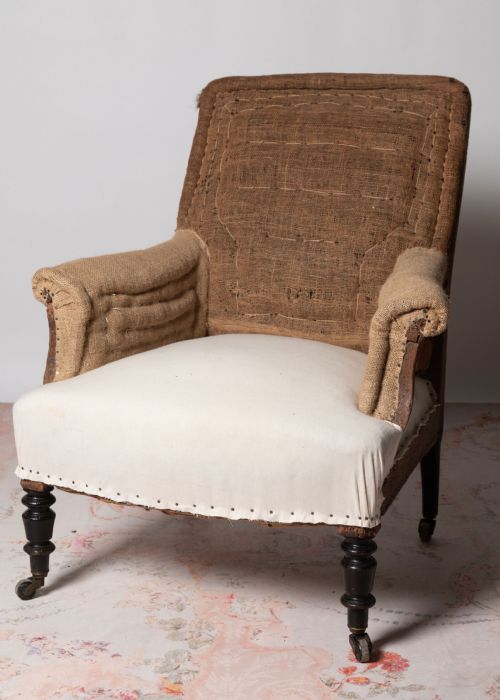
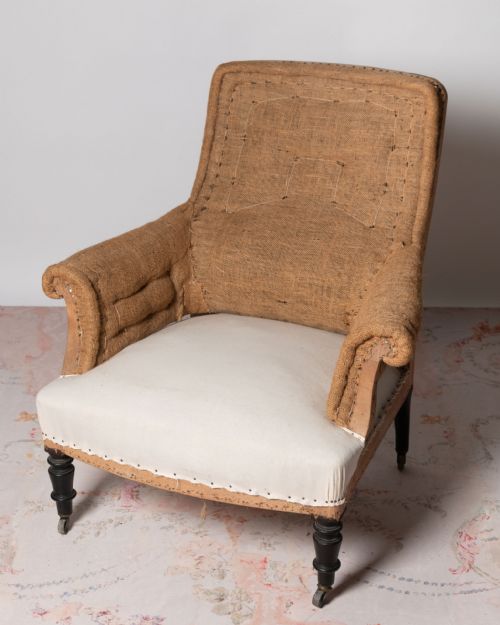
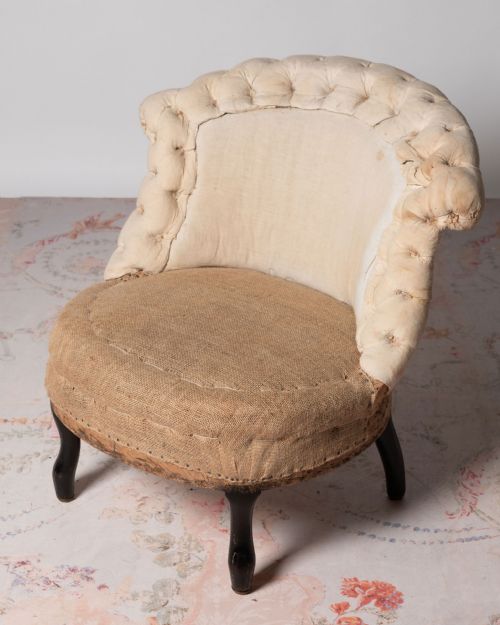
A napoleon iii seat encompasses armchairs, sofas, chaise longues and side chairs originating mainly in nineteenth century France. Buyers encounter buttoned back armchairs, long sofas, slipper chairs and occasional salon seating designed for formal drawing rooms.
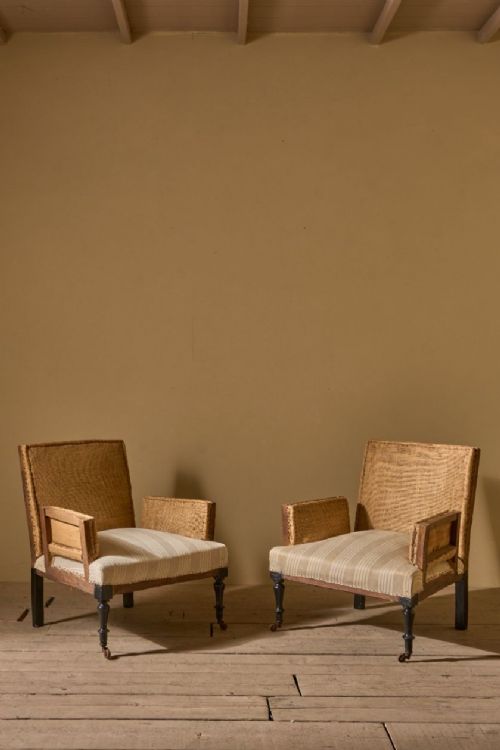
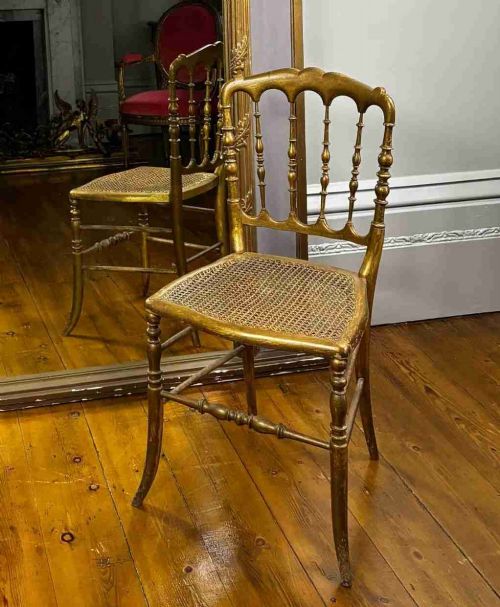
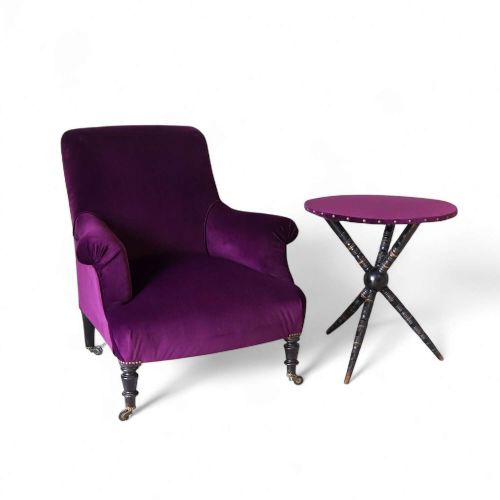
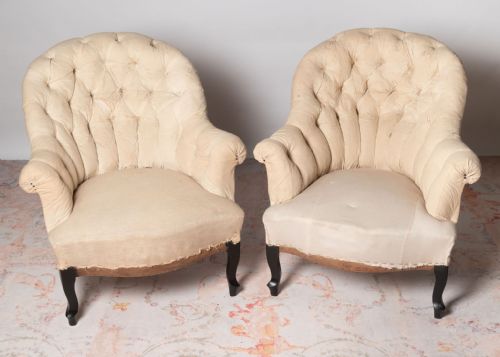
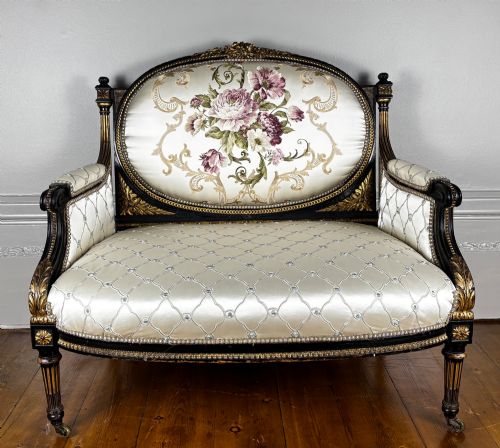
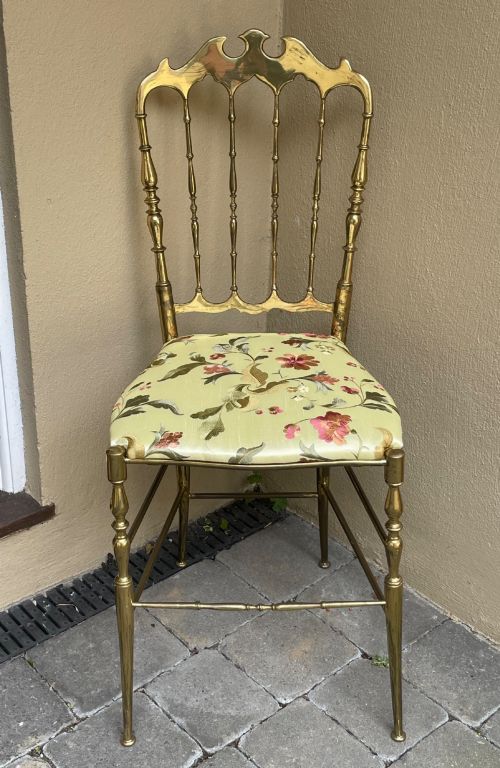
The selection ranges from ebonised frames with inlaid walnut panels to gilded salon chairs and simulated bamboo side chairs. Many pieces arrive ready for fresh upholstery in velvet, calico or hessian, whilst others retain period fabrics.
Makers and designers worked within distinct styles including Louis XVI revival, Aesthetic Movement and French chateau aesthetics. These varied forms provide versatile seating options for contemporary living spaces while maintaining historical character.
Evaluating quality and craftsmanship
Quality rests in the crispness of the timber carving, the retention of original ormolu mounts and the weight of the frame. Superior examples demonstrate refined proportions in cabriole legs and balanced buttoning across the backrest.
The distinction between standard pieces and exceptional ones lies in secondary details such as inlaid walnut panels, intact gilding and sophisticated structural forms like pillow arms or square backs. Preservation of original construction methods elevates a piece above simpler utilitarian versions.
Listings feature items from the nineteenth century alongside pieces dated to eighteen seventy and nineteen twenty, constructed from timber, brass, velvet and giltwood.
A.M.E. Fournier
The Napoleon III Seat Glossary
- Ormolu
- Gilded bronze ornamentation applied to furniture frames. This technique creates metallic highlights against dark timber.
- Ebonised
- Wood treated to resemble ebony through staining or painting. It provides a dark, formal contrast to gilded details.
- Crapaud
- A low, heavily upholstered armchair with fully covered arms and seat. The name translates from French as toad.
- Caning
- Woven rattan material used for chair seats and backs. It offers lightweight flexibility in salon seating.
- Marquetry
- Decorative veneer patterns applied to furniture surfaces using different wood types. It creates pictorial or geometric designs on panels.
Napoleon III Seat: Frequently Asked Questions
What is a napoleon iii seat?
A napoleon iii seat is a nineteenth century French chair, sofa or stool characterised by elaborate upholstery, buttoned backs and decorative woodwork. These pieces reflect the eclectic tastes of the Second Empire period.
They function as both practical seating and decorative focal points in modern interiors, blending historic French design with comfortable padding.
How do I choose upholstery fabric?
Selecting fabric depends on whether the piece retains historic material or requires complete restoration. Velvet, calico and textured textiles suit the traditional character of these frames.
Consider the visual weight of the timber when picking colours. Dark ebonised frames support rich jewel tones, whilst giltwood pairs well with neutral linens.
Are these seats comfortable for daily use?
Most pieces feature deep sprung seats and supportive buttoned backrests designed for extended lounging. Sofas and armchairs offer generous proportions built for relaxation.
Older internal webbing may require renewal by a professional restorer to achieve optimal support for modern sitting habits.
How do I identify a nineteenth century piece?
Examination of the timber frame, hand-cut joinery and traditional upholstery materials reveals the age of the item. Look for signs of wear beneath the fabric and authentic construction techniques.
Styles often incorporate Louis XVI revival motifs, ebonised finishes or ormolu mounts typical of the eighteen seventies.