

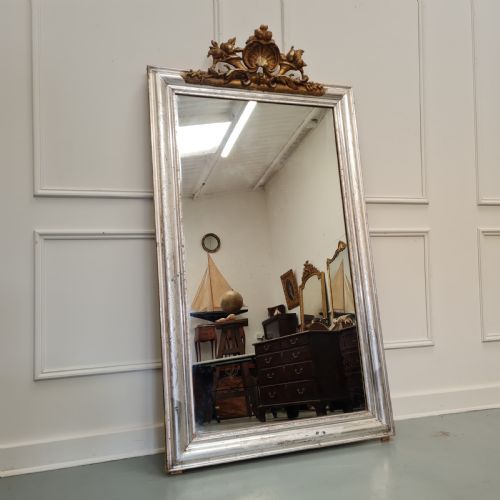


Napoleon III Gilt Mirror
A napoleon iii gilt mirror brings opulent French Second Empire design into a room with rich gilding and confident carved detail.
Napoleon III Gilt Mirror
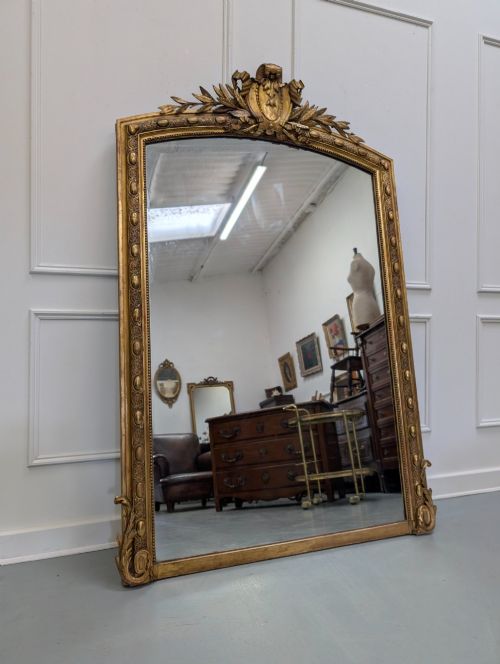
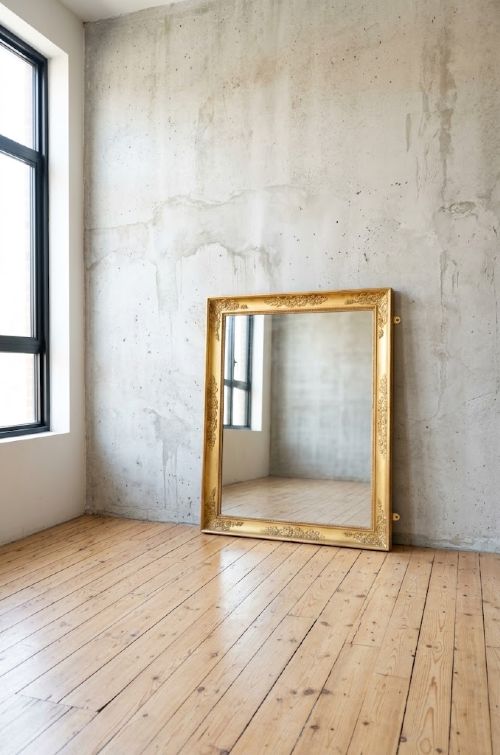
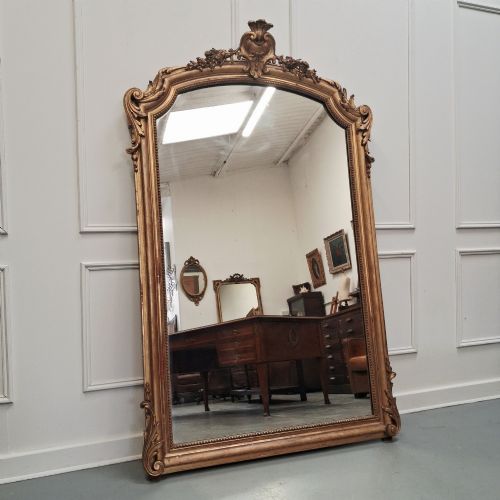
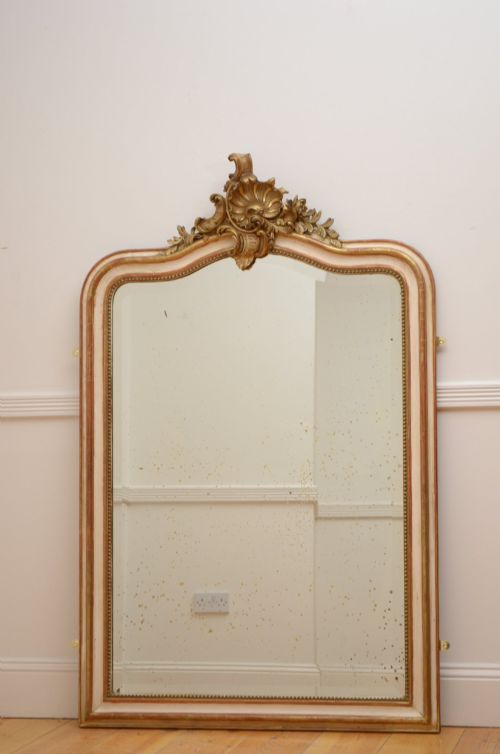
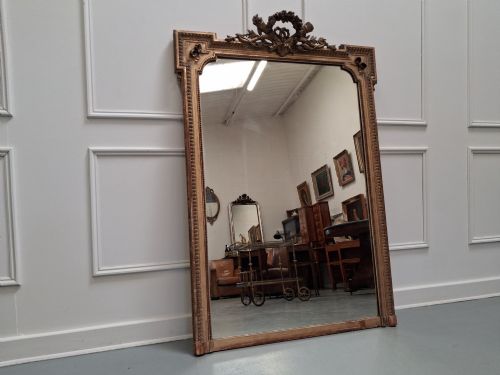
When someone searches for a napoleon iii gilt mirror, they find nineteenth century French wall hanging pieces, overmantels, and tabletop dressings. The most common format met here is the large gilt wood and gesso wall mirror, frequently featuring elaborate crests and cushion frames.
These pieces reflect the decorative tastes of the Second Empire period, drawing on earlier French styles like Rococo and Louis XVI revival. Examples range from tall pier mirrors designed for narrow spaces between windows to broad overmantels intended to sit above a fireplace.
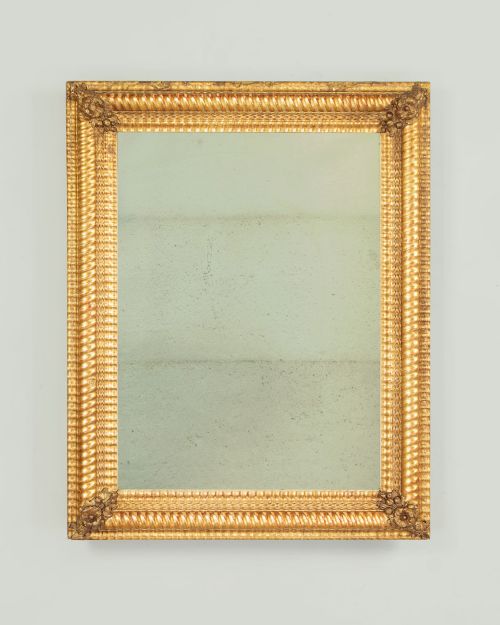
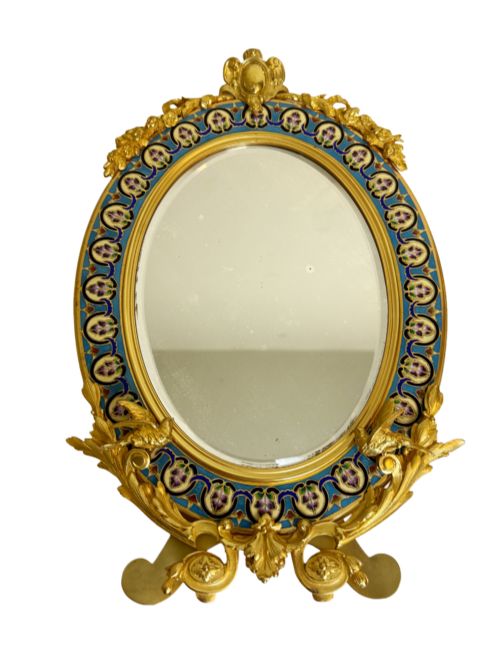
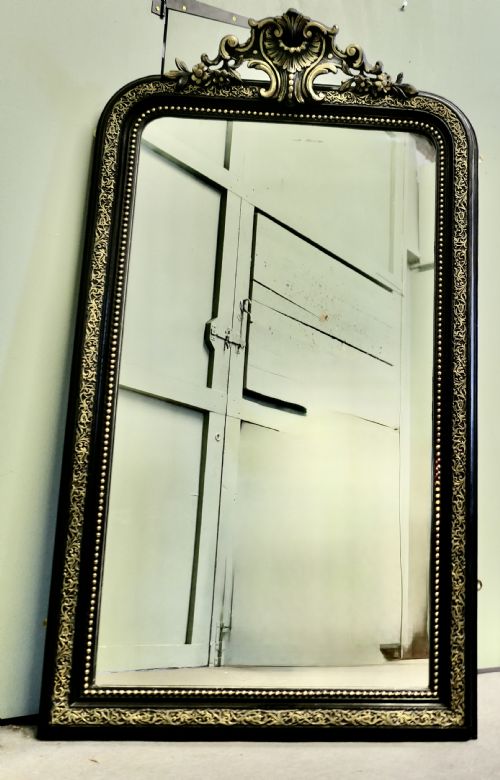
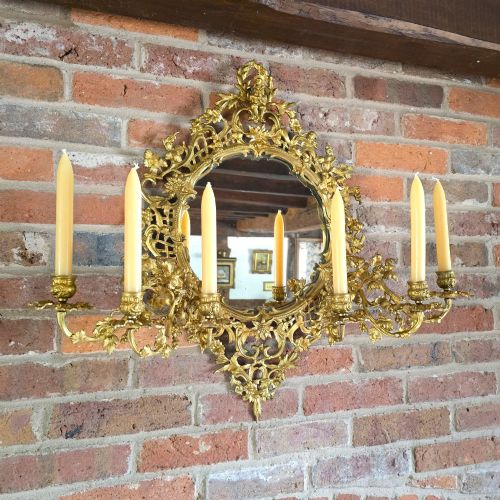
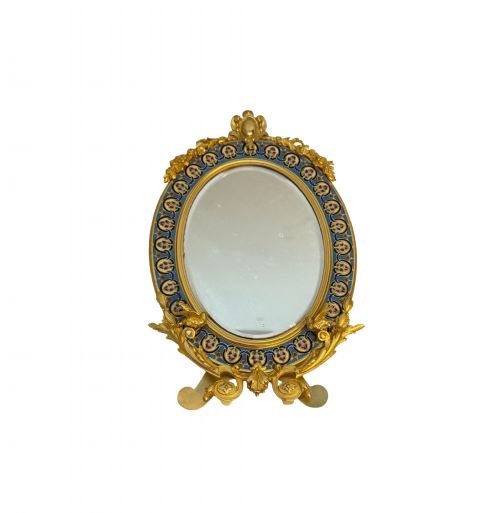
Alongside standard wall mirrors, the selection includes specialised forms such as oval mirror plates, girandoles with candle branches, and ebonised frames contrasted with gold leaf. Each variation displays the distinct nineteenth century preference for ornate interior ornamentation.
Materials and Technique
Makers built the foundational frames of these mirrors using timber such as wood and ebonised wood, upon which they applied layers of gesso. This plaster mixture provided a smooth, responsive surface for intricate hand carving of floral motifs, mythological subjects, and crests.
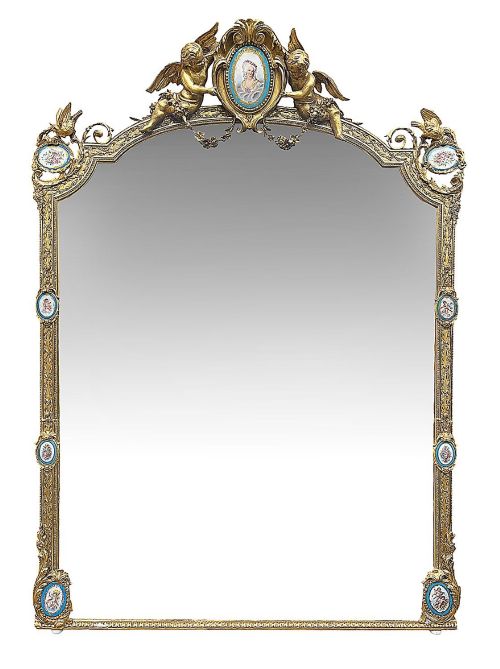
Workers applied gold leaf, silver gilding, or ormolu to the prepared gesso and wood structures, often combining contrasting finishes like black lacquer and bright gold. Metal mounts, champleve enamel, and cast bronze details were integrated into the frames of dressing table and overmantel pieces.
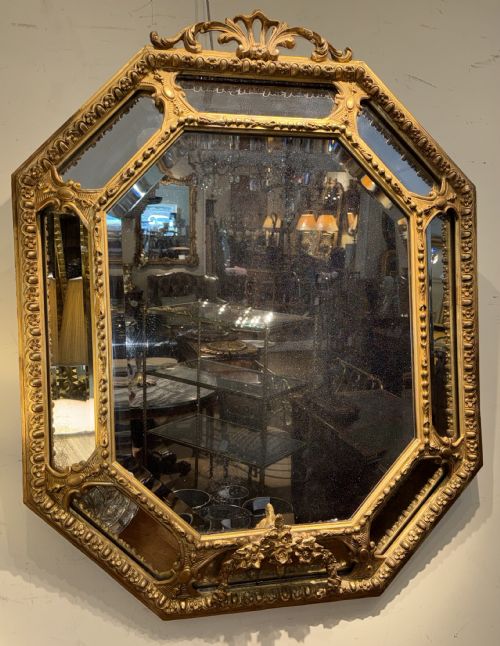
Reflective surfaces utilised silvered glass plates, sometimes executed as split plates or bevelled centre panels. These plates were secured within the heavily ornamented wooden chassis, occasionally accompanied by subsidiary porcelain plaques or brass candelabra arms.
Napoleon III Gilt Mirror Retail Price Guide 2026
Typical asking prices for napoleon iii gilt mirror among the pieces listed under this phrase on Sellingantiques today, from the lower quarter to the upper quarter. They describe what is for sale here now, not the wider market.
Several mirrors include dragon and quiver crests, proving that nineteenth century craftsmen enjoyed hiding mythical beasts behind your daily reflection.
Quality Variations
The degree of hand carving separation distinguishes standard production from superior examples. Finely executed pieces feature deep, crisp relief work in the gesso and wood, whereas simpler items rely on shallow moulding and minimal detailing.
Surface treatment divergence marks another distinction across the range. High quality pieces exhibit multi-layered gold leaf or expert two-colour gilding that ages gracefully, while lesser items employ flat metallic paint or poorly adhered metal leaf.
The integration of secondary materials establishes further differentiation. The presence of cast ormolu mounts, champleve enamel panels, original mercury glass plates, and robust structural joinery separates standard decorative mirrors from exceptional period works.
The Napoleon III Gilt Mirror Glossary
- Gesso
- A plaster mixture applied to wooden frames as a base for gilding and carving. It allows craftsmen to model intricate relief ornamentation before applying gold leaf.
- Giltwood
- Wood that has been coated with gold leaf or thin gold powder. This material forms the primary structure of most nineteenth century decorative wall mirrors.
- Ormolu
- Gilded bronze used for decorative mounts and fixtures on furniture and mirrors. The technique involves applying a mercury and gold amalgam to cast bronze.
- Cushion Mirror
- A mirror frame constructed with a convex profile that slopes outward from the wall towards the glass plate. This form creates a distinctive box-like volume around the reflection.
- Ebonised
- Wood treated to imitate ebony through staining or painting. In nineteenth century design, this dark finish frequently pairs with bright gold leaf for sharp contrast.
- Girandole
- A decorative wall mirror featuring attached candle branches or sconces. The reflective glass amplifies the candlelight within the room.
Napoleon III Gilt Mirror: Frequently Asked Questions
How do I hang a heavy antique wall mirror safely?
Large nineteenth century mirrors carry substantial weight due to their dense wood and gesso construction. Secure the piece directly into wall studs using heavy-duty brackets suited to the load.
Consult a professional installer to assess the wall type and mirror weight before mounting. Ensure the hanging wire or fixings on the frame itself are robust and original or properly reinforced.
Where should I place an overmantel mirror?
Overmantel mirrors traditionally sit directly above a fireplace mantelpiece to reflect light and fill vertical wall space. They also function effectively above sideboards or low console tables in reception rooms.
Keep the piece away from direct, harsh heat sources and prolonged direct sunlight to protect the wooden frame and historic gilding over time.
How do I clean nineteenth century gilt surfaces?
Dust the carved frame gently using a soft, dry artist brush or ostrich feather duster. Avoid applying water, chemical sprays, or abrasive cloths directly onto the gilded gesso.
If the glass requires cleaning, apply a small amount of mild glass cleaner to a cloth rather than the mirror itself, ensuring liquid does not seep behind the frame edge.
What defines the Napoleon III style?
The Napoleon III style spans the French Second Empire period, blending eclectic revivals of past royal aesthetics with heavy ornamentation. It embraces comfort, luxury, and visual richness through abundant gilding and dark woods.
Interiors from this era mixed Rococo curves with classical symmetry, creating decorative objects that prioritised ornate surface detail and dramatic silhouette.