





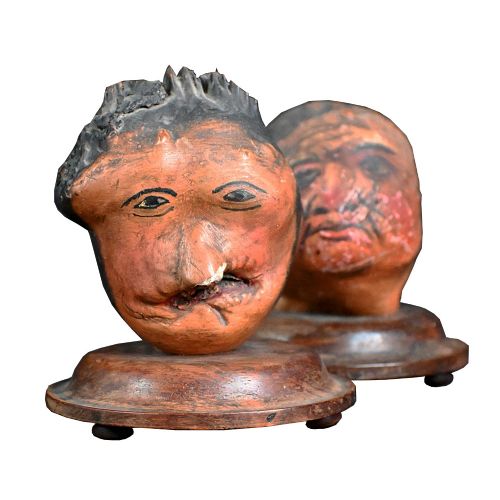

Naive Wood Carving
Naive wood carving pieces are unpretentious sculptural objects carrying immediate hand-carved character that instantly draws the eye.
Naive Wood Carving
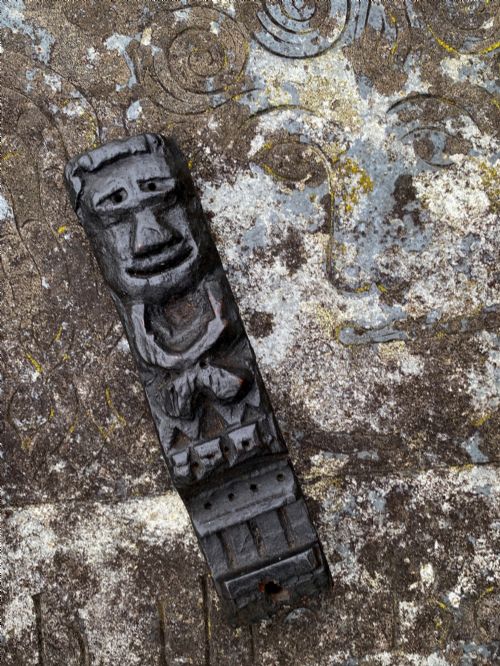
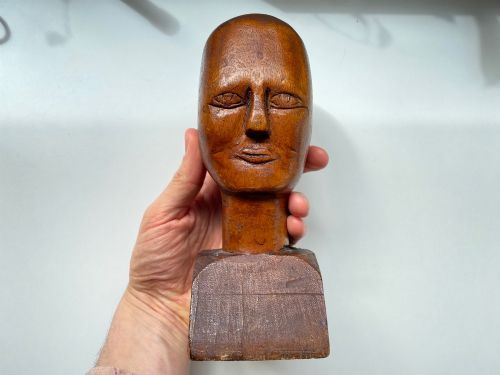
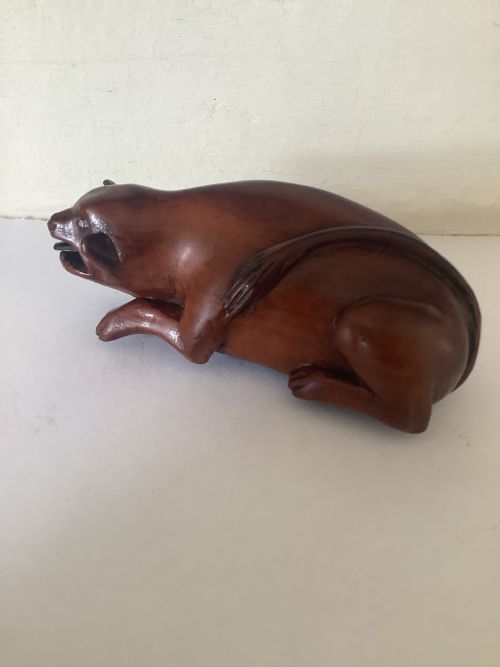
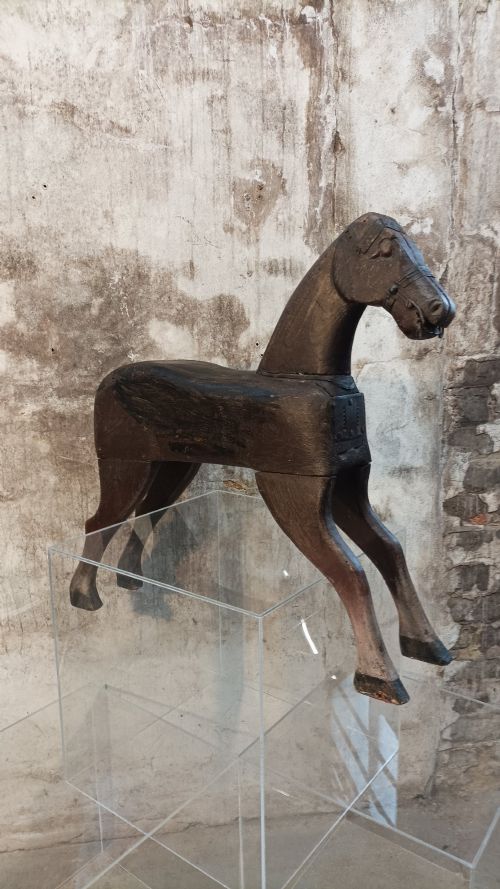
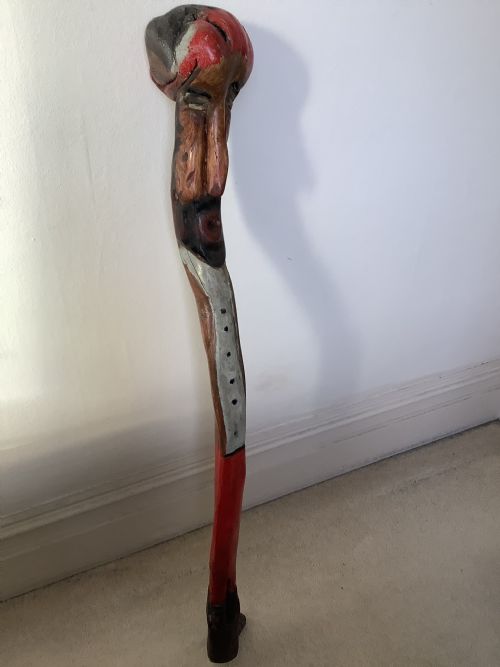
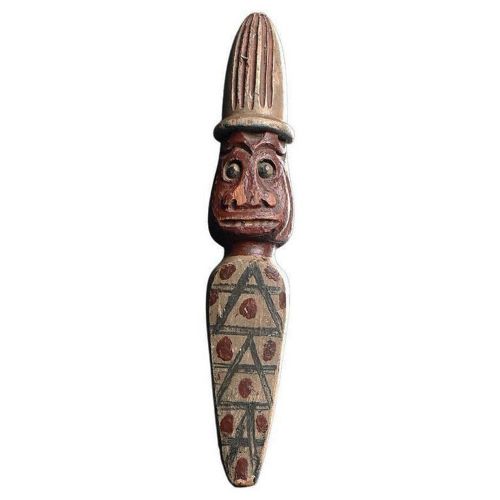
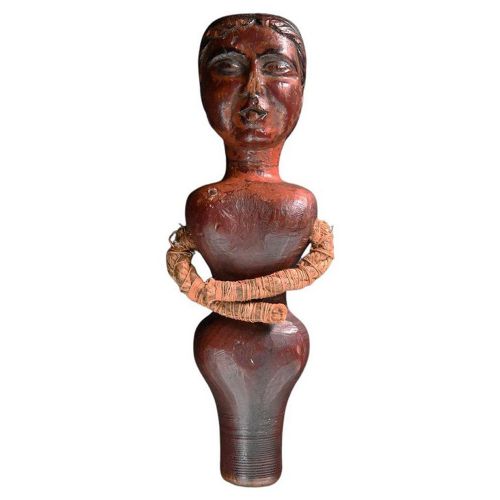
Naive wood carving covers an eclectic mix of domestic utensils, figures, and architectural elements created outside mainstream academic traditions. When exploring naive wood carving, expect to encounter figures, animals, and personal accessories shaped by non-professional hands.
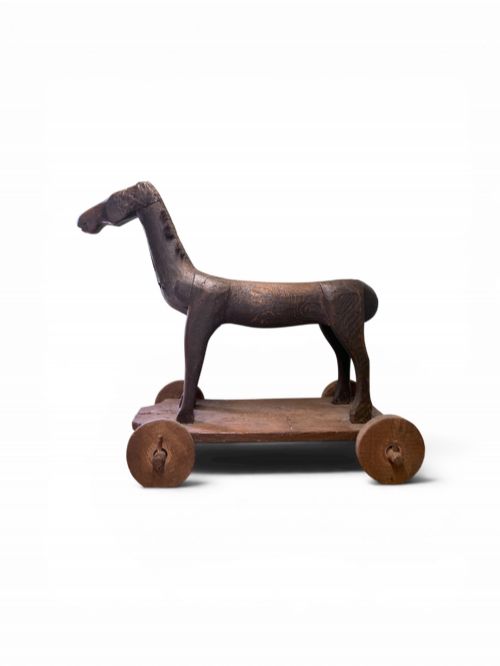
The selections span several centuries, reaching from sixteenth-century oak architectural fragments through nineteenth-century knitting sheaths and painted rocking horses to early twentieth-century folk art figures and whirligigs.
These items originate from various regions including British, Spanish, and American workshops, displaying local vernacular traits rather than formal academic training.
Materials and construction
Makers utilised whatever local timber came to hand, predominantly oak, applewood, fruitwood, thorn wood, and general hardwoods. Wood selection relied on practical availability rather than preciousness.
Carvers employed simple hand tools to shape timber into figures and utensils, frequently leaving visible tool marks across the surface. Many examples retain traces of original paint or polychrome decoration applied directly over the bare wood.
Naive Wood Carving Retail Price Guide 2026
Typical asking prices for naive wood carving among the pieces listed under this phrase on Sellingantiques today, from the lower quarter to the upper quarter. They describe what is for sale here now, not the wider market.
Current listings feature items spanning the sixteenth to the early twentieth century, constructed from oak, applewood, fruitwood, and thorn wood.
Distinguishing quality
Quality rests entirely in the strength of the visual expression and the honesty of the carving. Stronger examples possess a confident, direct execution that brings the subject to life without academic proportions.
Surface preservation dictates much of the appeal, particularly where original paint finishes or rich patination remain undisturbed by later cleaning. Pieces that retain genuine handling wear and untouched surfaces stand above those with compromised finishes.
The Naive Wood Carving Glossary
- Folk art
- Artistic work created within a traditional culture by self-taught makers. It prioritises utilitarian function and vernacular expression over formal academic rules.
- Knitting sheath
- A domestic wooden device tucked into a waistband or belt to hold a knitting needle steady. They were often carved locally by hand and given as tokens.
- Whirligig
- A wind-powered folk art figure with moving parts driven by the breeze. These kinetic sculptures were typically placed in gardens or rooftops.
- Polychromed
- Decorated in several colours of paint. This surface treatment was commonly applied to wood carvings to add realism or decorative appeal.
Naive Wood Carving: Frequently Asked Questions
What is naive wood carving?
Naive wood carving refers to sculptural and functional objects made by self-taught makers using traditional materials like fruitwood, oak, and general hardwoods.
These pieces reflect local vernacular traditions rather than formal academic training, resulting in direct and unpretentious forms.
How were knitting sheaths used?
Knitting sheaths were practical domestic accessories tucked into a belt or waistband by hand-knitters to secure one needle while working.
Carved by hand from timber such as applewood, they often featured engraved names, dates, or naive motifs like shoes.
How do I care for wooden folk art?
Keep wooden carvings away from direct heat sources and strong sunlight to prevent the timber from drying out or splitting.
Avoid using modern polishes on older painted or patinated surfaces, relying instead on a gentle dusting with a dry cloth.
How can I tell the age of a carving?
Dating relies on assessing the tool marks, timber species, style of the carving, and the natural patination built up through handling over centuries.
Comparing construction methods with dated examples helps establish the likely period of origin.