



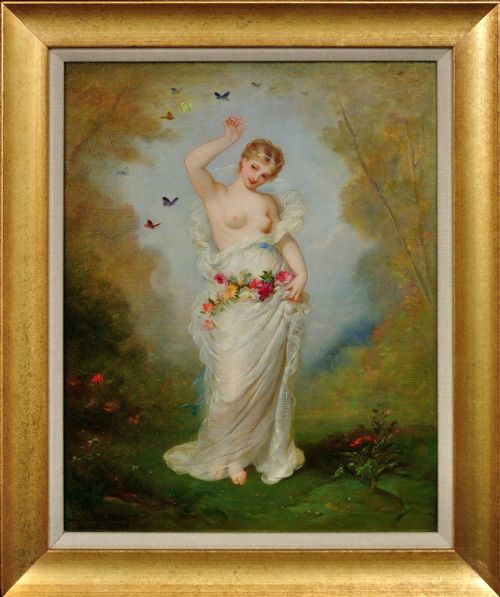


Mythological Classical Artwork
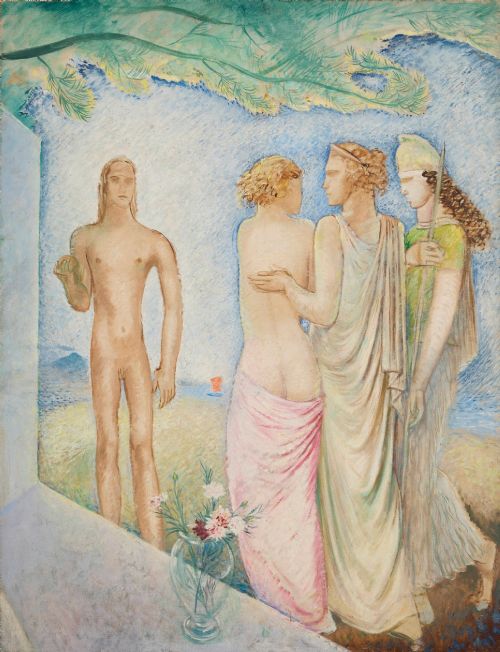
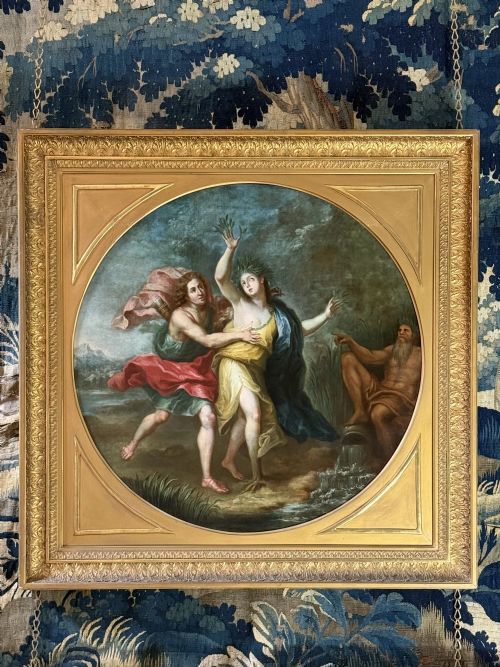
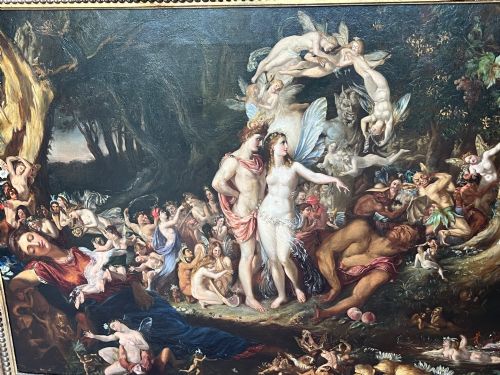
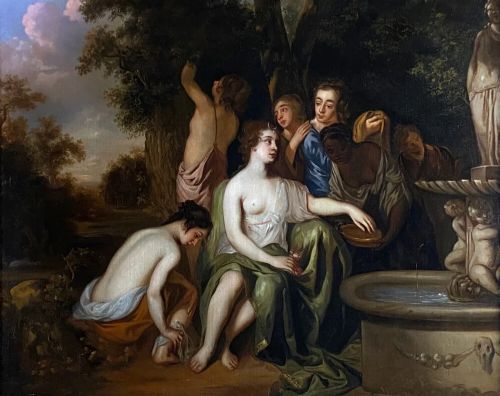
When you collect mythological classical artwork, you bring home centuries of painted gods, nymphs, and ancient legends captured in oil, canvas, and bronze.
Mythological Classical Artwork
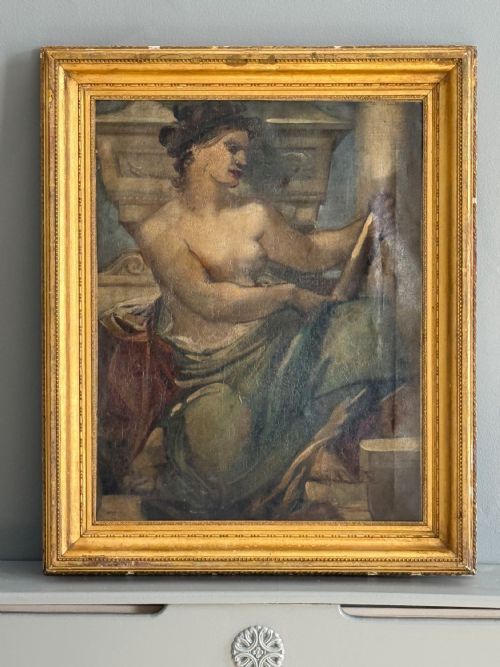
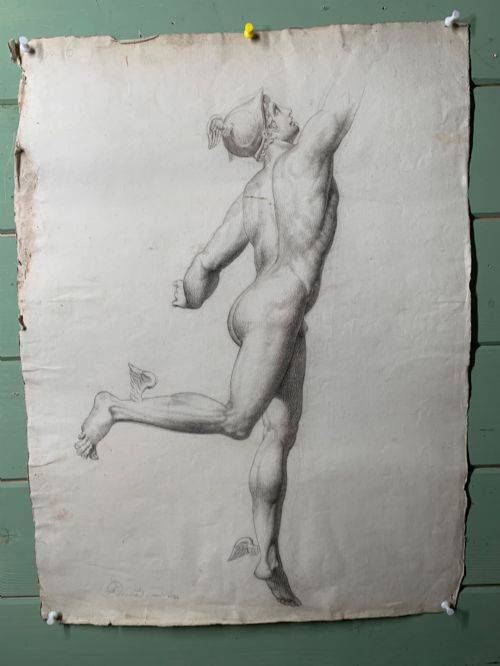
Mythological classical artwork encompasses centuries of paintings, engravings, and bronzes depicting ancient Greek and Roman deities, nymphs, and legendary narratives. These objects range from seventeenth-century Flemish and Dutch canvases to nineteenth-century academic and Renaissance revival compositions.
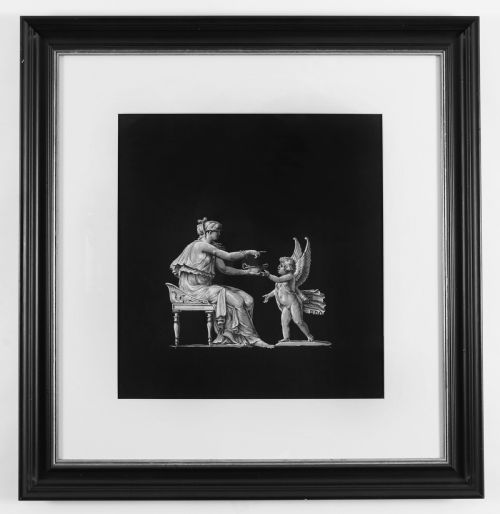
You are most likely to encounter oil paintings and works on paper such as prints and engravings portraying subjects like Venus, Diana, and classical cherubs. These pieces frequently draw upon Baroque, Neoclassical, and French Academic traditions handed down through generations of European workshops.
How they were made
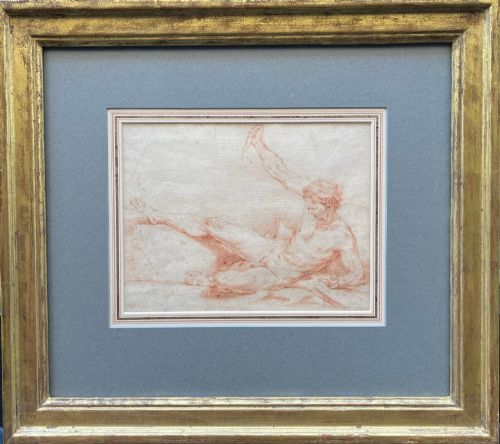
Makers utilised traditional mediums including oil on canvas, gouache, and watercolour, alongside copper relief and bronze casting for sculptural groups. Draughtsmen and printmakers worked with ink, paper, and etching techniques to reproduce classical motifs for collectors.
Frames often complement the works in giltwood, adding structural depth to canvases, drawings, and engravings produced across the seventeenth, eighteenth, and nineteenth centuries.
Mythological Classical Artwork Retail Price Guide 2026
Typical asking prices for mythological classical artwork among the pieces listed under this phrase on Sellingantiques today, from the lower quarter to the upper quarter. They describe what is for sale here now, not the wider market.
Several pieces capture woodland deities playing panpipes and chasing nymphs through eternal thickets.
What varies in quality
The standard of execution in figure drawing and the handling of light separate masterworks from routine studio copies. Handling of anatomy, facial expression, and the integration of figures into landscape backgrounds reveal the true skill of the hand behind the work.
The richness of the chosen medium and the preservation of the surface integrity determine the visual impact of each piece. Finer works display confident brushwork in oils or precise line work in engravings that maintain clarity across the composition.
Charles Antoine Coypel·Sir Peter Lely·Hyacinthe Colin de Vermont·Margaret Maitland Howard·Andre Charles Voillemot·Antoine Calbet·Cornelis Van Poelenburgh·Jean Baptiste Isabey·Arthur Hacker·William Edward Frost·Peter Paul Rubens·Francesco Albani·Polidoro de Caravaggio·Andrea Mantegna·James Basire
The Mythological Classical Artwork Glossary
- Neoclassical
- A style drawing inspiration from the classical art and culture of ancient Greece and Rome. It emphasises austere linear design and heroic mythological subjects.
- Academic
- Art produced under the influence of European academies of art, following strict standards of composition, drawing, and historical subject matter. This approach prioritises polished surface finishes and traditional themes.
- Engraving
- A printmaking technique where an image is incised into a metal plate with a cutting tool called a burin. The inked plate then transfers the design onto paper under pressure.
- Putto
- A representation of a human infant, usually naked and winged, found frequently in classical and renaissance art. These figures often accompany deities such as Venus or Eros.
Mythological Classical Artwork: Frequently Asked Questions
What is classical mythology art?
These works depict narratives, gods, and heroes from ancient Greek and Roman literature. Artists across the seventeenth, eighteenth, and nineteenth centuries reinterpreted these enduring tales.
Subjects range from tragic romances and divine interventions to pastoral scenes featuring nymphs, satyrs, and putti. They reflect changing European attitudes toward antiquity over hundreds of years.
How do I date a painting?
Examining the materials, stretcher frames, and canvas types offers initial clues to the age of an oil painting. Pigment analysis and stylistic comparisons to known academic periods help narrow down the decade.
Signatures, inscriptions, and paper watermarks on prints further assist in placing a piece within centuries like the seventeen-hundreds or eighteen-hundreds.
Where were these pieces made?
Most of these artworks originated in European artistic centres including France, Italy, Britain, and the Low Countries. Continental schools and Grand Tour workshops produced many of the paintings and bronzes seen here.
Artists trained in regional academies often travelled or studied classical antiquities directly, influencing their studio output and choice of mythological themes.
How do I display antique art?
Protecting works on paper and oil paintings from direct sunlight preserves the original pigments and prevents fading. Maintaining stable indoor humidity prevents warping in wooden panels and giltwood frames.
Pairing framed drawings or oils with appropriate period lighting enhances the depth and detail of the classical imagery within a room.