

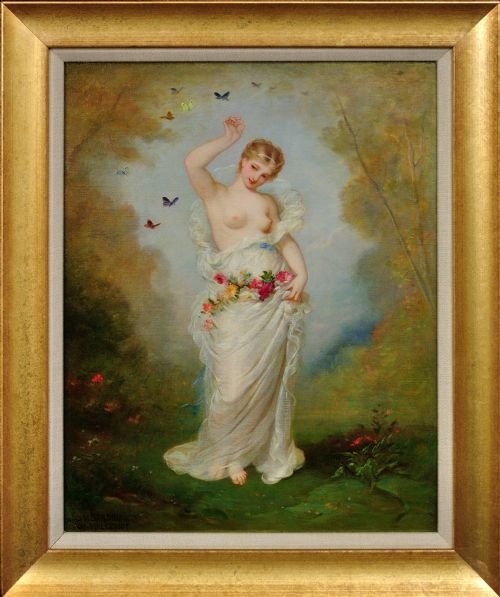


Mythological Canvas Painting
A mythological canvas painting brings classical narratives and divine figures directly into your interior through centuries of European and global painting traditions.
Mythological Canvas Painting
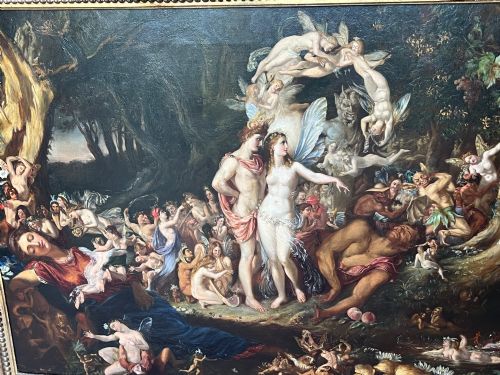
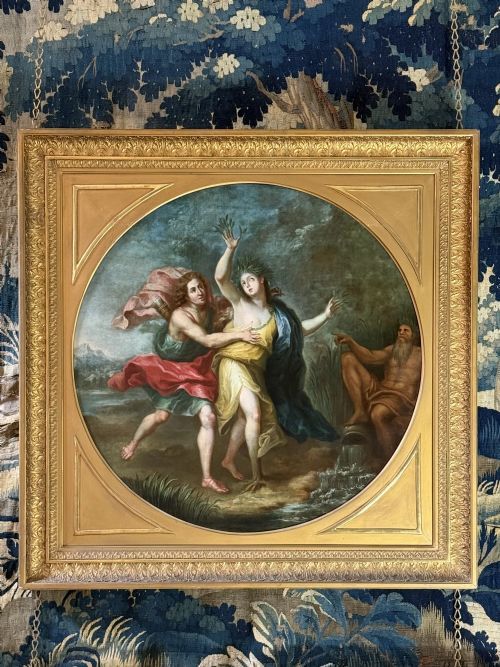
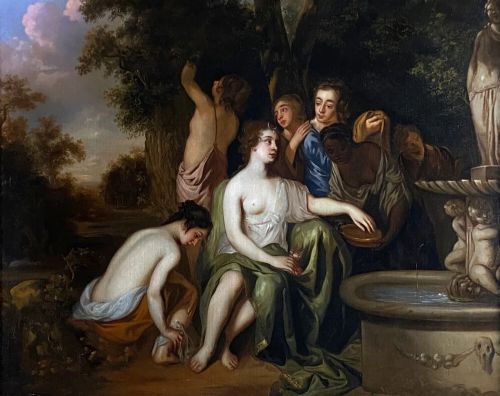
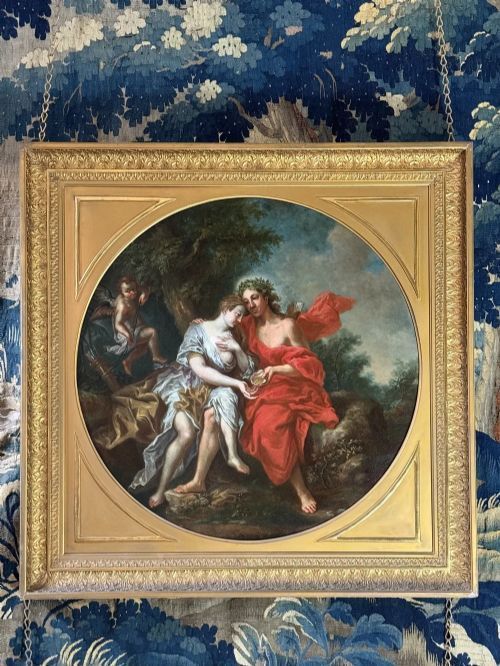
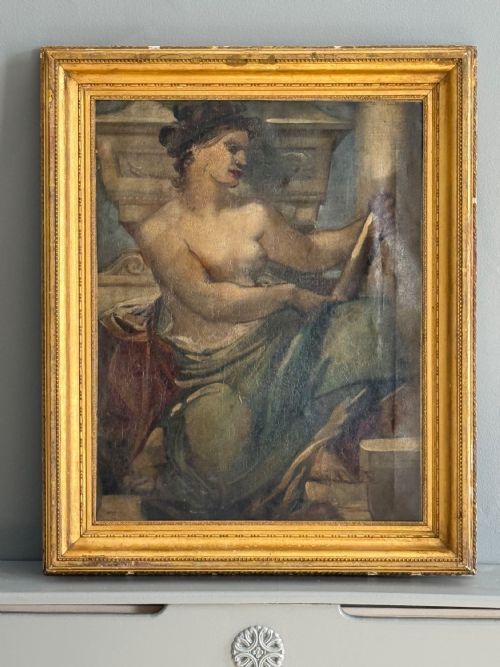
A mythological canvas painting captures legendary narratives, gods, and deities drawn from classical Greek, Roman, and literary sources. When searching for a mythological canvas painting, buyers encounter works executed in oil on canvas, textile supports, and framed within period surrounds such as giltwood.
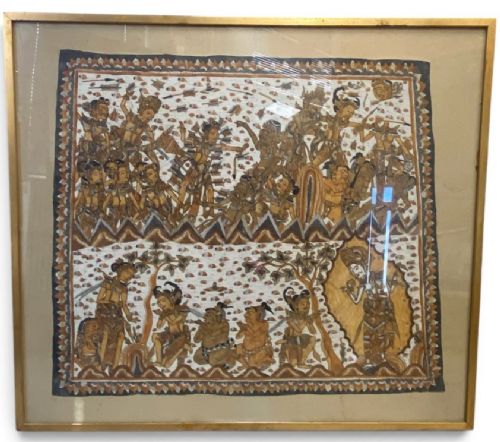
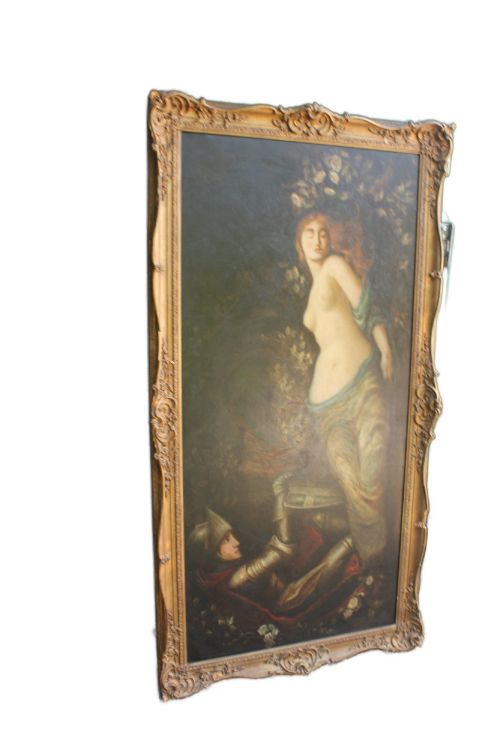
The selections span multiple centuries, ranging from seventeenth-century Baroque and eighteenth-century French Rococo works to nineteenth-century Pre-Raphaelite, Victorian, and Renaissance Revival pieces. Alongside European traditions, global works such as Balinese Kamasan textile paintings depicting warriors and deities also appear.
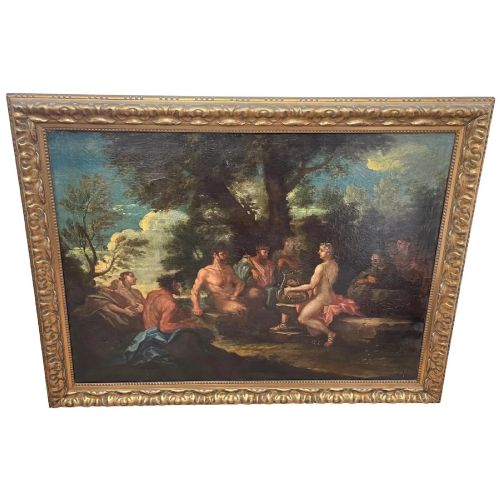
Subjects frequently centre on figures like Apollo, Venus, Diana, Pan, and cherubs, rendered either as original works by listed artists, school pieces, or later interpretations after masters such as Peter Paul Rubens.
Materials and Construction
These works rely primarily on oil pigments applied to woven canvas supports, though variations include textile grounds and underlying wooden structures. Pigments are handled with varying brushwork to build up figures of deities, landscapes, and narrative scenes.
Frames play an integral structural and aesthetic role, frequently constructed from wood, gilded wood, or giltwood to house and protect the painted canvas. These surrounds reflect the prevailing decorative styles of their respective periods, from ornate Baroque mouldings to later nineteenth-century interpretations.
Pan occasionally interrupts divine serenity by abandoning his godly duties entirely to practice cheerful tunes on his rustic panpipes.
Assessing Quality and Execution
Quality in these works rests upon the surety of the draughtsmanship, the anatomical rendering of divine and human figures, and the expressive handling of the oil medium. Superior paintings demonstrate a sophisticated command of light, shadow, and narrative composition that brings classical or legendary subjects to life.
The sophistication of the supporting frame also influences the overall integrity of the piece, with period gilt wood frames providing a harmonious context for the canvas. The distinction between works by named artists or close followers and general school pieces lies in the depth of execution and psychological engagement of the figures.
Sir Joseph Noel Paton·Charles Antoine Coypel·Sir Peter Lely·Margaret Maitland Howard·André Charles Voillemot·Antoine Calbet·Jean Baptiste Isabey·William Edward Frost·Peter Paul Rubens·Francesco Albani
The Mythological Canvas Painting Glossary
- Baroque
- A European style of art spanning the seventeenth and eighteenth centuries characterised by dramatic movement, deep colour, and grand scale. It frequently emphasises intense emotional states in mythological narratives.
- Pre-Raphaelite
- A nineteenth-century movement of English painters rejecting mainstream academic art in favour of detailed execution, intense colours, and complex literary or mythological subjects.
- Giltwood
- Wood that has been treated with a thin layer of gold leaf or gilt powder for decorative effect. It forms the primary material for many period picture frames.
- Nereid
- A sea nymph of Greek mythology, daughter of the Old Man of the Sea Nereus. These figures frequently populate classical coastal scenes in fine art.
- Kamasan
- A traditional style of classical painting originating from Bali, typically executed on textile supports. It depicts traditional narratives, deities, and epic tales in distinct multi-register compositions.
Mythological Canvas Painting: Frequently Asked Questions
What subjects appear in mythological canvas painting?
These works depict narratives and characters from classical literature, folklore, and religion, including Greek and Roman deities, nymphs, satyrs, and allegorical scenes. Common subjects feature figures such as Venus, Apollo, Diana, and Pan.
Artists drew inspiration from classical texts, Shakespearean fairy tales, and romantic legends, translating complex stories into vivid visual compositions designed to engage the viewer's imagination.
How do I date a mythological painting?
Dating relies on stylistic clues, framing techniques, and the handling of the oil medium, alongside any documented attribution to specific periods such as the seventeenth, eighteenth, or nineteenth centuries. Academic, Rococo, and Pre-Raphaelite styles carry distinct visual markers.
Examining the canvas preparation, stretcher bars, and the construction of the accompanying wood or giltwood frame provides further physical evidence of the era in which the work was created.
Where were these paintings displayed?
Historically, large mythological works served as focal points in grand drawing rooms, galleries, and private residences across Europe. Smaller cabinet paintings were intended for intimate study and personal contemplation.
Today, they function as striking wall art in contemporary or traditional interiors, bringing historical narrative depth and classical elegance to domestic spaces.
Are all these paintings by original masters?
The selection includes original works by named historical artists alongside pieces created by followers, circles of established masters, and later school interpretations. Each category reflects a different tier of academic production.
Works attributed to the circle or followers of major figures demonstrate the enduring influence of master painters, while pieces by identified artists carry specific biographical documentation.