





Mythological Canvas Art
Mythological canvas art brings classical deities, cherubs and heroic legends into domestic interiors through centuries of oil paintings.
Mythological Canvas Art
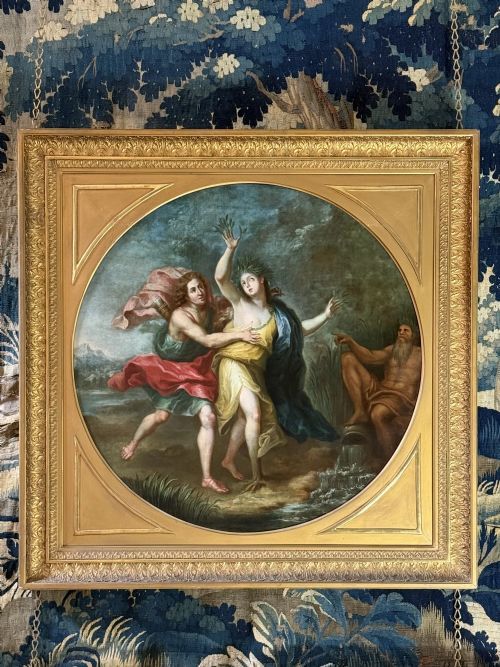
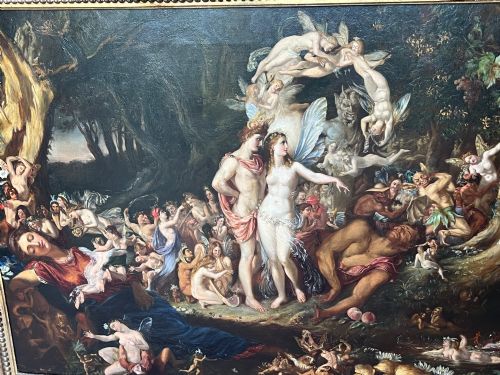
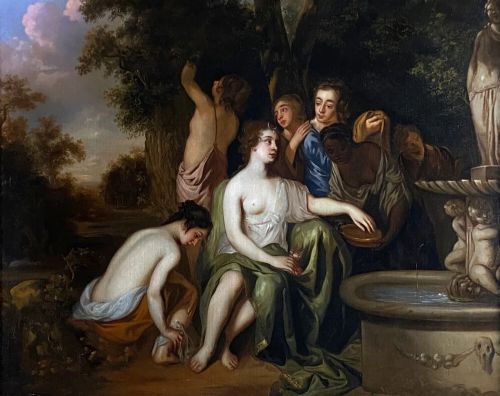
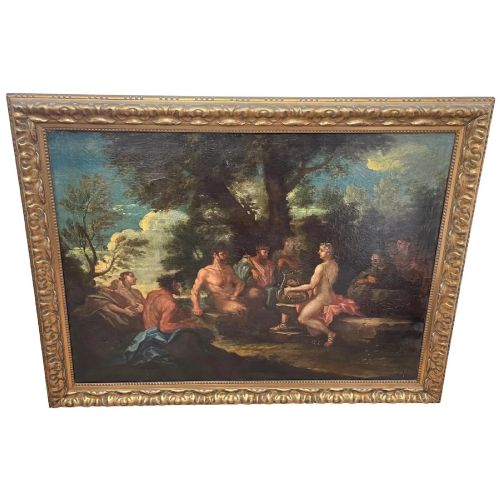
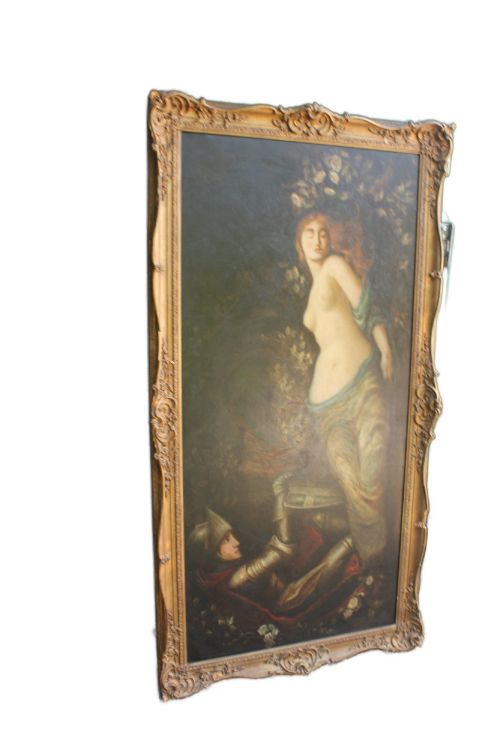
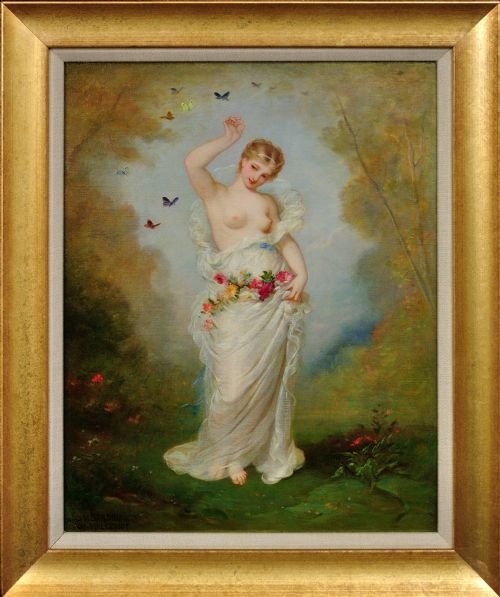
When you search for mythological canvas art, you encounter oil paintings spanning the seventeenth century through to the 1930s. These works depict scenes from classical antiquity, folklore and fairy tales, including figures such as Apollo, Venus, Diana and Pan.
Framing plays a significant role in presentation across these centuries. Many pieces retain period surrounds made from wood, gilded wood, or giltwood, framing narratives of gods, nymphs and mythological beasts.
Materials and construction methods
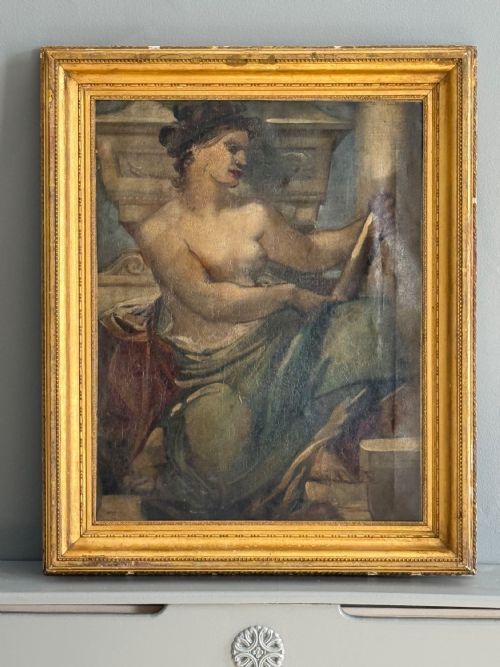
These works rely primarily on oil paints applied to woven textile supports, specifically canvas or textile grounds. Artists built up depth through layered oil pigments, achieving luminosity in flesh tones and drapery.
Surrounds utilise timber frames finished with gold leaf or gilt. Gilded wood and giltwood mouldings provide structural support while enhancing the theatrical quality of these classical and mythological subjects.
Panpipes sound through the decades as god and mortal alike share wall space with mischievous cherubs and tragic deities.
Distinctions in execution and provenance
Quality separates studio pieces produced by recognised masters or their immediate circles from broader school works and later copies. Hand-painted precision in anatomical rendering, narrative expression, and pigment preservation dictates the standing of each canvas.
The integrity of the original support and frame also influences worth. Canvases retaining their period wood or giltwood frames demonstrate higher degrees of historical preservation compared to those altered or re-framed later.
Sir Joseph Noel Paton·Charles Antoine Coypel·Sir Peter Lely·Margaret Maitland Howard·André Charles Voillemot·Jean Baptiste Isabey·William Edward Frost·Peter Paul Rubens·Francesco Albani
The Mythological Canvas Art Glossary
- Oil on canvas
- A traditional painting medium where pigments bound in drying oil are applied to a woven fabric support. This combination allows for rich blending and enduring colour depth.
- Giltwood
- Timber, typically carved wood, coated with gold leaf or gold paint. It provides a reflective, ornate border common on European frames from the Baroque period onwards.
- Baroque
- A European artistic style spanning the seventeenth and eighteenth centuries characterised by drama, deep shadow, and dynamic movement. Mythological scenes in this style emphasise intense emotional narratives.
- Pre-Raphaelite
- A nineteenth-century movement of English painters who rejected academic rules in favour of detailed observation and vivid colour. Their mythological subjects often feature intense literary symbolism.
- Balinese Kamasan
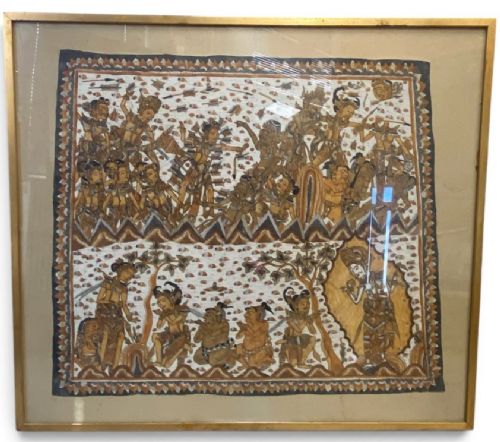
- A traditional style of painting originating from the village of Kamasan in Bali, typically executed on textile. These works depict Hindu epics and deities in distinct narrative registers.
Mythological Canvas Art: Frequently Asked Questions
What subjects appear in mythological canvas art?
These artworks depict gods, goddesses, and heroes from classical mythology and European folklore. Common figures include Venus, Apollo, Diana, Pan, and various cherubs.
Scenes range from romantic encounters and dramatic rescues to pastoral landscapes populated by mythological beasts and deities.
How do I date a mythological oil painting?
Dating relies on stylistic clues, framing materials, and the canvas preparation used by different artistic schools. Seventeenth-century works often show Baroque theatricality, while nineteenth-century pieces may reflect Pre-Raphaelite or academic revival influences.
Artists' signatures, inscriptions on the stretcher bars, and the construction techniques of the wood frame provide further chronological markers.
Where were these paintings displayed historically?
Such works originally hung in grand European drawing rooms, institutional galleries, and private salons as expressions of classical learning and refined taste. Large formats were designed to dominate formal wall spaces.
Smaller cabinet paintings and framed panels were intended for intimate studies, boudoirs, and personal contemplation.
How should I care for antique oil paintings?
Protect canvas artworks from direct sunlight and stable environmental humidity to prevent paint cracking and warping of the wooden stretcher. Dust frames and canvas surfaces gently with a soft, dry brush.
Avoid using liquid cleaners or attempting amateur restoration on aged oil pigments or gilded wood frames.