

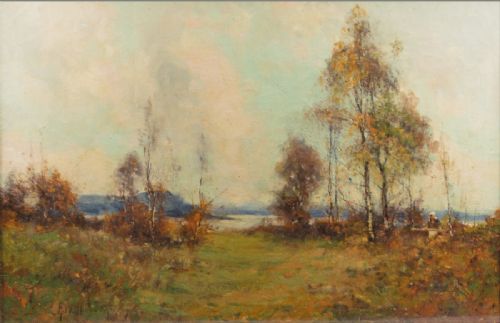


Muted Green Painting
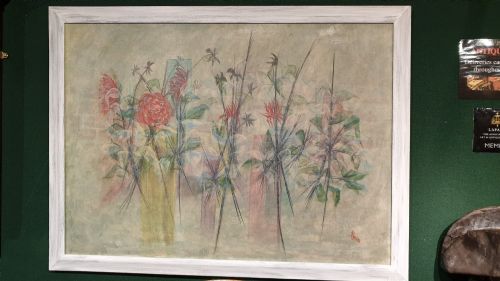
These muted green painting works capture understated landscapes and rural scenes through delicate pigments applied over the past two centuries.
Muted Green Painting
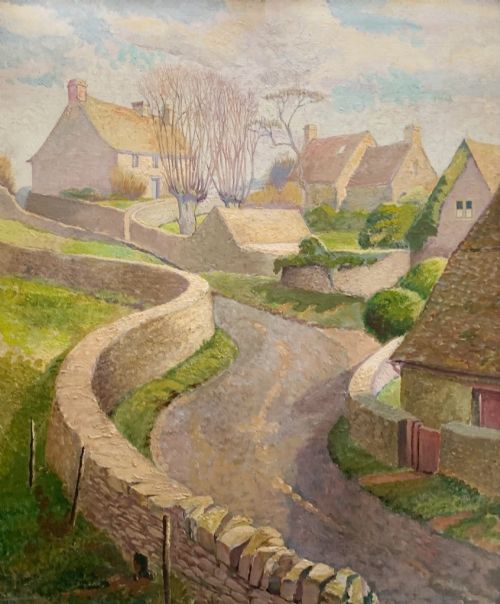
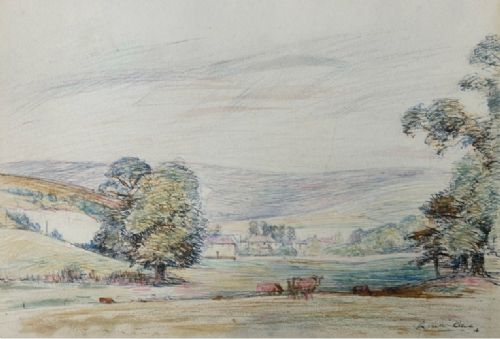
A muted green painting brings together pastoral landscapes, rural villages, and tranquil waterways executed in subdued tones. When you search for this phrase, you encounter works spanning from the Victorian era through the mid-twentieth century.
The selections available here lean heavily toward traditional British and Scottish Impressionism, alongside Barbizon School influences. Watercolours and oil paintings on canvas or paper form the primary visual vocabulary of these subdued palettes.
Rural settings, farmyards, and coastal vistas dominate the subject matter, often rendered with soft brushwork that emphasises atmosphere over sharp detail. These historical artworks offer a quiet window into past rural life.
Materials and Technique
Makers utilised oil paint and watercolour applied to paper, wood panels, or stretched canvas to achieve these restrained hues. Natural earth pigments provided the foundational greens, ochres, and browns that define the period's palette.
Artists worked en plein air or within studios, employing fluid washes for watercolours or heavier impasto layers for oils. Canvas supports were often primed traditionally, allowing oil layers to age with subtle crackle and depth.
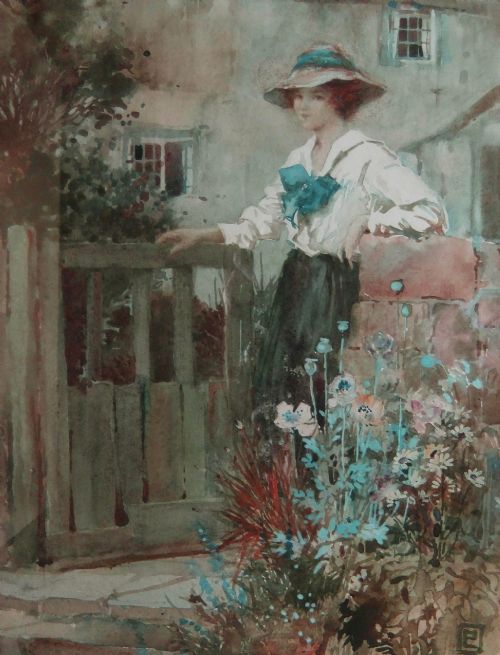
Brushwork ranges from the detailed precision of Edwardian illustrators to the looser, atmospheric strokes characteristic of British Impressionism. Each technique serves to capture natural light filtering through trees, rivers, and overcast skies.
The inventory spans the Victorian era through the 1960s, featuring paper, canvas, and wood panel supports.
Assessing Quality
Technical proficiency in handling light and spatial depth separates masterworks from standard amateur output. Strong compositions draw the eye naturally into the focal point, whether a cottage gate or a river bend.
Material preservation dictates longevity and visual impact, with stable canvas tension and well-preserved paper integrity marking superior examples. Pigment stability also plays a role, ensuring that delicate green and earth tones retain their subtle nuances over decades.
Mark Ingram·Russell Sidney Reeves·Percy Lancaster·Ernest Higgins Rigg·Henry Charles Fox
The Muted Green Painting Glossary
- Impasto
- Paint applied thickly to a canvas, standing out in relief from the surface. This technique adds tactile texture and catches physical light across the painted scene.
- Watercolour
- Pigments suspended in a water-based, translucent solution applied to paper. It demands precise brush control because mistakes cannot easily be painted over.
- Barbizon School
- A French movement of landscape painters active from the mid-nineteenth century onwards. Their focus on naturalism and outdoor observation heavily influenced subsequent British landscape art.
- Provenance
- The documented history of ownership surrounding an artwork. A clear chain of custody helps confirm the attribution and age of older pieces.
Muted Green Painting: Frequently Asked Questions
How should I frame an antique painting?
Selecting a frame depends on the period and style of the artwork, ensuring the moulding complements rather than overpowers the canvas or paper.
Traditional wood or gilt frames often suit Victorian and early twentieth-century pieces, while conservation-grade materials protect fragile works from environmental damage.
Where were these landscape scenes usually painted?
Many artists travelled across rural Britain, capturing specific locations in Yorkshire, Sussex, and along various rivers.
These settings provided the natural foliage and overcast skies that naturally yielded subdued green and earthy colour palettes.
How do I care for a paper watercolour?
Watercolours require protection from direct sunlight to prevent fading of delicate pigments and yellowing of the paper support.
Displaying them behind UV-filtered glass within a controlled indoor environment ensures longevity.
What defines the British Impressionist style?
British Impressionists focused on everyday subjects, natural light, and looser brushwork influenced by continental trends.
They captured fleeting atmospheric effects rather than rigid academic perfection, resulting in softer and more atmospheric landscapes.