

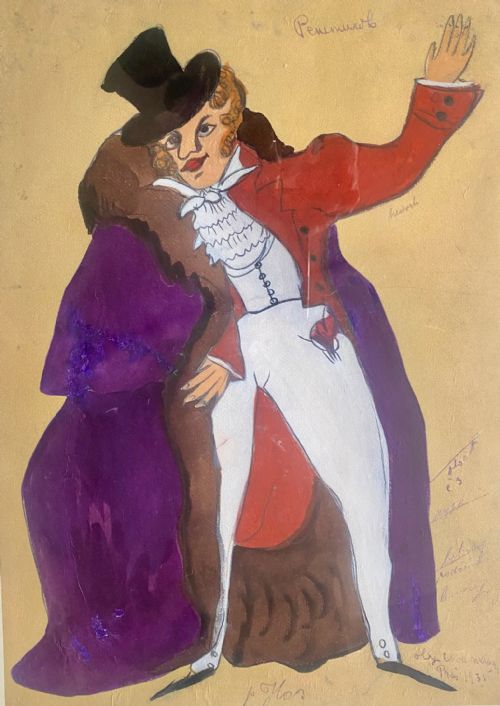


Original 1930s Watercolour
An original 1930s watercolour captures the distinct atmosphere of the inter-war decades on paper through fluid pigment.
Original 1930s Watercolour
An original 1930s watercolour represents works produced on paper during a period spanning the 1920s to the 1950s, though centred firmly in the thirties. These pieces appear in forms such as framed paintings, wall art, and drawings documenting landscapes, townscapes, and portraits.
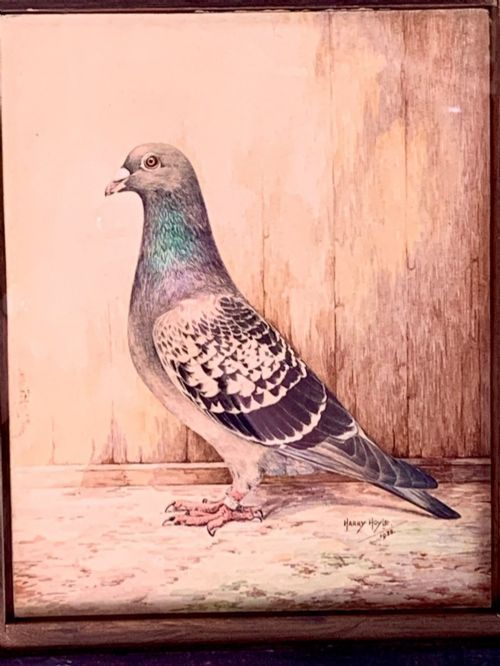
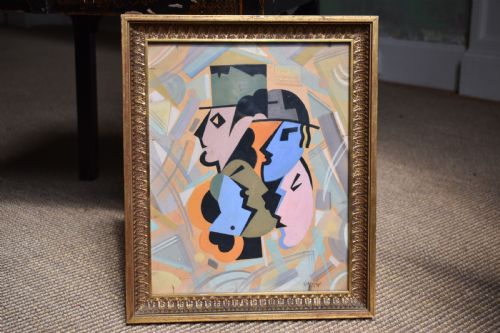
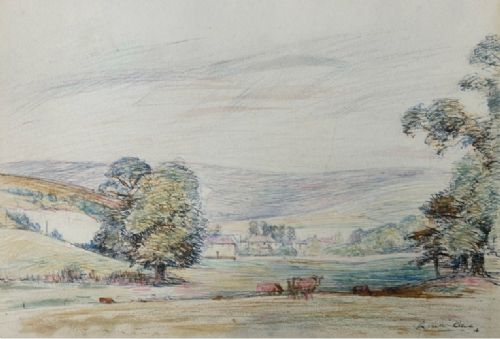
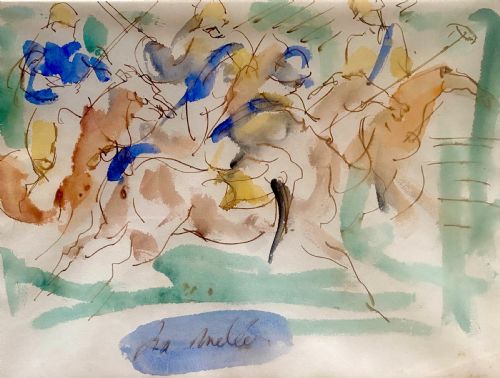
The selection on this page demonstrates subjects ranging from English pastoral landscapes and snowy scenes to theatrical compositions and avant-garde surrealism. Buyers frequently encounter regional depictions of places like Shropshire, Yorkshire, and Staffordshire alongside maritime and equestrian themes.
Works of this classification reflect the varied aesthetic movements of the era, moving between traditional realism, Art Deco sensibilities, and expressionist tendencies. Each piece serves as a direct record of twentieth-century British and continental paper art production.
Materials and Technique
Makers applied watercolour pigment, ink, and gouache onto paper supports, often building up translucent washes or dense opaque passages. These components were frequently paired with wooden frames, glass, and gesso to protect the delicate surfaces.
The combination of ink line work with fluid watercolour application allows artists to define architectural details in townscapes and organic forms in landscapes. Pigments react directly with the paper grain to create varied textural effects across each composition.
Listings feature paper, watercolour, wood, glass, ink, pigment, gouache, and gesso across periods spanning 1920 to 1950.
Evaluating Quality
Quality rests upon the surety of the brushwork and the clarity of the composition, distinguishing confident professional execution from hesitant amateur attempts. Stronger examples display a decisive handling of pigment and ink that establishes immediate spatial depth.
The preservation of the paper support and the vibrancy of the original pigments also dictate the standing of a piece. Works maintained beneath clean glass without excessive fading retain the tonal contrasts intended by the maker.
Russell Sidney Reeves·Gen Paul·Olga Choumansky·Samuel Timmins·Fred Lawson·Ernest Uden·Rowland Henry Hill·Usabal y Hernandez
The Original 1930s Watercolour Glossary
- Gouache
- An opaque water-based paint that provides solid, flat areas of colour and dense highlights. It is frequently combined with transparent watercolour to add weight to specific areas of a composition.
- Gesso
- A plaster-like mixture applied to wooden mouldings before gilding or painting. It provides a smooth base for decorative frames enclosing works on paper.
- Expressionism
- An artistic style prioritising emotional experience over physical reality through distorted forms and bold colours. Pieces in this mode emphasise mood rather than strict topographical accuracy.
- Avant-Garde
- Work that pushes experimental boundaries away from established academic norms. This approach appears in surrealist and modernist compositions of the period.
Original 1930s Watercolour: Frequently Asked Questions
How do I care for an original 1930s watercolour?
Keep works on paper away from direct sunlight to prevent the fading of delicate pigments and discolouration of the paper support. Framing with conservation-grade glass helps shield the surface from atmospheric pollutants and humidity.
Ensure that paintings are hung on interior walls with stable temperature conditions. Regular inspection of the backing board prevents moisture accumulation behind the glass.
Were these watercolours always framed originally?
Many sheets were produced as independent studies or sketchbook leaves and received framing much later by collectors or subsequent owners. Original framing from the period often consists of simple wooden mouldings finished with gesso.
When a piece retains an early frame, it provides additional context regarding how the artwork was displayed during the twentieth century.
How are landscapes from this period identified?
Landscapes often depict recognizable British countryside and townscapes, ranging from Yorkshire castles to Staffordshire fields. Stylistic cues such as muted earth tones or structured ink outlines point directly to inter-war British art practices.
Signatures, dates, and inscriptions on the reverse or front of the paper frequently confirm the exact location and year of creation.
What is the difference between watercolour and gouache?
Water watercolour relies on translucent washes where the white of the paper shines through the pigment. Gouache incorporates a white filler, making the paint opaque and allowing for solid highlights.
Artists during this era frequently combined both mediums on a single sheet to achieve textural contrast between skies and solid architecture.