
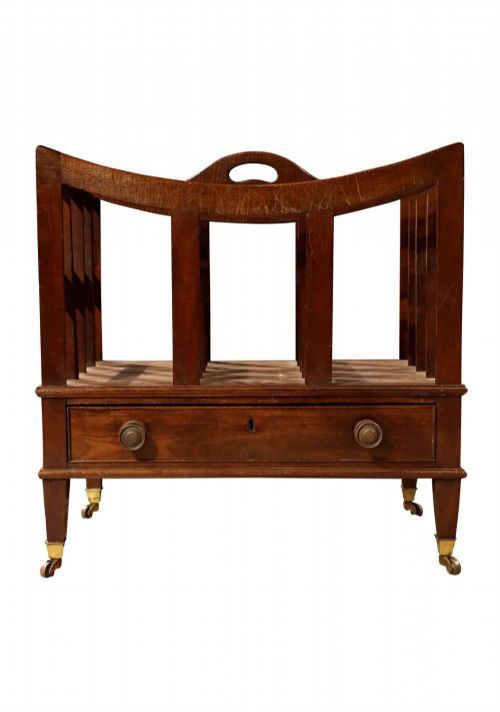


Music Sheet Holder Drawer
A music sheet holder drawer provides an elegant compartment for organising scores, arriving in classic timber forms from Georgian, Regency, and Victorian periods.
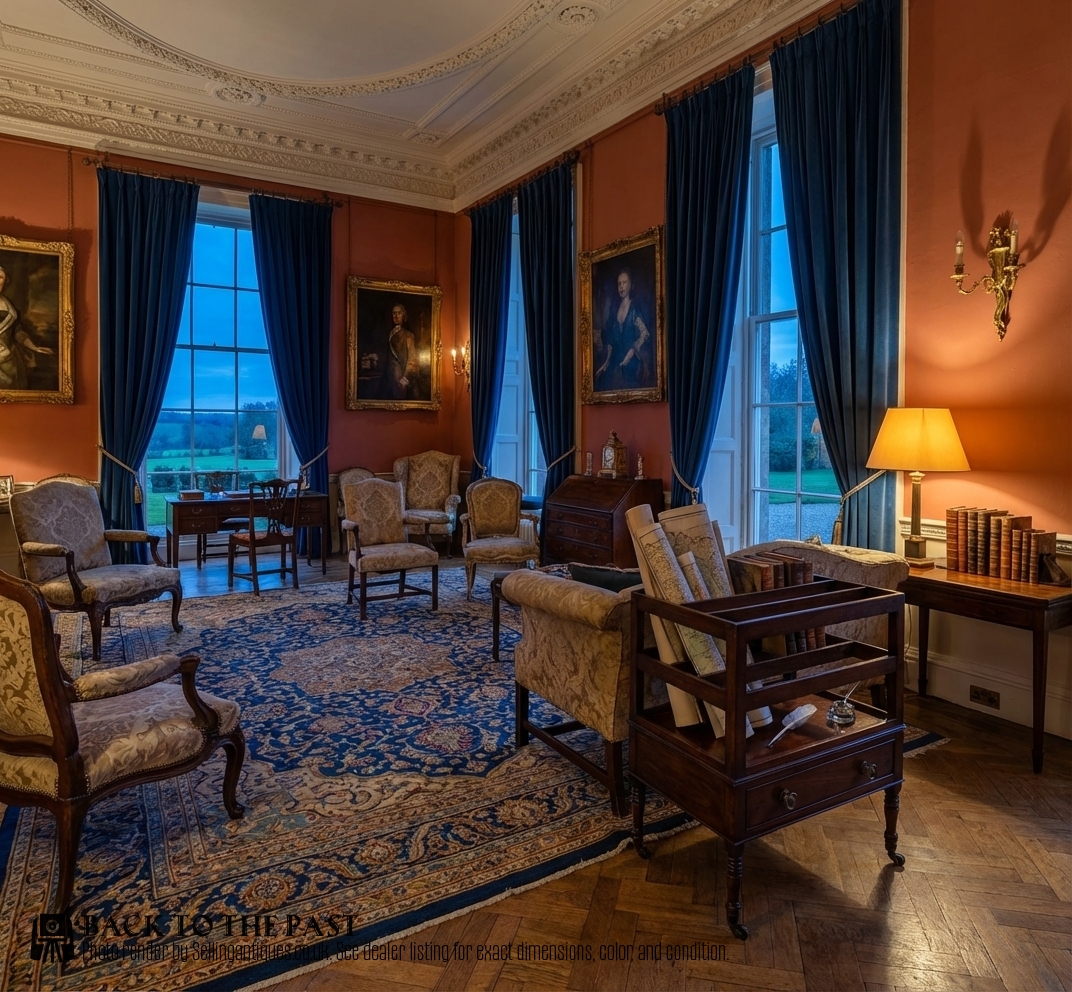
Music Sheet Holder Drawer
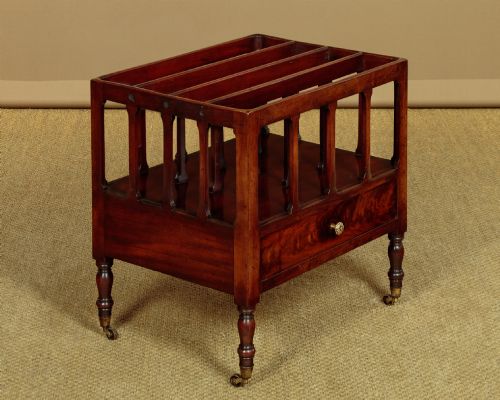
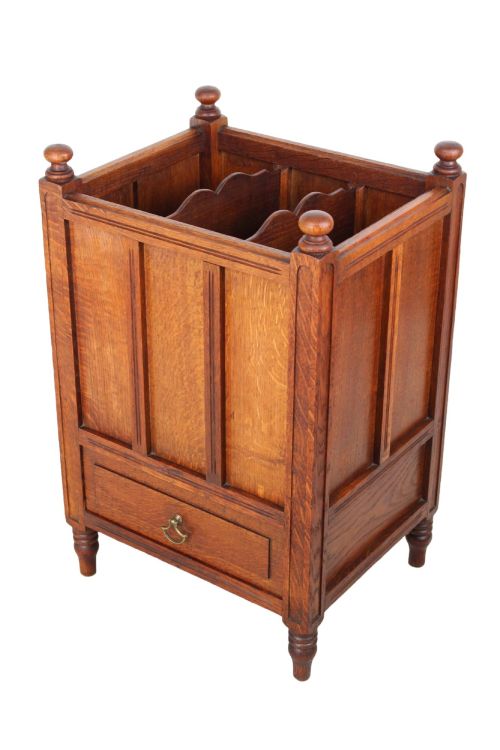
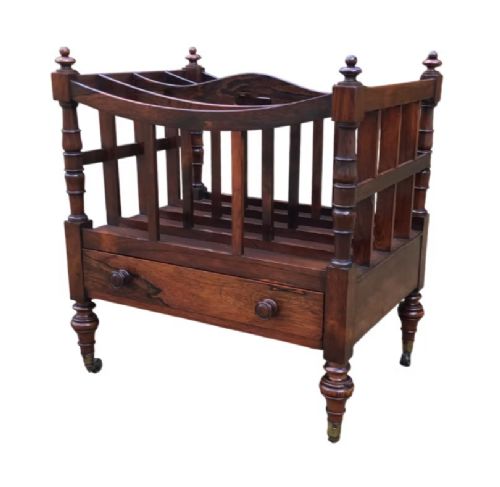
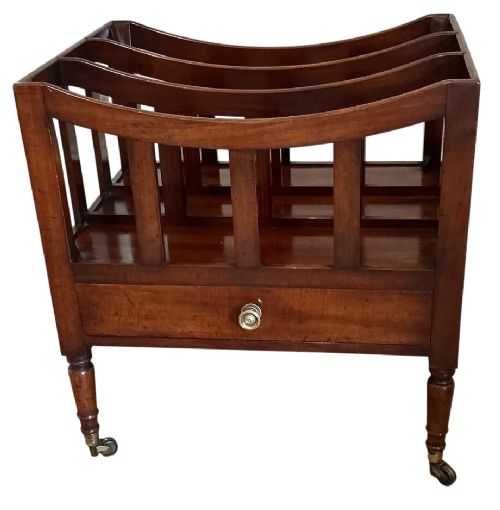
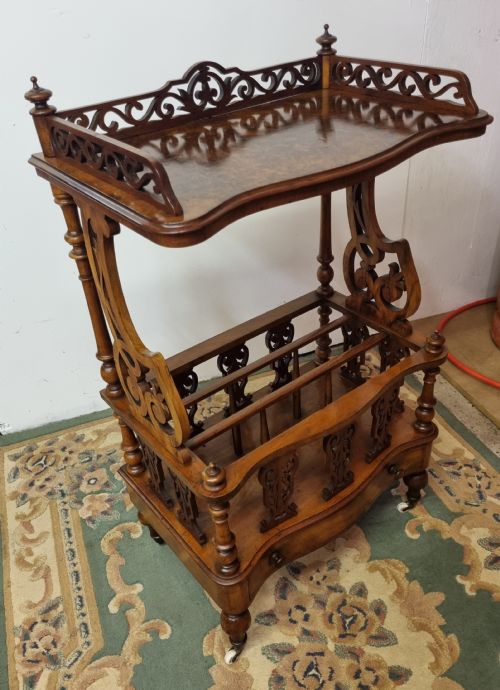
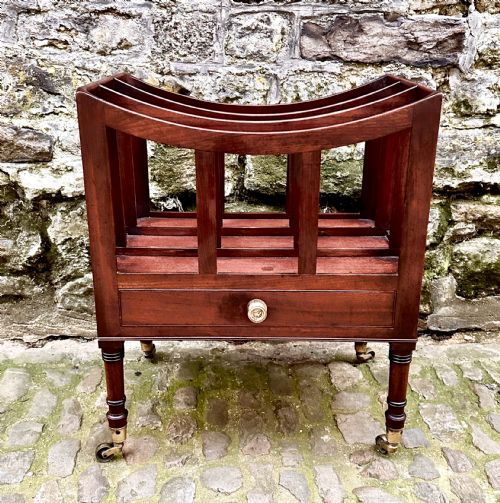
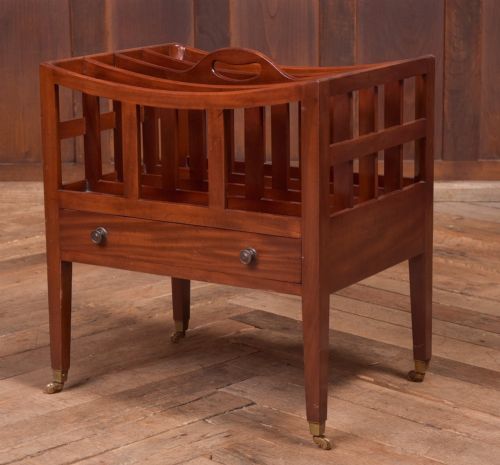
A music sheet holder drawer is most commonly encountered as a Canterbury, a standalone stand designed to keep folios and periodicals tidy near an instrument. These pieces emerge across the Georgian, Regency, William IV, Victorian, and Edwardian eras.
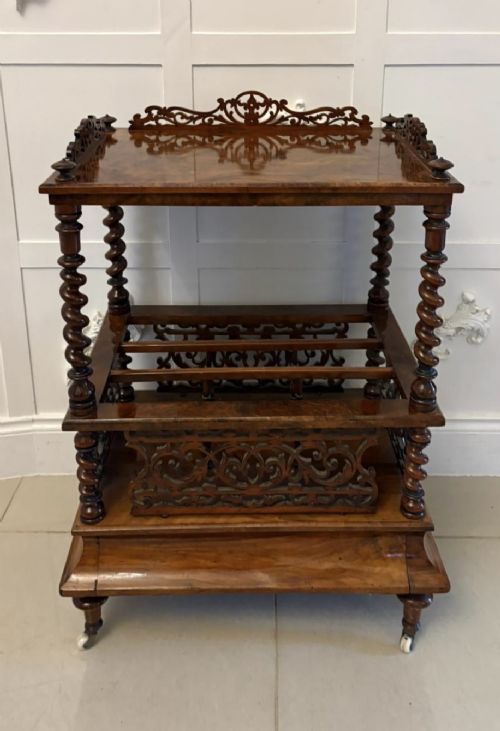
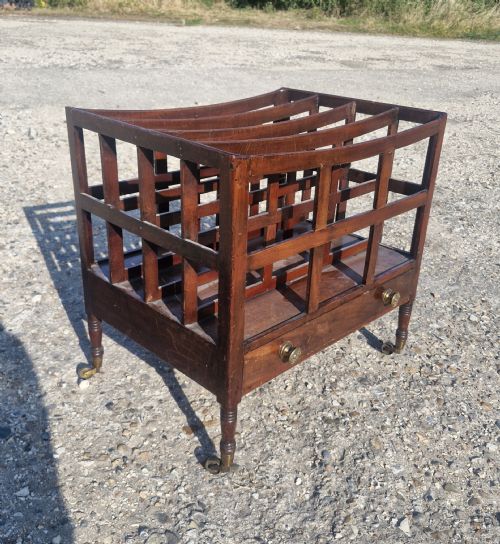
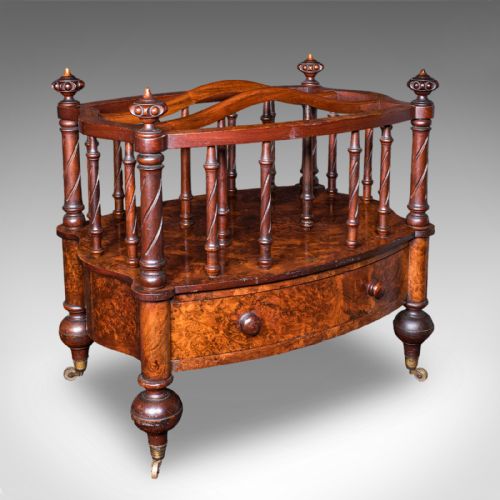
The dominant forms include boat-shaped designs and compartmentalised racks, frequently incorporating a low drawer beneath slatted divisions. Mahogany and rosewood dominate the earlier decades, while burr walnut and oak appear in later Victorian and Edwardian examples.
Materials and Construction
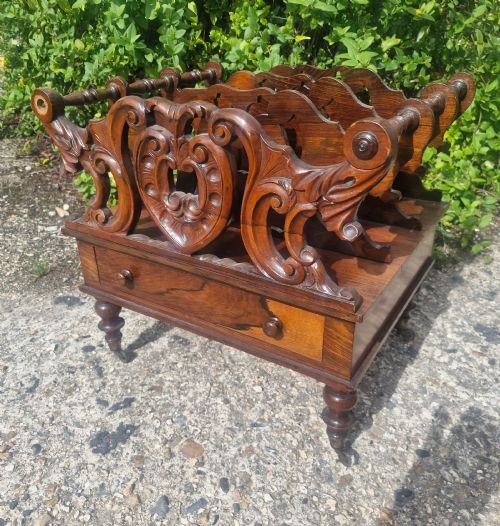
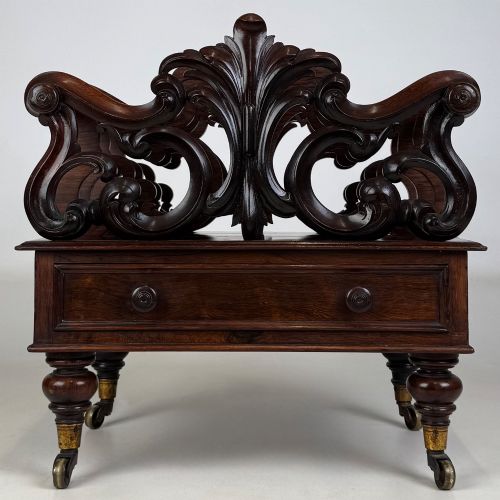
Cabinetmakers utilised rich timber veneers and solid stock, choosing figured mahogany, dark rosewood, and burr walnut for their decorative grain. Individual tiers often feature turned columns, fretwork dividers, and carved details such as Prince of Wales feathers.
Lower drawers run on side rails, whilst the base stands frequently rest upon turned legs fitted with castors for mobility. Joinery relies on traditional hand-cut joints to support the weight of heavy paper collections.
Some nineteenth-century makers concealed tiny castors beneath the feet so the entire rack could glide quietly across the rug during a sonata.
Defining Quality in Racks and Tables
The distinction between standard examples and superior pieces rests in the choice of timber and the crispness of the carving. Finely figured rosewood and burr walnut with rich patination denote a higher grade of workshop production.
Proportion and structural harmony also separate ordinary items from exceptional ones. Elegant turned supports, well-integrated lower drawers, and refined brass castors indicate a piece commissioned for a principal room rather than casual domestic use.
Edwards and Roberts
The Music Sheet Holder Drawer Glossary
- Canterbury
- A low stand with upright divisions for holding music sheets, newspapers, or magazines, often fitted with a small drawer below. The name derives from the Archbishop of Canterbury, who supposedly commissioned the first such rack.
- Boat-shaped
- A curved hull-like profile seen on the sides of certain Regency pieces. This silhouette softens the rectangular geometry typical of standard stands.
- Serpentine
- A gently undulating curved line characteristic of advanced Victorian cabinet fronts. This contour requires precise woodworking skill to execute smoothly across walnut and mahogany.
- Turned legs
- Cylindrical supports shaped on a lathe, frequently ornamented with ring or spiral patterns. Many examples incorporate original brass castors at the base.
- Fretwork
- Openwork ornamentation cut from thin wood panels, creating decorative patterns along the dividers. It lightens the visual weight of heavy timber frames.
Music Sheet Holder Drawer: Frequently Asked Questions
What is a music sheet holder drawer?
A music sheet holder drawer is a traditional rack designed to hold paper scores and folios upright in divided sections, with an integrated base drawer for smaller accessories.
These items originated to keep music rooms orderly beside pianos and harpstands.
How do I identify a Regency period piece?
Regency pieces often display rich rosewood veneers, boat-shaped side profiles, and elegant turned legs fitted with brass castors.
They emphasise classical proportions and refined craftsmanship dating from the early nineteenth century.
Were these stands only used for music?
Whilst initially designed for sheet music, many examples served to hold newspapers, periodicals, and general reading material in country house drawing rooms.
Owners frequently adapted the compartments to suit whatever daily publications were current.
What woods were used in Victorian examples?
Victorian cabinetmakers predominantly worked with burr walnut, rosewood, and mahogany to achieve dark, heavily figured surfaces.
Satinwood also appears occasionally in later nineteenth-century workshops for a lighter aesthetic.