



Music Paper Cabinet
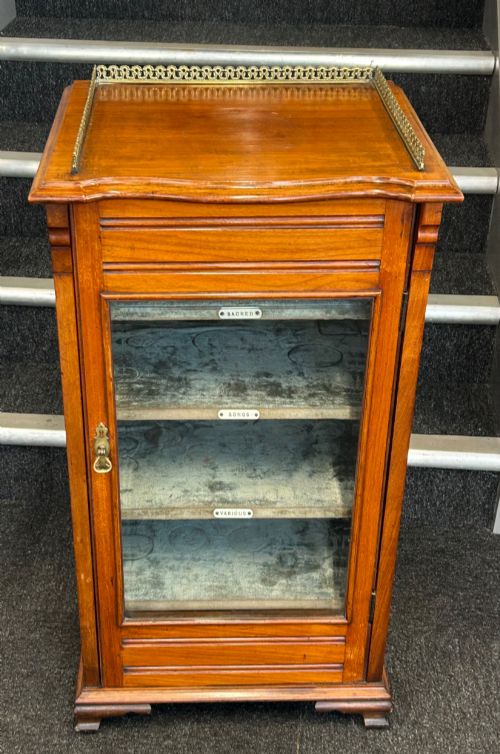
A music paper cabinet organises scores and folios with fitted shelves, drop fronts, or upright partitions.
Music Paper Cabinet
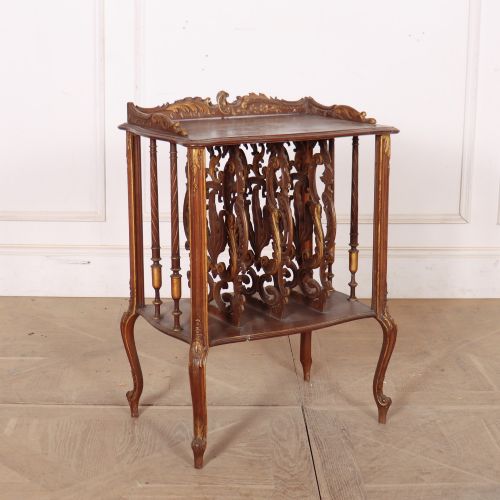
A music paper cabinet is a specialised piece of furniture designed to store sheet music, folios, and periodicals neatly in the home. These items appear across various historical periods, including the Victorian, Edwardian, and William IV eras.
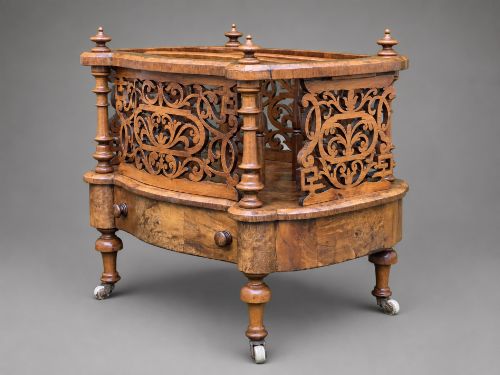
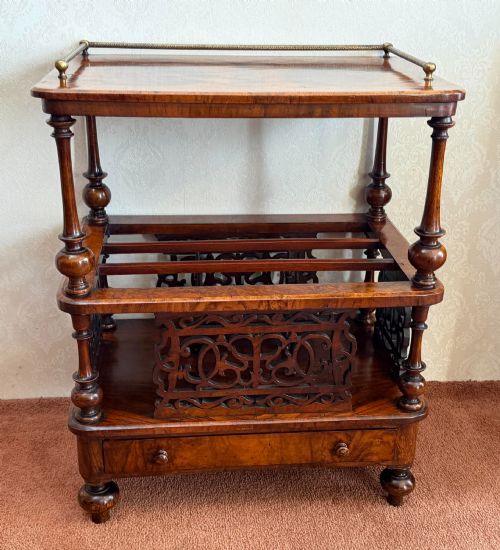
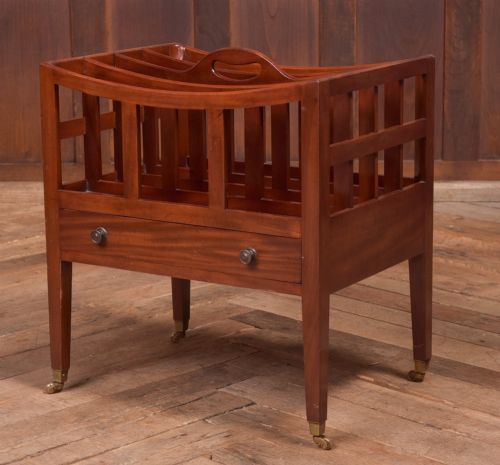
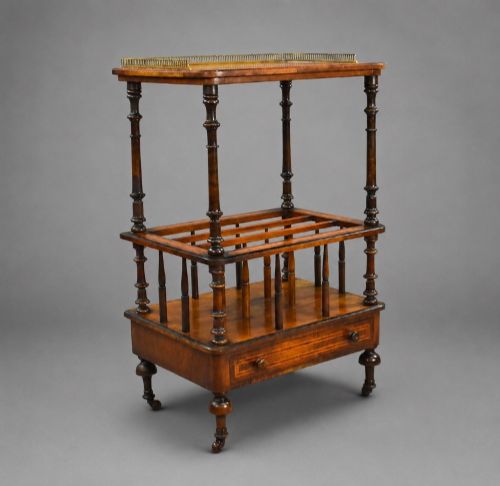
The selections found here frequently take the form of music cabinets, canterburys, and magazine racks with dedicated internal slides or upright dividers. Buyers will encounter both upright standing cabinets and low open rack designs constructed for domestic parlours and drawing rooms.
Construction and materials
Cabinet makers utilised dense hardwoods such as mahogany, walnut, burr walnut, and rosewood to build these storage pieces. Many examples incorporate decorative elements like brass handles, ceramic castors, and intricate marquetry inlay.
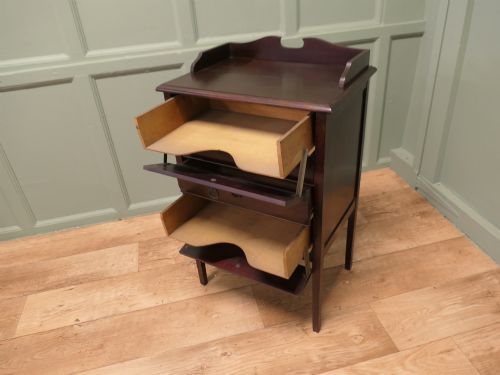
Internal configurations rely on fitted sliding trays for flat paper storage or vertical partitions for upright folios. Certain variations employ tambour fronts or drop-down panels to conceal the contents securely.
Music Paper Cabinet Retail Price Guide 2026
Typical asking prices for music paper cabinet among the pieces listed under this phrase on Sellingantiques today, from the lower quarter to the upper quarter. They describe what is for sale here now, not the wider market.
Listings feature Edwardian, Victorian, and William IV periods, constructed primarily from walnut, mahogany, and rosewood.
Assessing craftsmanship
The grade of timber selected for the exterior veneer largely determines the visual impact of the piece, particularly with burr walnut and figured mahogany. Rich grain patterns and precise marquetry indicate higher workshop standards.
Hardware details such as original brass castors, functioning locks, and robust internal slides elevate the execution. Sound structural joinery in the upright partitions and frame ensures durability under regular handling of heavy paper.
The Music Paper Cabinet Glossary
- Canterbury
- A low open stand fitted with upright partitions for holding sheet music or magazines, frequently mounted on castors with a single lower drawer.
- Marquetry
- Decorative patterns formed by fitting together small pieces of wood veneer onto a structural surface to create pictorial or geometric designs.
- Tambour
- A flexible shutter made of narrow vertical strips of wood glued to a canvas backing, allowing it to slide smoothly around a curved track.
- Folio
- A large-format paper sheet or booklet used for orchestral and piano scores, requiring wide, shallow storage compartments.
- Castor
- A small wheel mounted on a swivel assembly attached to the base of the furniture, allowing the piece to be moved easily across floor coverings.
Music Paper Cabinet: Frequently Asked Questions
What is a music paper cabinet used for?
These cabinets were built to house sheet music, songbooks, and unbound orchestral or piano scores in domestic parlours.
Today, they function equally well for organising modern documents, art paper, and contemporary periodicals while retaining period character.
Where were these pieces placed in a home?
Victorian and Edwardian households positioned them beside upright pianos, drawing room seating areas, or music room corners.
Their finished backs and compact footprints allow them to sit freestanding in modern living spaces or studies.
What woods are common in these cabinets?
Walnut, burr walnut, mahogany, and rosewood dominate the material record across Victorian and Edwardian examples.
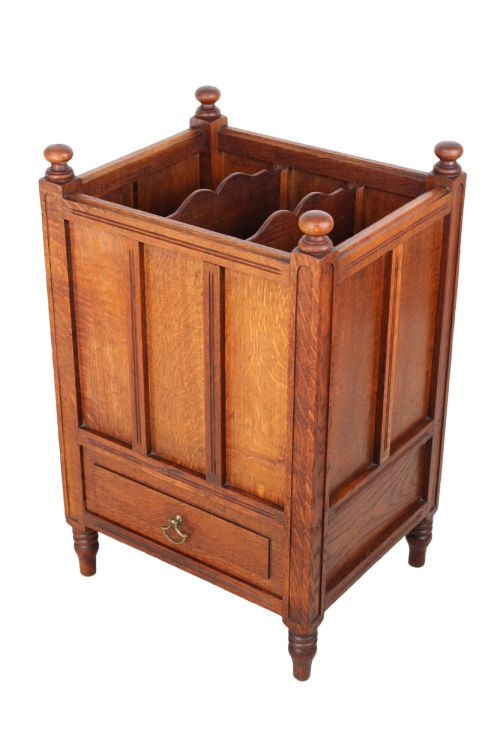
Secondary woods like oak appear frequently in utilitarian filing variations and later Edwardian designs.