


Multi Spiral Twist Glass
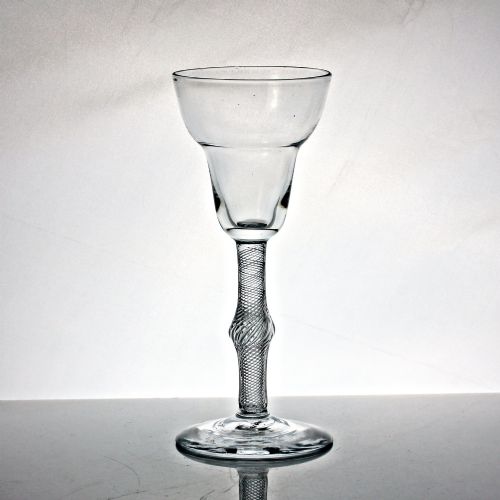
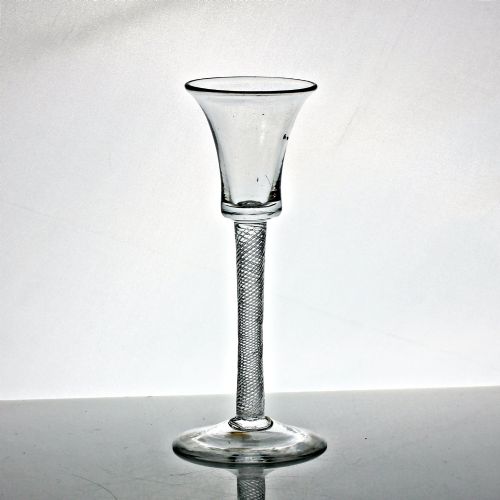
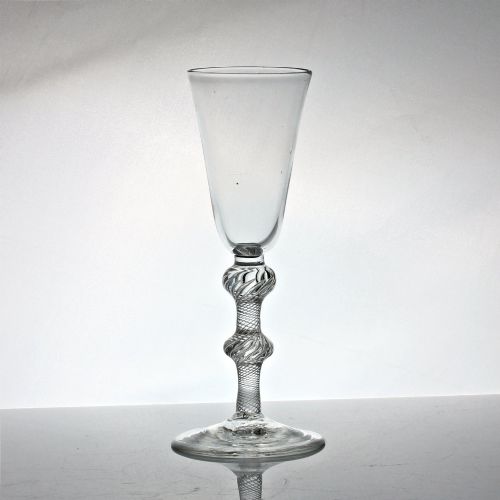
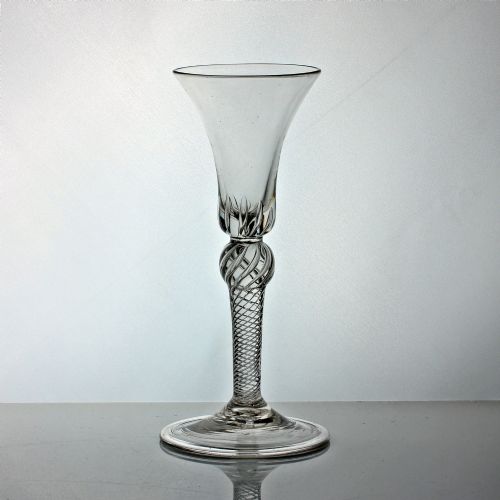
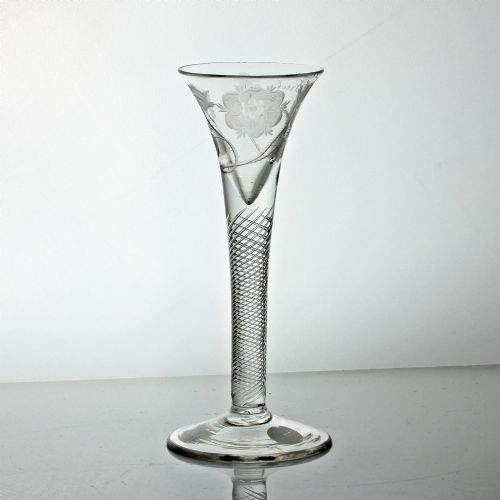
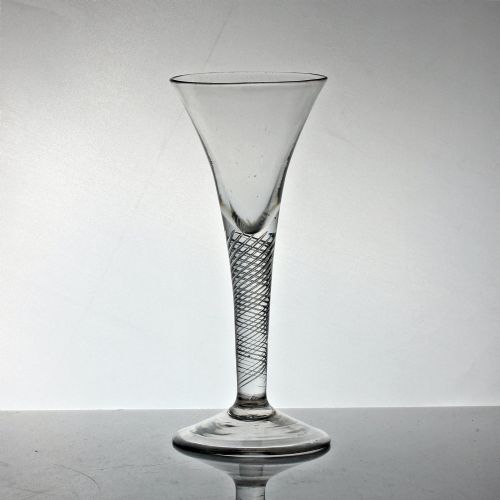
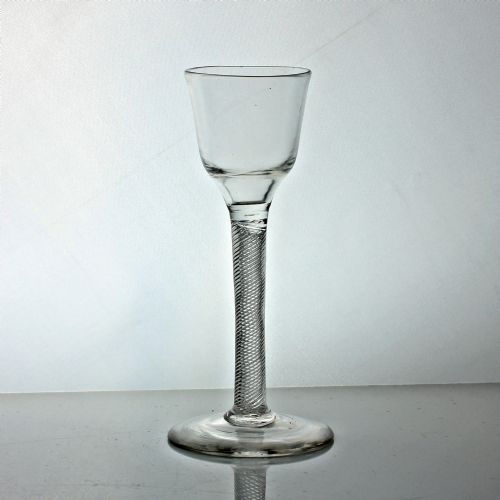
These multi spiral twist glass vessels are drinking vessels formed with complex internal threads, offering tactile and visual depth for the collector.
Multi Spiral Twist Glass
A multi spiral twist glass represents a specific category of drinking vessel from the eighteenth century, dominated by wine glasses and ale glasses. The pieces originating from the Georgian period show distinct variations in bowl forms, including bell, ogee, trumpet, pan top, and rounded funnel shapes.
Collectors encountering this phrase most frequently meet English lead glass or lead crystal examples featuring intricate stem formations. These vessels span various functional types such as firing glasses, toasting glasses, sweetmeat glasses, and champagne vessels.
The material composition often incorporates clear glass or flint glass, paired occasionally with white enamel threads. Many of these drinking vessels survive from the middle decades of the eighteenth century, demonstrating the skill of contemporary glasshouses.
What varies in quality
The distinction between standard examples and exceptional pieces rests upon the crispness of the internal threads and the symmetry of the spiral formation. Superior stems display regular, unbroken twists without distortion or pooling in the glass metal.
Every listed piece belongs to the eighteenth century and the Georgian style, constructed from lead glass, clear glass, lead crystal, flint glass, or white enamel.
The Multi Spiral Twist Glass Glossary
- Air twist
- An optical stem formation created by drawing out internal elongated air bubbles into a spiral thread. This technique yields a silvery sheen within the glass stem.
- Opaque twist
- A stem variation incorporating white enamel glass rods drawn into fine opaque threads. These threads create solid white or coloured opaque spirals inside the clear metal.
- Folded foot
- A glass base where the outer rim is turned under and double-layered for extra strength. This traditional method provides stability to eighteenth-century drinking vessels.
- Knop
- A decorative swelling or protuberance formed on the stem of a glass. Multiple knops enhance the tactile profile and visual weight of the vessel.
- Sweetmeat glass
- A shallow bowl form intended for serving small confectionery items or preserved fruits. These pieces often match the stem styles of contemporary wine glasses.
Multi Spiral Twist Glass: Frequently Asked Questions
What is a multi spiral twist glass?
A multi spiral twist glass is an eighteenth-century drinking vessel featuring internal threads of air or white enamel drawn into spirals within the stem.
These pieces date predominantly from the Georgian era and include wine glasses, ale glasses, and specialised toast vessels made from lead crystal.
How do air twists differ from opaque twists?
Air twists contain elongated bubbles trapped and spun into fine internal channels that catch the light with a silvery brilliance. Opaque twists utilise solid white enamel rods heated and drawn into distinct opaque threads inside the clear stem.
Both techniques require precise manipulation during the glassblowing process to maintain regular spirals.
What do Jacobite engravings mean?
Jacobite engravings commemorate the exiled House of Stuart and secret loyalty through symbolic imagery like roses, oak leaves, and specific Latin mottoes. These historical motifs appear on mid-eighteenth-century drinking vessels used for clandestine toasts.
Such engraved pieces hold significant historical interest for collectors of British glassware.
Why do some glasses have folded feet?
Folded feet provide physical reinforcement to the base of eighteenth-century drinking vessels where wear was most likely to occur. The glassmaker turned the outer edge of the foot under while hot, creating a smooth, double-layered rim.
This construction detail offers an indication of period manufacturing practices.