


Moulded Oak Chest
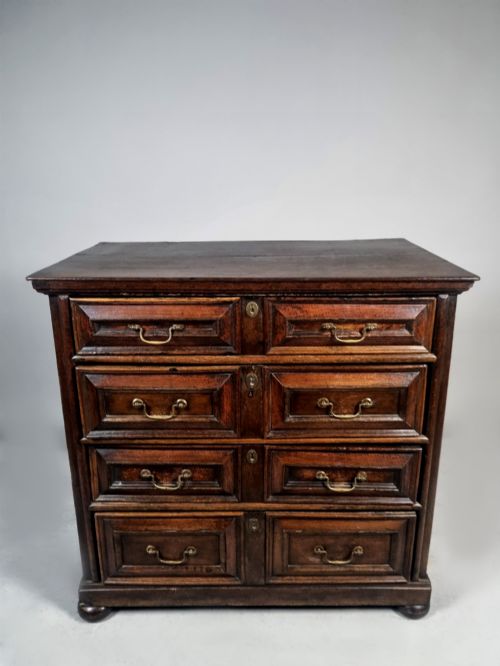
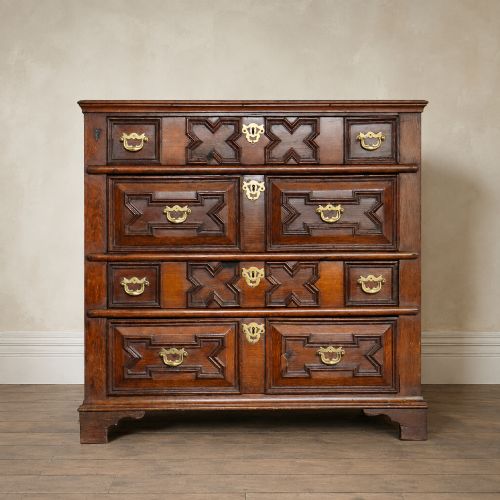
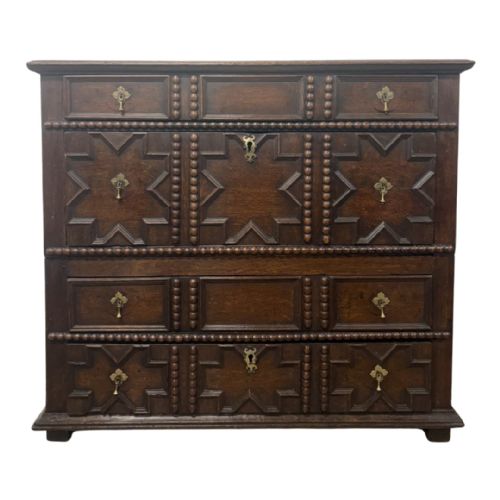
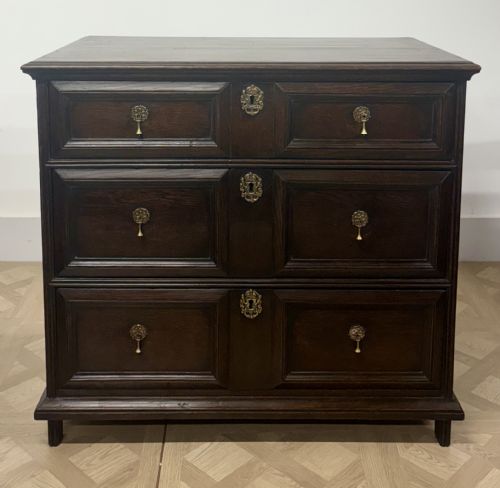
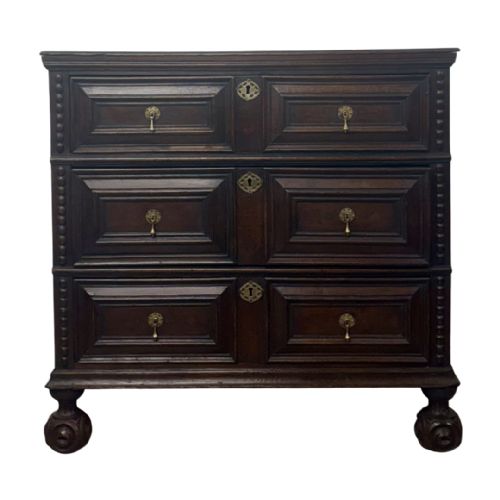
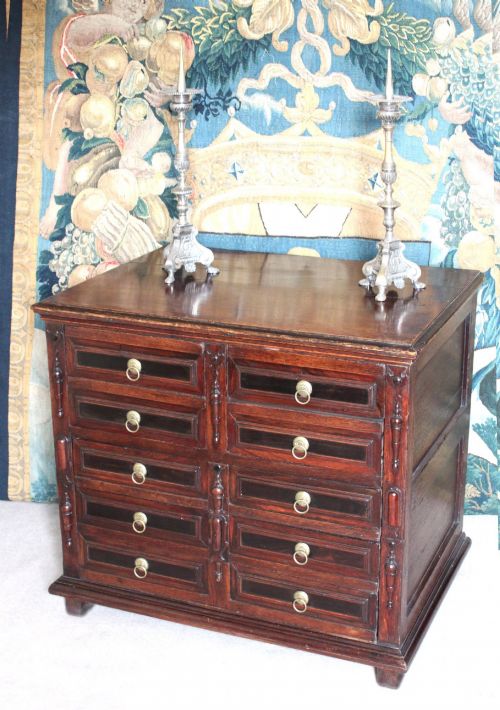
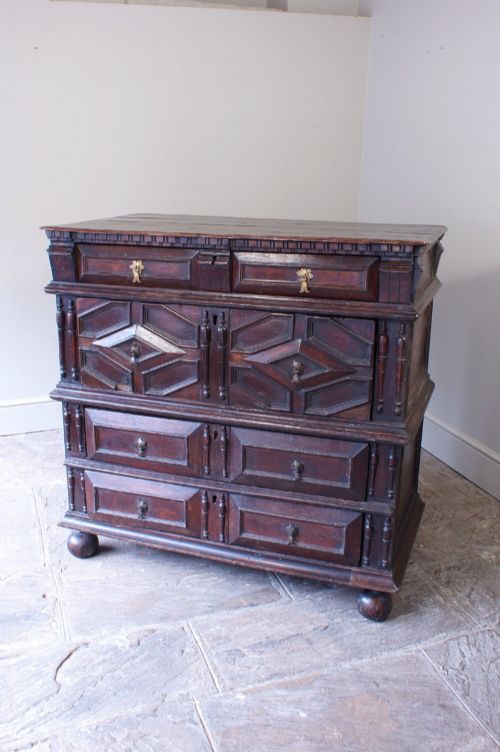
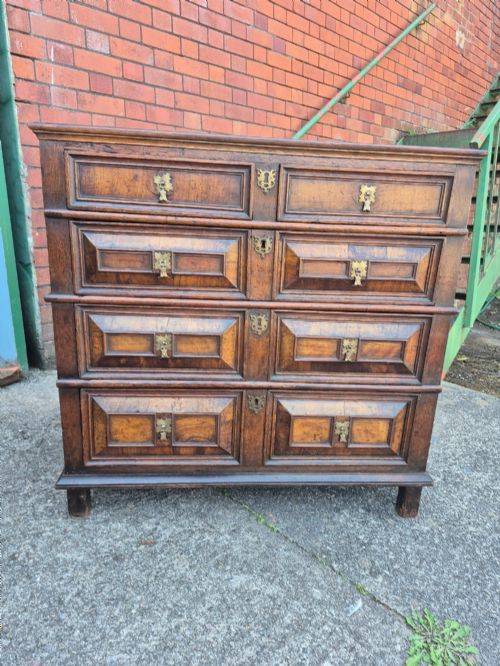
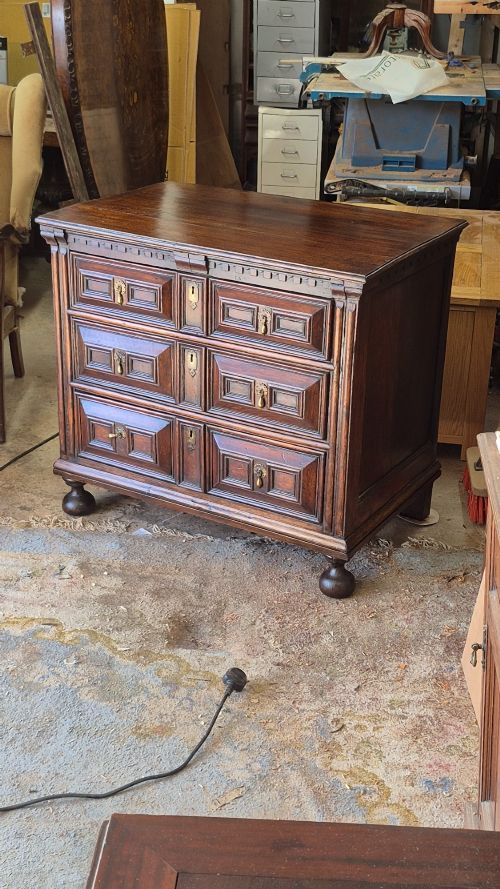
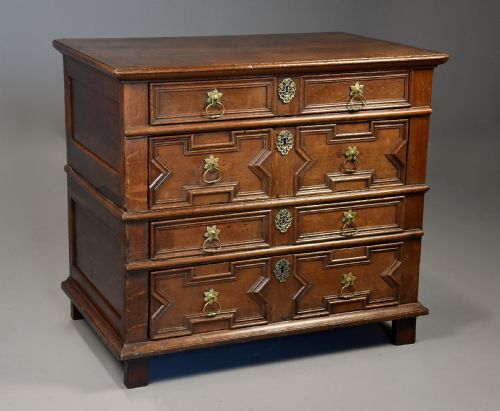
A moulded oak chest provides solid storage with applied geometric ornamentation typical of the seventeenth century.
Moulded Oak Chest
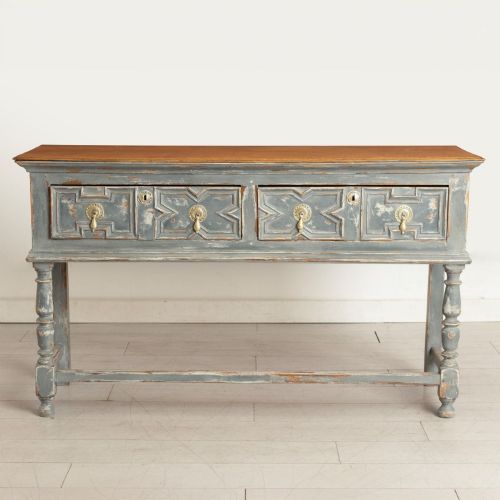
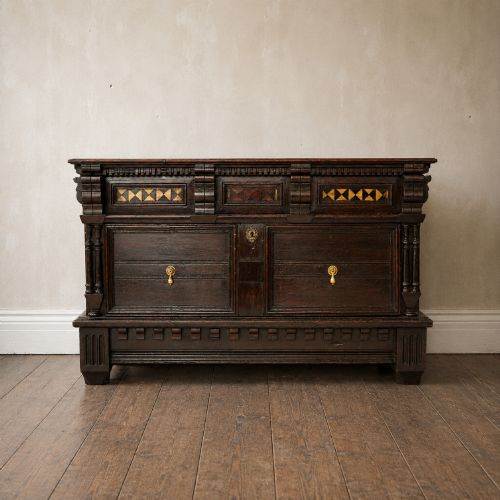
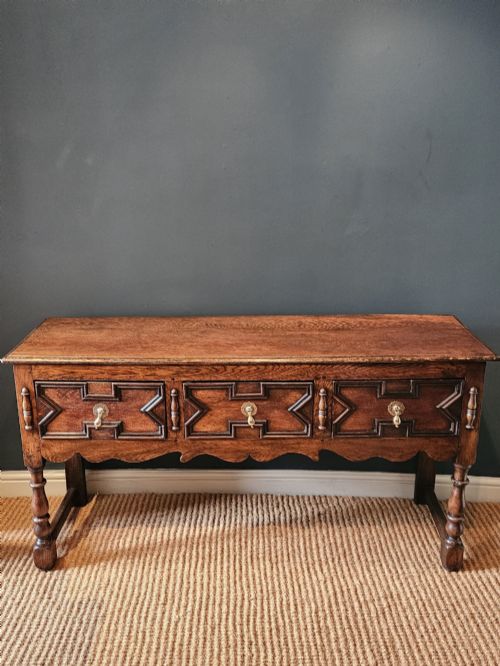
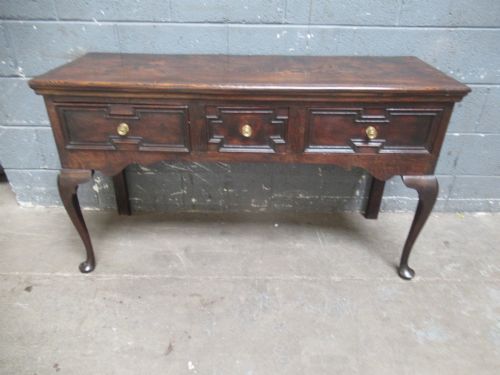
When searching for a moulded oak chest, collectors find sturdy case furniture designed for domestic storage during the seventeenth and eighteenth centuries. These pieces typically take the form of chests of drawers or dresser bases constructed with heavy timber frames.
The version most frequently met on this page is the seventeenth century Charles II period chest featuring geometric mouldings across the drawer fronts. Many examples employ a two-part carcass construction intended to ease movement within large houses.
How they were made
Cabinet makers built these pieces using solid oak boards supplemented by secondary timbers such as walnut, fruitwood, and elm. Drawer fronts received applied geometric mouldings cut and pinned to create shallow relief panels.
Hardware elements included brass drop handles and escutcheons alongside complex steel locks. Surfaces relied on natural wax finishes and occasional paint applications rather than heavy modern varnishes.
Several seventeenth-century chests hide complex steel locks sturdy enough to secure family bullion.
What varies in quality
Quality rests upon the crispness of the geometric mouldings and the integrity of the timber patination accumulated over centuries. Examples displaying original brasses and untouched surfaces command greater attention from experienced collectors.
Structural alterations, such as later stands or replaced drawer linings, separate standard utility pieces from examples retaining their original seventeenth century configuration.
The Moulded Oak Chest Glossary
- Geometric moulding
- Raised wooden strips applied in intersecting geometric patterns to drawer fronts. This technique defined case furniture decoration during the latter half of the seventeenth century.
- Patina
- The surface sheen and colour developed by aged wood through decades of handling and polishing. Natural patination provides a primary indicator of age and authenticity.
- Two-part chest
- A cabinet constructed in separate upper and lower sections designed to stack together. This method aided transport of heavy oak furniture in early dwellings.
- Dresser base
- A low wooden sideboard fitted with drawers and occasionally cupboards below a solid top. These items served functional preparation and storage roles in historic interiors.
- Escutcheon
- A protective plate surrounding a keyhole, frequently fashioned from brass on period furniture. It prevented damage to the surrounding wood from repeated use of keys.
Moulded Oak Chest: Frequently Asked Questions
How old are these chests?
Most pieces originate from the seventeenth century, particularly the Charles II and William and Mary periods. Later revivals from around nineteen hundred also appear.
Craftsmen built these items primarily from solid oak, incorporating regional styles that evolved through the eighteenth century.
Were these always chests of drawers?
While most items function as drawer units, the category includes related forms such as safe boxes, dresser bases, and chests on stands. Early storage often took the form of simple boxes before multi-drawer carcasses became standard.
Surviving examples occasionally show later modifications, including upper sections placed onto later cupboard bases.
How do I care for antique oak?
Keep wooden furniture away from direct heat sources and dramatic humidity fluctuations to prevent timber splitting. Regular applications of traditional beeswax help maintain the natural finish and surface sheen.
Avoid modern liquid polishes that can penetrate old pores and dull the historic patination.