






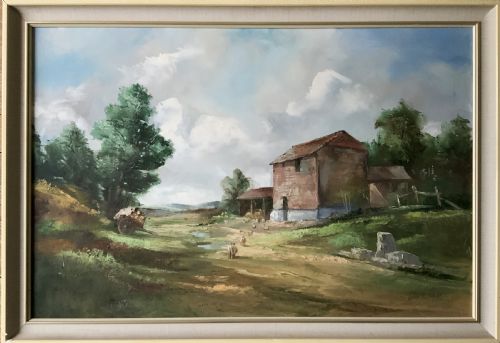
Moulded Art Frame
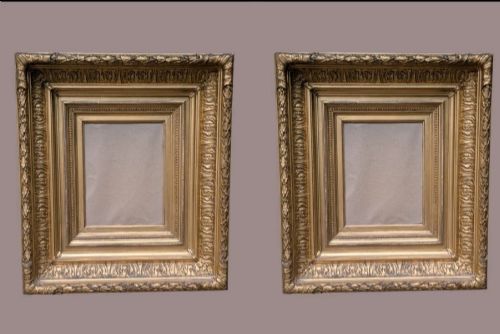
These moulded art frame pieces bring period depth to your walls, combining traditional craftsmanship with centuries of fine artistic heritage.
Moulded Art Frame
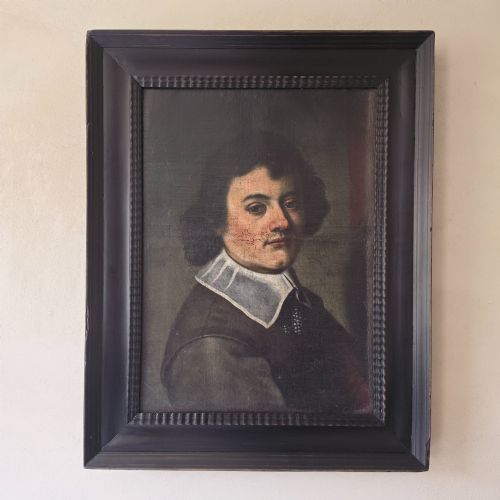
When you search for a moulded art frame, you encounter a diverse array of picture frames, wall art, and framed paintings spanning from the seventeenth century through to the twentieth century. These pieces often house oil paintings, pastels, and framed embroidery, serving as historical artefacts in their own right.
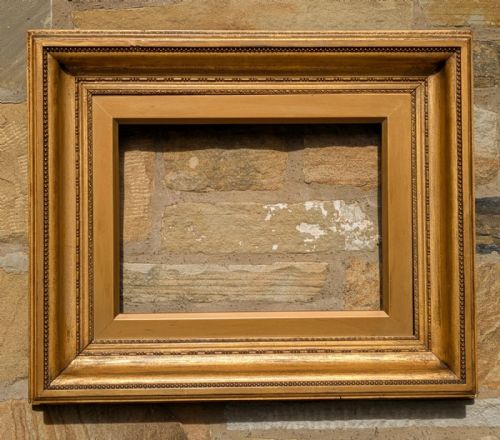
You are most likely to meet Victorian and Edwardian examples on this page, alongside earlier seventeenth and eighteenth-century items. The selection includes deep gilt frames, leather frames, and silver gilt gesso pieces that reflect distinct historical periods and decorative styles.
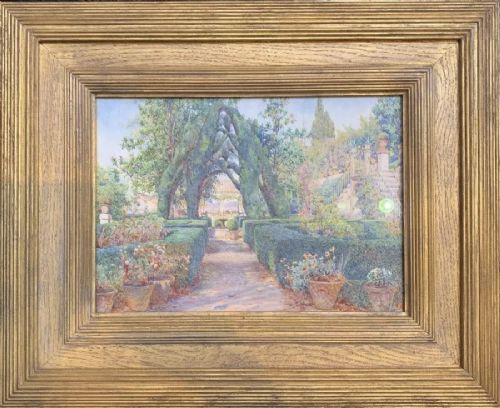
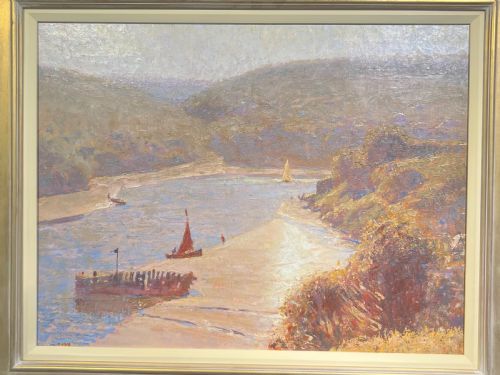
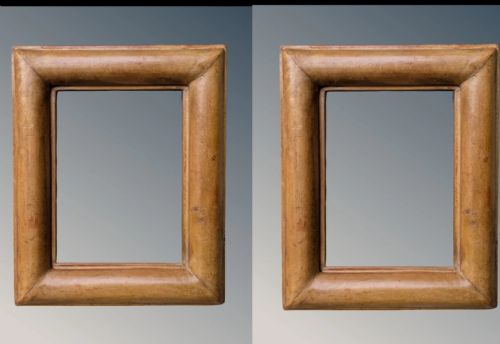
The objects vary from empty picture frames designed for bespoke curation to complete framed artworks, including landscapes and portraits. Each piece demonstrates the specific framing conventions of its era, from Baroque elaborations to later Victorian innovations.
Materials and Technique
Makers utilised wood as the foundational structure for these frames, applying gesso to create raised ornamental details and surface relief before gilding. Gold leaf and silver leaf were then applied over the prepared surfaces to achieve a luminous metallic finish.
Alternative items incorporate leather, glass, and board, while the artworks within feature oil on canvas, pastel, and mixed media. The integration of moulded plaster and carved wood defines the physical character of the frames across all represented periods.
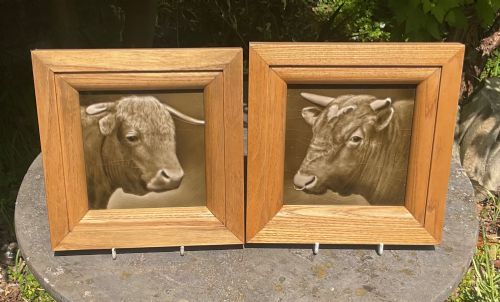
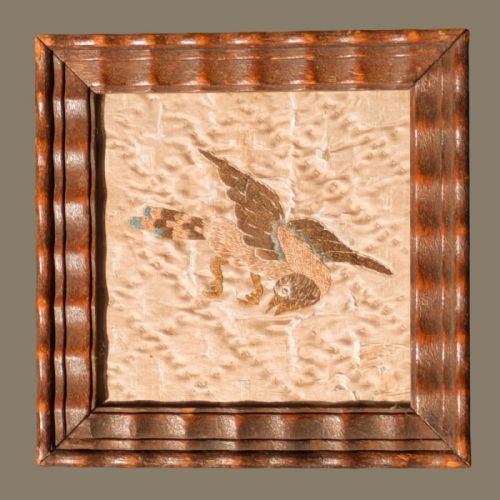
Among the framed tiles and floral gardens, a solitary bird embroidery from the eighteenth century watches over the entire collection.
Assessing Quality
The distinction between tiers of quality rests upon the crispness of the moulded relief work and the preservation of the original gold leaf or gesso. Heavier, deeper timber constructions demonstrate superior structural substance compared to lighter modern alternatives.
Artisanal execution in the application of the surface ornamentation separates standard production from finer craftsmanship. The harmony between the frame and the enclosed artwork, whether an oil painting or an embroidery, further indicates the standard of the piece.
Ernest Arthur Rowe·Cecil Allan Mould·Sherwin and Cotton·John Hobson Nicholson·Jack R Mould
The Moulded Art Frame Glossary
- Gesso
- A plaster-like mixture applied to wood frames to create a smooth surface for gilding and moulding. It allows for intricate relief ornamentation.
- Gilt
- Covered thinly with gold leaf or gold paint. This finish provides the characteristic metallic sheen seen on period frames.
- Oil on canvas
- A painting technique using pigments suspended in a drying oil applied to stretched canvas. It represents a primary medium found within these framed works.
- Baroque
- An ornate artistic style prevalent from the seventeenth into the eighteenth century. It influences the dramatic, heavy moulding found on certain frames.
- Art Nouveau
- A style popular around the turn of the twentieth century. It introduces organic, flowing plant-like motifs into frame designs.
Moulded Art Frame: Frequently Asked Questions
How do I date a frame?
Dating relies on the underlying materials, the composition of the gesso, and the style of the moulding. Seventeenth and eighteenth-century examples display different joinery and profile characteristics compared to Victorian or Edwardian pieces.
Examining the backboards, fixings, and any remnants of original labels provides additional chronological markers. Comparing the decorative motifs against known historical periods clarifies the age of the item.
Can I change the artwork inside?
Many frames house historical paintings or embroideries that form an integrated part of the object's identity. Altering the contents requires careful consideration of the historical relationship between the frame and its artwork.
Empty frames offer immediate flexibility for housing new pieces, whereas complete framed artworks are best preserved intact. Professional guidance helps determine if a frame can safely accommodate a different canvas.
What is gesso moulding?
Gesso moulding involves building up layers of plaster and glue on a wooden substrate to create three-dimensional decorative patterns. This technique allows artisans to produce elaborate corners and repeating borders.
The dried gesso can be carved, sanded, and gilded, forming the rich surface texture characteristic of traditional European frames. Its preservation is a key indicator of the piece's condition.
How do I clean a gilt frame?
Cleaning requires dry, gentle methods such as a soft-bristled brush to remove dust from the intricate recesses of the moulding. Moisture and chemical solvents can damage fragile gold leaf and historical gesso.
Professional conservation is recommended for fragile or heavily degraded surfaces to prevent loss of the original finish. Regular maintenance is limited to careful surface dust removal.