



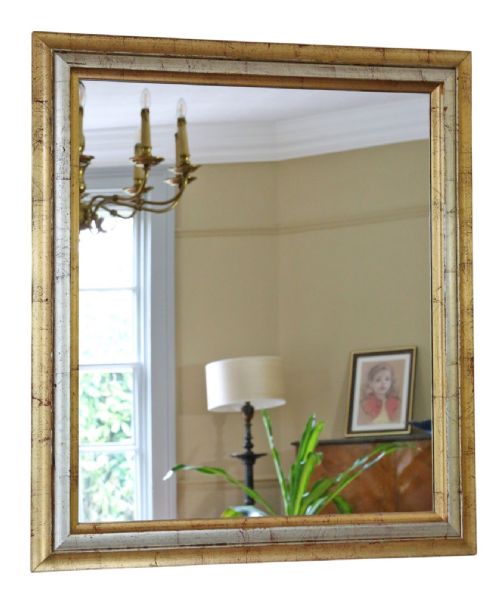


Antique Silver Gilt Frame
An antique silver gilt frame brings together precious metal leaf and carved wood to hold portraits, mirrors and paintings with genuine distinction.
Antique Silver Gilt Frame
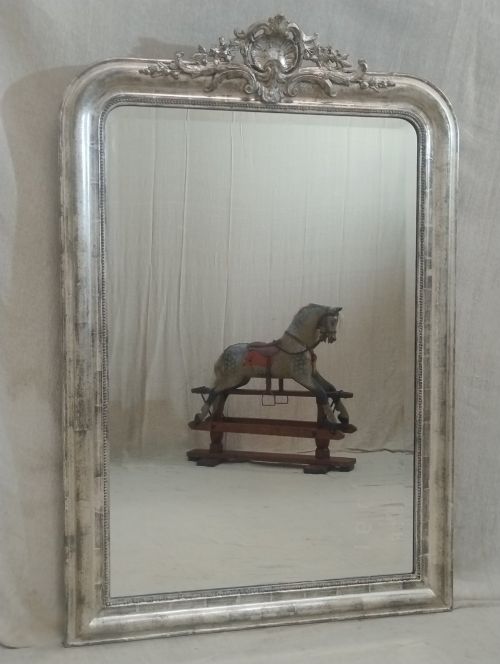
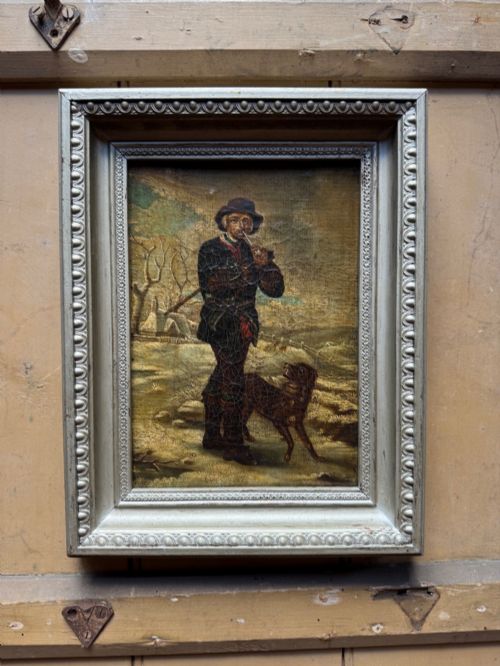
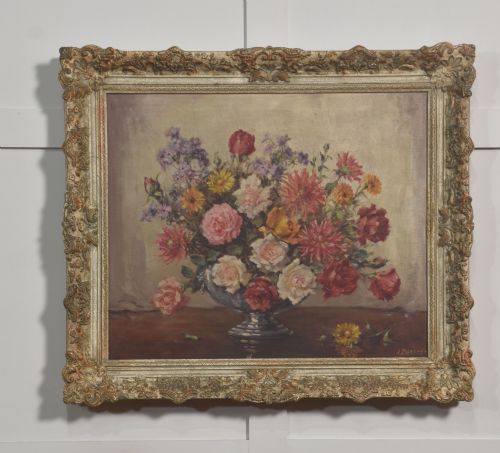
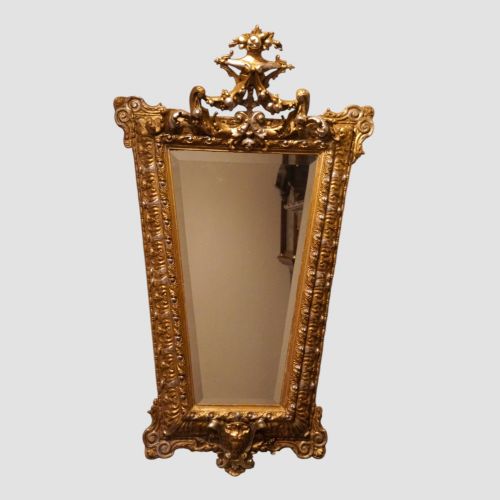
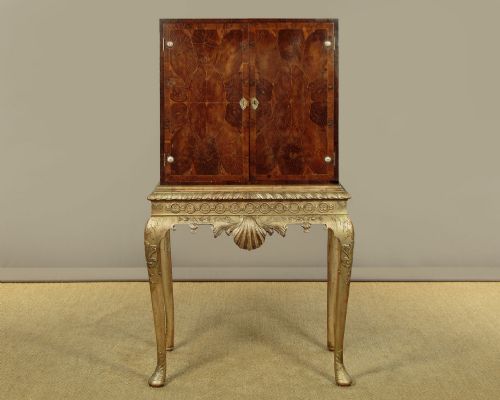
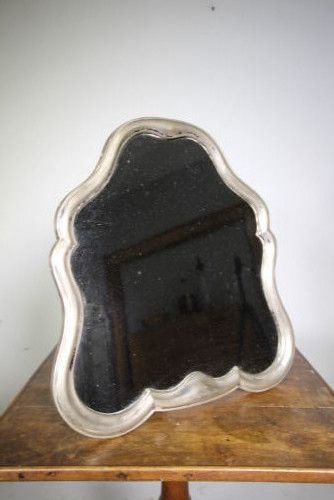
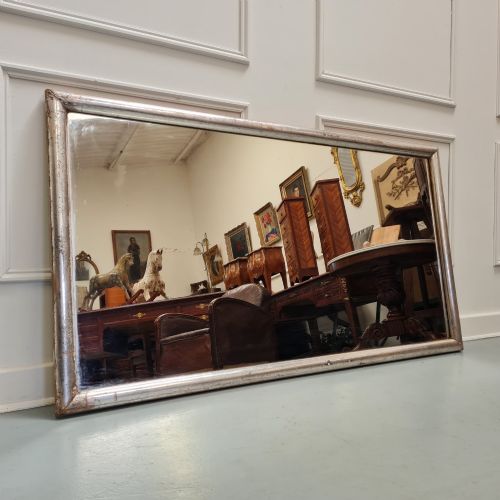
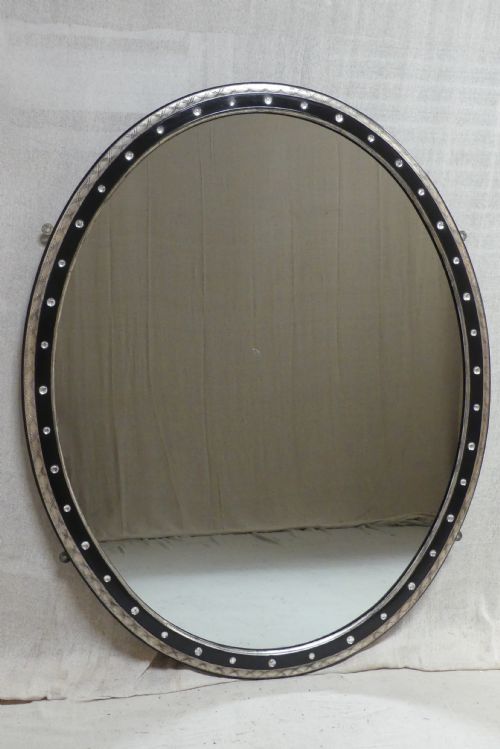
When you search for an antique silver gilt frame, you encounter a selection spanning wall mirrors, oil paintings, photo frames and cabinets from the seventeenth century through to the mid-twentieth century. The predominant forms on this page are carved wood mirrors and picture frames originating from British, French and Italian workshops across the eighteenth and nineteenth centuries.
The selection ranges from large overmantle mirrors finished in gesso and silver leaf to smaller Victorian sterling silver photo frames and oil paintings set within period surrounds. Pieces vary from simple rectangular profiles to elaborate Louis Philippe and Baroque revival shapes incorporating shaped tops, rope twists and etched surfaces.
How they were made
Craftsmen built the foundations of these frames using carved wood, applying layers of gesso to create a smooth, responsive base for decoration. Artisans then laid silver leaf, gold leaf or oil paint onto the prepared surface, frequently combining silvered and gilded finishes to achieve a complex tonal effect.
Moulding and etching techniques defined the ornamentation, allowing makers to produce intricate borders, ripple patterns and carved cartouches. In later pieces, materials such as glass, tortoiseshell and sterling silver complemented the wooden structures.
Materials recorded across the selection include silver leaf, gold leaf, gesso, tortoiseshell and oil paint.
What varies in quality
The distinction between ordinary and exceptional examples rests upon the depth and crispness of the wood carving beneath the metallic leaf. Frames possessing hand-modelled gesso work and original, undisturbed silver and gold leaf display a visual richness that mechanical replication lacks.
Proportion and structural integrity also divide the range, as well-balanced large overmantle mirrors and properly preserved Italian or French frames retain their architectural harmony over centuries of use.
Sir Godfrey Kneller·Minshull and Latimer·A.J Rowley·Ernest Higgins Rigg·Joseph Vickers de Ville
The Antique Silver Gilt Frame Glossary
- Silver gilt
- Silver that has been coated with a thin layer of gold or finished to mimic a warm, dual-toned metallic surface. This technique produces a softer lustre than pure silver alone.
- Gesso
- A plaster-like mixture applied to wood frames to create a smooth surface for gilding. It allows carvers to achieve sharp relief details.
- Overmantle mirror
- A large wall mirror designed to hang specifically above a fireplace mantel. These pieces often feature expansive proportions and horizontal orientations.
- Ripple frame
- A picture frame characterised by undulating, wave-like mouldings carved directly into the wood. This style gained popularity in seventeenth-century workshops.
- Ex Voto
- A religious offering placed in a sacred setting as a vow or token of gratitude. These items often appear in specialised devotional wall art.
Antique Silver Gilt Frame: Frequently Asked Questions
How do I clean an antique silver gilt frame?
Dust the surface gently using a soft, dry brush without applying moisture or proprietary metal cleaners. Liquid polishes strip away the delicate metallic leaf layers.
Keep the frame away from direct sunlight and damp environments to protect the underlying gesso and wood from cracking or lifting.
Are these frames original to the paintings or mirrors they hold?
Many frames remain paired with their original mirrors, panels or canvases, particularly in seventeenth and eighteenth-century examples. Certain pieces show later pairings where the frame and artwork were united during a past period.
Examine the rebates and fixings at the back for clues regarding the longevity of the association between frame and contents.
How can I tell a nineteenth-century revival frame from an earlier piece?
Nineteenth-century revival pieces often display machine-tooled precision in their gesso moulding and brighter, more uniform metallic leaf applications. Earlier seventeenth and eighteenth-century frames typically exhibit hand-carved irregularities and deeper patination.
Inspect the wood species and the composition of the gesso ground using a magnifier to understand the manufacturing period.
Where should I hang a large overmantle mirror?
These mirrors suit principal reception rooms and hallways where their reflective qualities enhance natural light and spatial depth. Ensure the wall structure and fixings safely support the considerable weight of carved wood and glass.
Position the piece at a height that complements existing furniture proportions rather than dominating the entire wall space.